
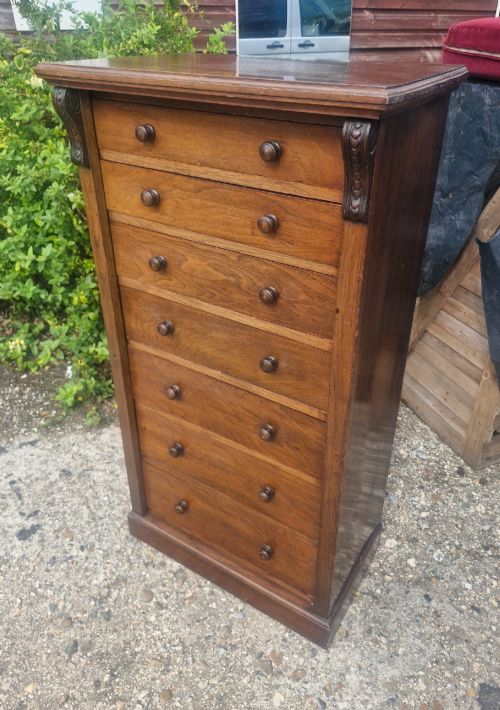


Carved Wooden Cabinet
These carved wooden cabinet pieces combine utility with intricate relief work, offering collectors storage enriched by distinct period craftsmanship.
What these pieces are
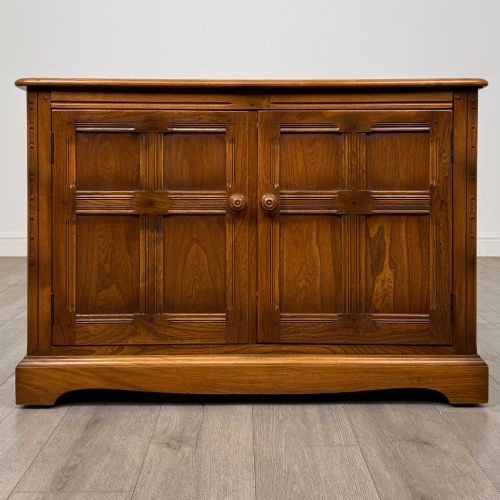
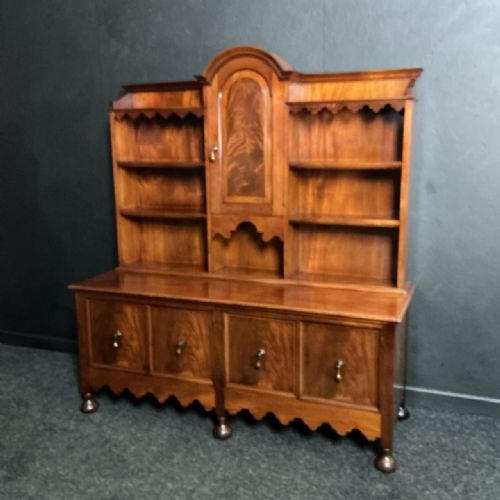
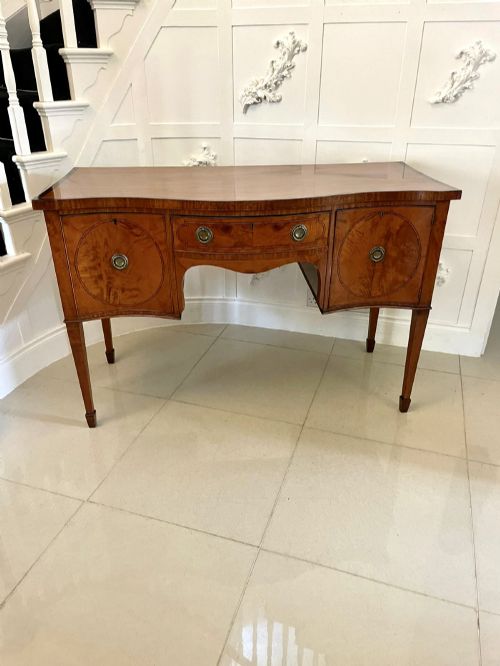
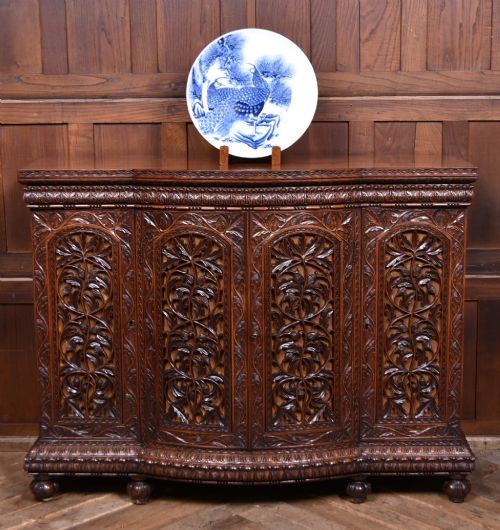
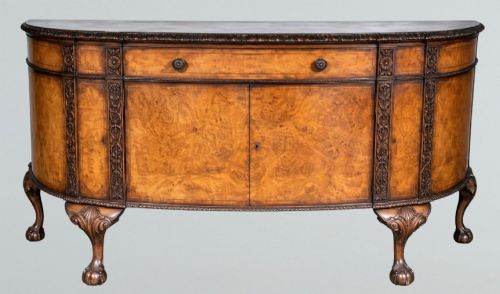
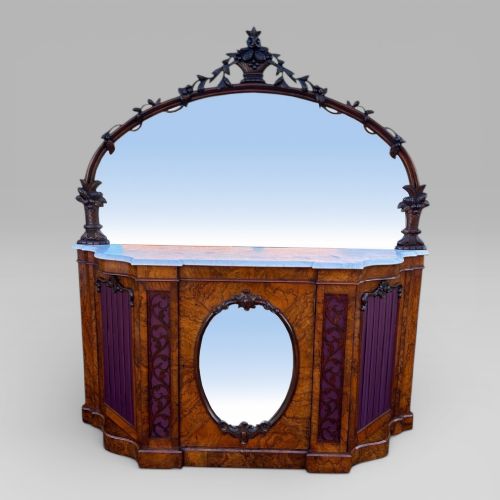
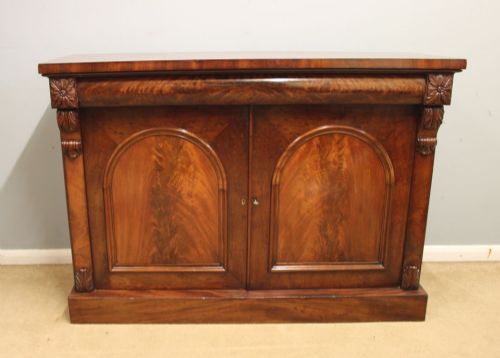
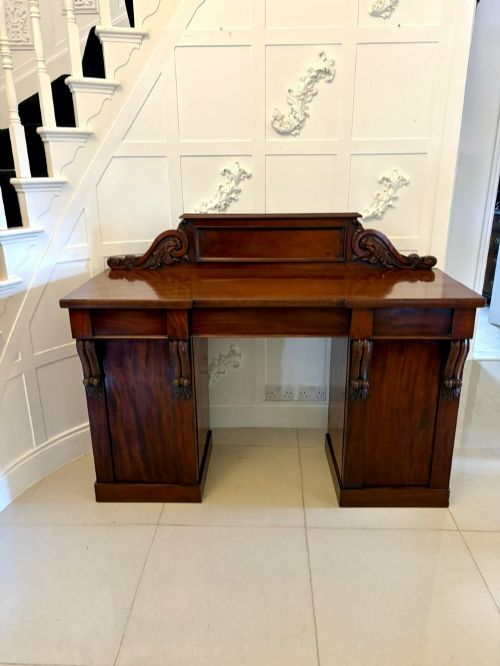
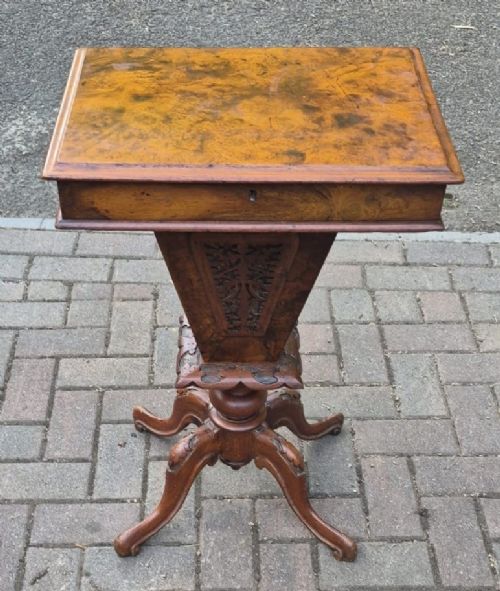
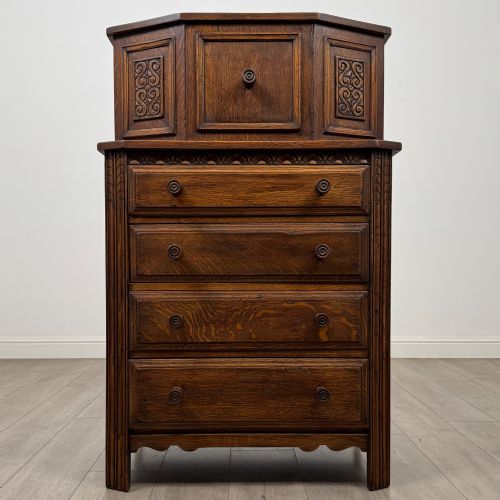
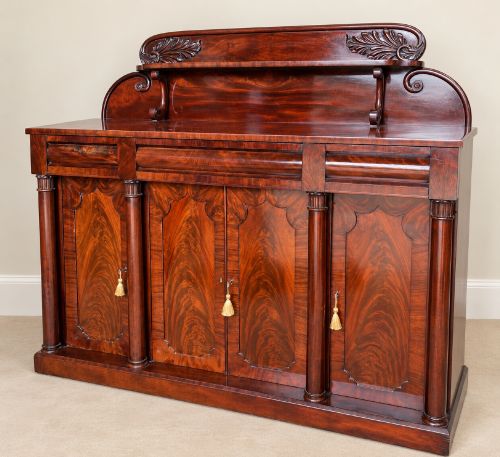
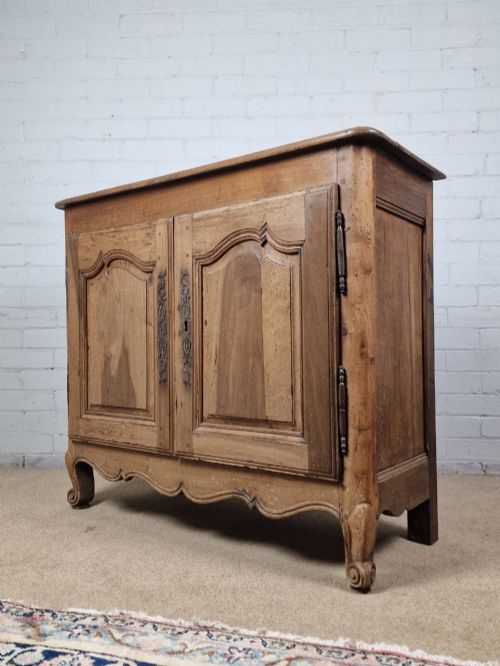
A carved wooden cabinet serves as both a storage unit and a decorative focal point in a room, appearing across various historical periods in this selection. Buyers examining these listings encounter display cabinets, cupboards, wall cabinets, and table cabinets fashioned from timber.
The objects span the Victorian era, the Edwardian period, and the early twentieth century, alongside specific revivals like the Chippendale Revival and Tudor Revival. Folk art and Qing Dynasty pieces also appear, demonstrating diverse regional aesthetics and utilitarian functions.
Most examples function as compact table cabinets, wall-mounted cupboards, or standing bookcases and buffets. Each form reflects the domestic storage needs of its respective decade, ranging from small soft wood tabletop boxes to large mahogany display pieces.
What varies in quality
Quality differences stem from the depth and complexity of the carving, whether executed in simple folk art styles or refined Chippendale Revival motifs. Superior examples display precise joinery and well-preserved surface treatments like hand-applied pigment or lacquer.
The choice of primary timber influences the overall caliber, with dense hardwoods like mahogany and oak contrasting against simpler soft wood constructions. The integration of secondary materials, including brass hardware and fitted glass, further distinguishes standard utility items from finer works.
Retail Price Guide 2026
Typical UK retail prices for carved wooden cabinet, calculated from the Sellingantiques database of over a million retail prices indexed since 2003. This retail price guide relies exclusively on Sellingantiques data; no external sources or auction records are used, so the figures do not describe the wider market.
Listings feature woods including mahogany, oak, and lacquered wood, spanning Victorian and Edwardian periods alongside folk art and Qing Dynasty origins.
Warings
The Carved Wooden Cabinet Glossary
- Pokerwork
- A decorative technique involving the burning of a design into wooden surfaces with a heated tool. This method creates dark, contrasting pictorial or floral motifs on pieces such as wall cupboards.
- Linenfold
- A style of wood carving that mimics the appearance of folded parchment or linen cloth. It appears frequently on panels of period cupboards and religious or domestic furniture.
- Tramp art
- A form of folk art created by self-taught makers using simple, readily available materials like salvaged wood boxes. Items in this category often feature layered, notched chip-carving.
- Inlay
- The technique of inserting pieces of contrasting material into depressions in a base object to form decorative patterns. Chinese lacquer cabinets often utilise this method alongside other surface ornamentation.
Frequently Asked Questions
What is a carved wooden cabinet?
A carved wooden cabinet is a piece of furniture designed for storage or display, featuring ornamentation carved directly into the timber. These items range from small tabletop boxes to large standing bookcases.
Such units served various domestic purposes across different eras, functioning as general storage, display spaces for valued objects, or kitchen and linen cupboards.
How are different periods told apart?
Periods are identified through specific stylistic revivals, construction methods, and characteristic decorative motifs present on the timber. For instance, Edwardian pieces often reflect lighter revival styles, whereas Victorian examples may display heavier proportions.
Material choices and surface treatments, such as pokerwork or black lacquer, also point toward specific late-nineteenth or early-twentieth-century origins.
Where were table cabinets placed?
Table cabinets were designed to sit upon desks, sideboards, or larger tables to hold small precious items, documents, or collections. Their compact size made them accessible additions to reception rooms and studies.
They provided secure, decorative storage without occupying floor space in densely furnished period interiors.
How do I care for antique wood?
Antique wood requires stable environmental conditions away from direct heat sources and strong sunlight to prevent timber splitting and fading. Gentle dusting with a dry, soft cloth preserves the original polish and surface texture.
Harsh chemical cleaners must be avoided to protect historical finishes, lacquers, and hand-carved details.