




Carved Wooden Architectural Elements
These carved wooden architectural elements bring centuries of craftsmanship, heavy timber relief, and structural decoration straight from historic buildings into contemporary interiors.
Carved Wooden Architectural Elements
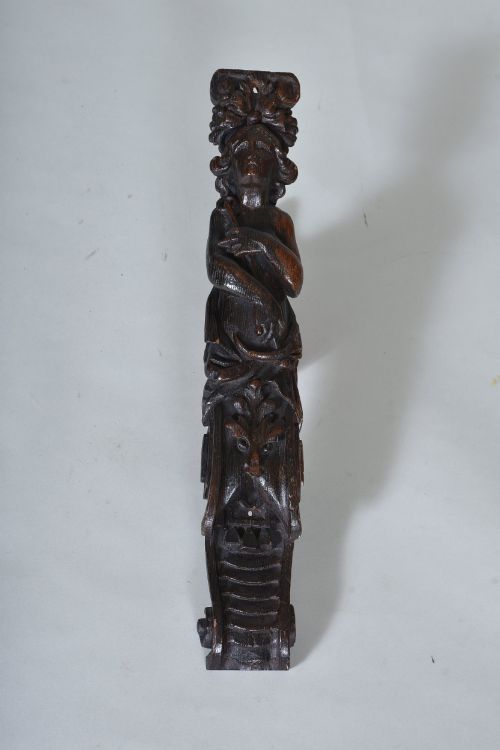
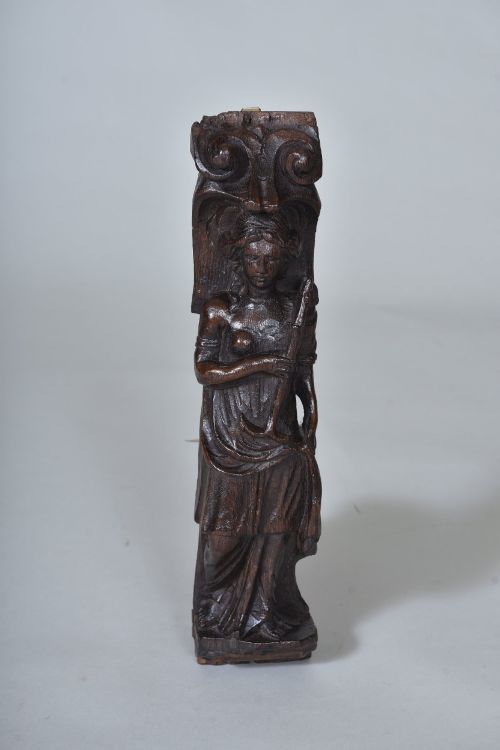
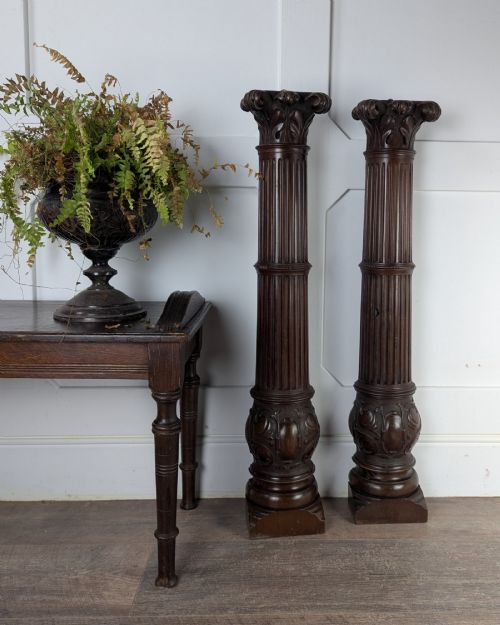
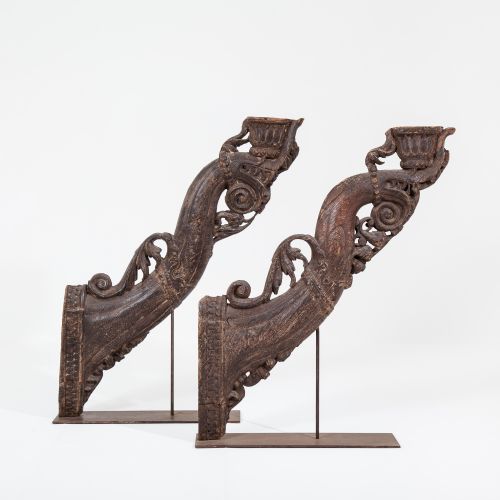
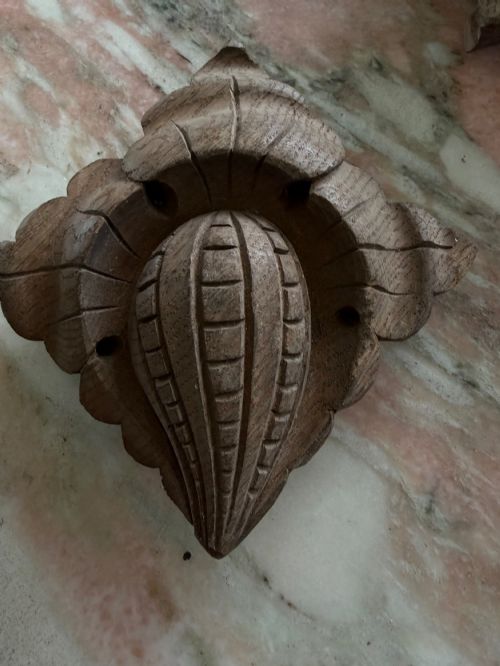
Carved wooden architectural elements comprise salvaged fragments, decorative carvings, and structural components taken from historic buildings across Europe and Asia. When you browse carved wooden architectural elements, you encounter ceiling bosses, brackets, columns, capitals, and wall panels shaped by hand centuries ago.
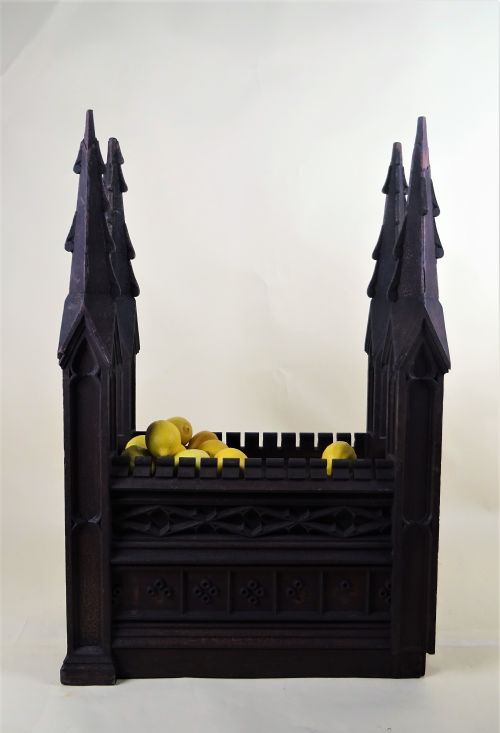
The selection here draws primarily from the seventeenth, eighteenth, and nineteenth centuries, featuring works created in oak, walnut, pine, and exotic hardwoods. Architectural salvage and fragments dominate the forms, reflecting decorative traditions from Gothic revival and Baroque to traditional Indian and Chinese craftsmanship.
Most pieces function today as standalone sculptures, wall brackets, or mounted decorative panels rather than structural supports. They offer interiors a tangible connection to historic architecture through deep relief carving, figural motifs, and weathered timber surfaces.
How they were made
Carpenters and carvers shaped these pieces from dense native and exotic woods including oak, walnut, pine, and mahogany using traditional hand gouges, chisels, and mallets. The timber was worked while seasoned, allowing artisans to achieve deep undercutting and sharp relief on ceiling bosses, brackets, and panels.
Selected works received supplementary treatments such as gesso application, gold or silver leaf gilding, and polychrome paint finishes. Iron fixings occasionally appear where structural fragments were originally secured into masonry or timber frames.
Listings span periods from the sixteenth to the twentieth century, incorporating materials like oak, walnut, gesso, and gold leaf across multiple global traditions.
What varies in quality
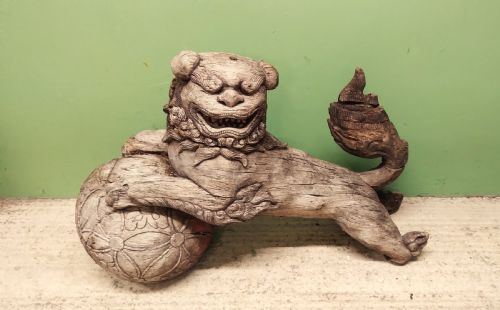
The depth, precision, and anatomical accuracy of the hand carving separate standard decorative fragments from masterworks. Vigorous chisel work on figural elements like lion heads, caryatids, and winged griffins demonstrates a superior understanding of three-dimensional form.
Preservation of original surface treatments, such as historic paint, silver leaf, or uncompromised patina on ancient oak and walnut, elevates the standing of a piece. The crispness of surviving architectural details, including Gothic tracery and Corinthian fluting, marks the distinction between routine salvage and exceptional craftsmanship.
Luigi Frullini
The Carved Wooden Architectural Elements Glossary
- Architectural salvage
- Building components rescued from demolition or renovation for decorative reuse. These pieces retain historical marks and patination from their original placement.
- Ceiling boss
- A decorative projecting block placed at the intersection of ceiling ribs or beams. They frequently feature carved floral, geometric, or figurative motifs in high relief.
- Caryatid
- A sculpted female figure serving as an architectural support taking the place of a column or pier. They appear in classical and revival interiors supporting entablatures.
- Spire finial
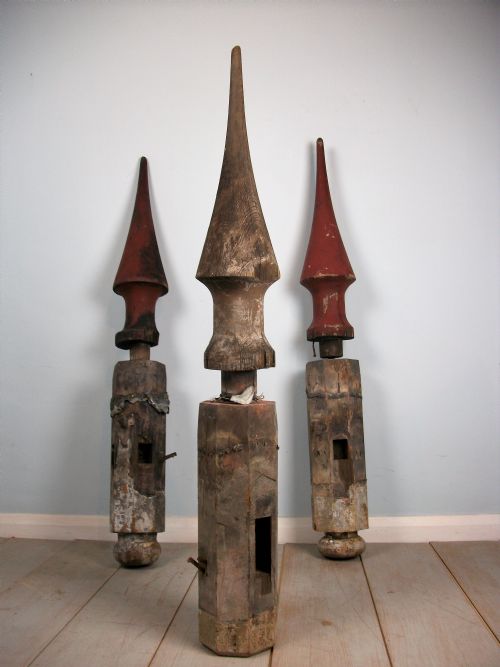
- An architectural ornament marking the highest point of a spire, gable, or canopy. These wooden elements terminate vertical structures with carved detail.
- Pediment
- A triangular or curved architectural crown placed above doors, windows, or mantelpieces. Salvaged examples often display elaborate relief carving and gilding.
Carved Wooden Architectural Elements: Frequently Asked Questions
How do I hang heavy architectural carvings?
Heavy wooden carvings require secure wall fixings anchored directly into structural studs or masonry backing. Many pieces feature integrated iron brackets or historical mounting points that must be assessed for weight distribution.
Professional installation is recommended for large walnut lion heads, capitals, and architectural panels to ensure the timber remains stable against the wall.
Are these elements suitable for outdoor display?
These historical wooden elements are intended primarily for interior display where temperature and humidity remain stable. Historic timbers like oak, walnut, and pine react poorly to sustained moisture and frost.
Placing salvaged architectural fragments outdoors accelerates wood rot, degrades gesso or leaf finishes, and compromises centuries-old carved details.
How should I clean antique carved wood?
Dust carved wooden architectural elements gently using a dry, soft-bristled brush or a lint-free cloth. Avoid chemical polishes, modern detergents, or excessive water that can strip historic patinas or soften ancient timber.
Wax can be applied sparingly to unpainted hardwoods to nourish the grain, provided the finish is compatible with the historical surface.
How can I tell the period of a carving?
Dating relies on identifying stylistic markers such as seventeenth-century Jacobean strapwork, eighteenth-century Baroque asymmetry, or nineteenth-century Gothic Revival tracery. Tool marks left by hand chisels also help distinguish historic hand-carving from later machine-made reproductions.
Material choice provides further clues, as earlier pieces frequently utilise dense native oak or walnut before exotic hardwoods became common in later centuries.