
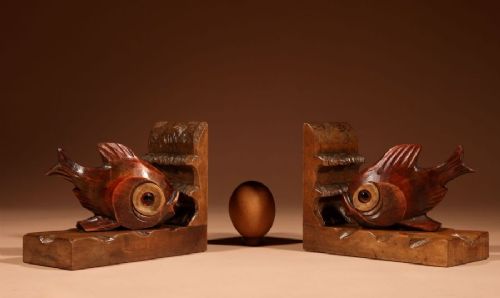
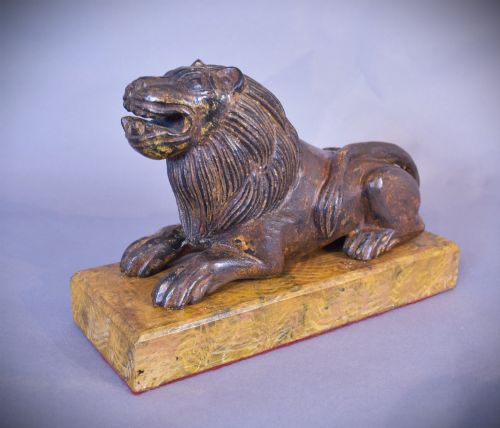
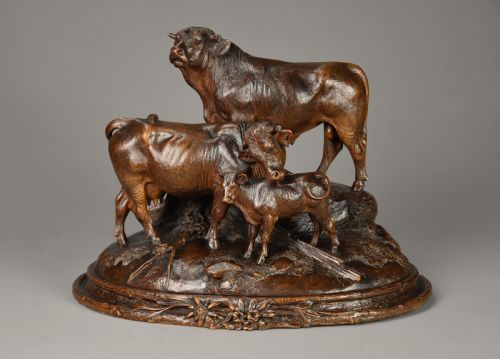
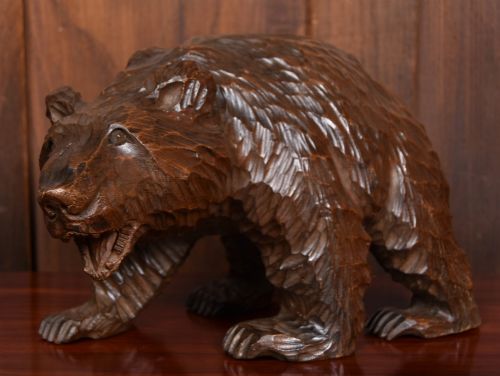
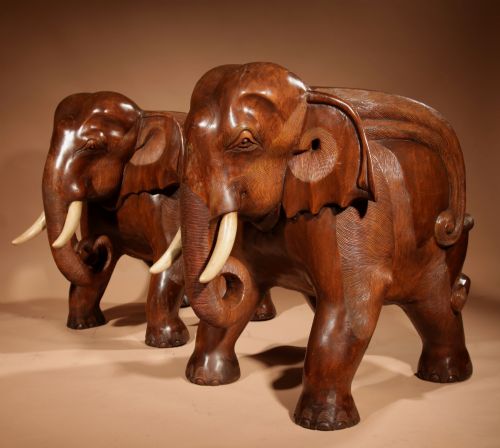
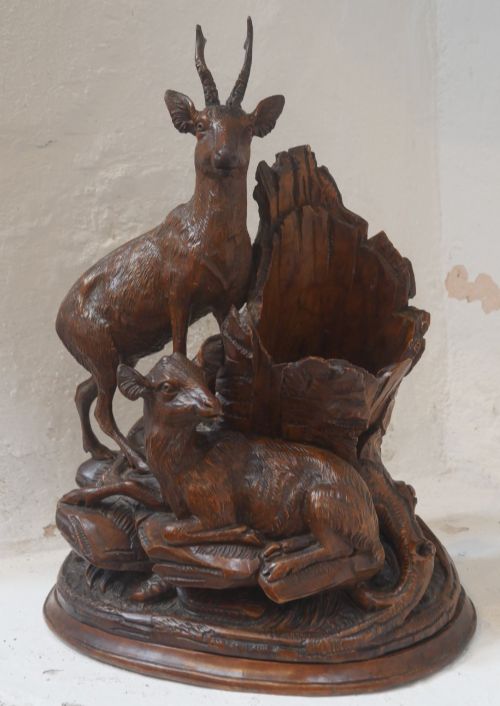
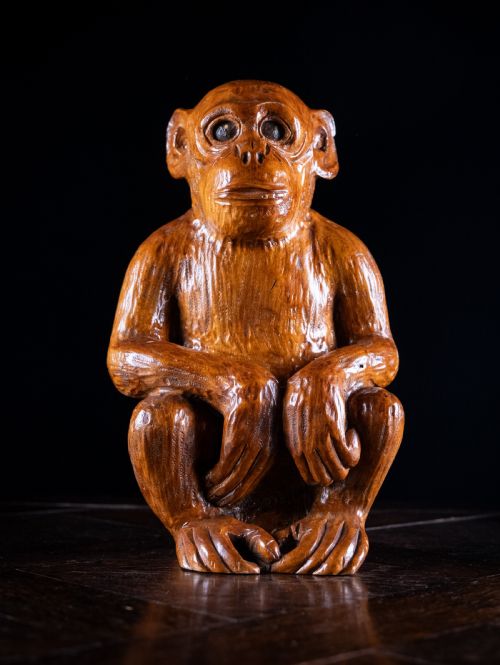
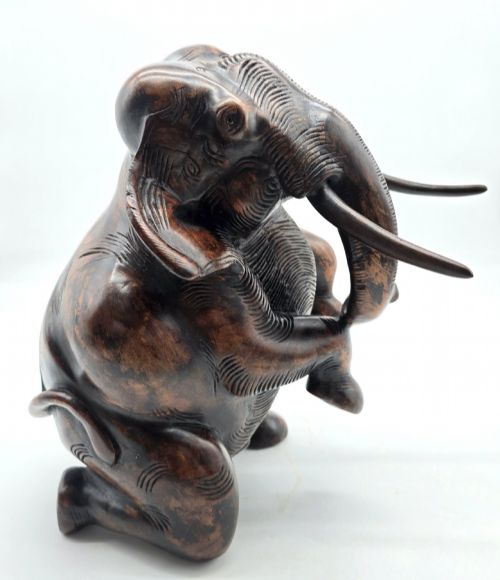
Carved Wooden Animal
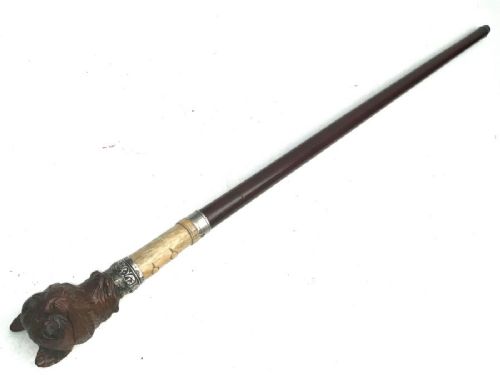
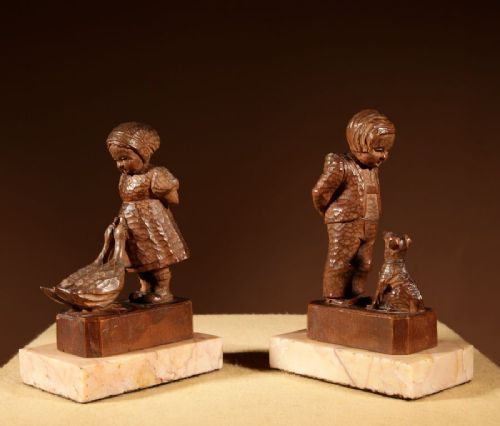
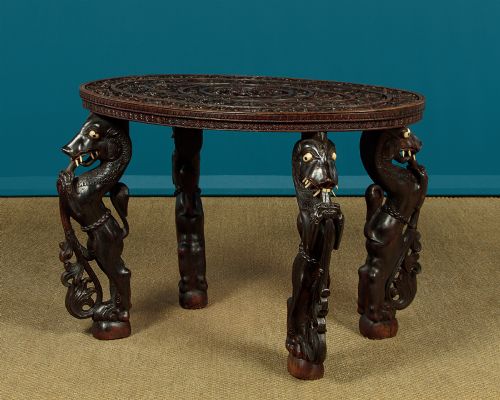
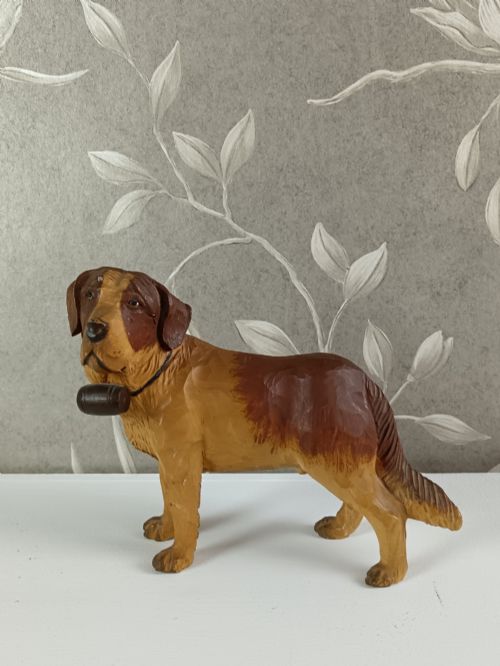
These pieces of carved wooden animal sculpture range from nineteenth-century Black Forest bears to naive folk art horses, offering tactile character for any room.

Carved Wooden Animal
A carved wooden animal encompasses sculptural forms, bookends, inkwells, and toys shaped from timber across the eighteenth, nineteenth, and twentieth centuries. Buyers searching for a carved wooden animal encounter regional European traditions alongside Asian and Anglo-Indian works.
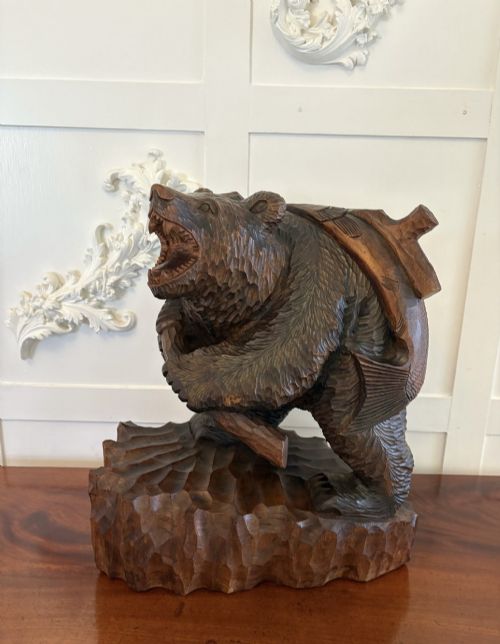
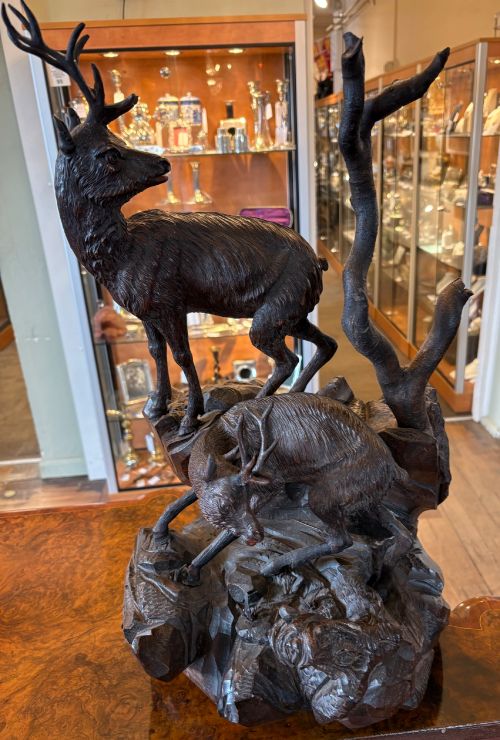
The Black Forest style dominates the selection, particularly representations of bears, deer, owls, and dogs executed in linden wood. Folk art examples also appear frequently, spanning naive British horses, French butcher shop displays, and Japanese carved bears.
How they were made
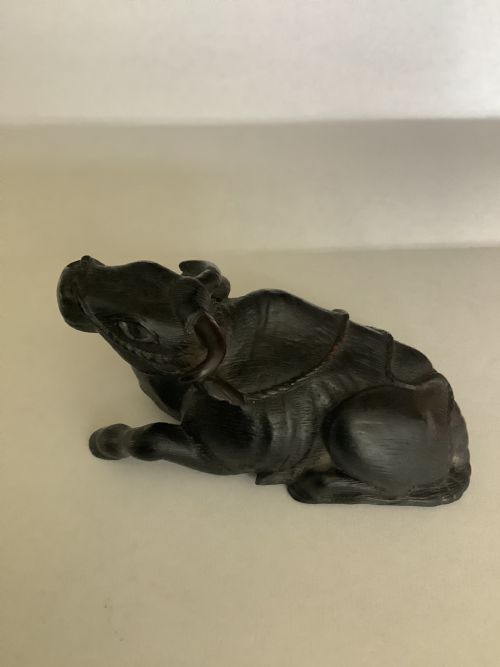
Maker utilisation of materials focuses primarily on wood, hardwood, linden wood, and occasionally ebony or teak, shaped through hand-carving techniques. Some pieces incorporate supplementary elements such as glass eyes, bone details, paint, or metal studs.
European and Asian carvers employed traditional chisels and gouges to render fur, muscle structure, and facial expressions in the solid timber. Certain items received surface treatments of paint, whilst others retain the natural grain of the polished hardwood.
The selection includes animal forms spanning the eighteenth, nineteenth, and twentieth centuries, originating from Europe, Asia, and India.
What varies in quality
Depth of relief and crispness of detail dictate the standard of execution, whether in the fine fur texture of a Swiss study or the simplified charm of a naive folk art toy. The preservation of original surface finishes and patination further distinguishes higher-grade examples.
J HUGGLER
The Carved Wooden Animal Glossary
- Black Forest
- A nineteenth-century Swiss and German carving tradition centred on animal subjects, particularly bears, executed in linden wood with high realism or whimsical humour.
- Linden wood
- A pale, fine-grained timber favoured by European carvers for its softness and uniform texture, which permits intricate detail without splitting.
- Folk art
- Utilitarian or decorative objects made by self-taught makers using traditional methods, often displaying a naive or unacademic aesthetic.
- Netsuke
- A small Japanese carved toggle, often depicting animals, traditionally used to secure a pouch or small container to a kimono sash.
- Kibori Kuma
- Japanese wooden carved bears originating from the Hokkaido region, frequently depicted carrying fish in their mouths.
Carved Wooden Animal: Frequently Asked Questions
How do I identify Black Forest carvings?
Black Forest carvings usually feature deep brown linden wood, realistic glass eyes, and subjects such as bears, deer, or owls. They often originate from Switzerland or Germany during the nineteenth or early twentieth century.
Many pieces serve a dual purpose as bookends, inkwells, or umbrella stands, combining naturalistic animal sculpture with functional domestic items.
What is folk art animal carving?
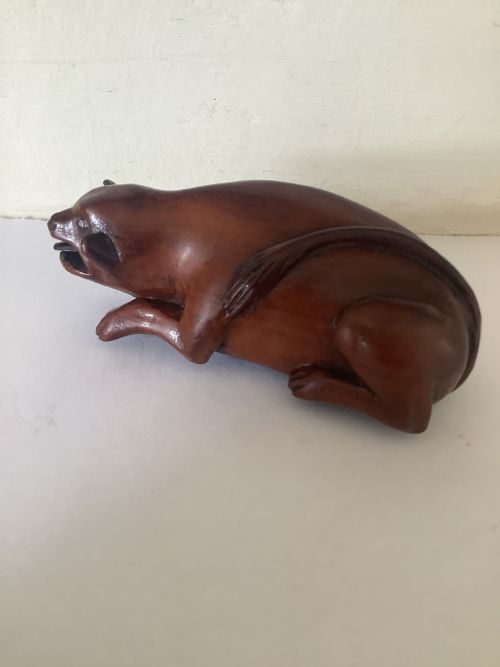
Folk art animal carvings are pieces made by non-professional artisans, often showing simplified proportions and naive charm rather than strict anatomical accuracy. These objects include painted wooden horses, cattle displays, and toys.
Such items frequently use whatever wood was locally available and may feature original surface paint or patinated bare timber.
How should I clean carved wood?
Dust carved wooden animals gently with a soft, dry brush to reach into crevices without damaging the surface. Avoid liquid cleaners, water, or modern furniture polishes, which can degrade old wax or paint.
Maintaining a stable indoor humidity prevents the timber from drying out, cracking, or warping over time.
Are these pieces signed by makers?
Most antique carved wooden animals are unsigned, as they were produced as regional souvenirs or folk items rather than high art. Exceptions include stamped workshop signatures on select Black Forest pieces or signed Japanese netsuke.
Maker attribution relies primarily on carving style, timber choice, regional characteristics, and traditional motifs associated with specific workshops.