
Carved Wood Wine Table
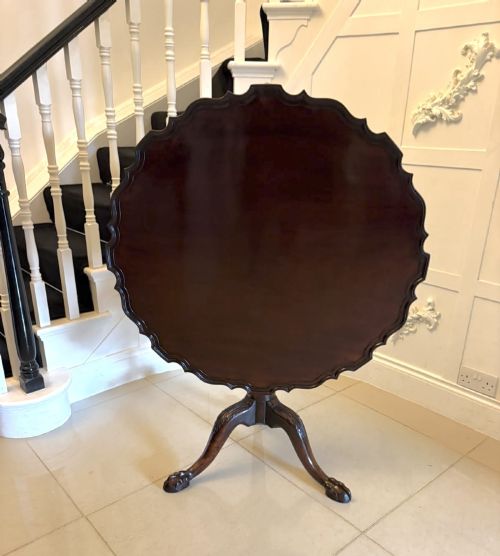
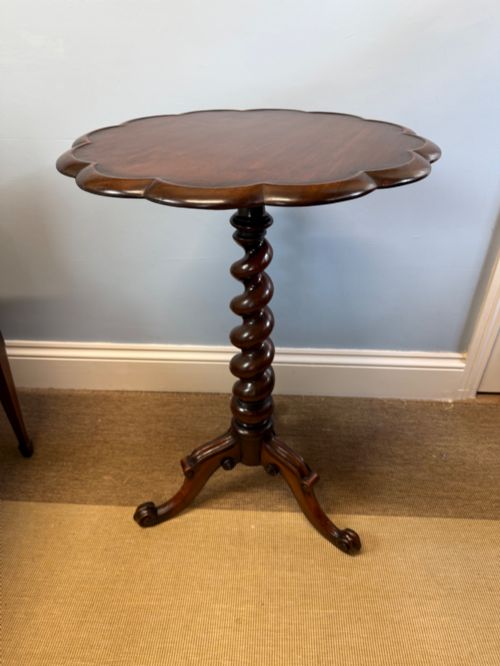
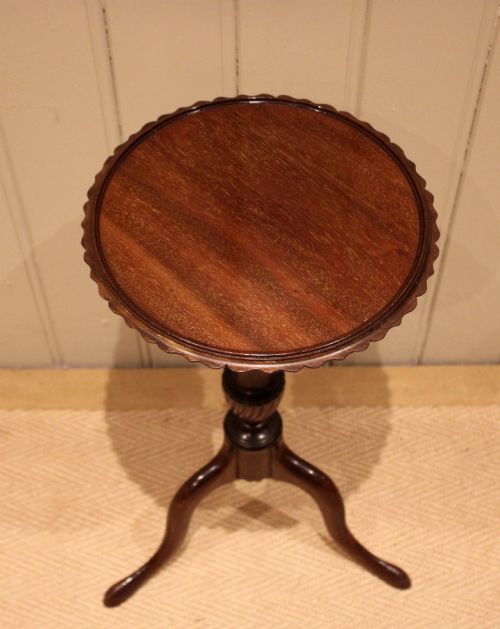
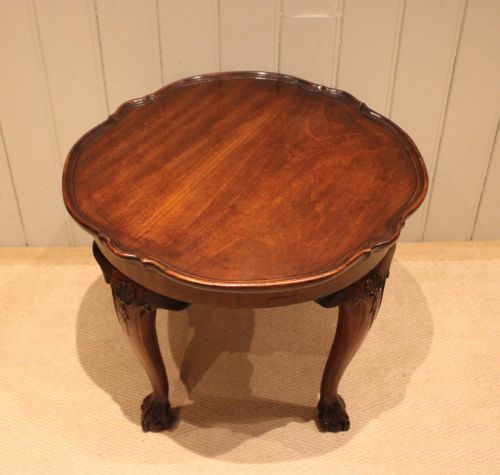
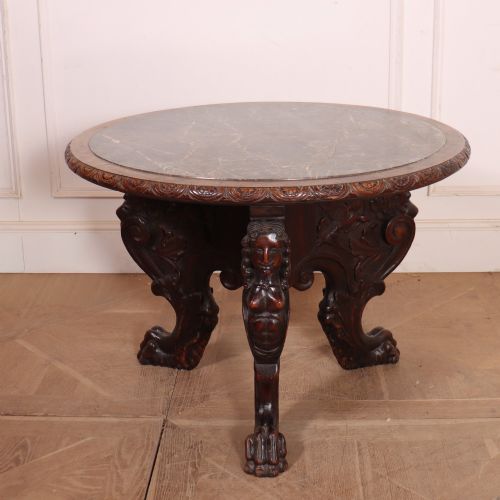
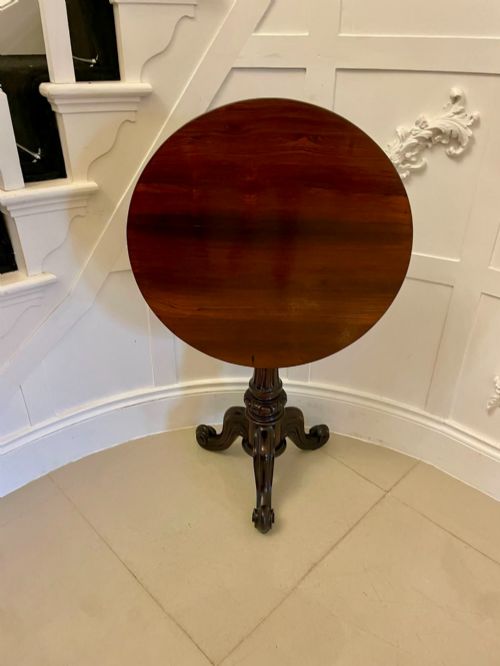
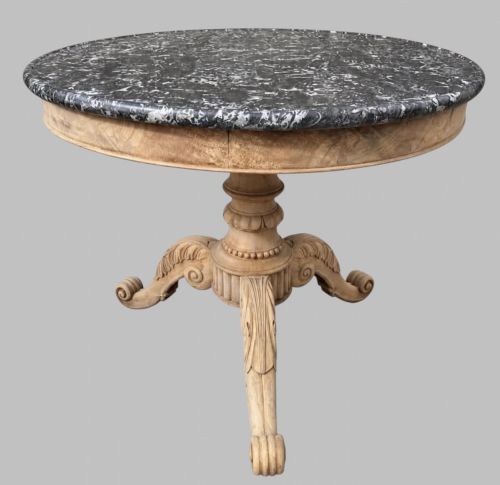
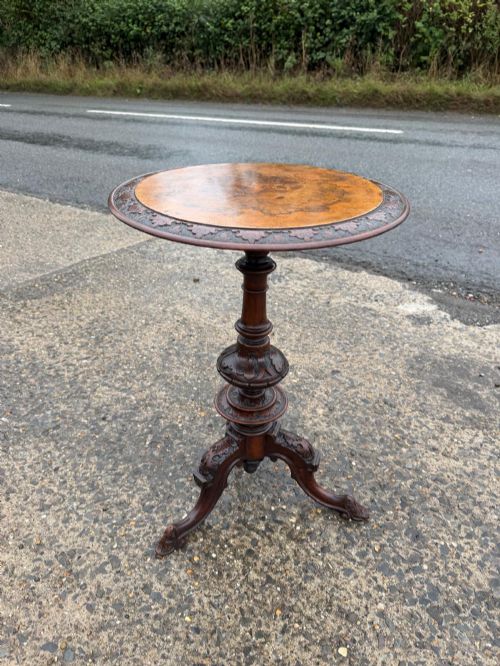
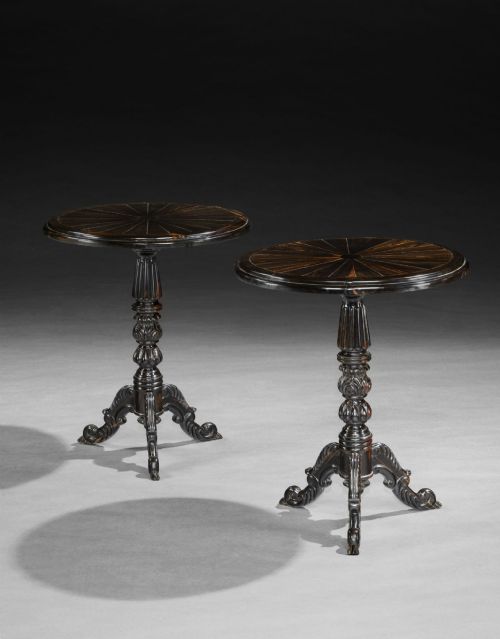
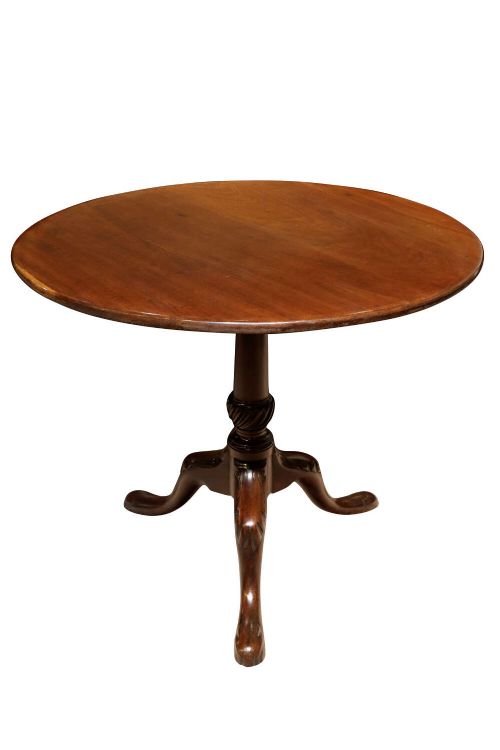
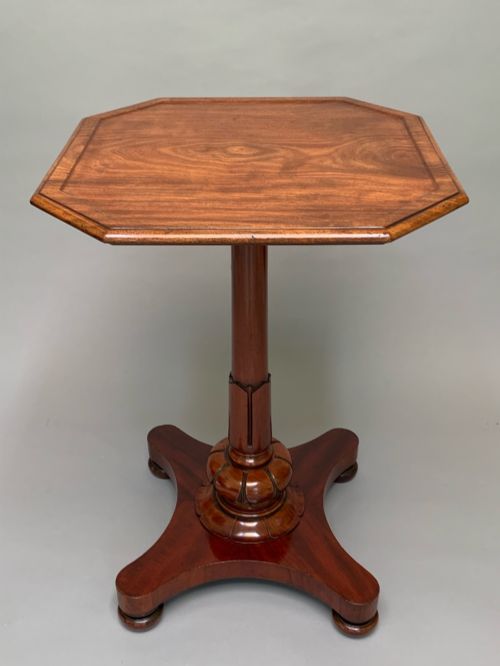
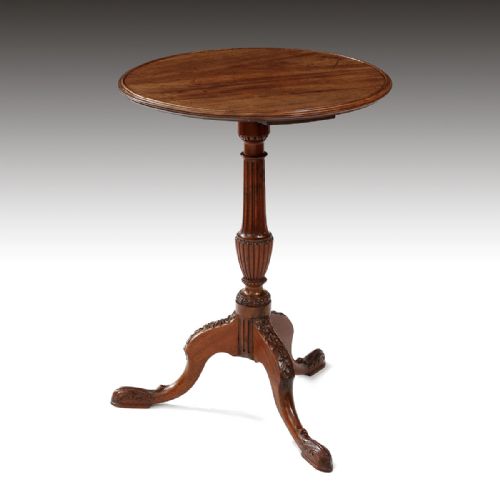
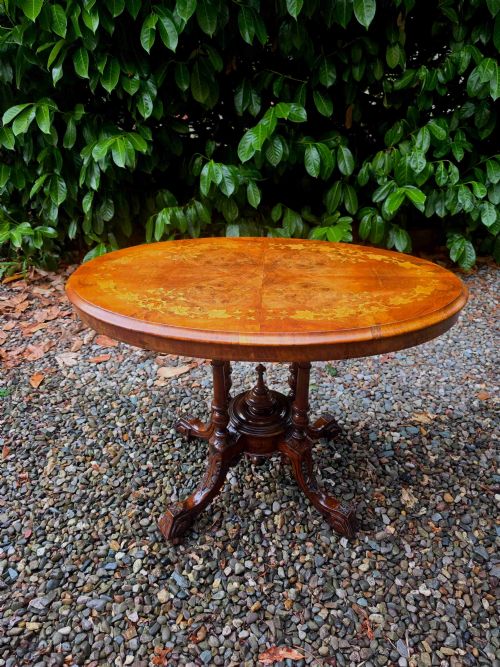
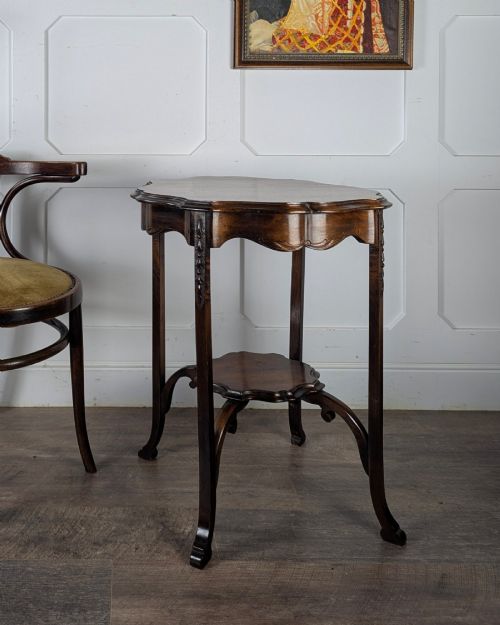
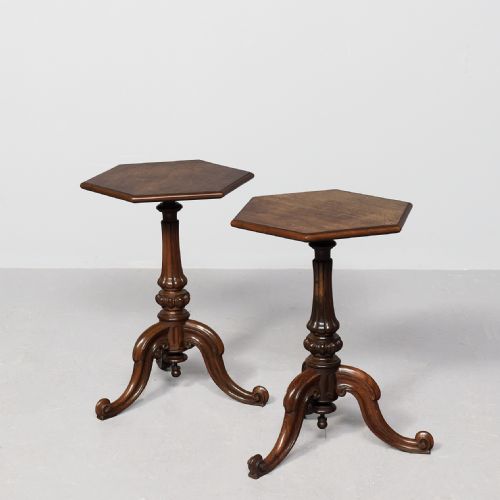
These carved wood wine table examples offer compact circular surfaces supported on tripod bases, combining functional display space with decorative timber carving.
Carved Wood Wine Table
A carved wood wine table typically manifests as a small pedestal or tripod stand designed to hold glasses or decorative items within domestic spaces. Buyers encountering this selection will frequently find 19th century and Victorian examples alongside Edwardian and Georgian pieces, often configured with tilt-top mechanisms or fixed circular tops.
The objects span diverse regional origins and stylistic influences, ranging from standard British mahogany forms to more ornate imported specimens. Alongside standard occasional and lamp tables, the category encompasses specific regional variants such as Anglo-Indian, Chinese Qing dynasty, and Ceylonese pieces.
Makers and workshops utilised various structural formats, including pedestals supported by three carved legs or column shafts resting on platform bases. These tables serve multiple roles in contemporary interiors, functioning beside armchairs or as standalone display pedestals in reception rooms.
Materials and Construction Techniques
Cabinet makers relied heavily on dense tropical hardwoods, constructing primary surfaces from mahogany, walnut, rosewood, and burr walnut veneer. These timbers provided the requisite stability for slender pedestal columns and allowed artisans to execute sharp details along moulded edges and shaped rims.
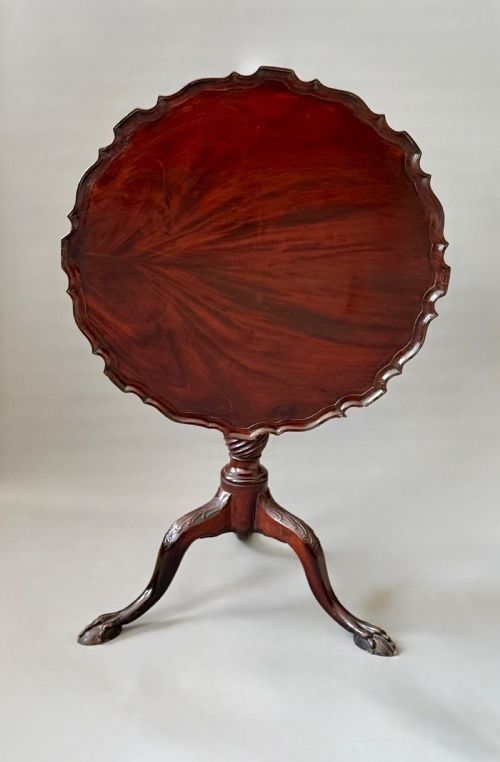
Carving techniques required skilled hand work to shape the cabriole legs, tripod bases, and pie crust or scalloped borders associated with higher status pieces. Joinery typically involved central turning for pedestals and precise tenon joints where legs met the central shaft, sometimes augmented by tilt-top hardware.
Among the tripod stands sit Black Forest linden wood tables and Ceylonese ebony pieces carved by distant hands.
Distinctions in Quality and Execution
Quality rests upon the crispness of the timber carving and the selection of figured wood veneers, such as burr walnut or richly grained rosewood. Superior examples display deeply undercut foliage and balanced proportions across the tripod base without awkward joins or replacement sections.
Construction integrity separates standard utility tables from workshop pieces attributed to prominent makers like Gillows or Shapland and Petter. The weight of the timber, stability of the central column mechanism, and precision of joint work dictate the overall standard of survival.
Gillow·Shapland and Petter
The Carved Wood Wine Table Glossary
- Tripod table
- A small stand supported by three legs radiating from a central pillar. This format gained widespread popularity during the 18th century for its stability on uneven floors.
- Tilt-top
- A hinged table top that rotates into a vertical position when not in use. This mechanism allowed furniture to stand flat against a wall to save floor space.
- Pie crust edge
- A raised, carved moulding around the perimeter of a circular table top resembling pastry work. It required meticulous hand shaping from solid timber.
- Gueridon
- A small ornamental stand or occasional table derived from 17th-century French designs. The term frequently applies to continental European pedestal tables.
- Burr walnut
- Timber taken from the abnormal growth of a walnut tree, yielding complex swirling grain patterns. Cabinet makers prized this material for decorative veneering on prominent surfaces.
Carved Wood Wine Table: Frequently Asked Questions
What is a wine table used for?
These small stands were historically positioned beside seating to hold glasses, bottles, or lamps during social gatherings.
Today they function effectively as compact display surfaces for ornaments or as mobile lamp stands in sitting rooms.
How do I identify a tilt-top table?
Look underneath the circular surface for a catch mechanism or block hinge that allows the top to pivot flat.
This functional feature enabled owners to store the furniture neatly against room boundaries when floor space was required.
What woods were used for these tables?
Cabinet makers predominantly selected dense hardwoods such as mahogany, walnut, and rosewood for their durability and grain pattern.
More decorative examples incorporate burr walnut veneers or specialised timbers like linden wood and ebony.
How do I date a carved table?
Dating relies on stylistic markers such as Chippendale revival carving, Victorian burr veneers, or Edwardian proportions.
Construction methods and timber selection also provide strong indicators of the manufacturing decade.