




Carved Wood Wall Moulding
Carved wood wall moulding brings architectural depth and rich texture to an interior through panels, friezes, and frames shaped by hand.
Carved Wood Wall Moulding
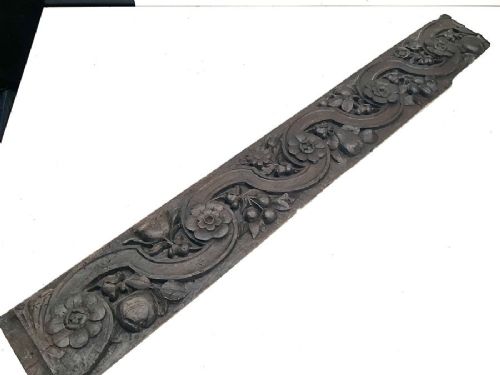
Carved wood wall moulding encompasses architectural salvage, friezes, and panels designed to adorn interiors with historical character. Pieces span from the seventeenth century through the Victorian era, reflecting varied decorative ambitions.
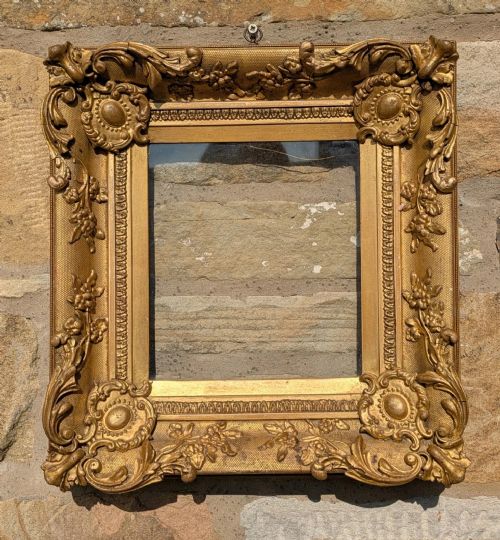
The selection here most frequently includes carved wooden panels, architectural friezes, and ornate frames rather than linear strip mouldings alone. These items carry the physical weight of past interiors, shaped in oak, walnut, and composition materials.
How they were made
Artisans carved directly into dense hardwoods like oak and walnut using chisels and gouges to achieve crisp, deep relief work. Softer woods or built-up forms often relied on gesso applied over a wooden base to hold finer sculptural details.
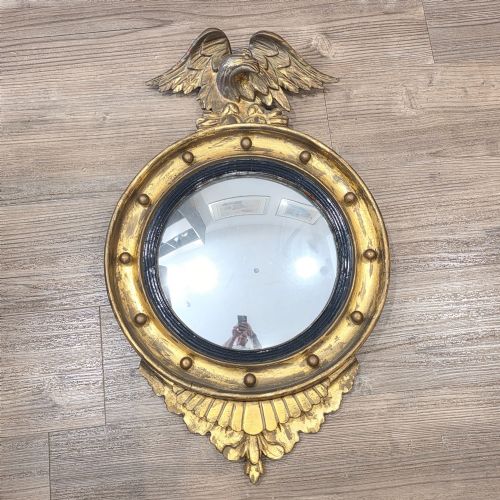
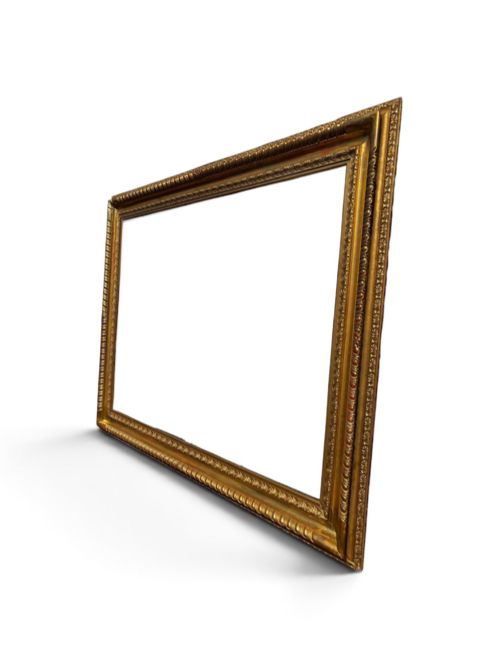
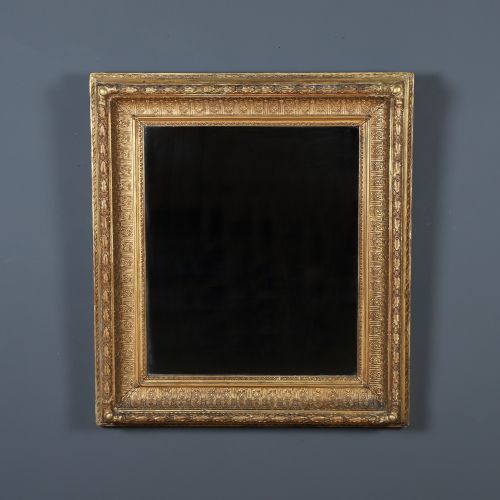
Gilding techniques involved laying gold leaf over bole and gesso layers, creating a luminous finish that catches ambient light. Ebonised finishes and composition mouldings offered alternative textures favoured during the nineteenth century.
An enormous gingerbread mould featuring a man on horseback proves that carving skills once served the bakery just as well as the drawing room.
What varies in quality
Depth of carving and sharpness of detail distinguish superior examples from simpler production work. Hand-carved elements display subtle irregularities and confident tool marks that mechanical replication misses.
The preservation of original gilding and surface finishes significantly affects the character of a piece. Later overpainting or loss of composition ornament alters the visual integrity of the surface.
The Carved Wood Wall Moulding Glossary
- Gesso
- A plaster-like mixture applied to wood surfaces as a smooth base for gilding or painting. It allows intricate relief details to be moulded before finishing.
- Giltwood
- Timber coated with gold leaf over a prepared ground. This technique adds warmth and brilliance to architectural frames and mirrors.
- Frieze
- A decorative horizontal band on a wall or architectural element, often carved with figures, foliage, or geometric patterns. It provides a focal point within a room.
- Architectural salvage
- Building elements rescued from older structures for reuse or display. These pieces preserve historical craftsmanship and design.
Carved Wood Wall Moulding: Frequently Asked Questions
How do I hang a heavy carved panel?
Heavy carved wooden panels and architectural fragments require secure fixing directly into wall studs or masonry using appropriate metal brackets. Distributing the weight prevents strain on the ancient wood.
Consult a professional installer if the piece lacks integrated hanging hardware to ensure it remains safely anchored to the wall.
Can these mouldings be used outside?
These historical wooden mouldings and panels are intended strictly for indoor environments where temperature and humidity remain stable. Moisture and frost will rapidly degrade exposed wood, gesso, and gold leaf.
Keeping them inside protects the delicate carved details from swelling, warping, and irreversible structural damage.
What periods do these pieces represent?
The pieces span several centuries, including seventeenth-century Tudor work, eighteenth-century elements, and nineteenth-century Victorian revivals. Each period brings distinct carving styles and material combinations.
Recognising the era involves looking at the depth of the relief, the type of timber used, and the secondary finishes applied to the surface.