

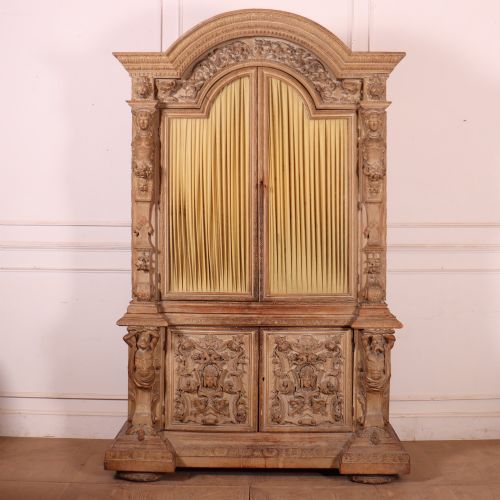
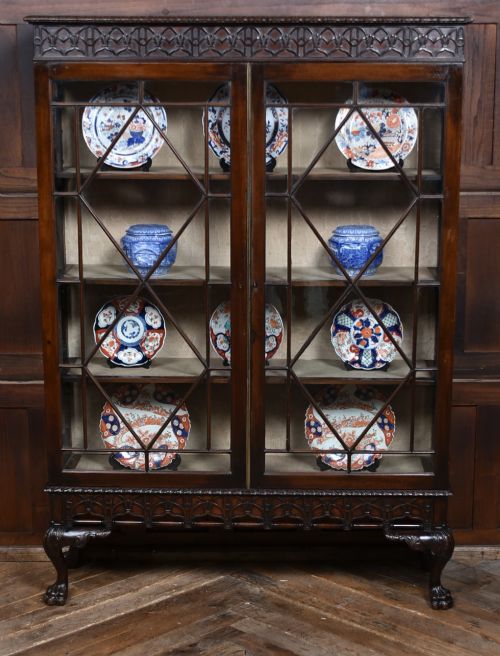
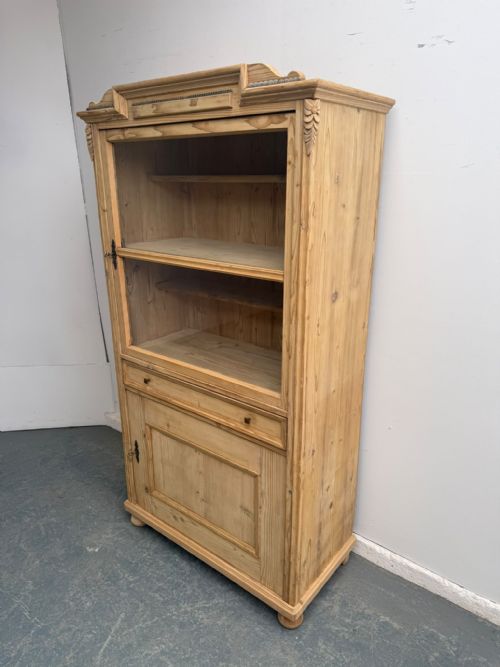

Carved Wood Vitrine
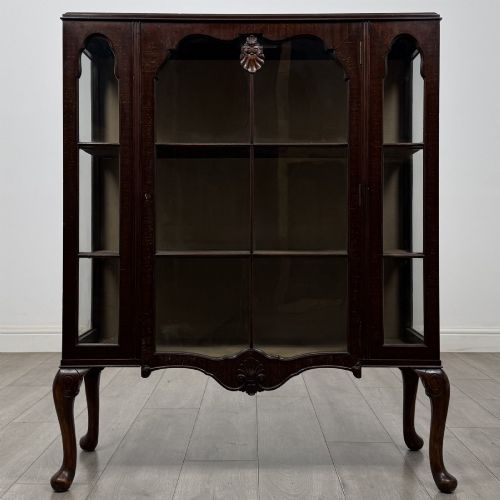
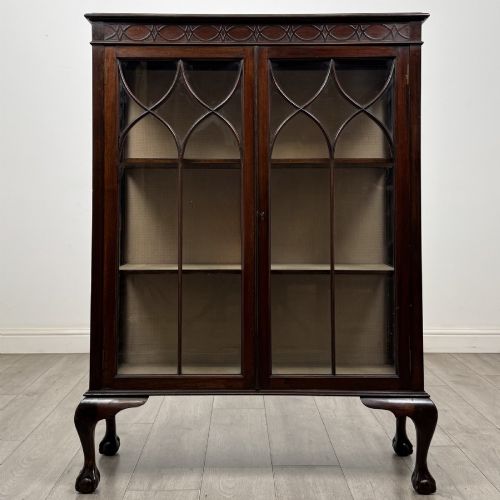
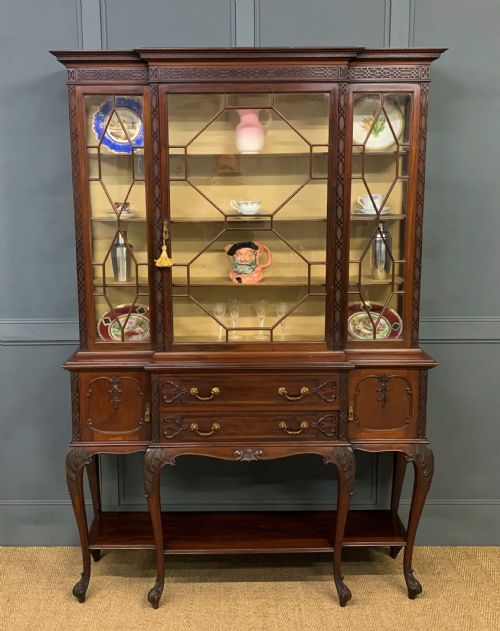
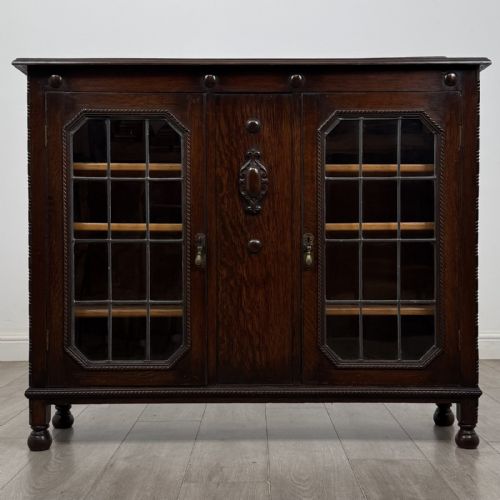
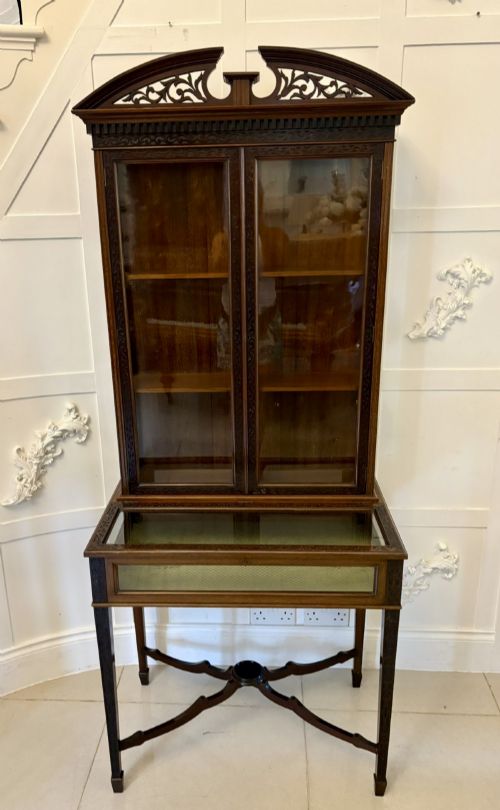
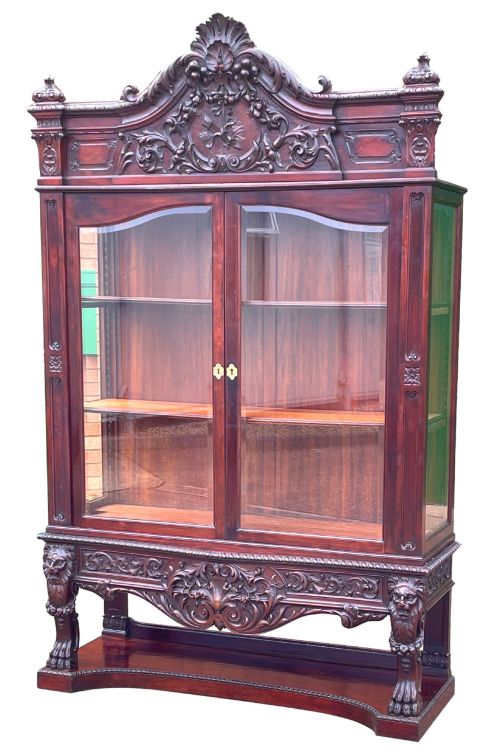
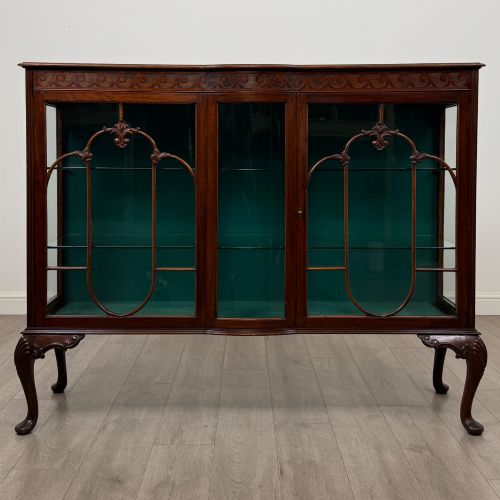
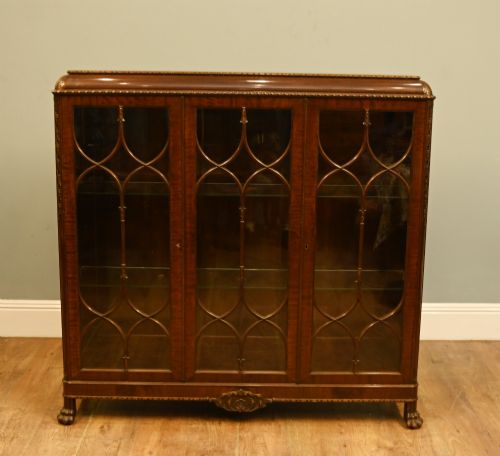
A carved wood vitrine is a glazed display cabinet designed to protect and showcase precious objects, bringing historical elegance into a modern room.
Carved Wood Vitrine
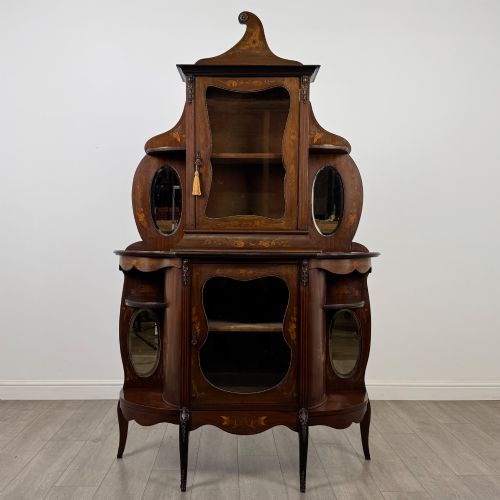
A carved wood vitrine is a glazed cabinet intended for the exhibition of delicate objects, drawing on a lineage that spans from the eighteenth century through the Victorian and Edwardian eras. When searching for this phrase, a buyer encounters pieces originating from Britain, France, Italy, and beyond, reflecting various regional tastes.
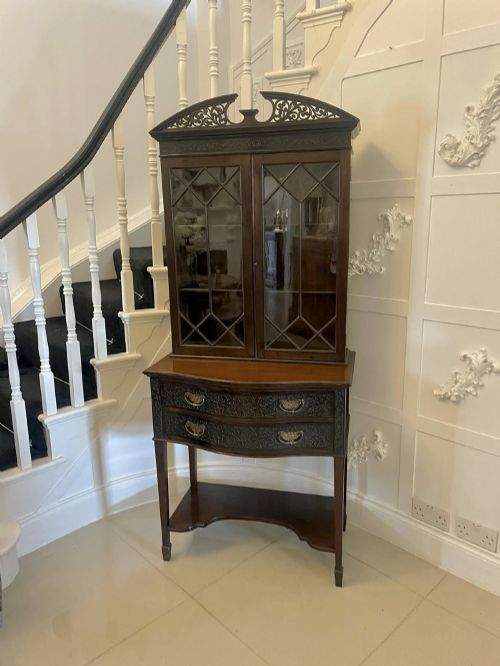
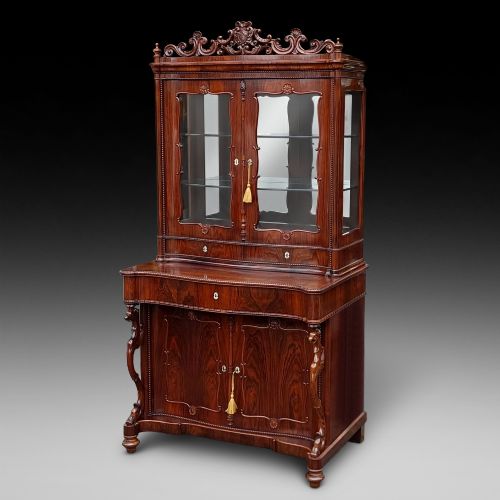
The versions most commonly met on this page date from the nineteenth and early twentieth centuries. These range from substantial oak and mahogany bookcases with glazed doors to more decorative Continental giltwood or rosewood cabinets.
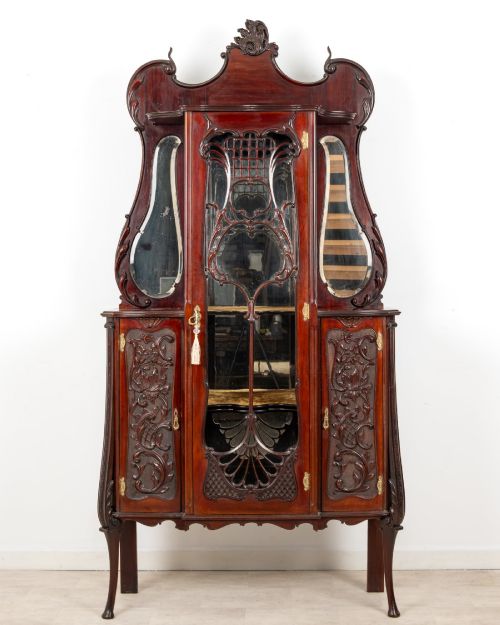
Makers and cabinetmakers produced these pieces in styles that draw heavily on historical revivals, including Chippendale, Rococo, Gothic, and Art Nouveau. This variety ensures that whether the requirement is for a wall-hanging vitreen or a floor-standing display case, the form adapts to diverse interiors.
Materials and Techniques
Makers constructed these cabinets using dense timbers such as mahogany, oak, walnut, and rosewood, often enhanced by intricate hand carving or subtle inlay. Glass panels, sometimes curved or glazed on the sides, are fitted into wooden frames to maximise light exposure for the contents.
Surface treatments vary from polished wax finishes on pine and mahogany to gilded details on Continental giltwood and painted finishes on decorative pieces. Brass hardware frequently secures the doors, while internal mirrored backs serve to amplify the display.
Construction techniques combine traditional cabinetmaking joinery with decorative elements specific to revival styles, such as barley twist columns or applied giltwood ornamentation.
Carved Wood Vitrine Retail Price Guide 2026
Typical asking prices for carved wood vitrine among the pieces listed under this phrase on Sellingantiques today, from the lower quarter to the upper quarter. They describe what is for sale here now, not the wider market.
Some Edwardian cabinets double as cocktail chests, keeping spirits safely displayed behind glass.
Judging Quality
The distinction between standard commercial pieces and the finest examples rests on the crispness of the hand carving and the selection of timber veneers, such as burr walnut or figured mahogany. Superior cabinets display meticulous joinery where doors close flush and glass is properly secured without crude modern adhesives.
Design ambition also separates the ordinary from the exceptional, as seen in pieces incorporating curved bow fronts, glazed sides, or integrated mirrored backs. Maker attribution, such as work originating from established firms like Waring & Gillow, elevates the standing of a piece within the market.
Waring & Gillow
The Carved Wood Vitrine Glossary
- Vitrine
- A glass-fronted cabinet designed for displaying fine objects and porcelain. The term derives from the French word for glass.
- Giltwood
- Timber that has been coated with a thin layer of gold leaf or gold paint. This technique was frequently utilised on decorative Continental cabinets to create a luxurious appearance.
- Bijouterie
- A specialised display cabinet with a glass top, originally intended for small valuable items and jewellery. These often sit at a convenient height for viewing objects from above.
- Chinoiserie
- European decorative style incorporating Chinese artistic motifs and lacquerwork. It appears on cabinets through painted or carved scenes of Asian landscapes.
Carved Wood Vitrine: Frequently Asked Questions
What is a vitrine used for?
A vitrine functions primarily as a display cabinet to exhibit porcelain, glassware, and small collectibles while protecting them from dust. The glazed panels allow light to enter from multiple angles.
Historically, these cabinets allowed owners to curate and display their prized possessions in principal rooms. Today, they serve a similar purpose in modern homes.
How do I date a carved wood vitrine?
Dating a vitrine involves examining the timber species, construction methods, and prevailing style characteristics. Pieces from the eighteenth century differ significantly in structural joinery from Edwardian or Victorian revivals.
Makers often left clues through hardware, secondary woods used in internal shelving, and the specific revival movement influencing the carved ornamentation.
Are all vitrines freestanding?
While many examples stand on the floor as large cabinets or commode bases, alternative formats exist. The records show wall-hanging models designed to save floor space while providing glazed display storage.
Some pieces also combine functions, serving simultaneously as bookcases, drinks cabinets, or small side chests.
What wood types are most common?
Mahogany, oak, walnut, and rosewood appear frequently across these listings. Cabinetmakers favoured these timbers for their durability and ability to take fine carvings and polishes.
Continental pieces occasionally utilise giltwood or fruitwoods, while pine serves as the structural base for pieces intended to be painted or waxed.