
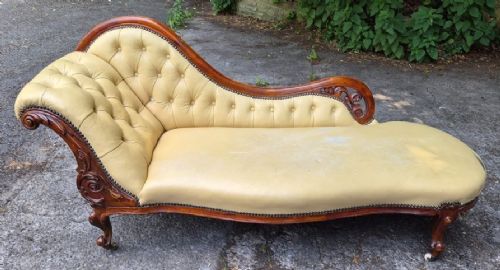


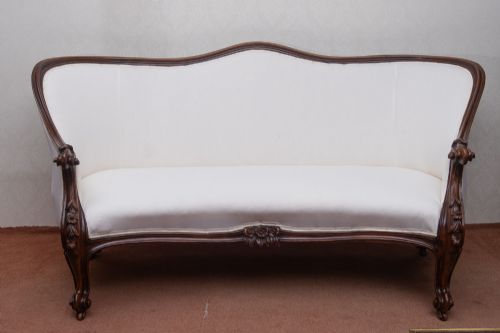


Carved Wood Rococo Couch
These carved wood rococo couch examples bring exuberant curves and organic ornamentation straight from period drawing rooms into modern interiors.
Carved Wood Rococo Couch
A carved wood rococo couch encompasses fluid settee, sofa, and chaise longue forms that draw directly on historical revival styles. You will encounter pieces spanning the nineteenth century, including Victorian interpretations and French Louis XV designs.
Makers shaped these seating forms using mahogany, walnut, rosewood, and giltwood. The physical evidence shows distinct regional variations, ranging from English country house production to French and German workshops.
Materials and construction methods
The structural framework relies on dense hardwoods such as mahogany and walnut, alongside gilded wood surfaces. Carvers executed asymmetrical scrollwork, floral motifs, and shell details by hand directly into the timber.
Upholstery relies on traditional textile coverings, including tapestry fabrics and cane panels. Frames frequently combine exposed carved wooden rails with padded seating areas designed for formal reception rooms.
Recorded object types span settees, sofas, chaise longues, and double-end designs originating from English, French, and German makers.
Distinctions in craftsmanship
Quality rests in the crispness and depth of the timber carving. Superior examples display deeply undercut foliage and organic scrolls that flow naturally without stiffness.
The structural integrity of the frame and the retention of original gilding or polished wood finish determine the standing of each piece. Finer versions maintain harmonious proportions across complex serpentine rails and cabriole supports.
Morison And Co
The Carved Wood Rococo Couch Glossary
- Rococo Revival
- An artistic movement reviving the asymmetrical scrolls, C-curves, and shell motifs of the eighteenth-century French style during the nineteenth century. This aesthetic defines the curved frames and ornamental carvings found on these seats.
- Chaise Longue
- An elongated upholstered chair designed for reclining, featuring a backrest and partial arm support. Listings often include this form alongside traditional settees and sofas.
- Giltwood
- Timber treated with gold leaf or metallic paint to create a brilliant decorative surface. It appears frequently on formal French and English nineteenth-century frames.
- Cane
- Woven plant material utilised for seating panels and backrests. It provides a lighter texture that contrasts against solid carved wooden rails.
- Settee
- A medium-sized upholstered bench with a back and arms intended for multiple sitters. These forms form the majority of the current inventory.
Carved Wood Rococo Couch: Frequently Asked Questions
How do I date a rococo couch?
Dating relies on timber choice, construction joints, and stylistic markers recorded in the specific listing. Nineteenth-century interpretations often blend Victorian upholstery methods with earlier revival aesthetics.
Examining the underside and the crispness of the carved wood helps separate mid-century production from later Victorian variations.
Where were these couches used?
These seating forms belonged in formal drawing rooms, parlours, and country house reception spaces. Their decorative carving was intended to impress visitors during social gatherings.
Today, they function as statement seating within living spaces or bedrooms, retaining their traditional decorative purpose.
Are these sofas comfortable?
Comfort depends on the original internal padding and modern restoration work. Many pieces feature deep upholstered seating designed for upright or semi-reclined sitting.
Chaise longues offer extended legroom, while standard settees provide structured back support suited to formal rooms.
What is the difference between a settee and a couch?
Historical terminology often overlaps between settees, sofas, and couches. A settee generally describes an upholstered bench with a back and arms for two or more people.
Listings use these terms interchangeably for nineteenth-century seating built with exposed carved wooden frames.