
Carved Wood Relief
Carved wood relief pieces bring tactile depth and historic narrative into a room, spanning architectural salvage to intimate wall plaques.
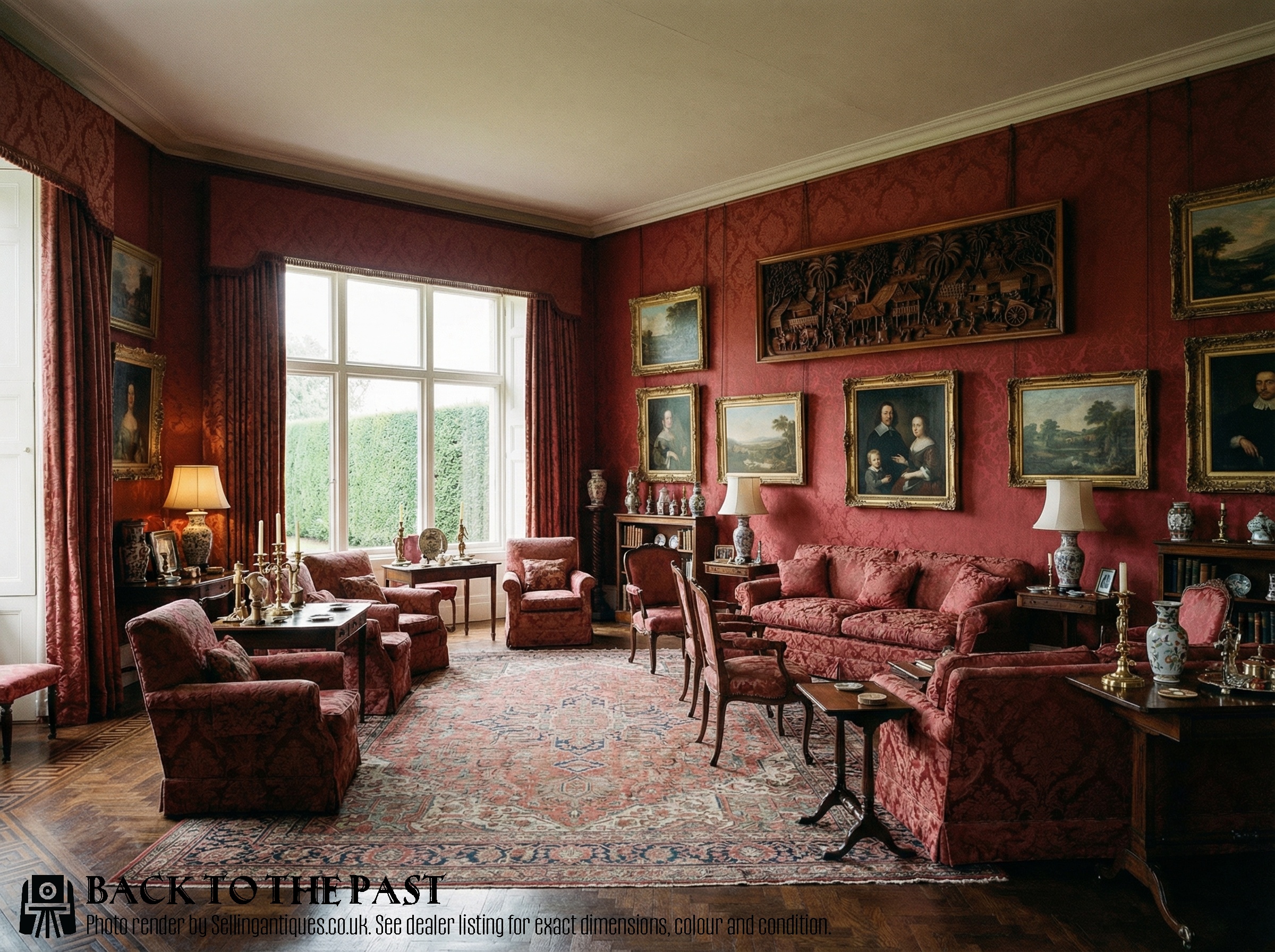
Carved Wood Relief
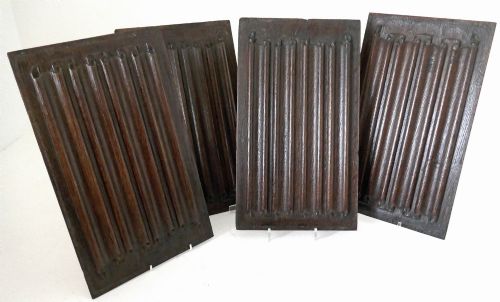
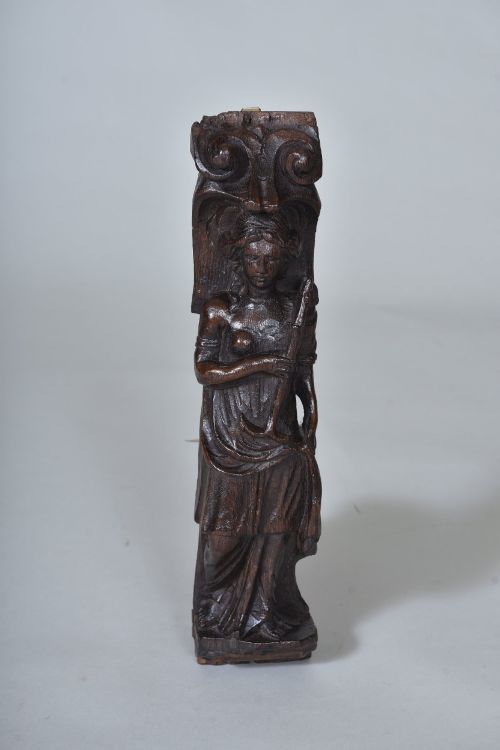
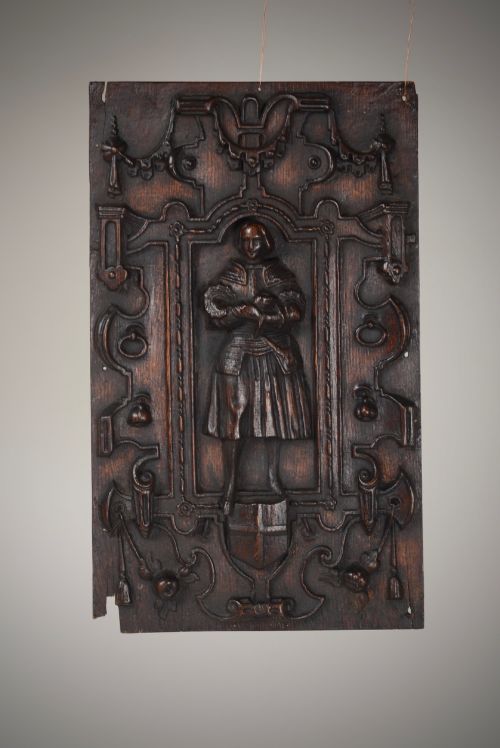
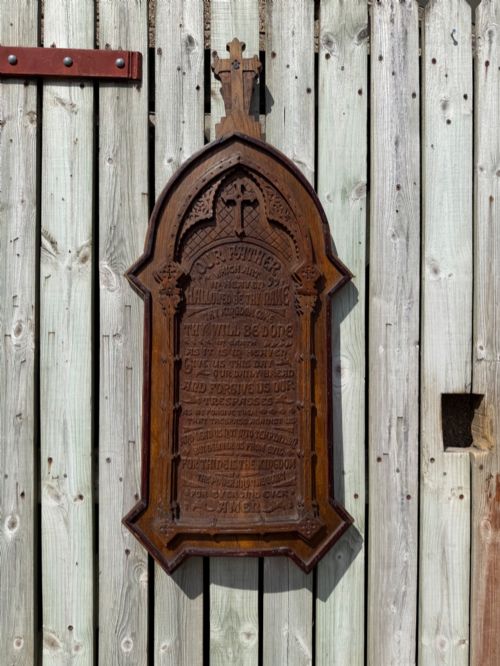
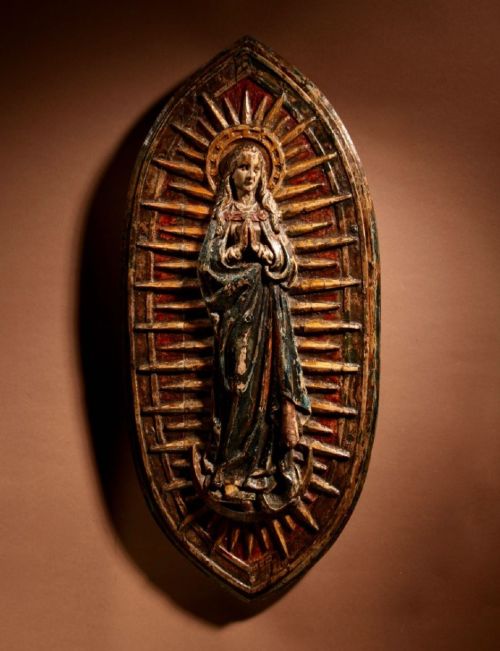
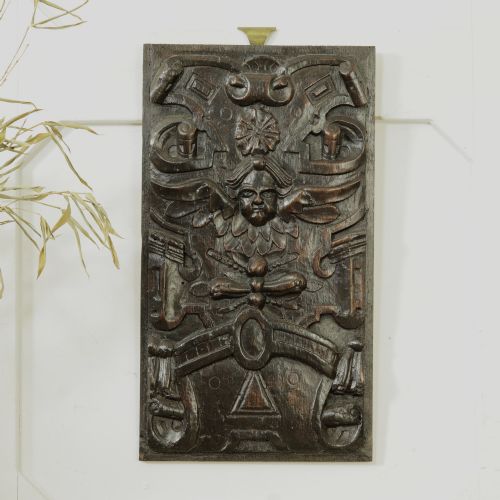
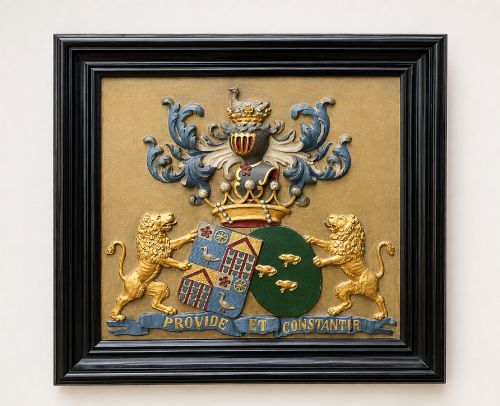
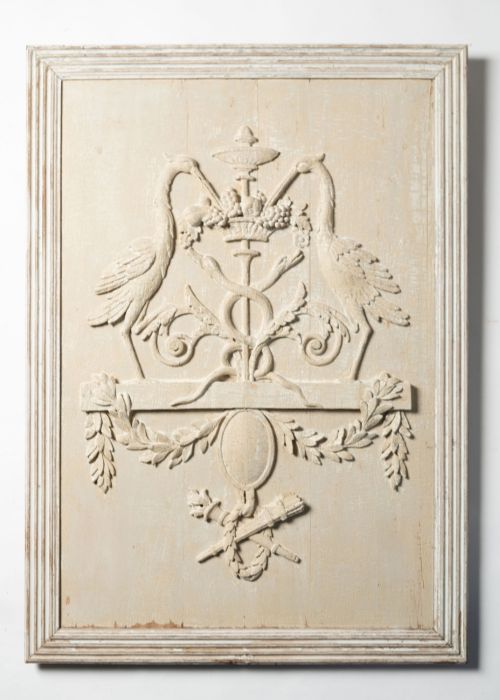
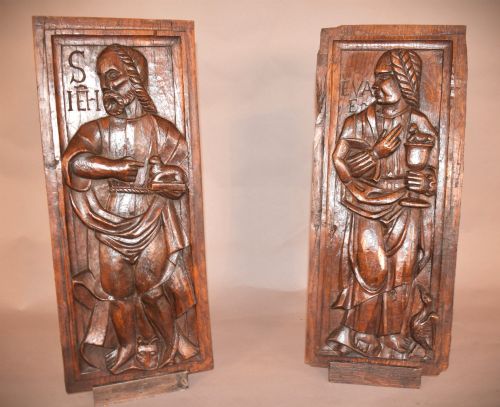
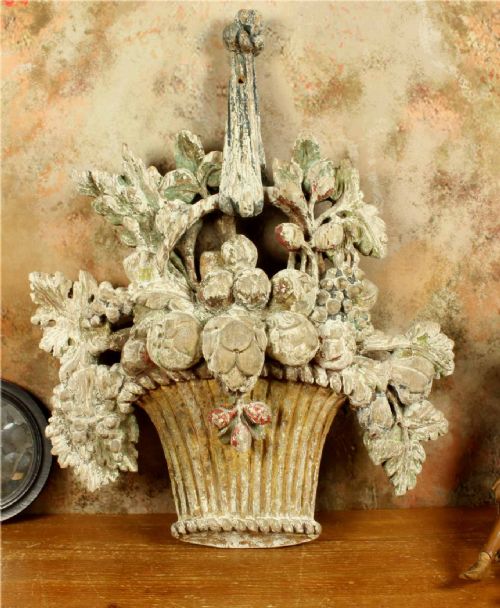
A carved wood relief presents figures and patterns raised from a flat background, functioning primarily as architectural salvage, wall panels, or decorative plaques. The selection ranges from early sixteenth-century linenfold panels and medieval altarpiece fragments to nineteenth-century heraldic plaques and floral wall art.
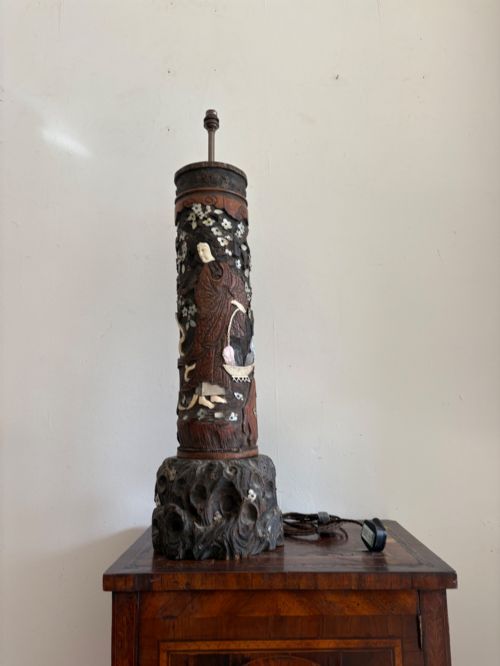
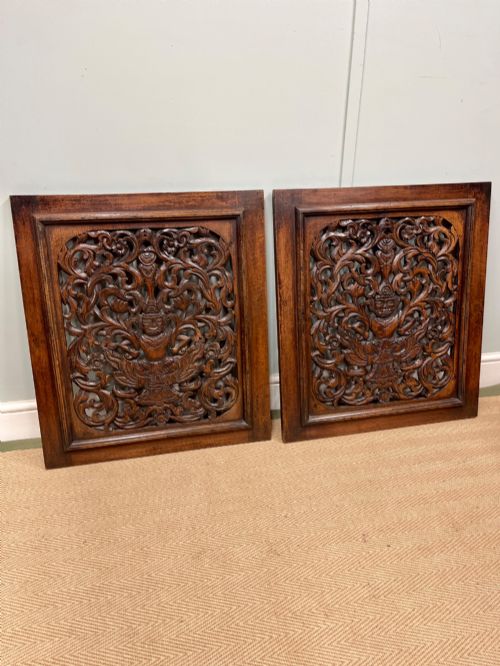
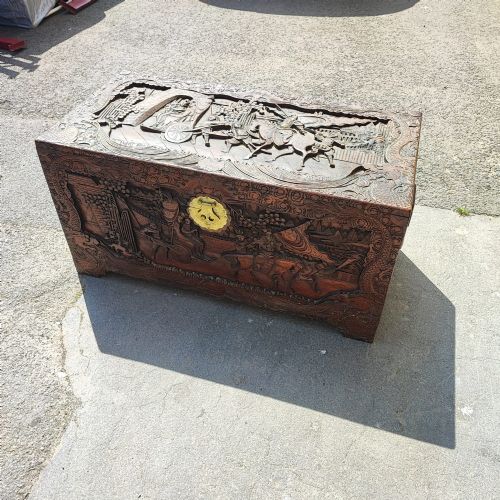
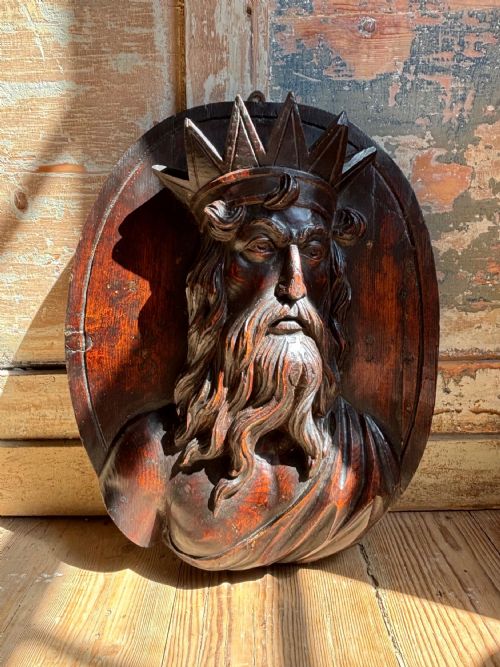
Buyers commonly encounter seventeenth-century oak panels and nineteenth-century decorative carvings depicting religious scenes, heraldry, or natural motifs. These objects originate from diverse traditions, including English Tudor work, continental European studios, and Asian hardwood carving.
The format varies from small devotional panels and furniture insets to large overmantles and architectural fragments rescued from historic buildings. Each piece records the sculptural tastes and technical abilities of its period, whether Gothic, Renaissance, Baroque, or Gothic Revival.
Materials and methods
Carpenters and sculptors utilised domestic timbers such as oak, walnut, chestnut, lime-wood, and fruitwood alongside imported hardwoods like camphor. These woods were chosen for their grain structure and ability to hold fine detail under chisel and gouge.
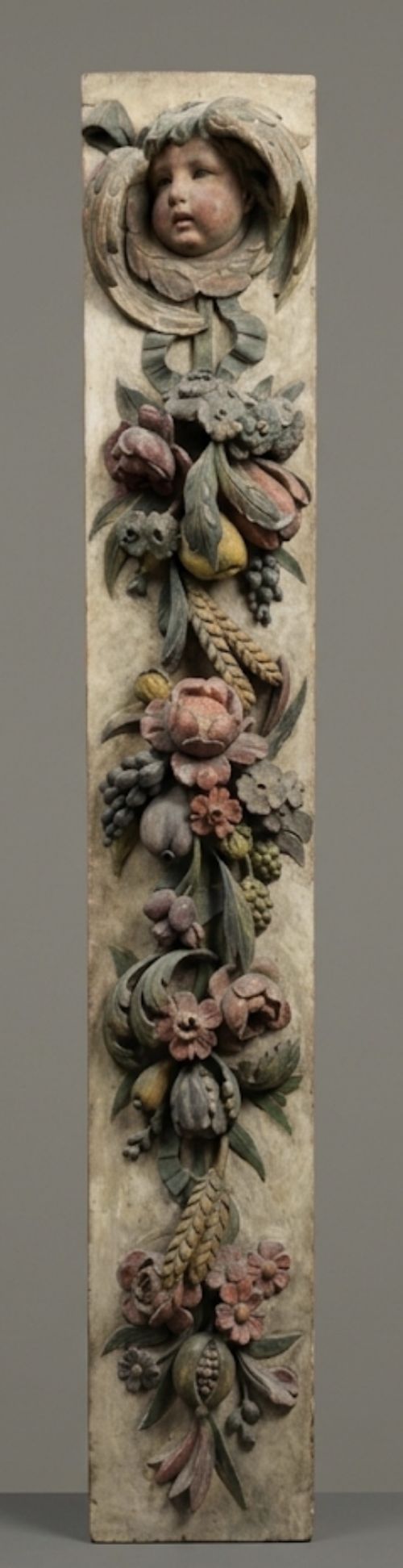
Surface finishes applied to the carved wood relief include gold leaf, gesso, polychrome paint, and lacquer, which added colour and protected the material. Many pieces rely entirely on the natural tone and patina of the aged timber, developed through centuries of handling and exposure.
Carved Wood Relief Retail Price Guide 2026
Typical asking prices for carved wood relief among the pieces listed under this phrase on Sellingantiques today, from the lower quarter to the upper quarter. They describe what is for sale here now, not the wider market.
Assessing quality and execution
Material selection and preservation also dictate the standing of a piece, with dense, stable timbers retaining sharper chisel marks over centuries. Intricate details like pierced diaper work, fine drapery folds, and original polychrome or gilt surfaces elevate the execution.
The Carved Wood Relief Glossary
- Relief
- A sculptural technique where elements remain attached to a solid background of the same material. High relief projects significantly from the plane, while low relief stays relatively flat.
- Linenfold
- A style of wood carving that mimics folded parchment or linen, popular on sixteenth-century panels. It gives plain surfaces a textured, rhythmic appearance.
- Polychrome
- The practice of decorating architectural elements, sculptures, or panels in a variety of colours. Pigments were traditionally bound in mediums like oil or tempera.
- Gesso
- A paint mixture consisting of a neutral binder mixed with chalk, gypsum, or pigment. It served as a smooth preparation base for gilding and paint on wood.
- Giltwood
- Wood that has been treated with a thin layer of gold leaf or gold dust. It reflects light and was favoured for ornamental panels and frames.
Carved Wood Relief: Frequently Asked Questions
How were carved wood panels used originally?
These panels were integrated into the interior architecture of churches, castles, and manor houses as wall linings, screenwork, and altarpieces. They provided insulation while displaying religious devotion, heraldry, or status through narrative imagery.
Over time, many of these architectural elements were salvaged from dismantled buildings and adapted into freestanding wall art, mirrors, or overmantles for domestic display.
How do I hang a heavy wood relief?
Heavy panels and architectural salvage require secure wall anchoring into studs or masonry rather than standard picture hooks. Using a French cleat system distributes the weight evenly across the top edge of the piece.
Ensure the timber is not subjected to direct heat sources or rapid humidity changes that could cause the old wood to warp or split.
How can I tell the age of a carved panel?
Dating relies on examining the tool marks left by hand chisels, the shrinkage patterns of the timber, and the style of the carving. Sixteenth and seventeenth-century pieces often show distinct adze or hand-plane marks on the reverse alongside traditional joinery.
Comparing the stylistic motifs, such as Gothic tracery or Renaissance strapwork, against established historical periods helps narrow down the century of production.
How should I clean antique carved wood?
Dust the carvings gently using a soft, dry brush to reach into the recesses without abrading the surface. Avoid liquid cleaners, modern polishes, or silicones that can penetrate the grain and darken or degrade the historic patina.
Keeping the piece in a stable environment with moderate humidity preserves both the timber and any surviving gesso or paint layers.