



Carved Wood Planter Stand
A carved wood planter stand elevates greenery with architectural presence, turning ordinary pots into focal points of interior design.
Carved Wood Planter Stand
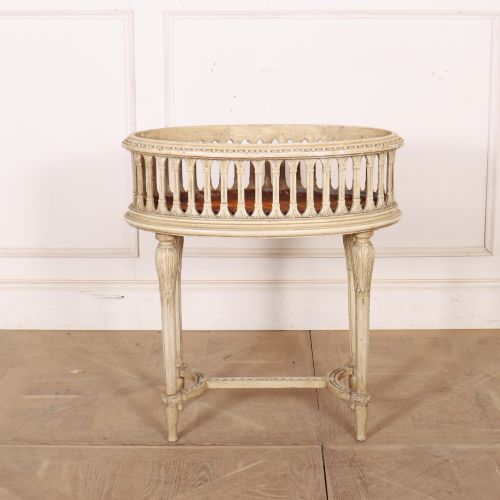
A carved wood planter stand bridges furniture and horticulture, serving as a dedicated stage for indoor flora across diverse historical periods. Pieces range from straightforward mahogany pedestals to elaborate Japanese and Chinese carved designs featuring intricate detailing.
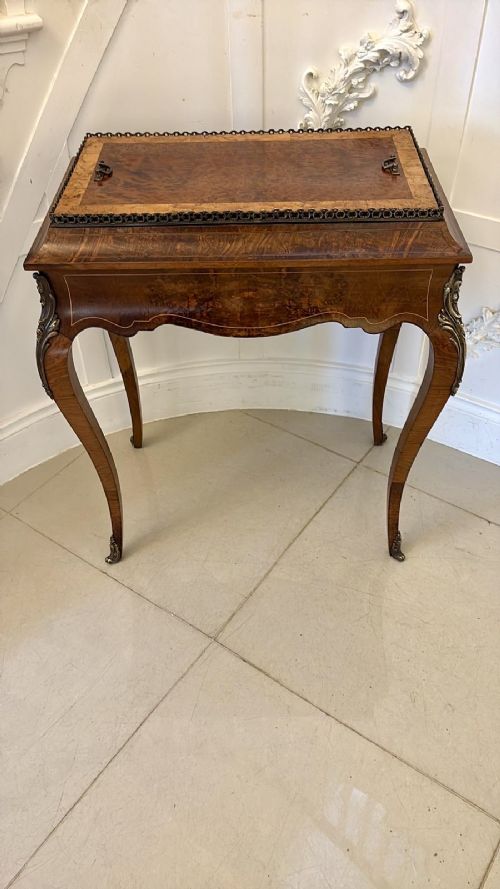
Victorian and Edwardian iterations dominate the selection, bringing substantial timber forms and occasional exotic flourishes into domestic spaces. Collectors encounter forms spanning simple torchere tables, low bonsai displays, and multi-tiered stands designed to support heavy jardinieres.
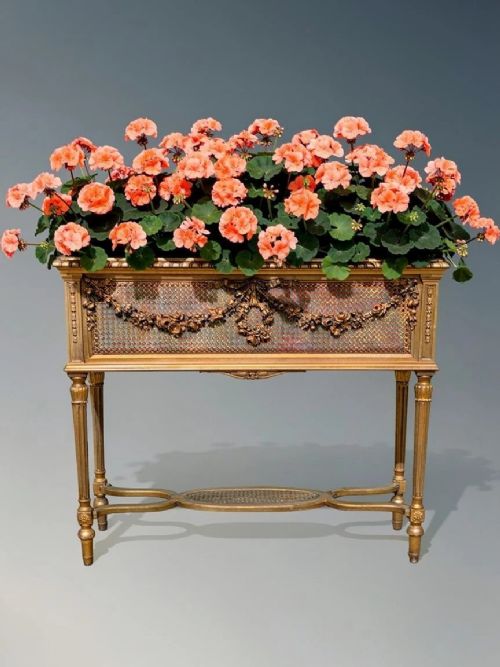
Asian export items and European revival styles sit side by side, reflecting global influences on nineteenth and early twentieth-century interior decor. The search phrase encompasses everything from utilitarian tree trunk sections to refined rosewood and giltwood display furniture.
Materials and construction methods
Hardwoods such as mahogany, walnut, and rosewood form the structural core of these pieces, selected for their density and load-bearing capacity. Artisans employed traditional joinery techniques alongside detailed hand carving to achieve sculptural forms like barley twists and animal motifs.
Surface treatments vary widely from ebonised finishes and original paint to clear polish that highlights natural wood grain. Occasional integration of brass, cane, and giltwood introduces contrasting textures to the primary timber framework.
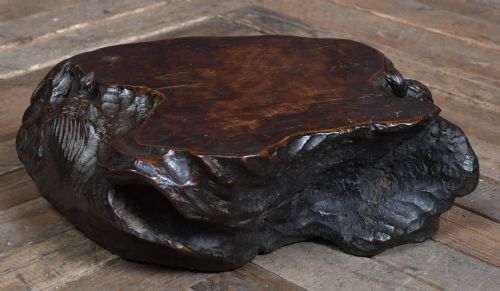
Among the selection, a carved wooden turtle stands ready to display miniature trees without ever swimming away.
Assessing craftsmanship and construction
Quality rests primarily in the crispness of the hand carving and the structural integrity of the timber joints under weight. Superior examples display balanced proportions, deep relief work, and refined turning, whereas simpler pieces rely on basic lathe work and minimal ornamentation.
Material selection significantly dictates value, with dense tropical hardwoods and complex multi-tiered assemblies commanding greater regard than standard pine or single-board constructions. Original surfaces left unstripped preserve historical character far better than heavy modern refinishing.
The Carved Wood Planter Stand Glossary
- Jardiniere
- An ornamental pot or stand for plants and flowers. It frequently sits atop a dedicated pedestal or forms an integrated table.
- Torchere
- A tall, slender stand originally designed to hold a torch or candle, later adapted for lamps and plant displays. These pieces typically feature a small top platform supported by a single central column.
- Ebonised
- Wood treated with a chemical stain or dark finish to imitate ebony. This technique was popular in nineteenth-century furniture to create striking contrast.
Carved Wood Planter Stand: Frequently Asked Questions
How do I use a planter stand safely indoors?
Ensure the top platform balances the weight of your pot and place a waterproof saucer beneath the plant to protect the historic timber from moisture damage.
Position the stand away from direct heat sources and radiators to prevent the wood from drying out and cracking over time.
What is the difference between a torchere and a jardiniere stand?
A torchere is generally taller and narrower, designed as a decorative column for a single pot or lamp, while a jardiniere stand often incorporates a wider bowl or a lower tier.
Torchere tables typically derive from European reception rooms, whereas lower stands frequently reflect Asian export traditions or domestic Victorian utility.
How do I date a carved wooden stand?
Examine the tool marks, timber species, and construction methods, comparing them against documented styles from the Victorian, Edwardian, and late nineteenth-century periods.
Patina, wear patterns around the base, and original surface treatments also provide reliable indicators of a piece's true age.