
Carved Wood Pedestal Stand
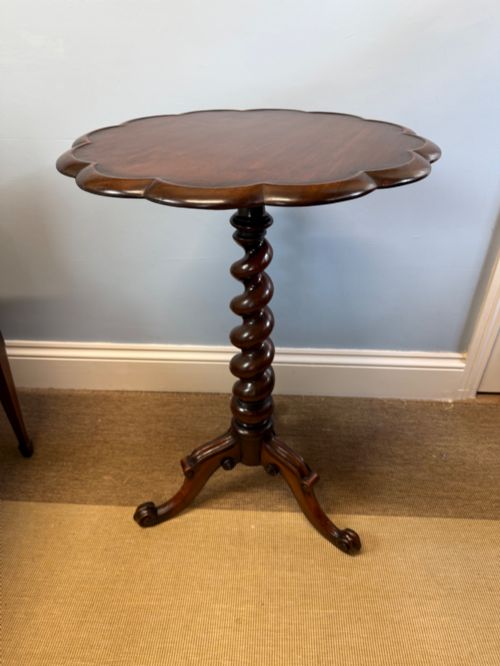
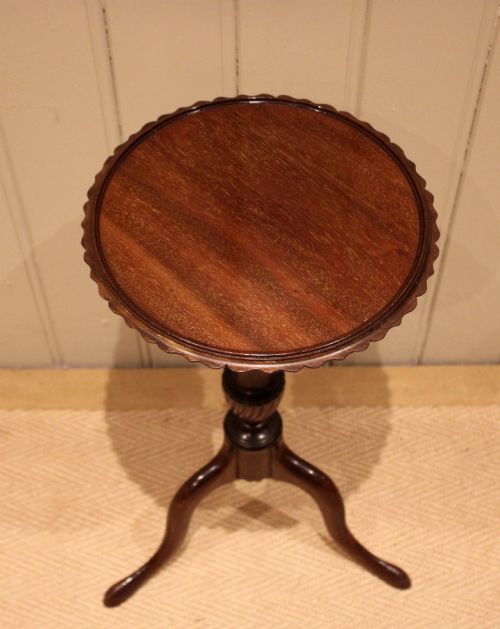
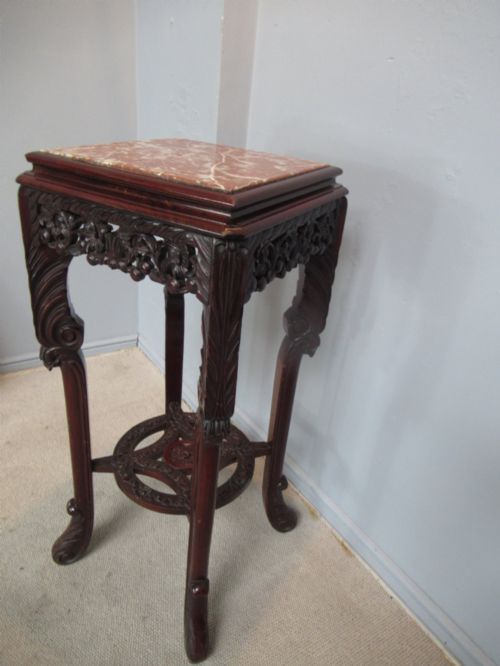
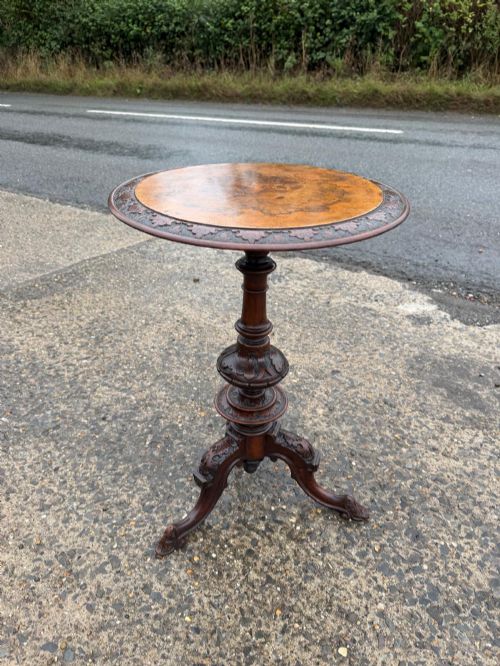
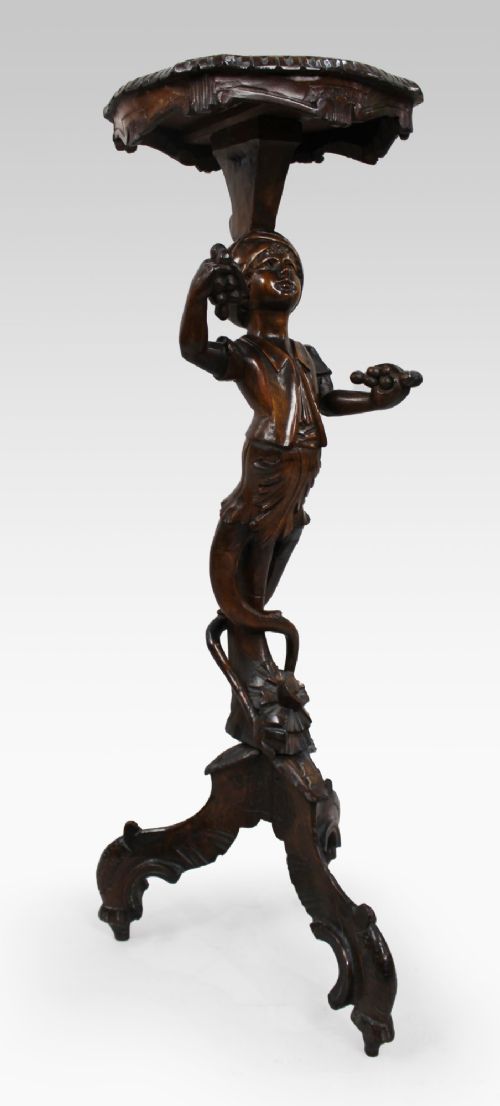
A carved wood pedestal stand elevates a lamp or plant, bringing sculptural form and architectural height to a room.
Carved Wood Pedestal Stand
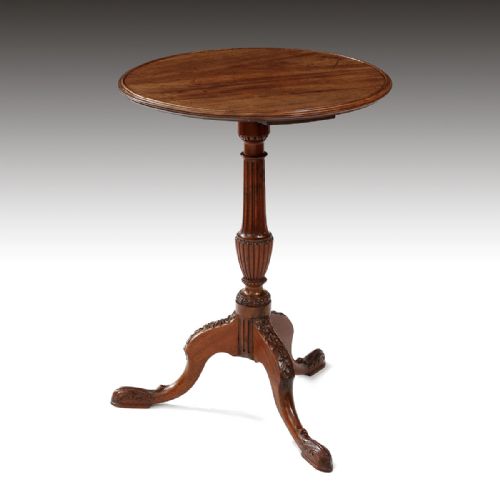
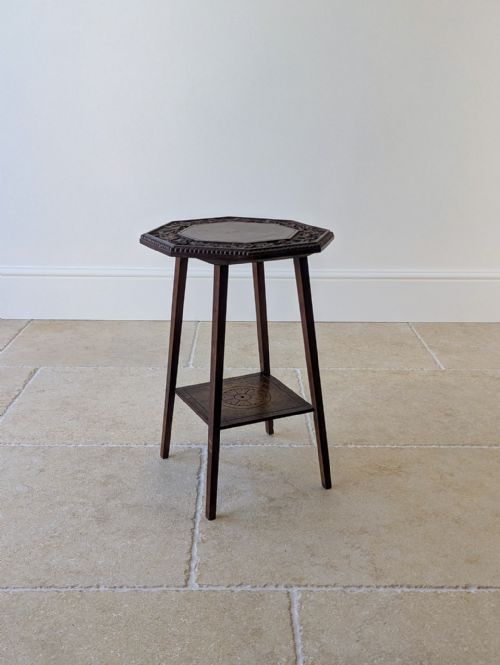
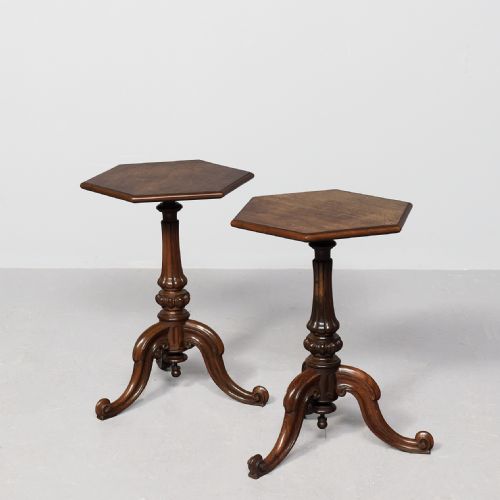
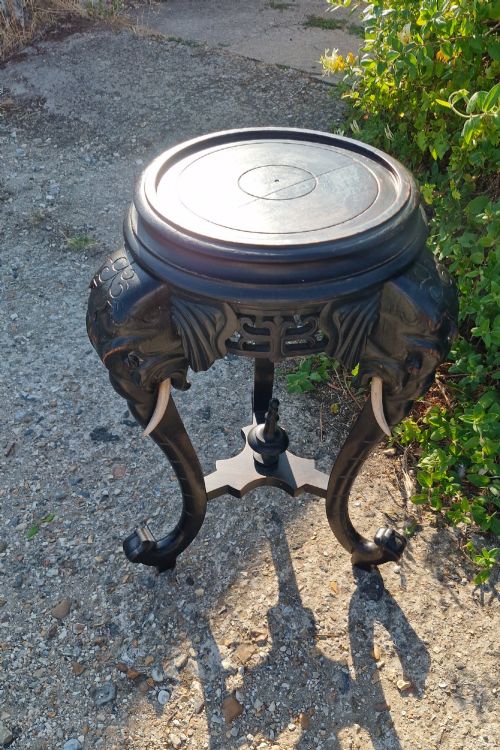
When you search for a carved wood pedestal stand, you encounter a variety of elevated supports designed to display objects, plants or lighting. The selection spans the nineteenth century through the Edwardian period, alongside Regency and William IV examples.
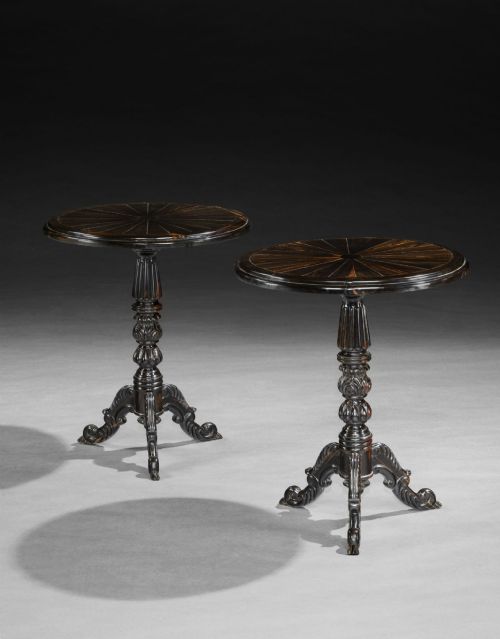
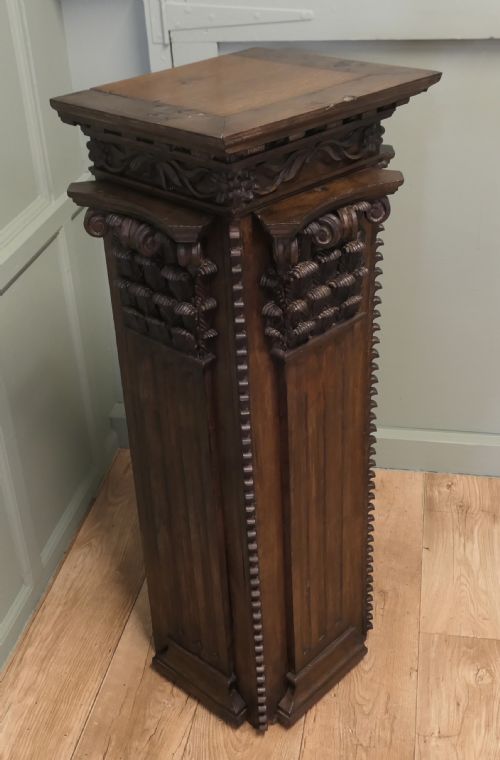
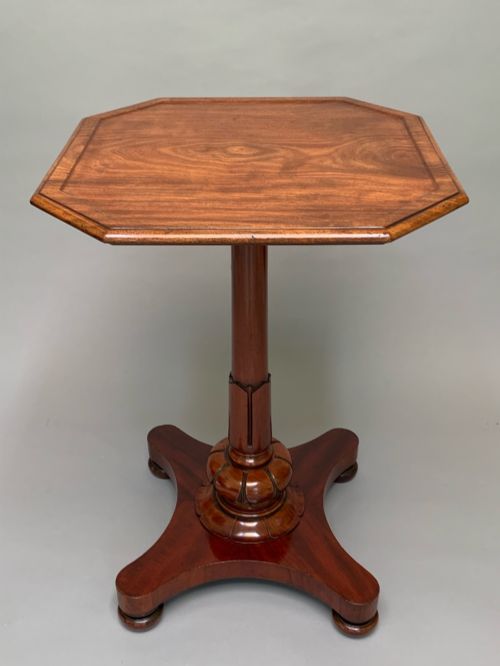
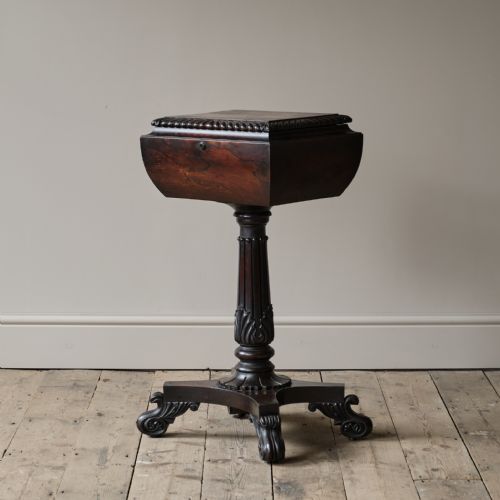
The forms on this page include plant stands, torcheres, occasional tables, lamp tables and column display pedestals. Mahogany, walnut and rosewood dominate the listings, frequently accompanied by marble tops or carved hardwood details.
Victorian and Edwardian pieces appear most frequently, alongside earlier Georgian and Regency designs. These objects served functional roles in domestic interiors, holding urns, lamps or decorative items at convenient heights.
How they were made
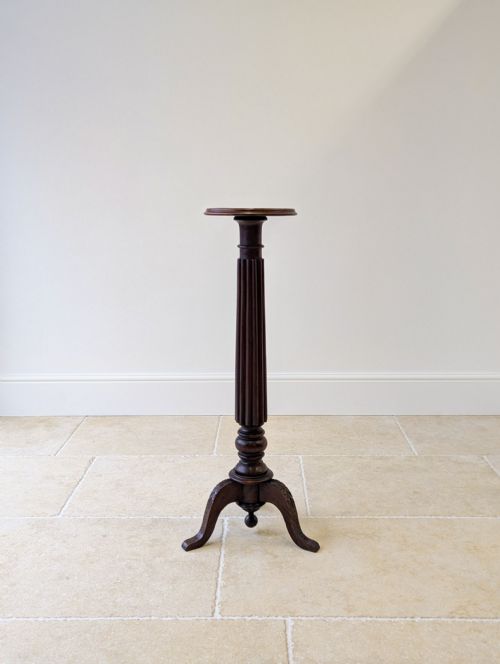
Cabinet makers utilised dense hardwoods such as mahogany, walnut and rosewood, selected for their stability and capacity to hold intricate carved detail. Tripod bases, fluted columns and shaped rims required precise joinery and turning on a lathe.
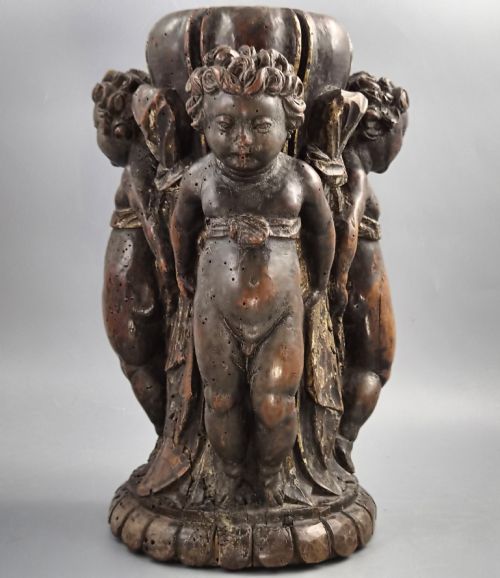
Carving was executed by hand, producing relief motifs, figural elements, gadrooning and foliate patterns. Surfaces were finished with polishes that enhanced the natural grain and colour of the wood.
The listings feature nineteenth century items in mahogany, walnut, rosewood and oak, spanning Regency, Victorian and Edwardian periods.
What varies in quality
The quality of a carved wood pedestal stand rests on the crispness of the hand carving and the selection of timber. Superior examples display deep, undercut relief work and well-figured wood grains on tops and columns.
Structural stability and proportion distinguish finer pieces from standard production. Well-balanced tripod legs and solid joints ensure the stand supports weight securely without wobble.
Gillow
The Carved Wood Pedestal Stand Glossary
- Torchere
- A tall stand or candlestick holder designed to elevate a light source. These pieces typically feature a slender column supported by a tripod base.
- Tripod table
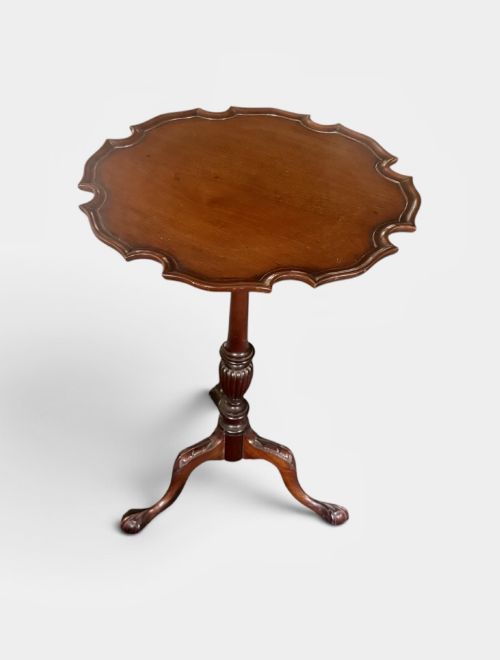
- A small table or stand supported by three legs radiating from a central pillar. This construction prevents rocking on uneven floors.
- Occasional table
- A small, versatile table used for general purposes in a room. They appear in various shapes and timbers throughout the nineteenth century.
- Gadrooning
- A decorative carved moulding consisting of convex curves in a continuous series. It frequently edges table tops and pedestals.
- Jardiniere
- A ornamental pot or stand for holding plants or flowers. In pedestal forms, the top is recessed or fitted with a liner to contain moisture.
Carved Wood Pedestal Stand: Frequently Asked Questions
What is a pedestal stand used for?
These pieces function as elevated platforms for display. They hold table lamps, vases, clocks and potted plants.
Historically, torcheres illuminated dark corners when fitted with oil lamps or candles before electric lighting became common.
How do I date a wooden pedestal?
Dating relies on timber selection, construction methods and stylistic markers. Regency and William IV pieces often feature bold rosewood or mahogany veneers and classical revival motifs.
Victorian and Edwardian examples introduce lighter proportions, spindle galleries, and revival styles such as Chippendale or Arts and Crafts.
Where should I place a torchere stand?
Torcheres suit corners, entryways or empty wall spaces where height adds visual interest. Their slender footprint allows them to occupy minimal floor area.
Ensure the stand rests on level ground, particularly when supporting heavy stone or marble elements.
What woods are typical for these stands?
Mahogany, walnut and rosewood predominate across the nineteenth century items. Hardwoods provided the structural strength needed for slender columns and tripod legs.
Oak and satinwood also appear in specific regional or period pieces, offering alternative grain patterns and colours.