

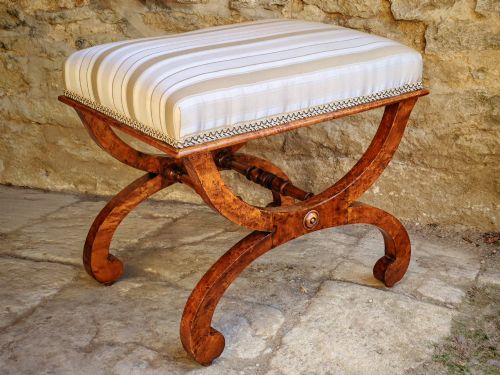


Carved Wood Padded Stool
A carved wood padded stool brings useful height, firm comfort and solid timber character to any room.
Carved Wood Padded Stool
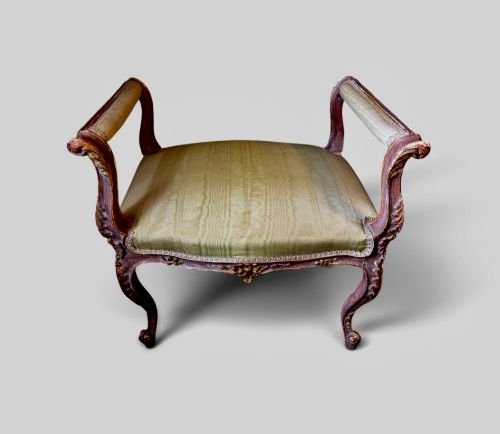
A carved wood padded stool is a versatile low seat or footrest found in styles ranging from Victorian and Regency to George II and Arts and Crafts. Buyers searching for a carved wood padded stool encounter various forms including dressing table stools, piano benches, window seats and footstools.
The selections span centuries from the eighteenth century through the nineteenth century and into the early twentieth century. These pieces serve multiple domestic functions, operating as independent footstools, dressing furniture seats or fireside resting places.
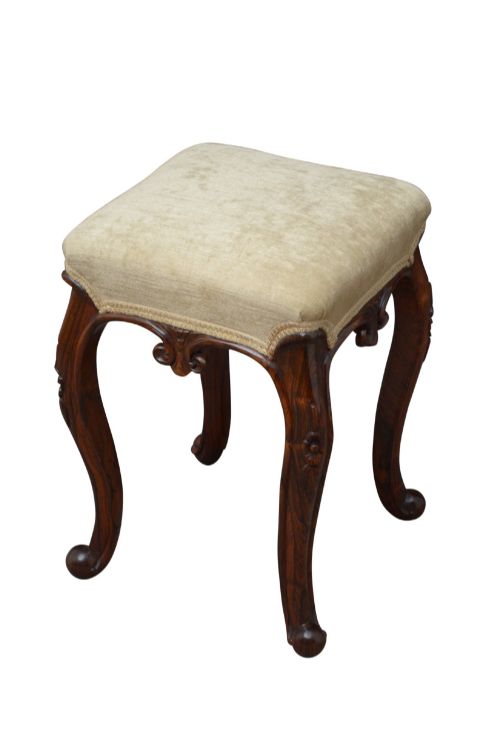
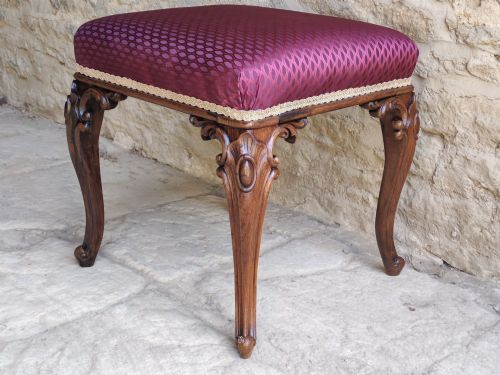
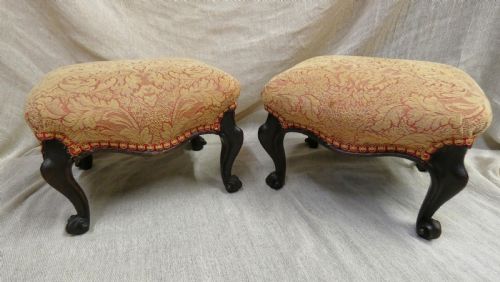
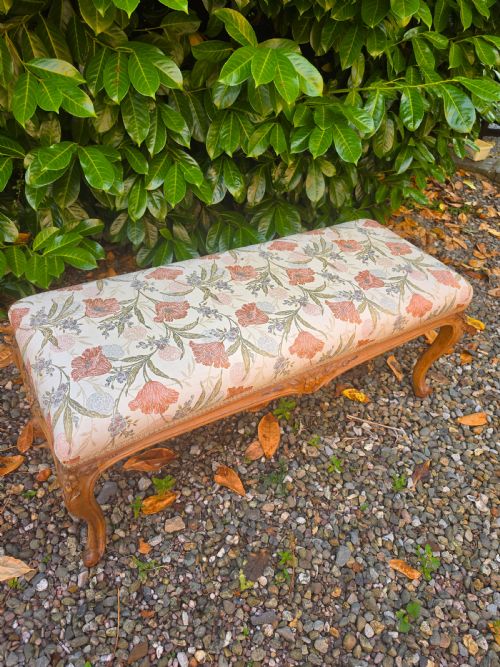
Victorian walnut and mahogany examples featuring cabriole legs appear most frequently on this page alongside French giltwood and Anglo-Indian variations. Such pieces combine sturdy timber frames with padded upholstery in tapestry, leather, fabric and textile.
How they were made
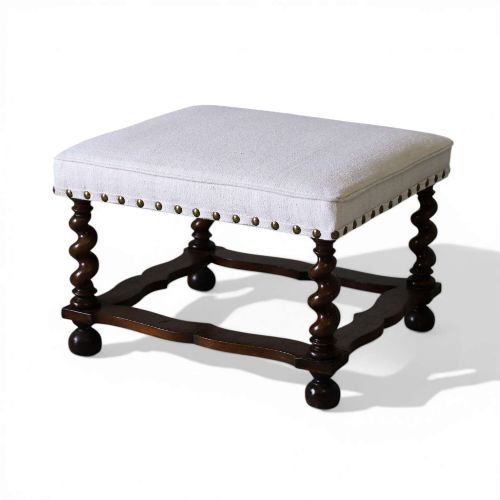
Carpenters and cabinetmakers shaped these frames from dense hardwoods such as mahogany, walnut, rosewood, elm and goncalo alves, often employing intricate hand carving on the legs and rails. Selected pieces display specialised treatments including oyster veneers, barley-sugar turning or giltwood finishes.
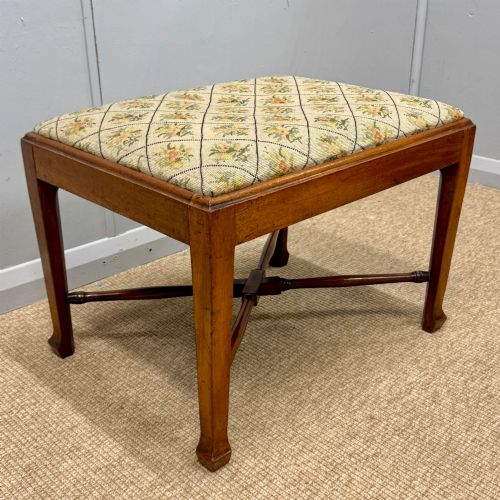
Upholstered surfaces utilise traditional padding methods covered in textiles like needlework, velvet and tapestry, occasionally secured with brass elements. Structural stability often relies on cross stretchers or robust joints supporting the padded top.
Listings span the eighteenth century, the Victorian era, and the early twentieth century, incorporating mahogany, walnut, rosewood, and giltwood.
What varies in quality
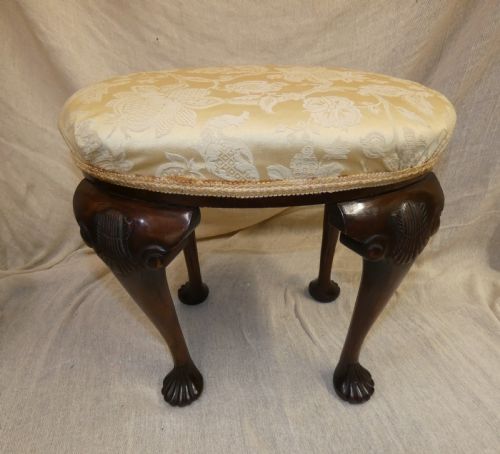
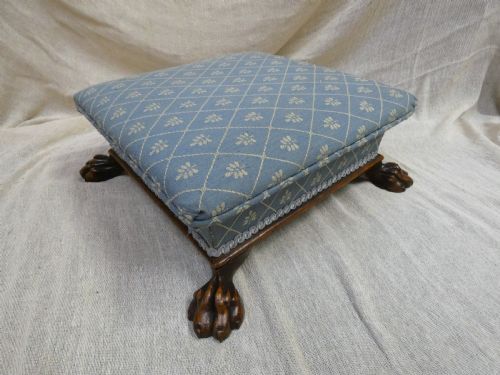
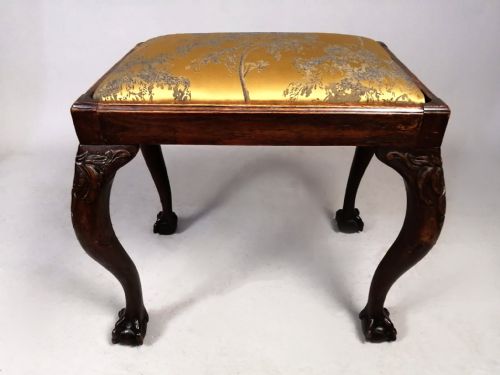
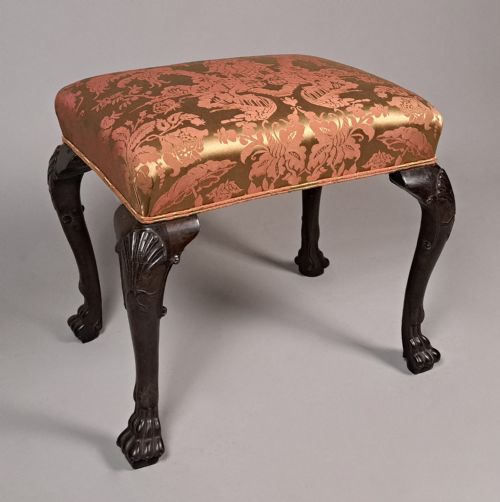
The distinction between ordinary and exceptional examples rests upon the crispness of the timber carving and the structural integrity of the frame. Superior items exhibit finer joinery, substantial timber weights and well-executed stylistic details such as cabriole legs with carved knees or lion's paw feet.
The condition of the timber and the authenticity of the upholstery padding dictate the overall caliber of the piece. Retaining original surfaces or employing sympathetic restoration preserves the integrity that separates standard utilitarian seats from collector-grade examples.
Jas Shoolbred·Loidrault Freres Paris
The Carved Wood Padded Stool Glossary
- Cabriole leg
- A furniture leg that curves outward and then tapers inward, mimicking an animal's curving limb. This form appears frequently on Victorian and eighteenth-century stools.
- Stretcher
- A horizontal timber connecting the legs of a piece to provide lateral support and stability. These components often feature decorative turnings like barley-sugar twists.
- Giltwood
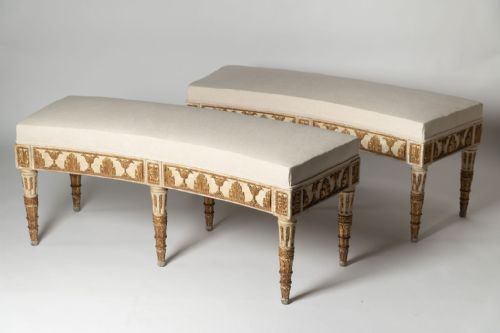
- Wood that has been coated with a thin layer of gold leaf or gilt powder. This finish is typical on French revival and window seats.
- Goncalo alves
- A dense exotic hardwood prized for its striking contrasting grain patterns. It appears in specific nineteenth-century dressing table seating.
- Needlework
- Hand-stitched textile work utilised for upholstery on traditional footstools and ottoman tops. It provides a durable decorative surface.
Carved Wood Padded Stool: Frequently Asked Questions
What rooms suit a carved wood padded stool?
These seats adapt well to bedrooms as dressing table companions, or to living areas serving as flexible footrests and extra seating near low tables. Their compact footprints allow them to tuck beneath surfaces or sit beside firesides without crowding the floor space.
Heavier wood versions anchor traditional seating arrangements, while lighter French and Victorian models add decorative timber warmth to corners or window bays.
How do I identify a Victorian stool?
Victorian examples frequently display dark walnut or mahogany timbers, deep-buttoned or needlework upholstery, and robust cabriole legs. Many relate directly to dressing tables or piano practice, incorporating hinged seats or cross stretchers for stability.
Comparing the turned elements and carving depth against dated nineteenth-century comparables helps confirm the production era.
Were these stools used for pianos?
Specific variants functioned as piano stools or duet seats, often featuring hinged tops to store sheet music inside. Their sturdy construction supported musicians during extended practice sessions.
Turning and leg styles on piano stools match the domestic seating furniture of their respective decades.
How do I care for the wood and fabric?
Maintain the timber frames by applying appropriate wax polishes sparingly to nourish older hardwoods like rosewood and walnut without building up residue. Protect upholstered padded surfaces from direct sunlight to prevent fading in sensitive textiles and tapestries.
Regular light dusting keeps carved crevices clean while preserving the original patina of the polished wood.