

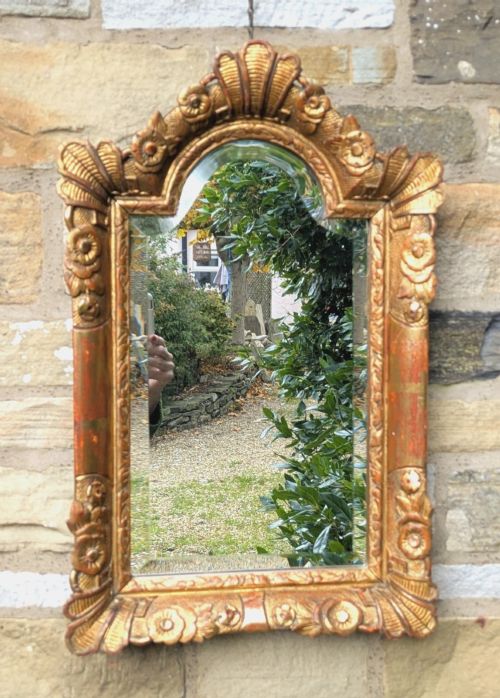
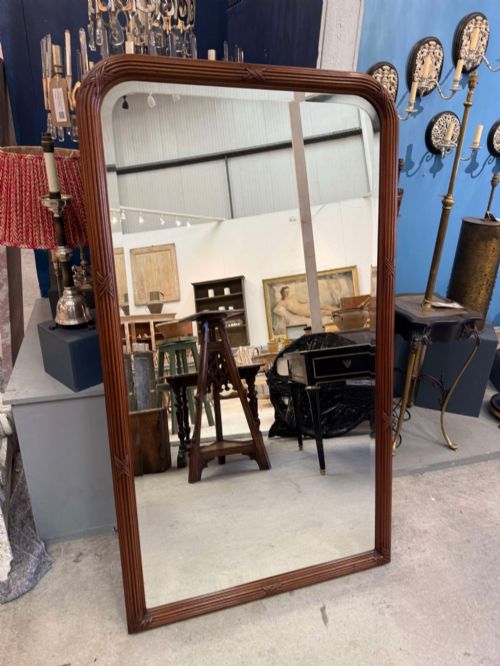
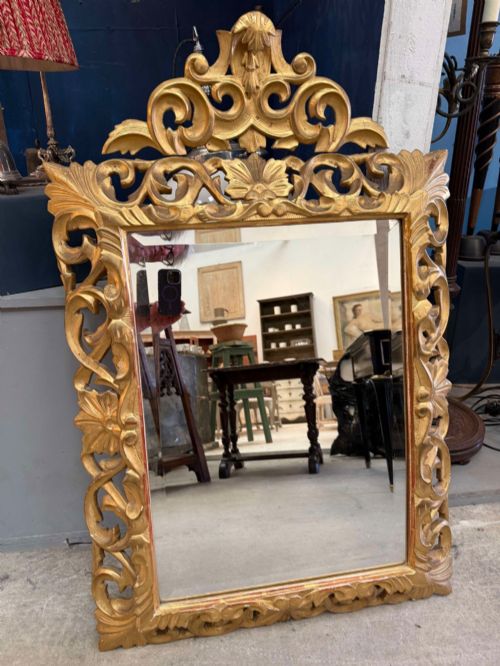
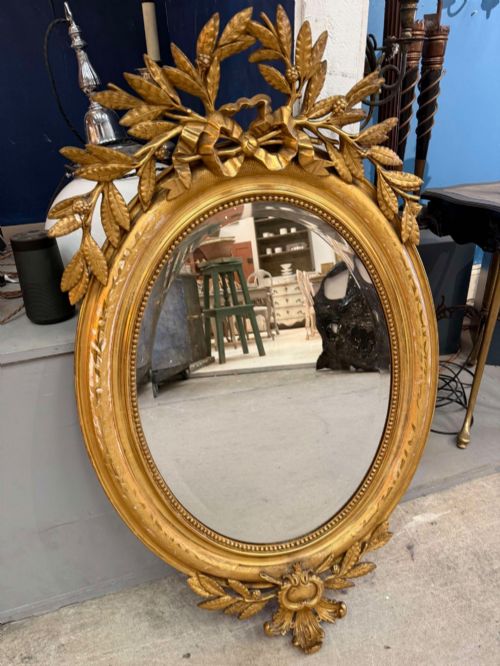
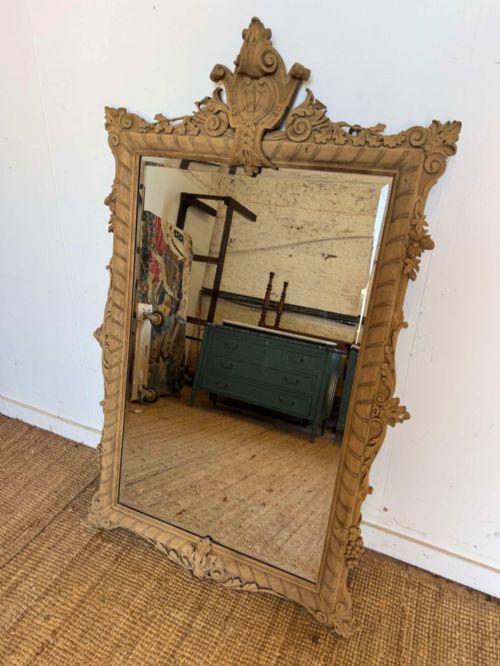
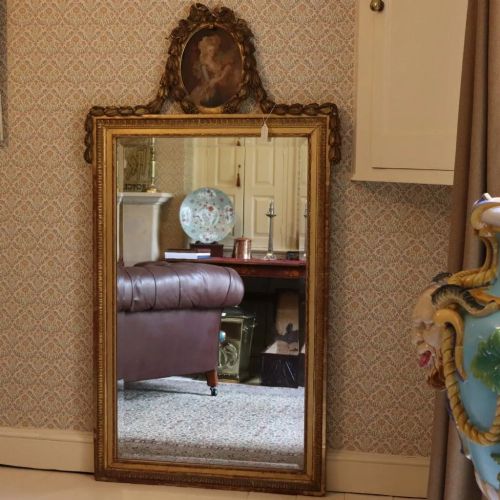
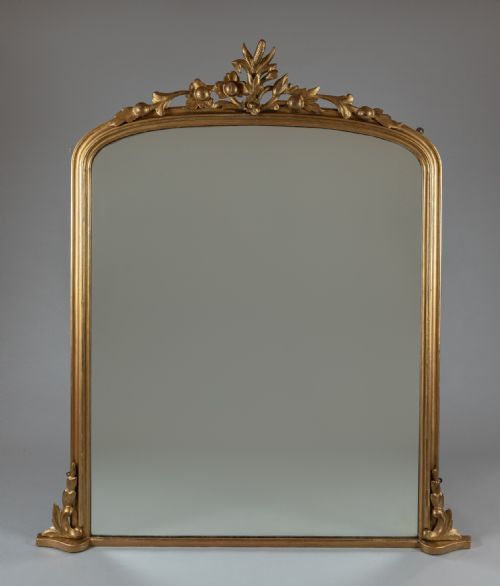
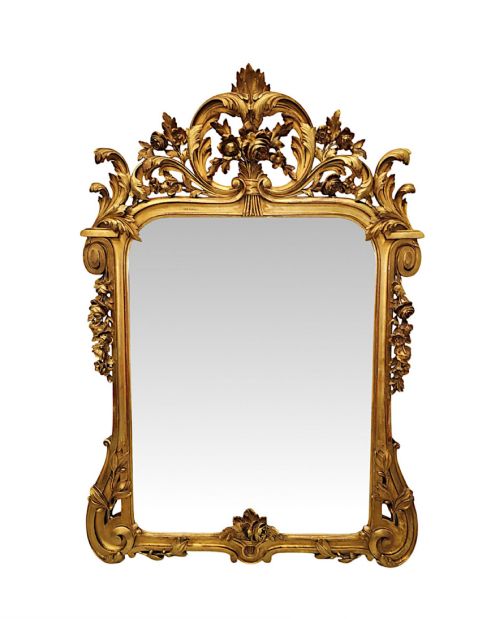
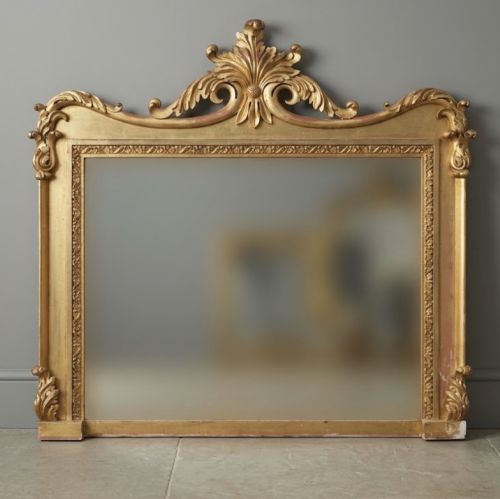

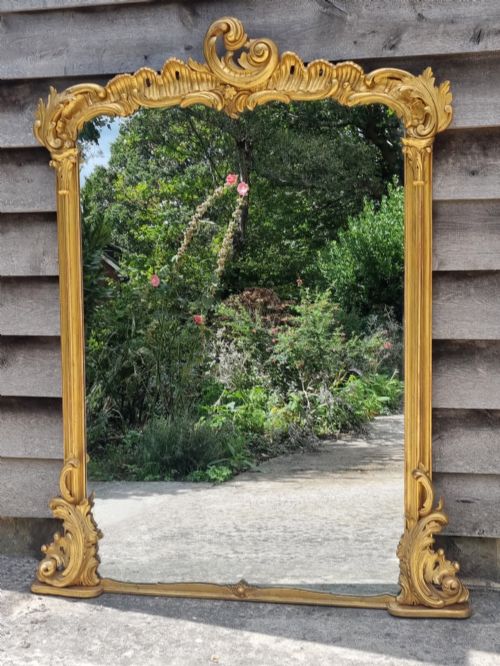
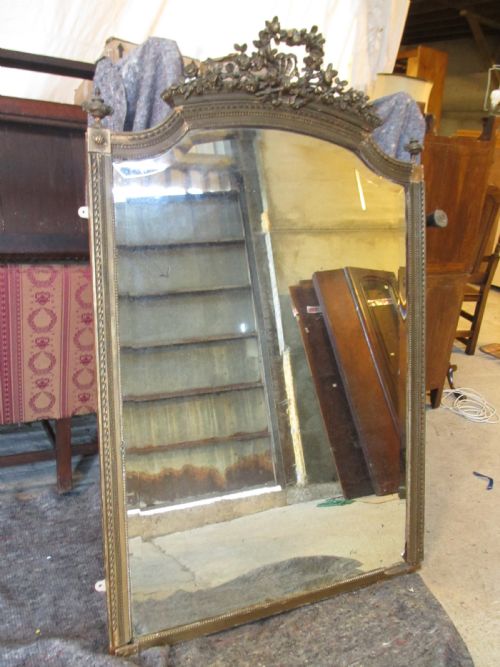
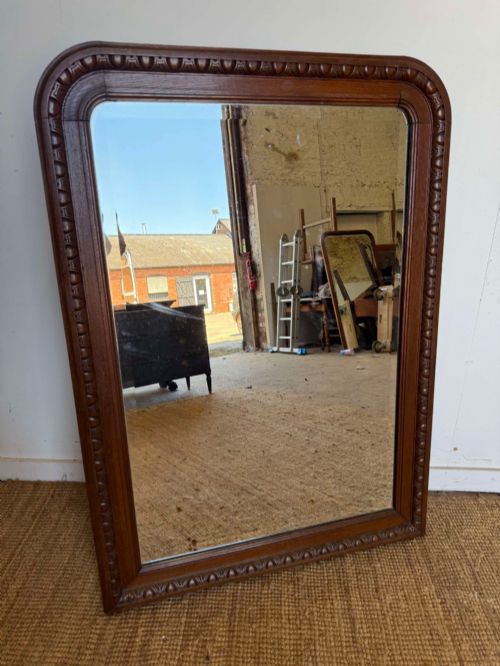
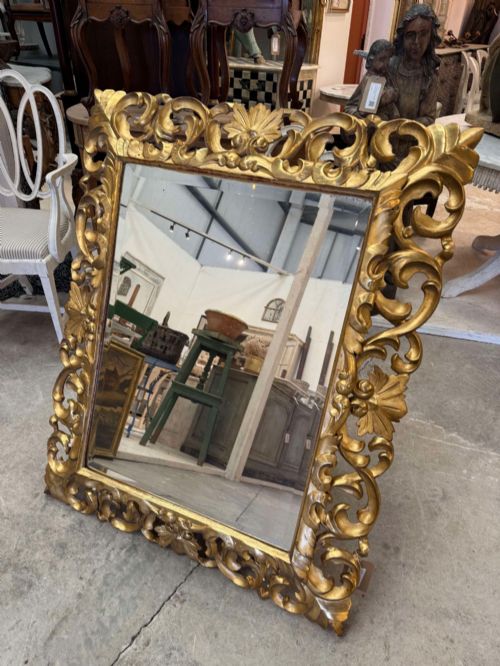
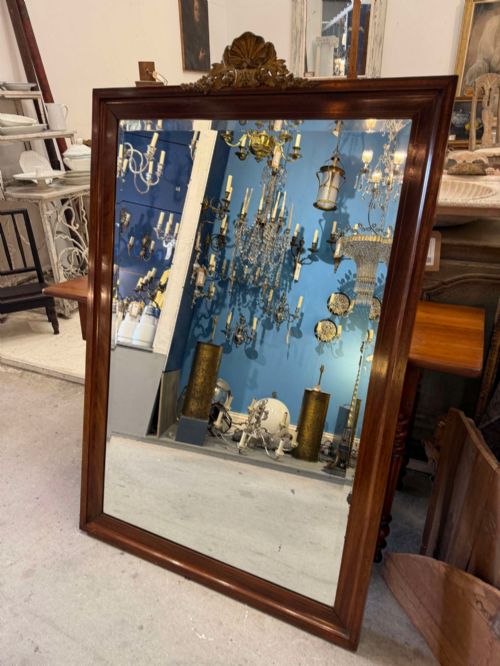
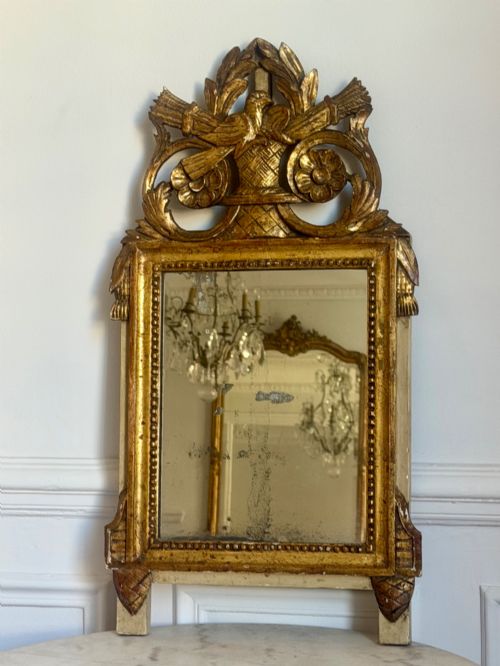
Carved Wood Overmantel Mirror
Discover a carved wood overmantel mirror to anchor a fireplace with period proportion and reflecting light across a high-ceilinged room.
Carved Wood Overmantel Mirror
A carved wood overmantel mirror is a substantial looking glass designed specifically to sit upon the mantelpiece above a fireplace. These furnishings appear frequently in nineteenth-century British and French domestic interiors, often displaying generous vertical or horizontal proportions.
The selection ranges from Victorian arched top formats to eighteenth-century George II designs and expansive nineteenth-century giltwood pieces. Buyers encounter rectangular panels, triptych formats with multiple plates, and ornate frames decorated with classical or floral motifs.
Originating primarily from English and French workshops, these wall-mounted and mantel-resting items bridge architectural woodwork and decorative art. They serve both as functional household mirrors and grand decorative focal points within traditional reception rooms.
How They Were Made
Makers constructed the structural frames from solid timbers such as oak, walnut, or pine, applying carved wooden details directly to the base. Artisans frequently built up intricate surface ornament using gesso, a plaster mixture applied over the wood and sculpted or moulded before finishing.
Gilders applied thin sheets of gold leaf over the gesso ground, sometimes burnishing the metal to create contrasting bright and matte areas. Alternatively, frames received paint finishes, or left as bleached oak or polished walnut depending on the prevailing style of the period.
Carved Wood Overmantel Mirror Retail Price Guide 2026
Typical asking prices for carved wood overmantel mirror among the pieces listed under this phrase on Sellingantiques today, from the lower quarter to the upper quarter. They describe what is for sale here now, not the wider market.
French Rococo, Louis Philippe, and Victorian design styles dominate the surviving overmantel mirror inventory.
What Varies in Quality
The crispness and depth of the hand-carving define the upper tiers of craftsmanship, separating deeply undercut wooden foliage and crisp gesso mouldings from shallow, mechanical pressings. Superior examples maintain structural integrity across wide spans without sagging or loosening at the mitred corner joints.
Originality of the components dictates value among collectors, particularly the presence of the original mercury glass plate rather than later replacements. The quality of the gilding application, depth of the bole layers beneath the gold leaf, and preservation of the original backing boards further distinguish exceptional items.
E James Bruton Road London
The Carved Wood Overmantel Mirror Glossary
- Overmantel mirror
- A large looking glass designed to be hung or rested directly on the mantel shelf above a fireplace. These pieces often repeat the architectural lines of the chimney breast.
- Gesso
- A prepared mixture of chalk, gypsum, and binder applied to wooden frames to provide a smooth surface for gilding or painting. Artisans could model and carve this material while pliable.
- Giltwood
- Timber carved and subsequently covered with gold leaf or metal leaf. This finish reflects candlelight and daylight within period reception rooms.
- Mercury glass
- A type of mirror plate produced by pouring a mercury and tin amalgam behind glass, common in eighteenth and early nineteenth-century looking glasses. It develops a distinctive speckled or foxed appearance over time.
- Triptych
- A mirror divided horizontally or vertically into three separate glass panels within a single frame. This format distributes reflections widely across an interior wall.
Carved Wood Overmantel Mirror: Frequently Asked Questions
How do I hang a heavy overmantel mirror safely?
Secure the frame directly into masonry or heavy wall studs using appropriate steel brackets that support the distributed weight of the wood and glass. Many traditional overmantels were designed to rest their weight partly on the mantel shelf while anchored to the wall for stability.
Ensure that professional fixings match the specific wall construction of your room. Distributing the load prevents strain on the original antique frame joints.
Can an overmantel mirror sit directly on a fireplace?
These mirrors frequently rest their lower edge straight onto the timber or marble mantel shelf. Felt pads placed beneath the base protect the antique finish of both the frame and the fireplace.
Check that the centre of gravity leans securely back against the wall surface. Using concealed safety tethers prevents the tall mirror from tipping forward.
How do I clean antique mirror glass?
Wipe the glass gently with a soft microfibre cloth dampened slightly with distilled water. Avoid spraying liquid directly onto the glass surface, as moisture can seep behind the plate and damage the silvering or historical mercury backing.
Keep cleaning solutions away from the carved gesso and giltwood frame entirely. Moisture strips original water gilding and softens old gesso compositions.
What is foxed glass?
Foxed glass refers to the characteristic dark spots, clouding, and speckled oxidation that develops across antique mirror plates over decades. This natural ageing process occurs as air reacts with the reflective backing behind the glass.
Many collectors prize foxed mercury glass for the authentic antique atmosphere it brings to a room. It creates a soft, diffused reflection rather than a sharp modern image.