
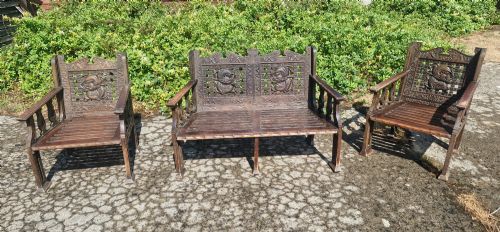
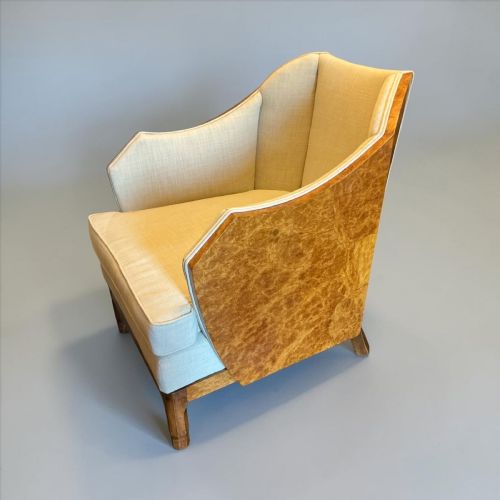
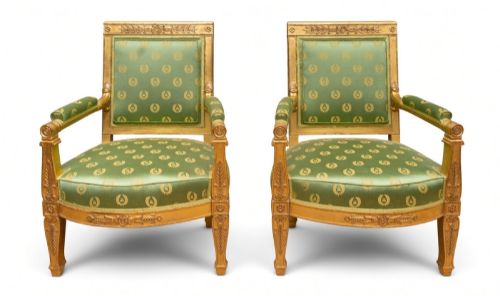
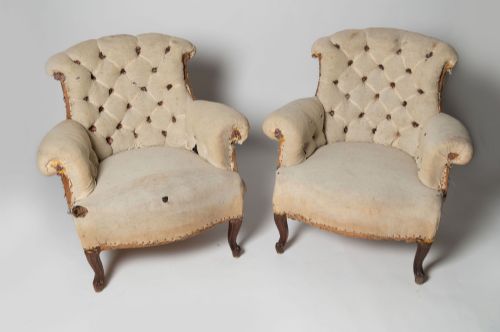
Carved Wood Lounge Chair
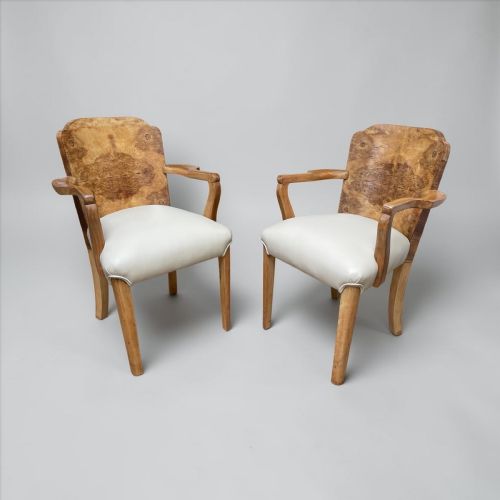
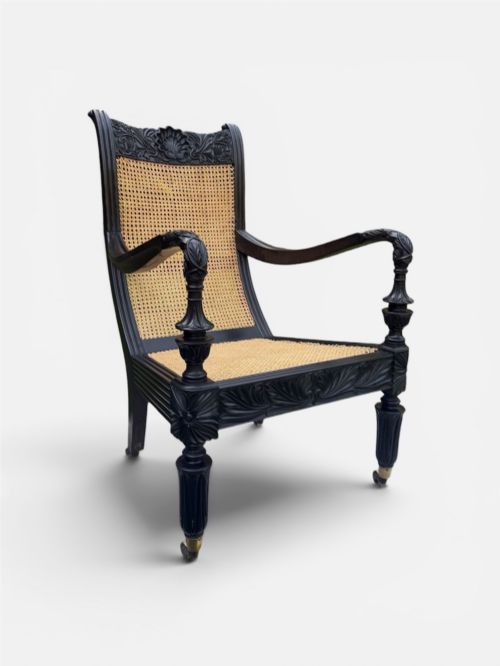
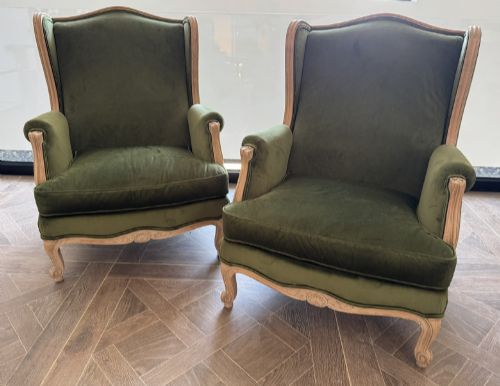
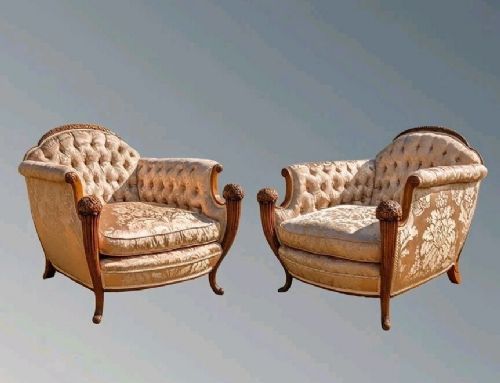
These carved wood lounge chair examples span nineteenth century styles to art deco forms, offering deep seating built for comfort and display.
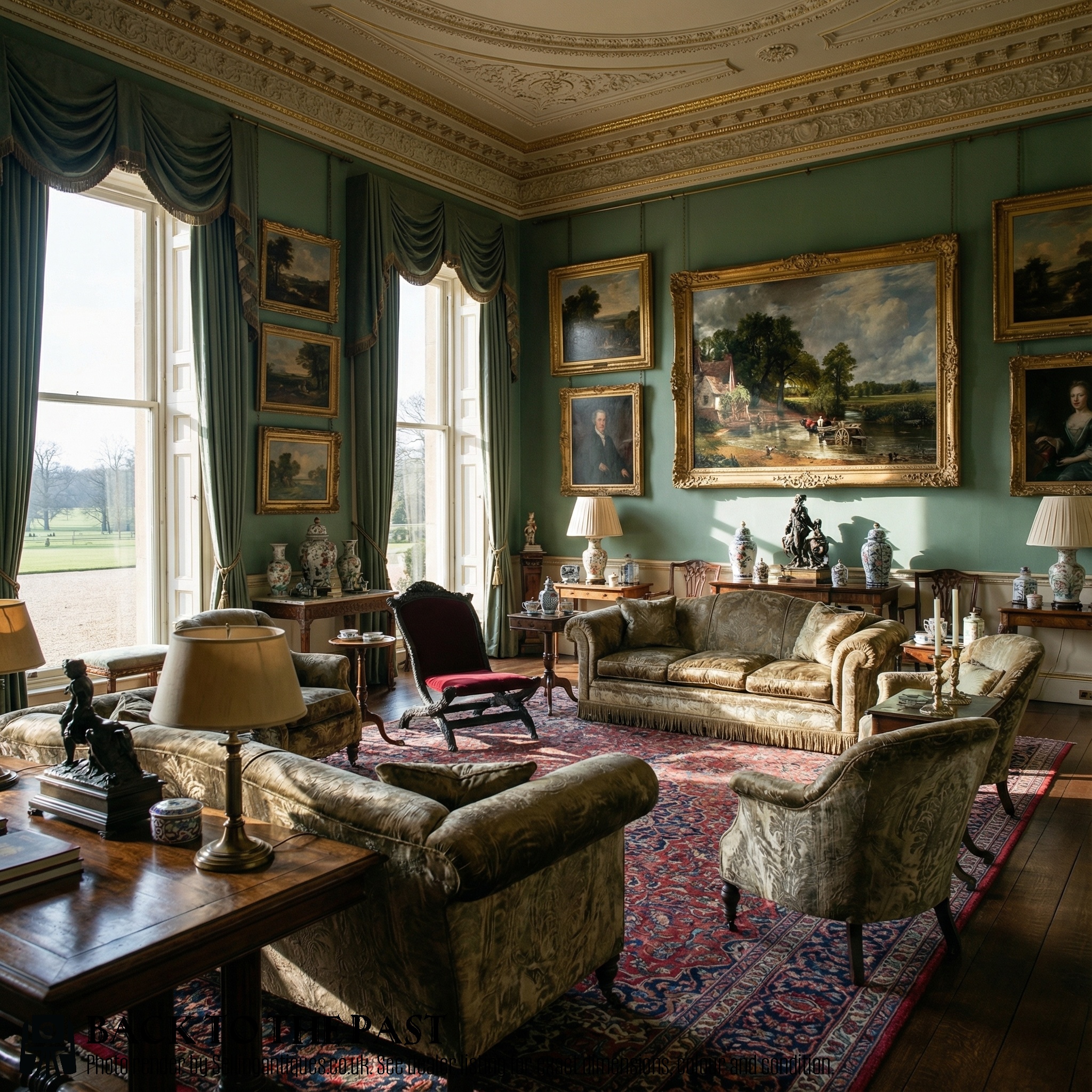
Carved Wood Lounge Chair
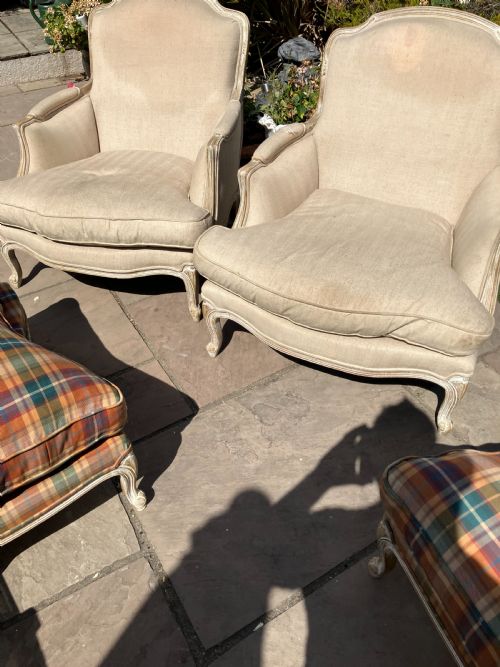
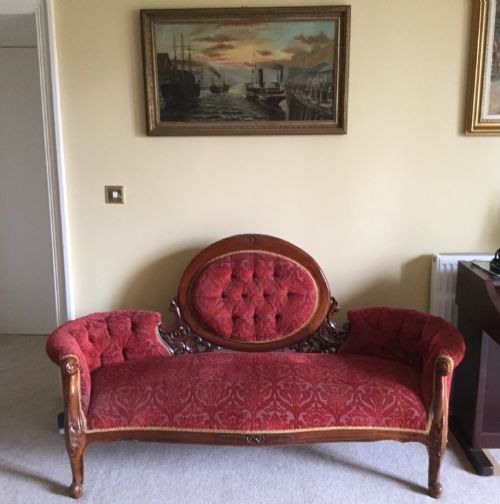
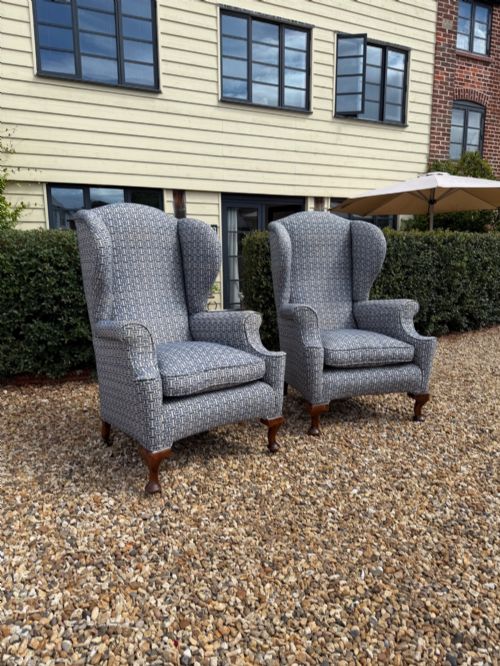
A carved wood lounge chair encompasses a wide variety of nineteenth century and early twentieth century seating, including Victorian armchairs, French bergères, and art deco designs. Buyers search for these pieces to find supportive domestic seating that combines substantial timber frames with upholstered comfort.
The selection here draws heavily from Victorian walnut and mahogany frames, alongside Edwardian satinwood pieces and French revival styles. Armchairs and larger chaise longues dominate the offerings, originating from British, French, and colonial workshops.
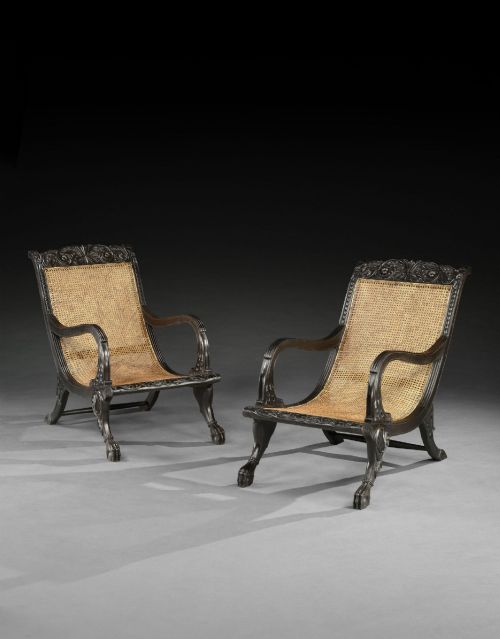
Stylistic influences range from Louis XVI revival and Queen Anne details to Anglo-Indian and art deco aesthetics. Most examples integrate exposed carved woodwork with upholstered seats, backs, and armrests.
How they were made
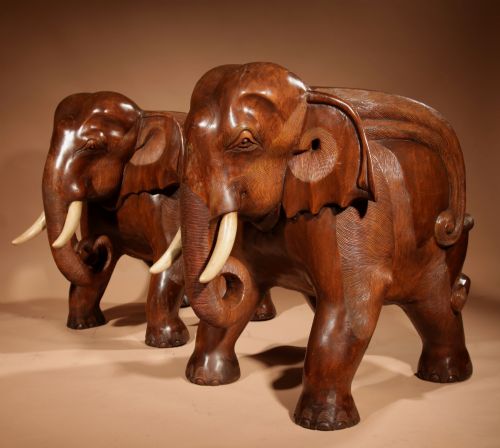
Frames rely on dense hardwoods such as mahogany, walnut, rosewood, satin birch, and ebony, shaped by hand carving and joinery. Artisans applied giltwood, paint, or polished finishes to highlight the grain and decorative motifs.
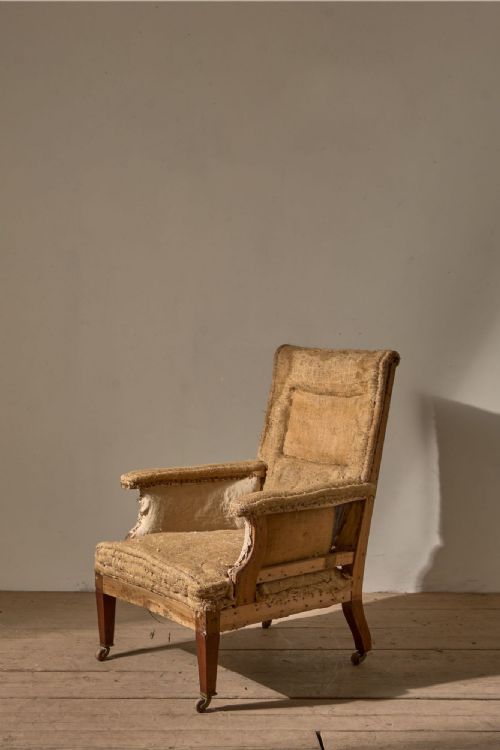
Upholstery methods utilise traditional springs, webbing, and stuffing materials paired with coverings of velvet, silk, brocade, fabric, and textile. Brass hardware and tacks often secure the upholstery edges along the wooden rails.
What varies in quality
The depth and crispness of the hand carving dictate the distinction between standard production and master craftsmanship. Timber selection also matters, with richly figured mahogany, satin birch, or solid ebony commanding greater presence than plain secondary woods.
Frame integrity relies on the tightness of original joints and the retention of supportive internal webbing and springs. Furthermore, the fidelity of revival styles to their historical periods influences the overall standing of each piece.
Gillows·Jacob-Desmalter
The Carved Wood Lounge Chair Glossary
- Bergère
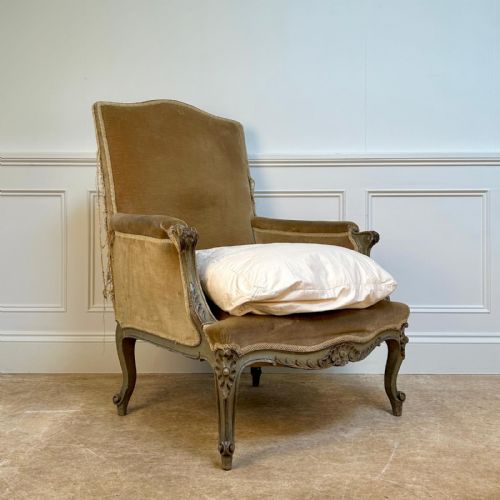
- An enclosed upholstered armchair with wooden framing around the back and sides. The sides are frequently caned or fully upholstered.
- Fauteuil
- An open-armed French armchair with exposed wooden armrests and upholstered back and seat. These chairs typically date from revival periods or the eighteenth century.
- Chaise Longue
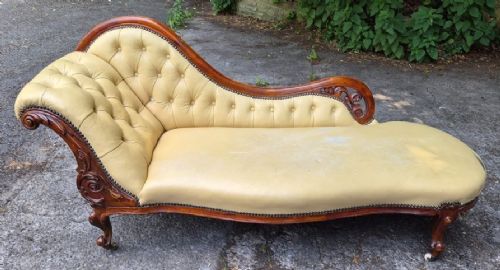
- An elongated upholstered chair designed for reclining, combining a chair seat with an extended footrest. Many Victorian examples feature scrolled ends and carved cabriole legs.
- Cabriole Leg
- A furniture leg that curves outward at the knee and tapers inward toward an ankle and foot. This shape appears frequently on Victorian and revival seating.
- Giltwood
- Timber coated with a thin layer of gold leaf or gold paint for decorative effect. This finish is common on French-influenced salon chairs.
Carved Wood Lounge Chair: Frequently Asked Questions
What is a carved wood lounge chair?
A carved wood lounge chair is an upholstered seat featuring exposed timber frames with decorative woodwork. These chairs originate from various periods including the Victorian era and the art deco movement.
They combine structural wooden frames with cushioned seating designed for relaxation. Examples range from French revival armchairs to colonial seating suites.
How do I identify a Victorian armchair?
Victorian armchairs typically feature dark woods like walnut or mahogany with substantial carved details. They often incorporate cabriole legs, buttoned upholstery, and sprung seats.
Looking underneath reveals the construction methods and timber ageing consistent with the nineteenth century. Stylistic cues draw from revival motifs popular during the reign of Queen Victoria.
Where were these chairs placed originally?
These armchairs and settees served primarily in domestic reception rooms, parlours, and drawing rooms. Larger suites often furnished country house conservatories or formal libraries.
They provided comfortable seating for reading, conversation, and social entertaining. Lighter occasional chairs could be moved easily around grand salons.
How do I care for antique upholstery?
Antique upholstery requires gentle cleaning methods suitable for delicate textiles such as silk, velvet, and brocade. Vacuuming with a soft brush attachment prevents dust accumulation within the fabric fibres.
Avoiding direct sunlight protects the materials and wood finishes from fading. Professional conservation helps maintain the original internal webbing and padding.