


Carved Wood Legs
Carved wood legs support tables, chairs and desks across multiple periods, offering solid construction and distinctive stylistic detail for the home.
Carved Wood Legs
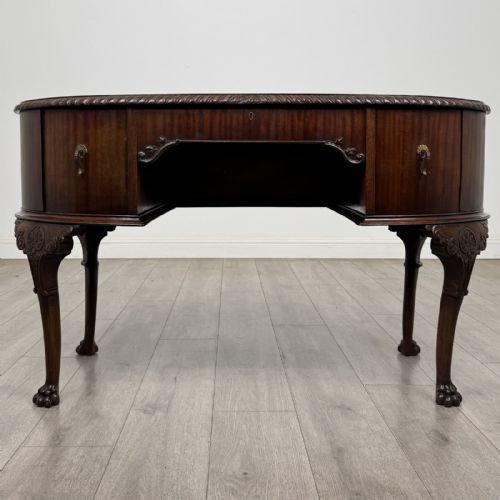
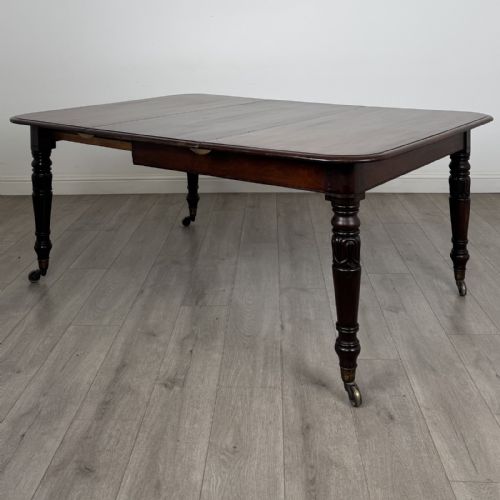
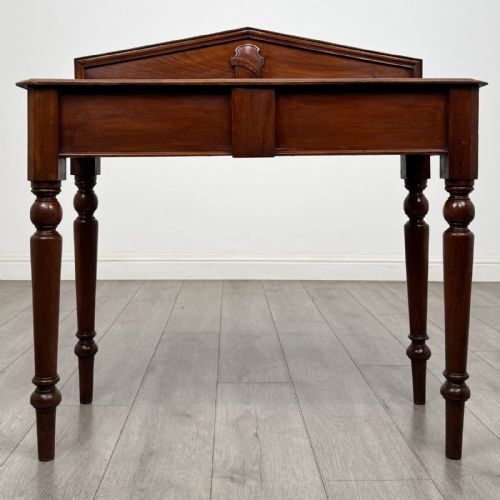
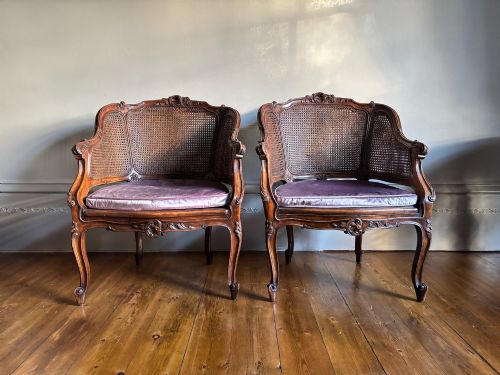
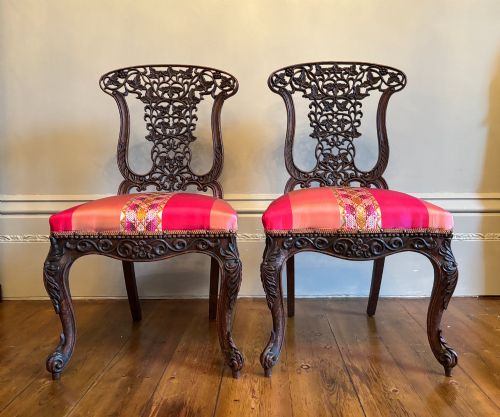
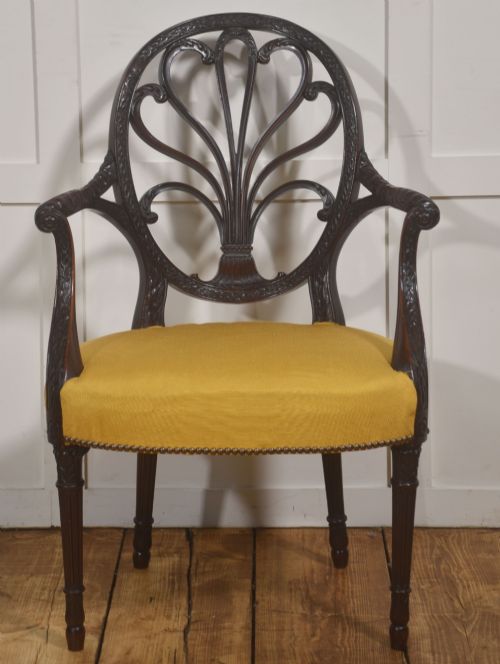
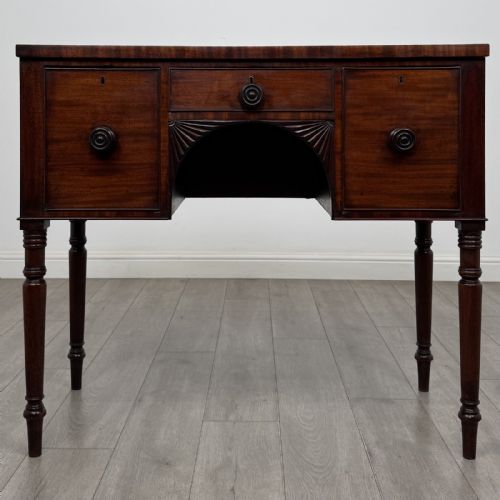
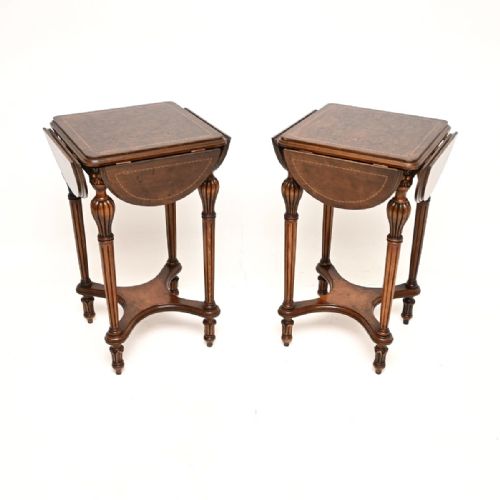
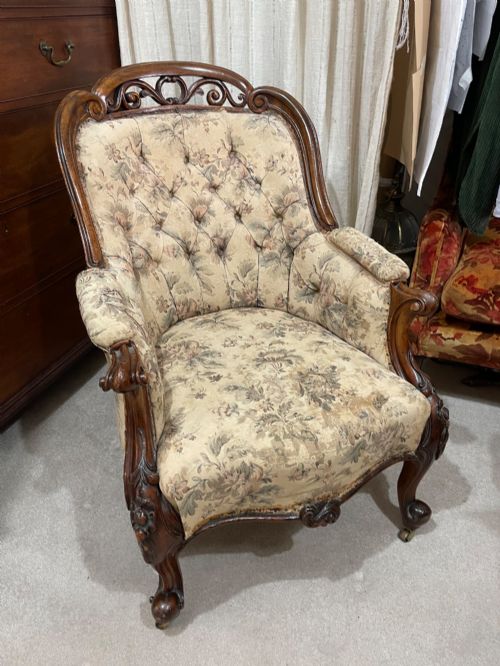
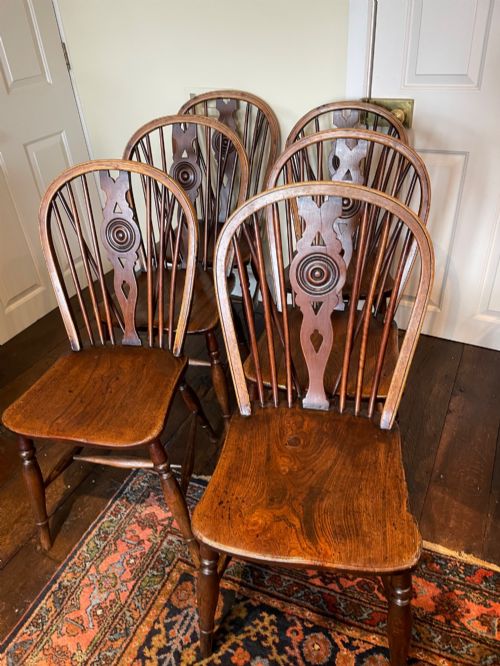
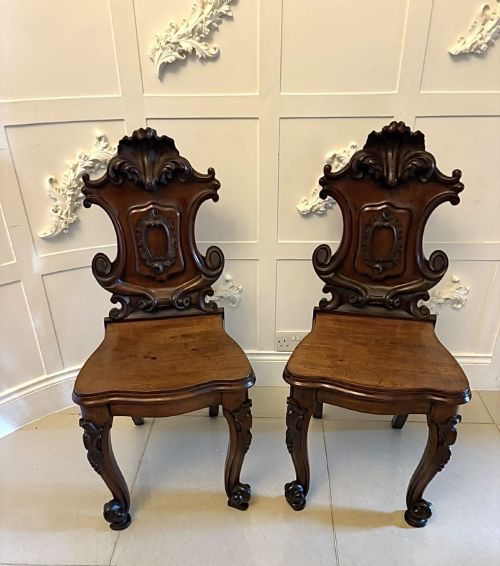
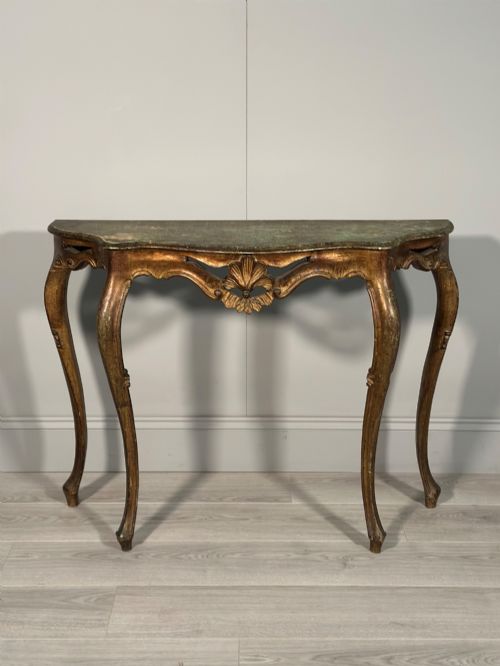
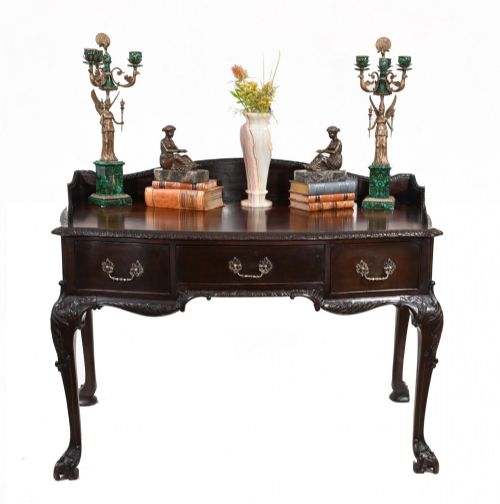
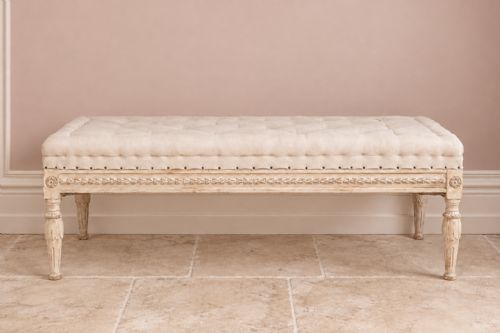
Carved wood legs form the structural and decorative foundation for various antique furniture pieces, including dining chairs, side tables, armchairs, and desks. When searching for carved wood legs, buyers encounter diverse forms ranging from cabriole supports on French tables to turned oak legs on Edwardian cupboards.
The pieces available span from the eighteenth century through the Victorian and Edwardian eras into the nineteen-twenties and thirties, reflecting shifts in stylistic revivals such as Jacobean, Chippendale, and Louis XVI.
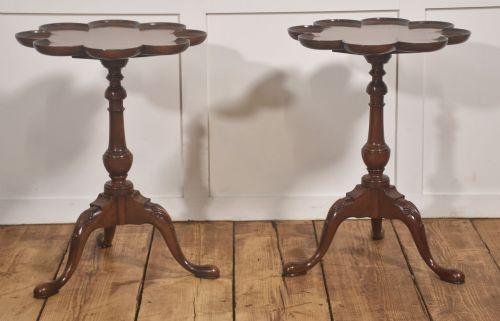
Mahogany and oak predominate among the listings, alongside walnut, rosewood, elm, and burr maple, supporting diverse object types from refectory dining tables to tripod candle stands and low opium tables.
How they were made
Craftsmen shaped these supports from dense hardwoods including mahogany, oak, walnut, and rosewood, employing manual carving techniques to achieve cabriole curves, reeded shafts, and turned profiles.
Joinery methods such as mortise and tenon secured the legs to frames on tables, chairs, and desks, ensuring stability alongside decorative elaboration.
Carved Wood Legs Retail Price Guide 2026
Typical asking prices for carved wood legs among the pieces listed under this phrase on Sellingantiques today, from the lower quarter to the upper quarter. They describe what is for sale here now, not the wider market.
Chinese rosewood opium low tables bring dragons right into the parlour.
What varies in quality
The standard of carving determines much of the visual merit, distinguishing crisp, deeply articulated foliage and animal motifs from shallower, less defined work.
The choice and grain of timber influence the overall presence of the piece, with well-figured burr walnut, rosewood, and dense mahogany elevating the standard above plain utility stock.
Liberty & Co
The Carved Wood Legs Glossary
- Refectory
- A long dining table traditionally used in communal dining halls. These sturdy tables typically feature substantial wooden legs connected by low stretchers for added stability.
- Tripod
- A piece of furniture supported by three legs. This configuration appears frequently on small nineteenth-century candle stands and occasional tables.
- Reeded
- Decorated with parallel convex mouldings carved directly into the wood. This decorative treatment appears vertically on chair and table legs from the Victorian period.
Carved Wood Legs: Frequently Asked Questions
How do I identify the period of a carved wooden table?
Examine the timber species and the style of the carving. Oak and heavy turned elements often point to earlier revival work or the Edwardian era, whereas mahogany and walnut span the eighteenth and nineteenth centuries.
Consider the overall construction methods and secondary timbers used beneath the surface. Stylistic cues such as cabriole shapes or reeded supports align with specific historical revivals recorded across the listings.
Are chairs with carved legs suitable for daily dining?
Seating from the Victorian and Edwardian periods handles regular use when the underlying joinery remains sound. Solid hardwoods like mahogany and walnut provide durable frames for dining chairs.
Inspect the connection where the leg meets the seat rail to ensure stability. Periodic checks of the joints maintain structural integrity during everyday service.
Where should I place a side table with carved legs?
These tables function effectively in hallways, living rooms, and studies as surfaces for lamps or decorative objects. Their compact footprints suit smaller spaces beside armchairs or sofas.
Keep wooden surfaces away from direct heat sources and strong sunlight to protect the finish and the carved details. Position them on level floors to prevent strain on the leg joints.
What is the difference between oak and mahogany table legs?
Oak furniture typically exhibits a pronounced grain and connects to earlier styles like Jacobean Revival or Edwardian utility pieces. Mahogany offers a smoother, denser surface favoured for finer eighteenth-century and Victorian designs.
Each timber dictates the character of the carving, with oak lending itself to robust turned or chip-carved forms and mahogany supporting sharper, more fluid contours.