




Carved Wood Jesus Statue
These carved wood jesus statue pieces bring centuries of devotional art into your home, offering tangible history and quiet contemplation.
Carved Wood Jesus Statue
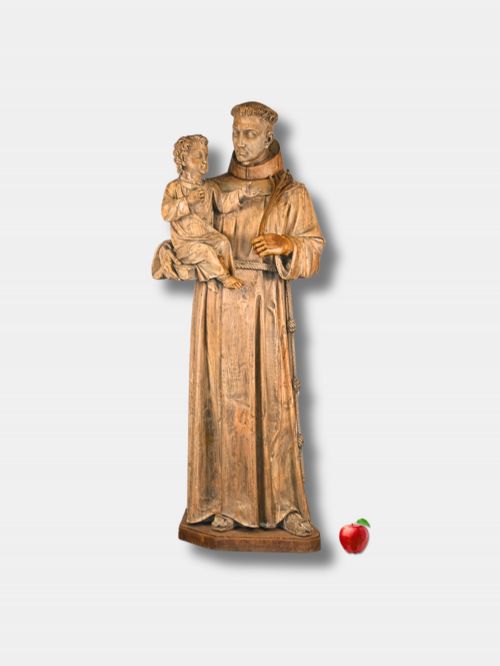
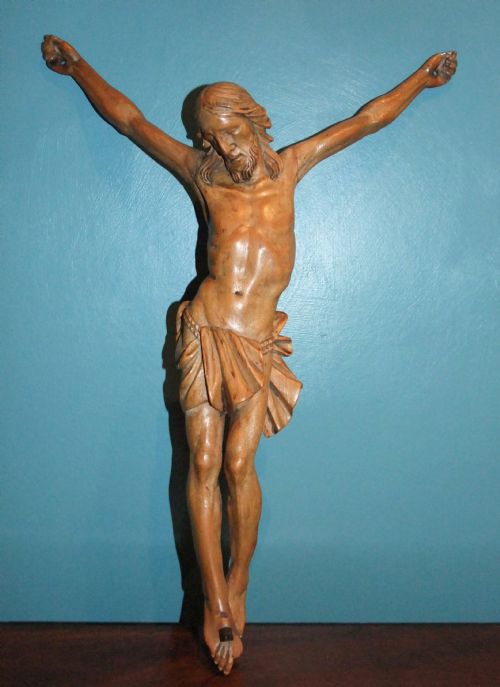
A carved wood jesus statue represents centuries of devotional art, ranging from life-size figures to intimate fragments like carved heads and corpus christi pieces. When searching for a carved wood jesus statue, you encounter works spanning from the seventeenth century through to the Victorian era and the early twentieth century.
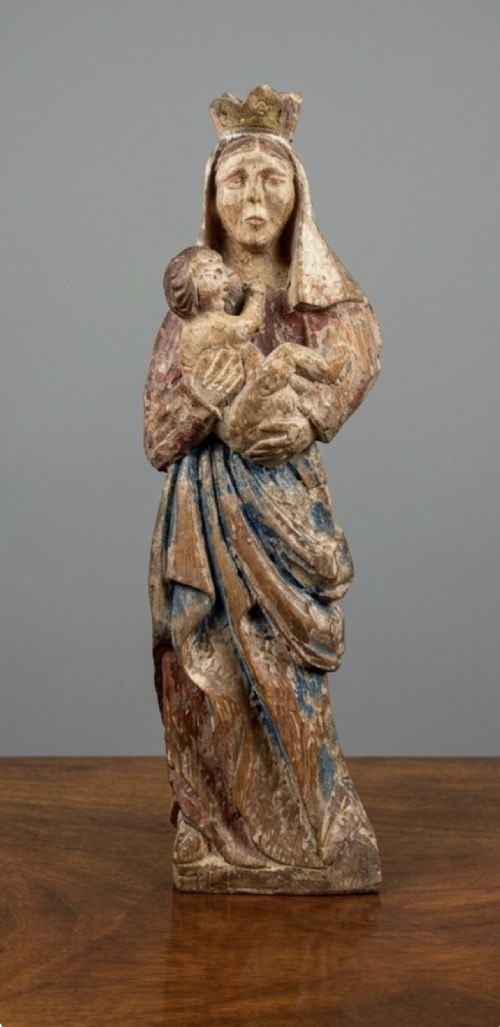
The selections on this page include South German Baroque figures, French and Italian ecclesiastical groups, and Spanish corpus christi carvings. These sculptures take various forms, from depictions of the young Christ and the Christ Child holding the orb to figures paired with Mary and Joseph.
Factors that distinguish quality
The survival and application of original polychrome paint and gold leaf elevate certain pieces above plain wood versions. Patination tells the story of age and handling, while untouched gesso and pigment layers preserve the original artistic intent.
Carved Wood Jesus Statue Retail Price Guide 2026
Typical asking prices for carved wood jesus statue among the pieces listed under this phrase on Sellingantiques today, from the lower quarter to the upper quarter. They describe what is for sale here now, not the wider market.
Geographic origins span South German Baroque workshops, French ecclesiastical studios, and Italian devotional art traditions.
Bohumil Kafka
The Carved Wood Jesus Statue Glossary
- Corpus Christi
- Latin for the body of Christ, specifically referring to a sculpture of Jesus on the cross. These figures focus on the physical form without necessarily including the cross itself.
- Polychrome
- Decorated in multiple colours. This term describes statues finished with paints or pigments over wood or gesso.
- Gesso
- A plaster-like mixture applied to wood as a smooth base for painting and gilding. It provides a durable surface for fine detail.
- Lindenwood
- A pale, fine-grained wood favoured by European carvers for its stability and ease of intricate shaping. It holds sharp detail exceptionally well.
- Ecclesiastical
- Relating to the Christian Church or its clergy. Pieces with this designation typically originated in chapels, churches, or monastic settings.
Carved Wood Jesus Statue: Frequently Asked Questions
How do I identify a seventeenth century carved wood jesus statue?
Seventeenth century pieces often display the dramatic carving style of the Baroque period, with deep folds in the drapery and intense facial expressions. Examine the tool marks and the natural ageing of the timber for clues to its age.
Continental workshops during this era favoured specific woods like lindenwood and fruitwood. Comparing the sculptural style to documented religious art from the same region helps confirm the period.
Were these statues used in churches or homes?
Many ecclesiastical sculptures originated in churches, chapels, and convents as objects of public veneration or processional use. Life-size figures and elaborate altar groups typically served sacred spaces.
Smaller carvings and devotional figures were also created for private domestic shrines and personal prayer. The scale and material often indicate whether a piece belonged to a large church interior or a private room.
What is the difference between polychrome and plain wood carvings?
Polychrome statues feature layers of gesso, paint, and sometimes gold leaf applied to the wood to create lifelike colours and textures. This finish was standard for devotional art intended to inspire direct emotional connection.
Plain wood carvings rely entirely on the natural grain, tone, and skill of the chisel to convey form. Some pieces lost their original paint over time, while others were deliberately left as exposed timber.
How should I care for an antique wooden religious sculpture?
Keep wooden sculptures away from direct sunlight and sources of heat to prevent the timber from drying out and cracking. Stable indoor humidity levels protect both the underlying wood and any delicate gesso or paint layers.
Dust the surface gently with a soft, dry brush rather than using wet cloths or chemical polishes. Preserving the original surface requires minimal intervention and gentle handling.