
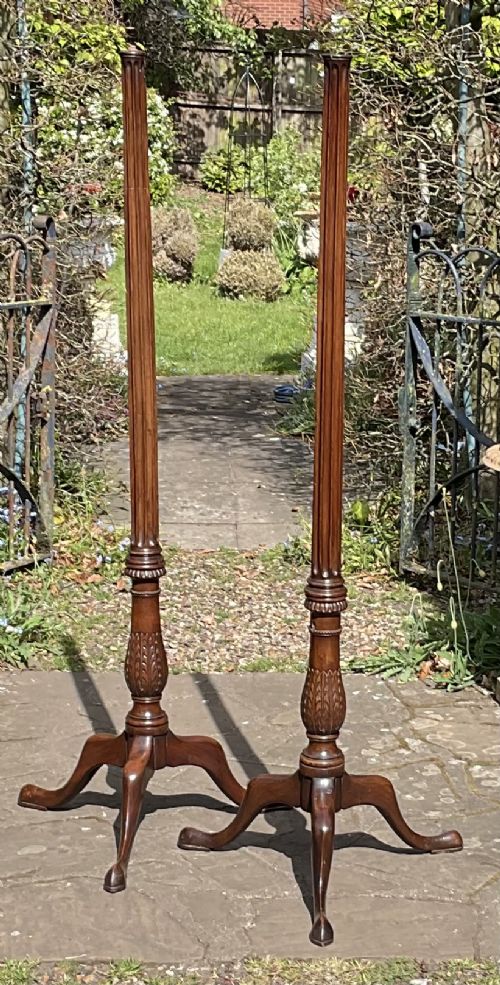


Carved Wood Floor Lamp
A carved wood floor lamp brings vertical presence and warm illumination to a room, drawing on decades of stylistic revival from Victorian to Art Deco.
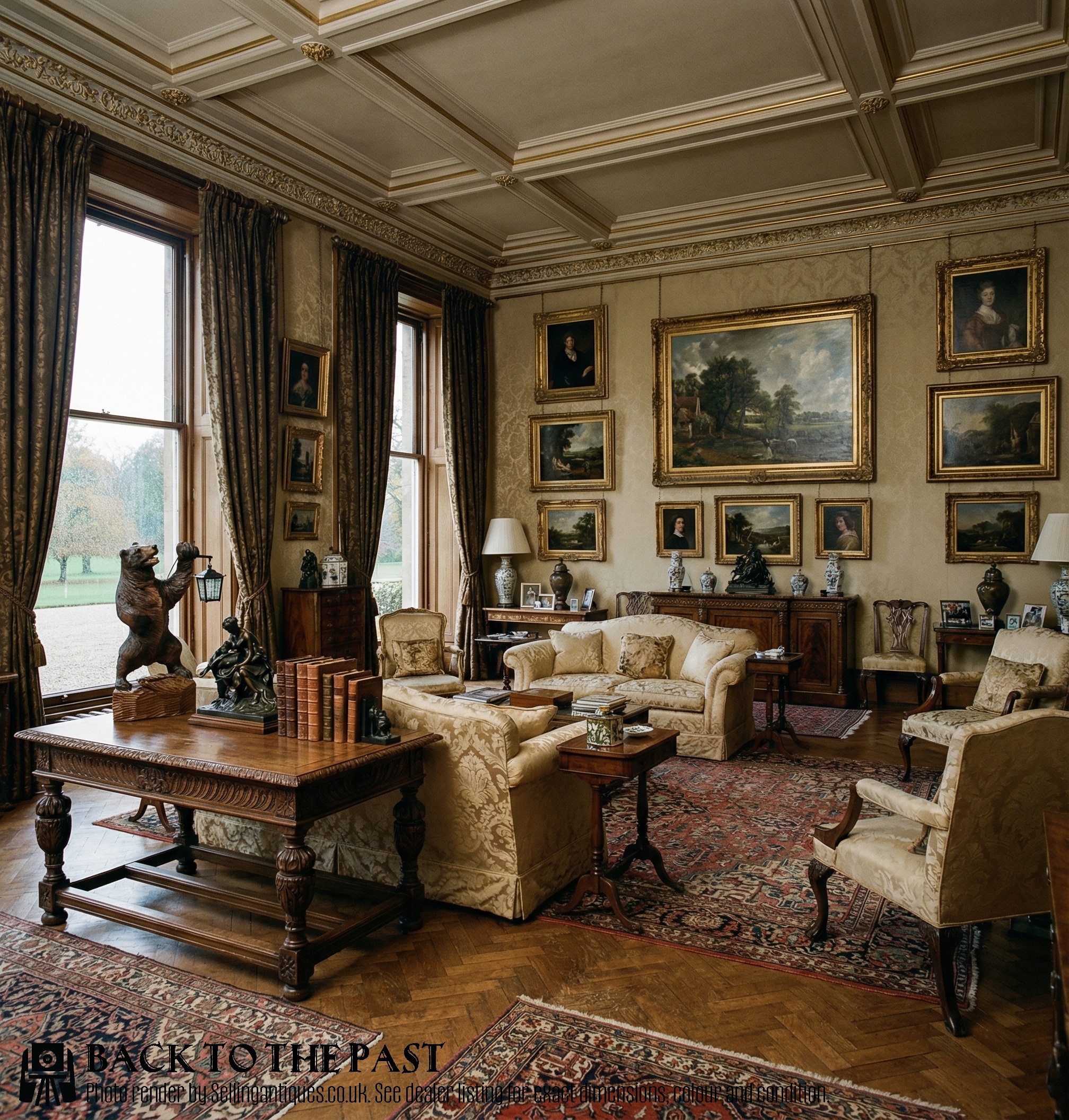
Carved Wood Floor Lamp
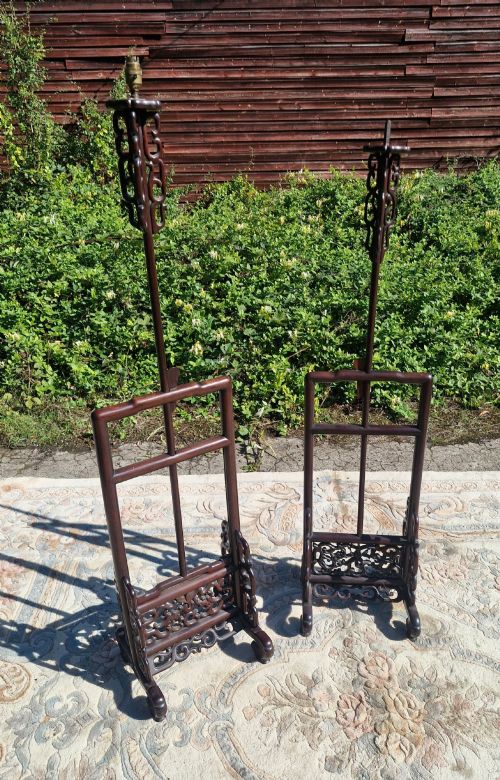
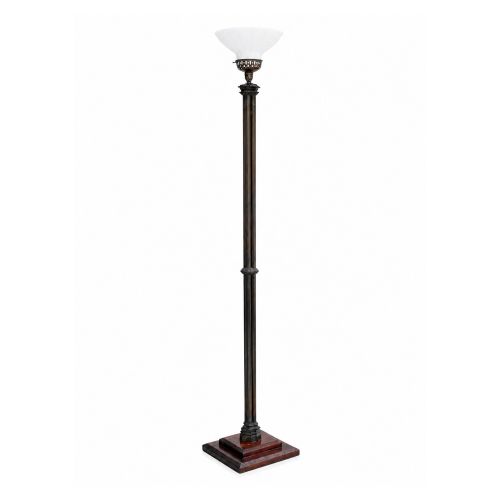
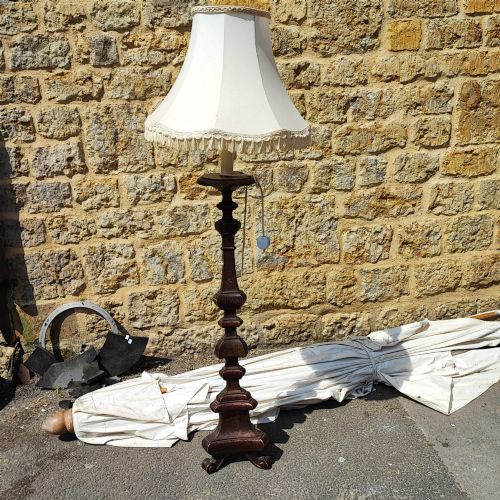
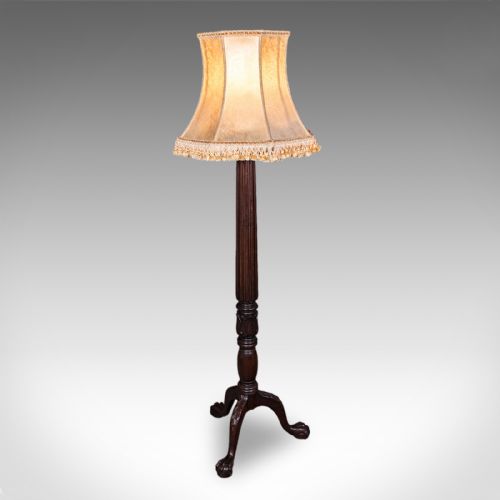
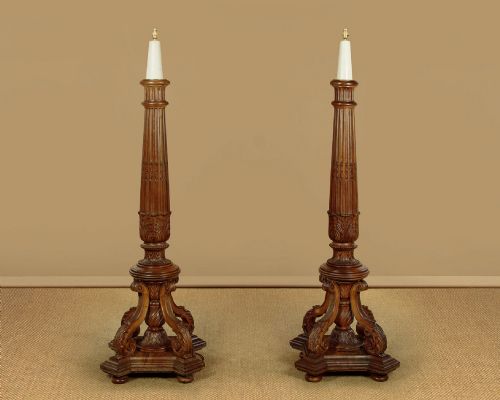
A carved wood floor lamp provides both functional light and sculptural weight, appearing in forms ranging from straightforward upright columns to elaborate figures and torcheres. When searching for a carved wood floor lamp, you encounter pieces that span the nineteenth century through the 1930s, reflecting diverse regional interpretations from English workshops to Italian studios and Chinese ateliers.
The materials and influences vary widely across the selection, featuring hardwoods like mahogany, walnut, padauk, and pine alongside decorative surfaces of giltwood, gesso, and paint. Common stylistic idioms include Gothic Revival, Neoclassical Revival, Venetian Baroque, and Anglo-Indian design, often designated in listings as standard lamps or lamp standards.
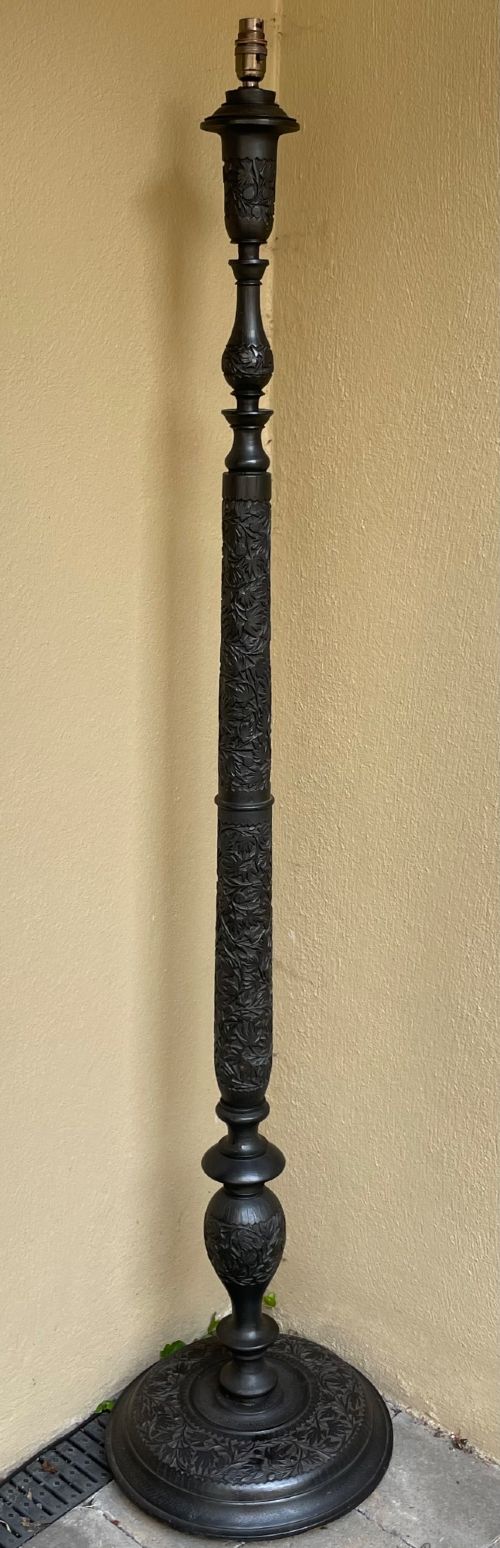
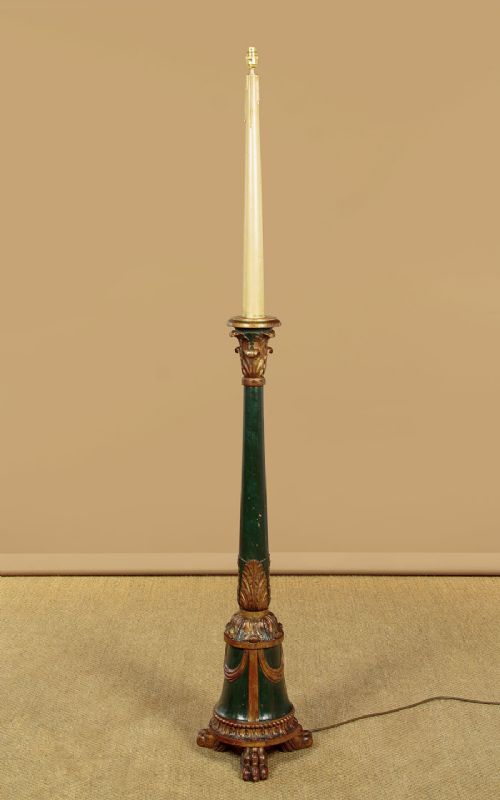
Many examples utilise specific cultural motifs, such as Chinese dragon lantern stands or Kashmiri carving, while others lean toward European grandeur with parcel gilt and polychrome finishes. This variety ensures that each standard lamp carries a distinct regional and temporal identity rooted in its period of manufacture.
Materials and construction techniques
Makers constructed these floor lamps using solid timbers such as mahogany, walnut, oak, and pine, frequently shaping them through hand carving and turning on a lathe. Hardwoods provided the structural stability required for tall upright standards, while softer woods or applied gesso allowed for intricate surface relief and sculptural detailing.
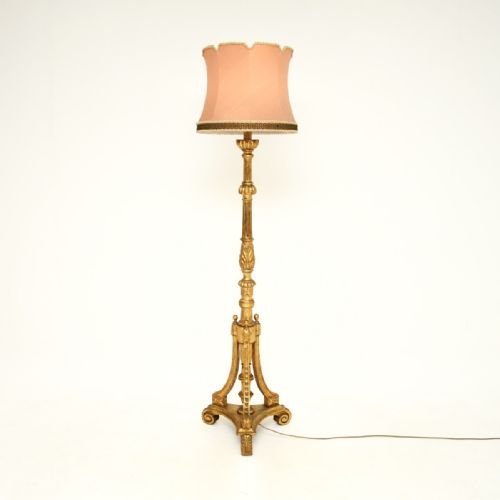
Finishes relied heavily on traditional techniques including gilding with gold leaf, parcel gilding, hand painting, and polychrome decoration. Italian and English pieces often combined carved timber with gesso layers to build up crisp architectural or baroque ornament before applying the final metallic or painted skin.
Carved Wood Floor Lamp Retail Price Guide 2026
Typical asking prices for carved wood floor lamp among the pieces listed under this phrase on Sellingantiques today, from the lower quarter to the upper quarter. They describe what is for sale here now, not the wider market.
Factors that distinguish quality
The depth, crispness, and artistic ambition of the hand carving separate simpler utility lighting from ambitious sculptural works. Pieces featuring fully realised figures, intricate dragon motifs, or complex Venetian and Baroque scrollwork demonstrate superior craftsmanship compared to plain turned columns.
The integrity of the original surface finish plays a major role, with intact hand-applied giltwood, gesso, and polychrome detailing holding higher visual fidelity. The choice of dense timbers like padauk, walnut, or mahogany also indicates a higher grade of manufacture than basic pine or secondary woods.
The Carved Wood Floor Lamp Glossary
- Standard lamp
- A traditional British term for a floor lamp or tall upright light fitting designed to stand on the floor. It typically supports a fabric shade at head height.
- Torchiere
- A tall standing lamp that directs its light upward, often associated with classical or decorative torch stands. Historical examples frequently incorporate figural or columnar carved wood supports.
- Giltwood
- Timber that has been coated with gold leaf or a gold-coloured finish over a prepared gesso base. It is common in Baroque and Neoclassical revival pieces.
- Gesso
- A plaster-like mixture applied to wood surfaces to create a smooth base for carving, painting, or gilding. It allows artisans to achieve sharp relief details.
- Padauk
- A dense tropical hardwood valued for its rich colour and durability. It appears frequently in Oriental and Anglo-Indian standard lamps from the early twentieth century.
- Parcel gilt
- A finishing technique where only specific portions of an object are gilded, leaving the underlying wood or paint visible elsewhere.
Carved Wood Floor Lamp: Frequently Asked Questions
What is a standard lamp?
A standard lamp is simply the traditional British name for what is commonly called a floor lamp. These pieces provide ambient room lighting via a tall vertical post standing directly on the floor.
Historically, they were designed to sit beside armchairs or in drawing room corners, carrying wired light fittings or earlier illumination sources.
How do I style a floor lamp?
These lamps work well placed beside seating areas, reading chairs, or in empty corners that require vertical height and soft illumination. Their carved wooden shafts add texture and architectural interest even when the light is switched off.
Pairing them with a suitable fabric shade helps balance the proportions of the tall wooden base within the room.
How do I date a wooden lamp?
Dating relies on identifying the prevailing stylistic influence, such as Victorian, Gothic Revival, Edwardian, or Art Deco skyscraper forms. The choice of timber, such as padauk or walnut, alongside the application of gesso and giltwood, often points to specific decades between the mid-nineteenth century and the 1930s.
Construction methods, including hand-carved detailing versus machine-turned elements, also provide clues to the period of manufacture.
Where were these lamps made?
The pieces originate from diverse workshops across Britain, continental Europe, and Asia. English makers produced Gothic and Victorian revival designs, while Italian artisans specialised in giltwood baroque and Florentine styles.
Other pieces reflect global influences, including Chinese hardwood stands, Kashmiri carvings, and Anglo-Indian standard lamps.