
Carved Wood Fireside Armchair
A carved wood fireside armchair brings warmth and solid timber framing to a room, offering deep comfort by the hearth.
Carved Wood Fireside Armchair
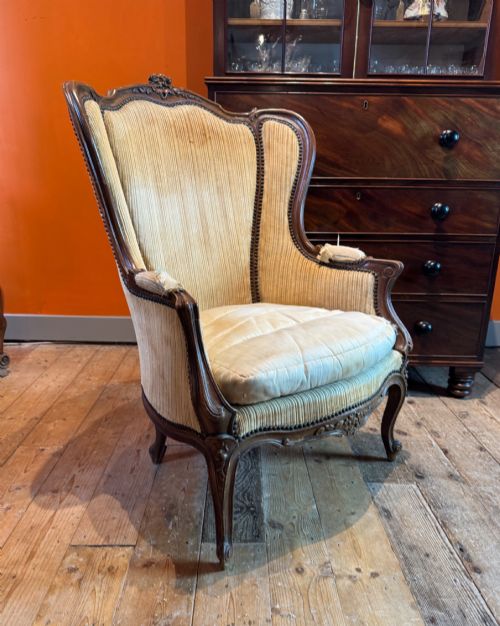
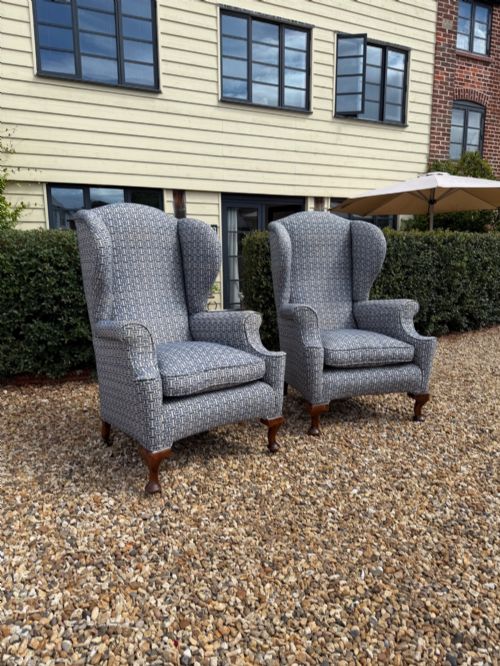
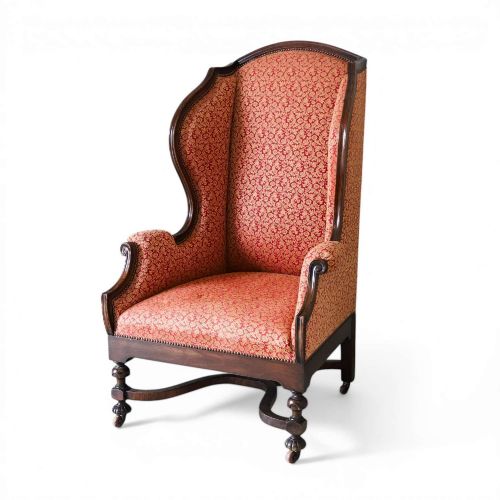
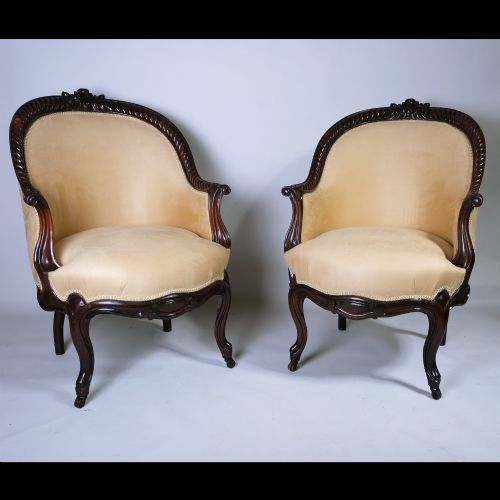
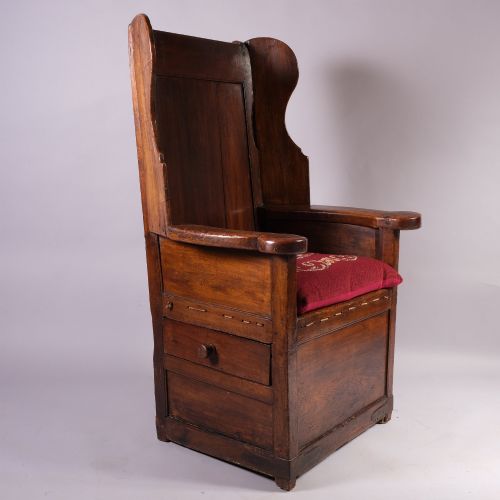
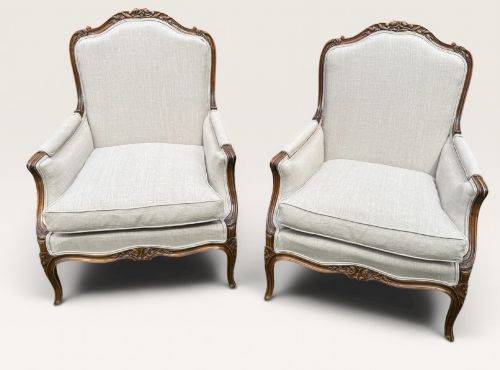
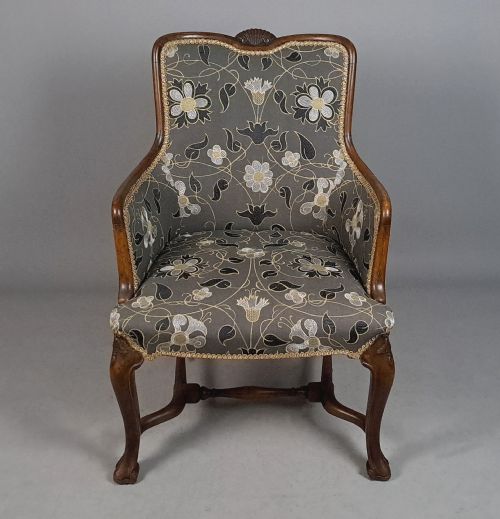
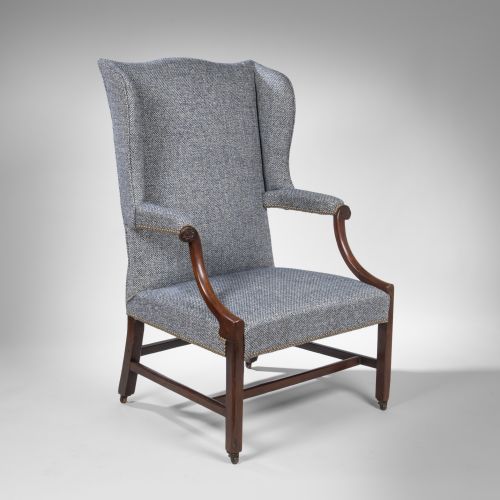
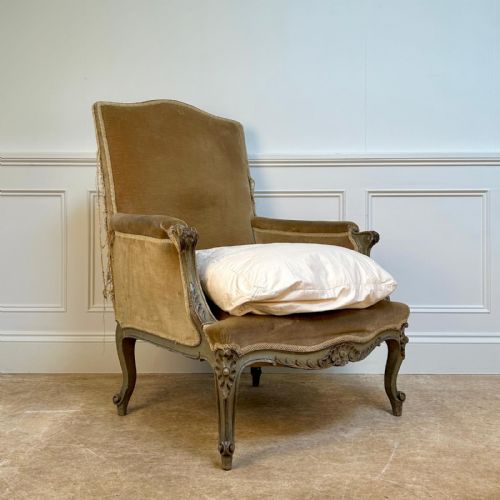
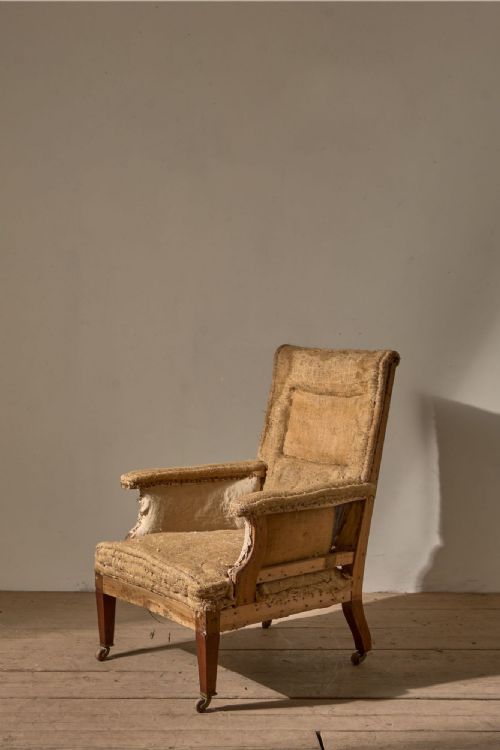
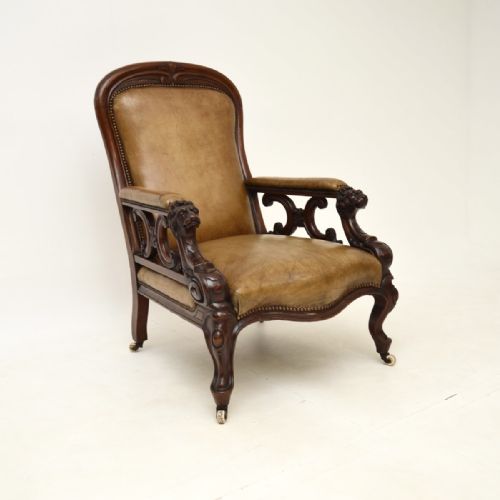
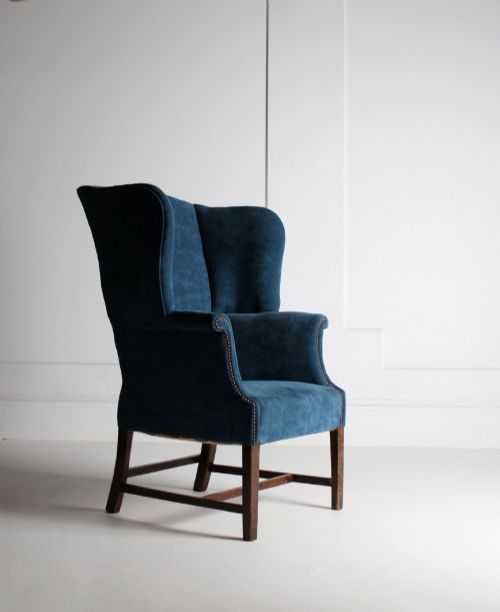
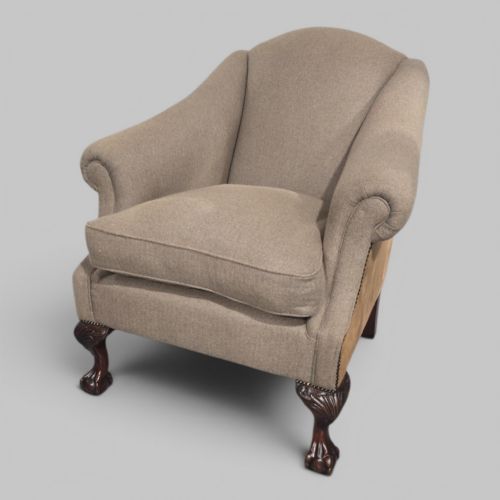
When buyers search for a carved wood fireside armchair, they seek traditional seating designed for domestic comfort, most commonly encountered here in nineteenth-century Victorian or Edwardian forms. The selection encompasses sturdy library armchairs, upholstered gentleman's chairs, and high-backed wing chairs framed in timbers such as mahogany, walnut, and oak. These pieces range from country house styles to ornate revival designs reflecting Queen Anne and Louis XV influences.
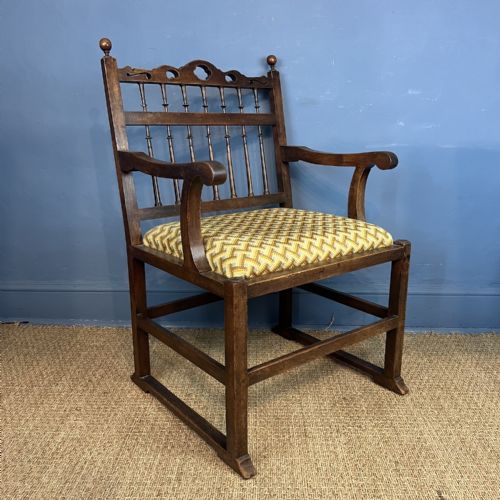
Many examples feature exposed carved wooden frames paired with upholstered seats, backs, and armrests covered in leather, velvet, or woven textile. Alongside standard adult seating, the grouping occasionally includes specialised forms like children's chairs, library armchairs, and barrel-backed seating. Each piece reflects the domestic seating habits of its period, prioritizing solid wooden construction and substantial support near the fireplace.
Materials and construction
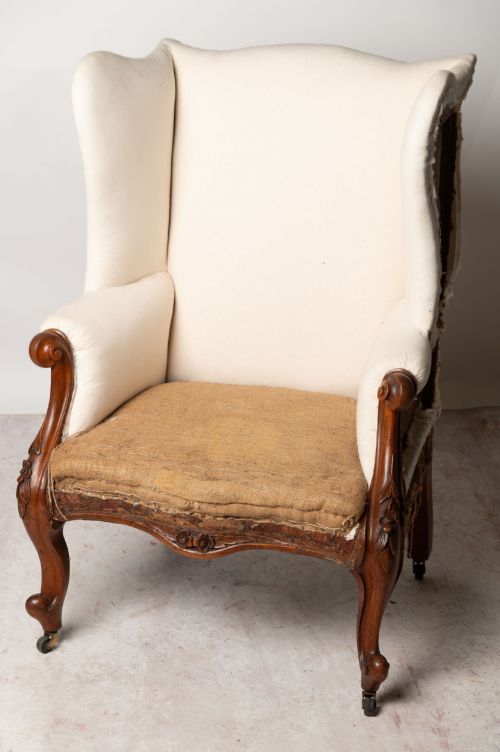
Cabinet makers constructed these frames using dense hardwoods including mahogany, walnut, oak, and elm, often applying detailed hand-carving to cabriole legs, arm supports, and crest rails. Show wood frames display the natural grain of the timber, sometimes enhanced with painted or gilded finishes on French and continental examples.
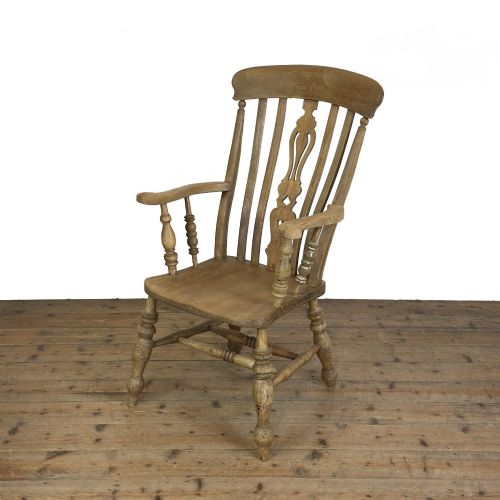
Upholstered components relied on traditional stuffing materials secured within frames built through mortise and tenon joinery. Brass tacks frequently secure leather or textile coverings to the wooden framework, while turning techniques produced decorative spindle elements on windsor and bobbin-turned variations.
Listings span from eighteenth-century Georgian origins through the Victorian era and into the twentieth century, utilising walnut, mahogany, oak, and brass.
Assessing craftsmanship and condition
Quality in these chairs rests upon the crispness of the timber carving and the structural integrity of the hardwood frame. Superior examples display dense, well-figured wood with tight joinery that resists movement under weight.
The sophistication of the silhouette defines the upper tier, seen in balanced proportions, elegant cabriole or tapered legs, and sympathetic upholstery choices that respect the period of the wooden frame.
The Carved Wood Fireside Armchair Glossary
- Bergere
- An enclosed upholstered armchair with a wooden frame where the sides are frequently filled with cane work or upholstery. These French-inspired seats appeared in various nineteenth-century iterations.
- Wing chair
- An armchair with side panels or wings attached to the back, designed to shield the occupant from drafts by the fireplace. Early examples date to the eighteenth century and persisted through the Victorian era.
- Windsor armchair
- A wooden chair constructed with a solid elm or hardwood seat into which the legs and back spindles are wedged directly. Traditional country models often incorporate a bow-shaped back.
- Show wood
- The exposed polished or carved wooden portions of an upholstered armchair frame that remain visible around the fabric or leather. Walnut and mahogany were frequently utilised for this purpose.
Carved Wood Fireside Armchair: Frequently Asked Questions
What defines a fireside armchair?
A fireside armchair is typically built with a supportive high back and upholstered sides designed to retain warmth and block household drafts. These chairs prioritize deep comfort for extended sitting near a hearth.
They utilise sturdy wooden frames carved from materials like mahogany or walnut to support heavy domestic use over generations.
How do I identify a Victorian armchair?
Victorian armchairs often feature rich walnut or mahogany frames with deep button-backed upholstery and robust carved detailing. The timber shows dark patination accumulated through decades of use.
These pieces frequently combine revival styles with heavier proportions than their eighteenth-century predecessors.
What timber was used for these chairs?
Cabinet makers predominantly utilised mahogany, walnut, and oak for formal library and parlour seating. Elm and local hardwoods were frequently selected for country Windsor chairs.
Exposed wooden sections, known as show wood, display the natural grain and colour of these durable materials.
Are these chairs suitable for daily use?
Most antique armchairs are structurally robust and built from dense hardwoods capable of handling regular domestic seating. Many surviving examples have been reupholstered to suit modern comfort standards.
Care should be taken to check that internal joints and frames remain stable before heavy daily placement.