


Carved Wood Dog
Carved wood dog figures span centuries of European and Asian artistry, turning timber into loyal hounds and mythical temple guardians.
Carved Wood Dog
A carved wood dog encompasses everything from European Black Forest desk accessories to Chinese Foo dogs and traditional animal sculptures.
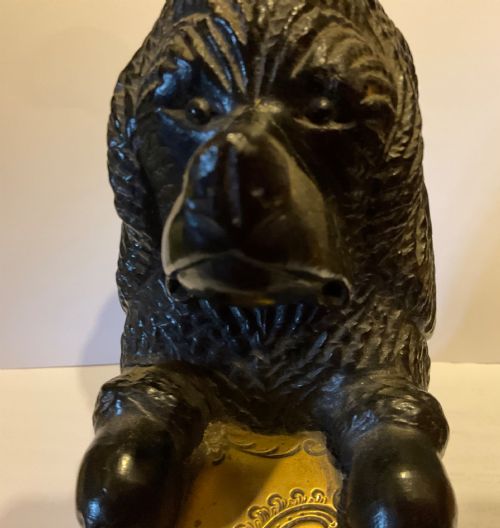
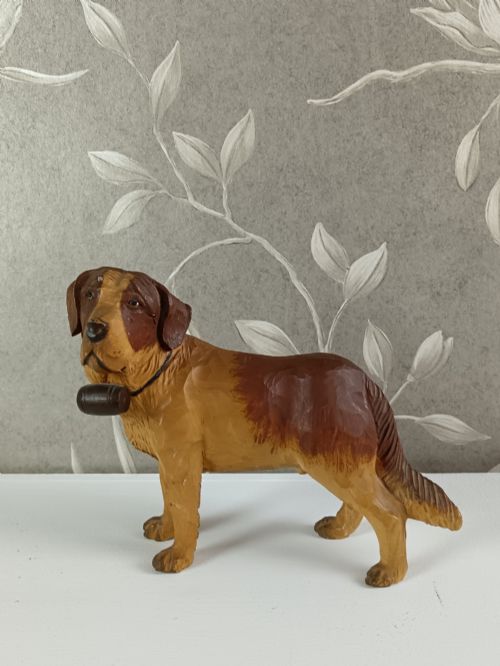
The most common examples on this page are Black Forest items like inkwells, tobacco boxes, and bookends originating from the nineteenth century.
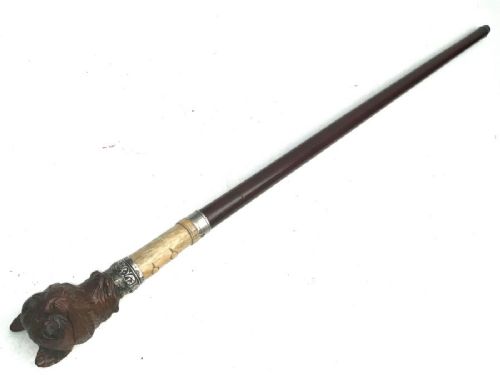
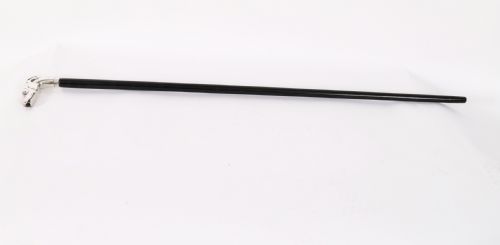
Buyers also encounter Asian temple guards, walking stick handles, and animal figures carved from hardwoods, fruitwoods, and linden wood.
How they were made
Carvers shaped these objects using timbers such as fruitwood, boxwood, walnut, linden, and root wood, often applying surface finishes like lacquer or gilt.
Many European and Asian items combine hand-carved animal forms with functional elements like glass eyes, brass hinges, or metal ink inserts.
Certain Victorian hounds double as cigar holders, proving that even stern watchdogs appreciate a smoke.
What varies in quality
The distinction between ordinary and superior pieces rests on the depth of the carving and the naturalism of the animal's form and expression.
Master carvers achieved distinct anatomical precision in musculature and fur, whereas lesser pieces display rigid lines and simplified tool marks.
Hans Huggler Seiler·Maison F Mack
The Carved Wood Dog Glossary
- Black Forest
- A style of wood carving originating from the Swiss and German mountain regions during the nineteenth century. These items typically depict regional animals and botanical motifs.
- Treen
- Small handmade wooden objects for domestic use, spanning centuries of British and European craft. Items include boxes, inkwells, and small containers.
- Root wood
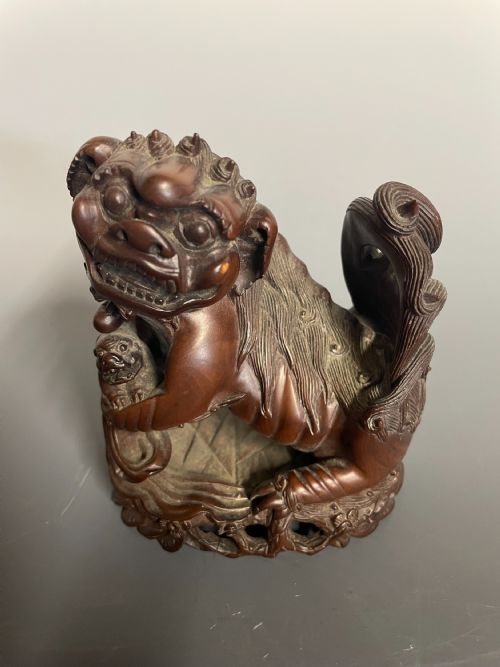
- A dense and irregularly shaped material salvaged from tree roots, utilised by Chinese carvers to follow natural contours in figural sculptures.
Carved Wood Dog: Frequently Asked Questions
How do I identify Black Forest carvings?
Black Forest carvings are typically rendered in linden wood, walnut, or fruitwood, showing naturalistic subjects like dogs, bears, and foliage. Many of these nineteenth-century items serve a dual purpose as inkwells, match holders, or humidors.
Look for deep undercutting and expressive glass eyes, which distinguish Swiss and German regional workshops from mass-produced tourist wares of later decades.
What are Chinese Foo dogs?
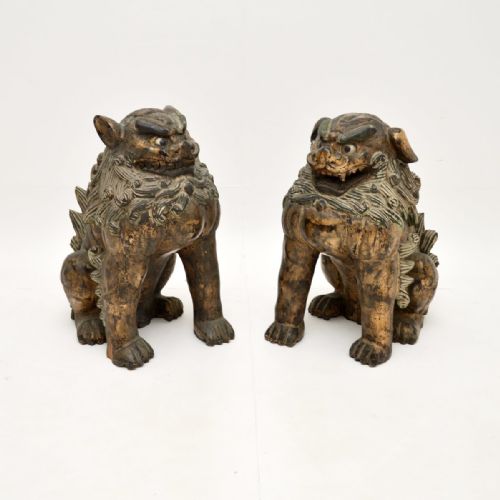
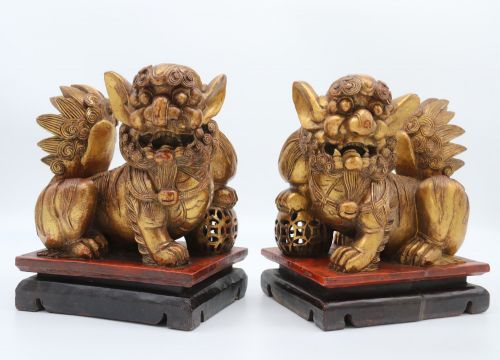
Chinese Foo dogs represent mythical guardian lions traditionally placed outside temples and imperial palaces for protection. Carved from hardwoods and root wood, they often appear in pairs guarding spheres or cubs.
These sculptures date across the eighteenth and nineteenth centuries, frequently incorporating gilt, lacquer, or polychrome paint upon the timber surface.
How were wooden dog inkwells used?
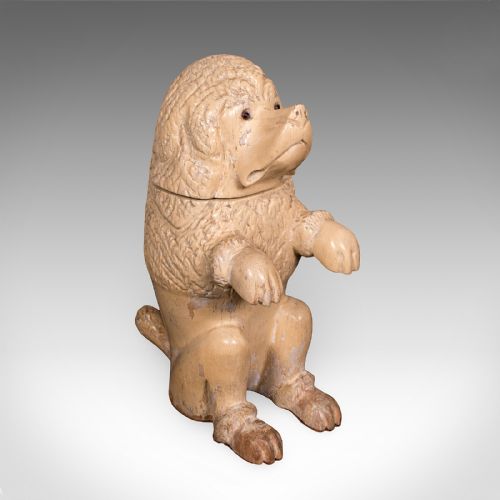
Nineteenth-century desk accessories often incorporated carved dogs whose heads lifted on hinges to reveal glass ink inserts within. Writers kept them on study desks alongside pen stands and blotters.
Fidelity of the animal carving determined the quality of these functional novelties, which transformed routine stationery into decorative sculpture.
How do I care for antique carved wood?
Antique wooden carvings require stable indoor humidity away from direct sunlight and heat sources to prevent timber splitting. Dusting with a soft, dry brush preserves the intricate recesses of the hand-carved fur and grain.
Avoid liquid polishes and commercial cleaners, which can build up on nineteenth-century finishes and degrade lacquered or gilt surfaces.