

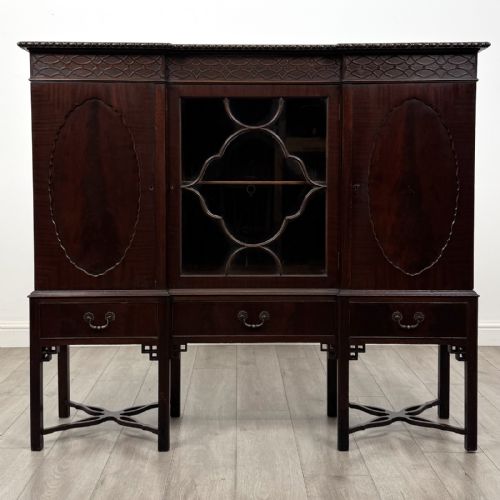
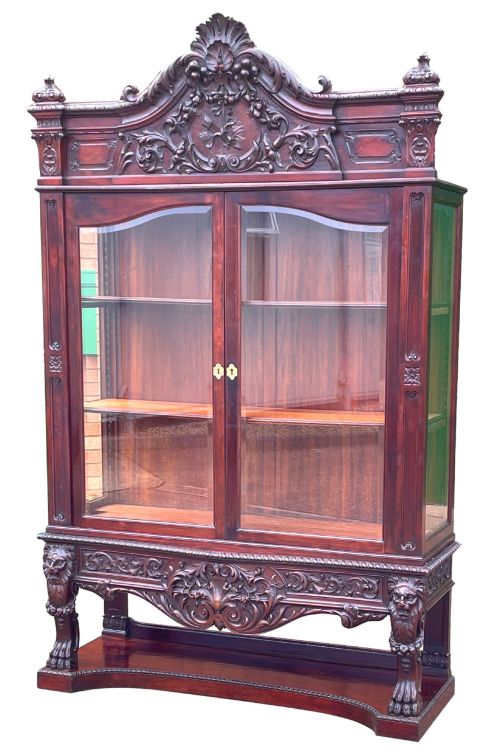

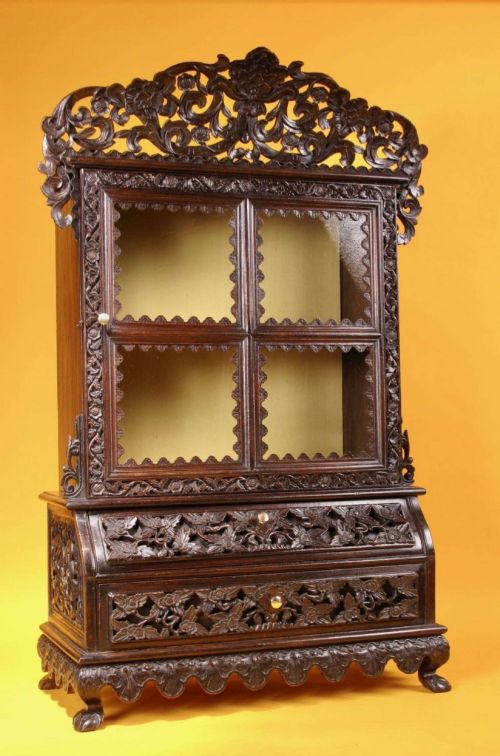
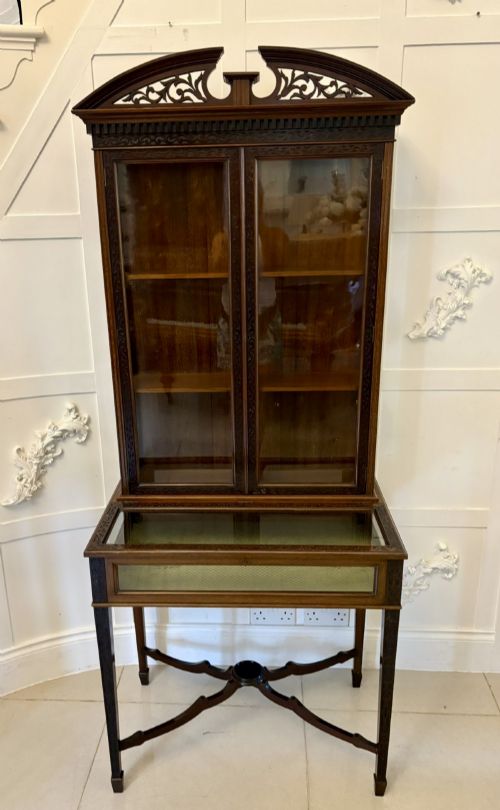




Carved Wood Display Case
These carved wood display case examples bring together centuries of craftsmanship to protect and showcase treasured items.
Carved Wood Display Case
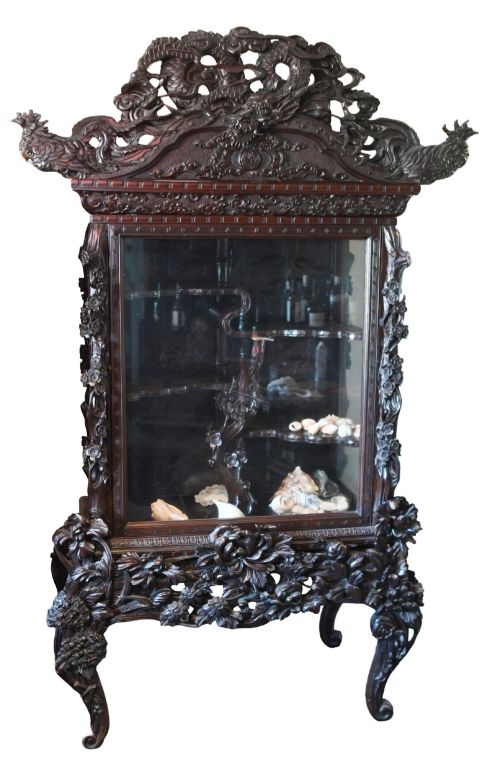
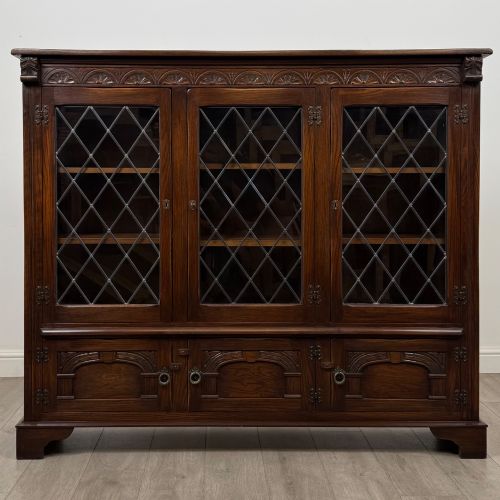
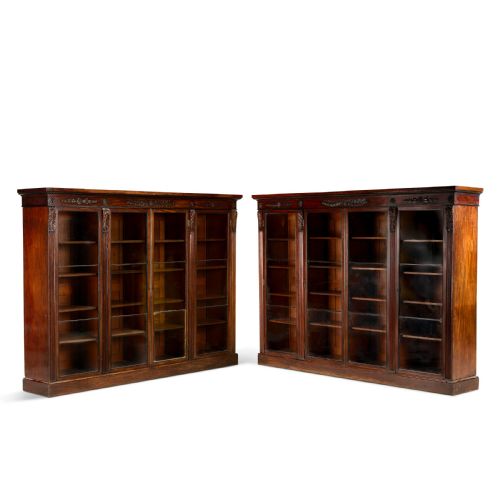
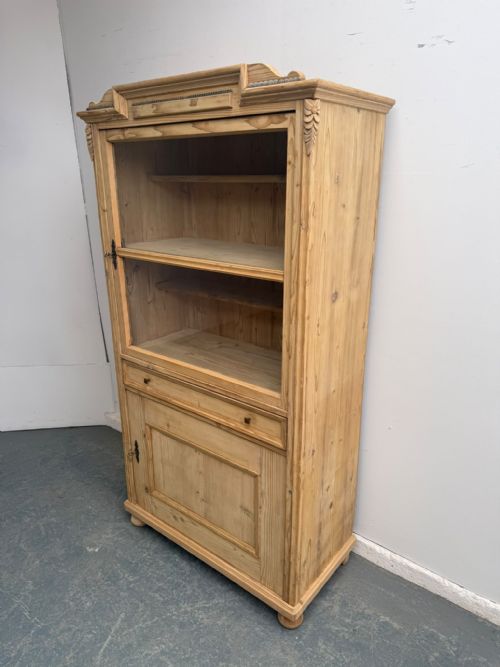
A carved wood display case provides structured storage and visibility for objects, ranging from wall-hanging cabinets to large breakfront bookcases and floor-standing vitrines. When you examine a carved wood display case on this page, you encounter pieces originating primarily from the nineteenth and early twentieth centuries, spanning Victorian, Edwardian, Regency, and Meiji periods.
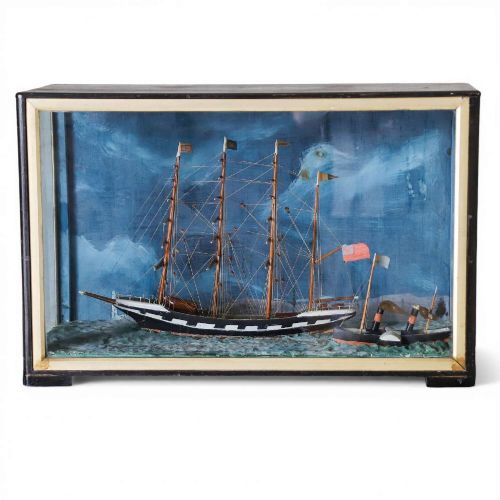
The forms vary widely in scale and purpose, including specialised bijouterie cabinets, maritime shadow boxes, retail shop counters, and wall shelves. Mahogany, oak, walnut, and cedar frequently form the primary structure, often complemented by glazed doors, mirrored backs, and fabric linings.
Regional styles introduce distinct aesthetic elements, from Anglo-Indian and Oriental detailing to French Chateau influences and Jacobean Revival motifs. Buyers seeking a carved wood display case generally select pieces based on specific spatial requirements, wood types, and period characteristics.
Materials and construction methods
Makers utilised dense timbers such as mahogany, oak, walnut, and cedar to build the main bodies of these cabinets, often applying detailed hand-carvings directly into the wood. Structural integrity depended on sturdy joinery, while decorative flourishes incorporated applied mouldings, giltwood accents, and carved pediments.
Glass panels fitted into wooden doors and sides allowed light to enter the interior compartments, frequently paired with mirrored backs to enhance visibility. Brass hardware, fabric linings, and leaded glass sections completed the construction of these functional storage items.
Carved Wood Display Case Retail Price Guide 2026
Typical asking prices for carved wood display case among the pieces listed under this phrase on Sellingantiques today, from the lower quarter to the upper quarter. They describe what is for sale here now, not the wider market.
Listings incorporate woods such as mahogany, oak, walnut, cedar, hardwood, and pine, paired with glass, brass, mirror, and fabric.
Distinctions in craftsmanship and design
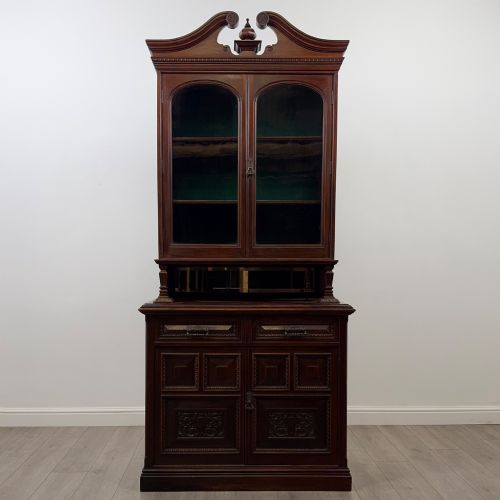
The standard of a carved wood display case rests on the crispness and depth of the manual woodwork, alongside the selection of finely grained timbers like mahogany or walnut. Superior examples display balanced proportions, integrated decorative elements such as swan neck pediments, and high-grade glazing.
Secondary factors include the complexity of the cabinet form, whether breakfront, bow-fronted, or fitted with specialised internal shelving and bijouterie compartments. Cabinets with documented provenance or distinctive regional carving styles occupy the upper tiers of quality.
Gillows
The Carved Wood Display Case Glossary
- Bijouterie cabinet
- A display case specifically designed with a glass top and upper section to hold small valuables, jewellery, and curiosities.
- Breakfront
- A cabinet design where the central section projects forward from the flanking outer sections, creating architectural depth.
- Pediment
- The decorative architectural structure surmounting the top of a cabinet, frequently seen in swan neck or triangular forms.
- Vitrine
- An all-glass or heavily glazed display cabinet intended for the exhibition of porcelain, art objects, and decorative items.
- Shadow box
- A deep, enclosed glass-fronted frame used to display three-dimensional objects, maritime dioramas, and folk art.
Carved Wood Display Case: Frequently Asked Questions
What periods do these cabinets represent?
The selection spans the nineteenth and early twentieth centuries, featuring distinct Victorian, Edwardian, Regency, and Meiji period examples.
Craftsmanship from these eras relies on traditional woodworking methods and period-specific decorative styles.
How were these cases originally used?
These cabinets served multiple functions in homes and commercial settings, from domestic libraries and drawing rooms to pharmacies and retail shops.
Owners utilised them to store books, exhibit collections, and protect delicate objects from dust while maintaining visibility.
What woods are commonly found?
Mahogany, oak, walnut, and cedar appear frequently across the inventory, often selected for their durability and grain pattern.
Secondary materials such as brass hardware, glass, mirrors, and fabric linings complement the primary timber structures.
How do I identify different styles?
Styles manifest through specific decorative details, such as the heavy mouldings of Jacobean Revival or the intricate hand-carvings of Anglo-Indian and Meiji pieces.
Architectural elements like swan neck pediments and leaded glass doors further distinguish regional and period aesthetics.