
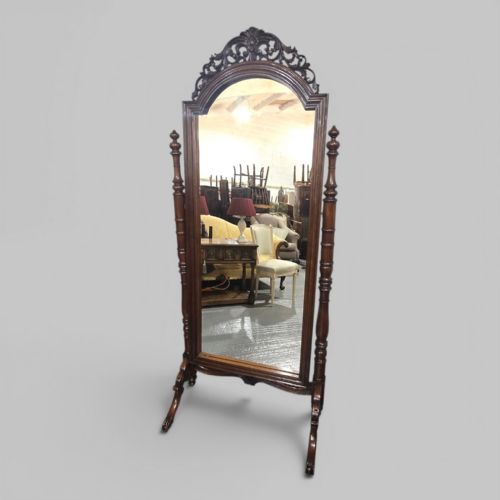


Carved Wood Cheval Mirror
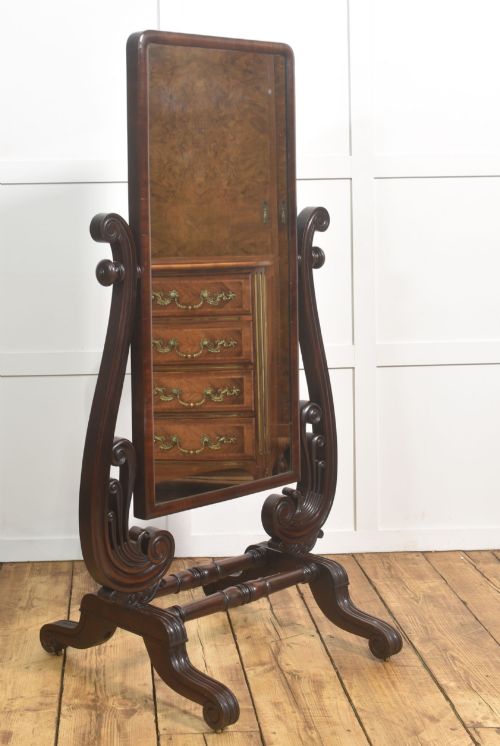
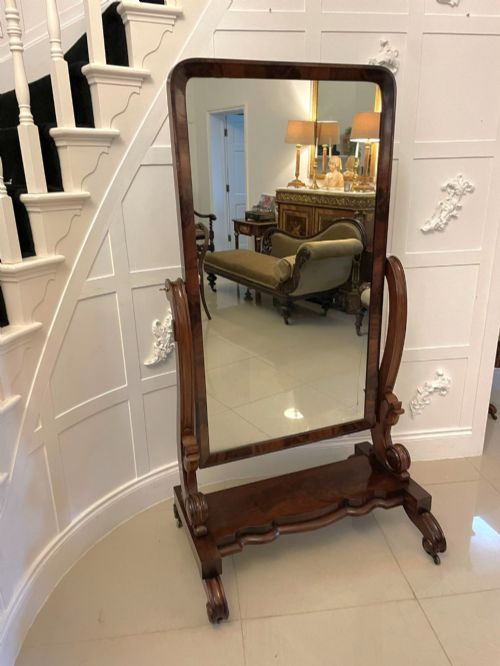
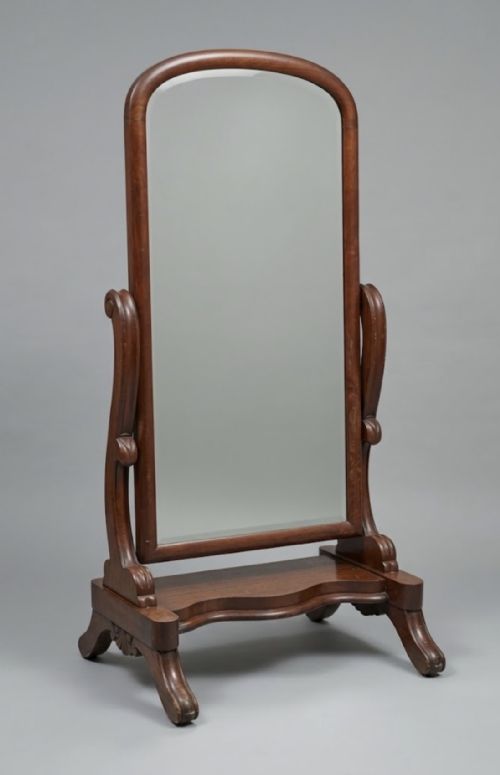
A carved wood cheval mirror gives you a full-length reflection in a heavy frame that tilts on pivots, combining practical dressing use with grand decorative presence.
Carved Wood Cheval Mirror
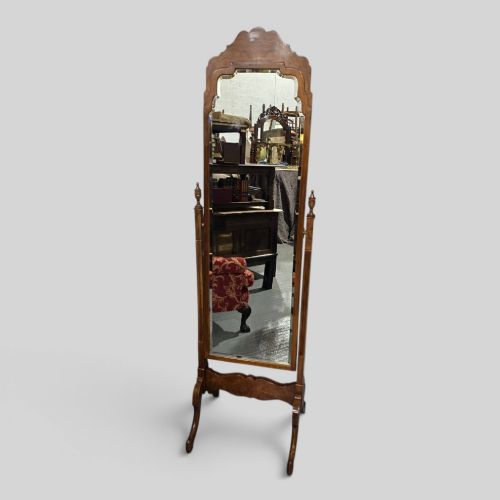
A carved wood cheval mirror provides a full-length pivoting glass mounted in a sturdy floor-standing frame, designed primarily for bedroom dressing and room illumination. When searching for this phrase, you will most frequently encounter mahogany examples from the nineteenth century alongside walnut, oak, and giltwood alternatives.
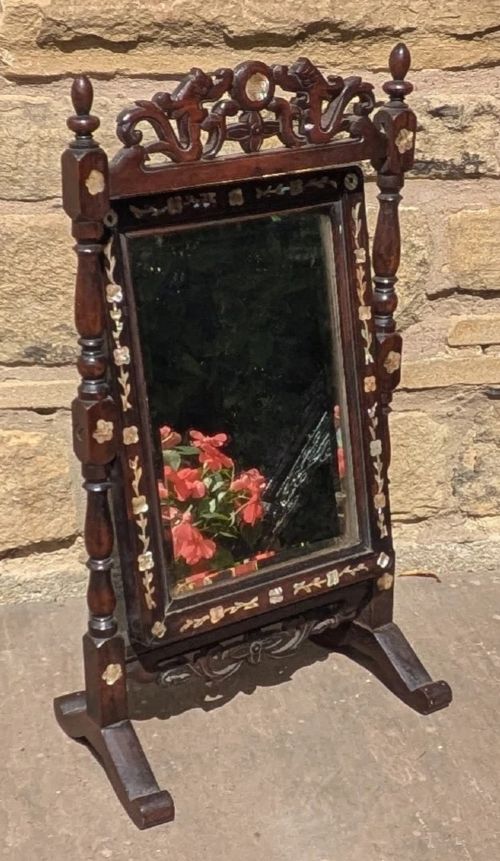
The selection ranges from tall nineteenth-century Victorian floor-standing mirrors to compact William IV, Regency, and Georgian dressing table variations. Alongside standard European timbers, pieces appear in exotic materials like Chinese hardwood with mother of pearl inlay or cherrywood.
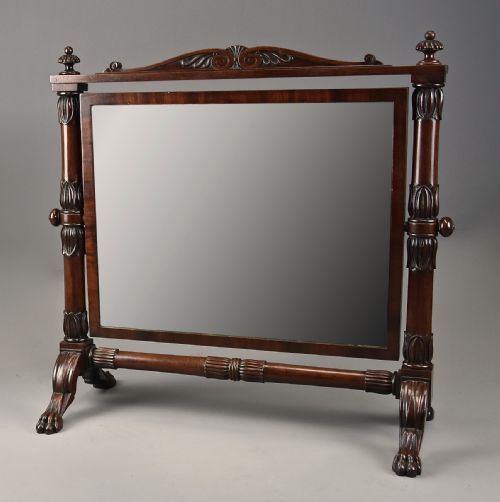
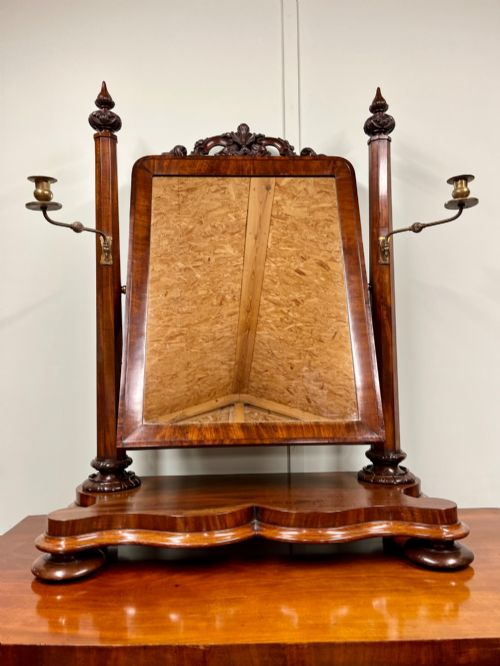
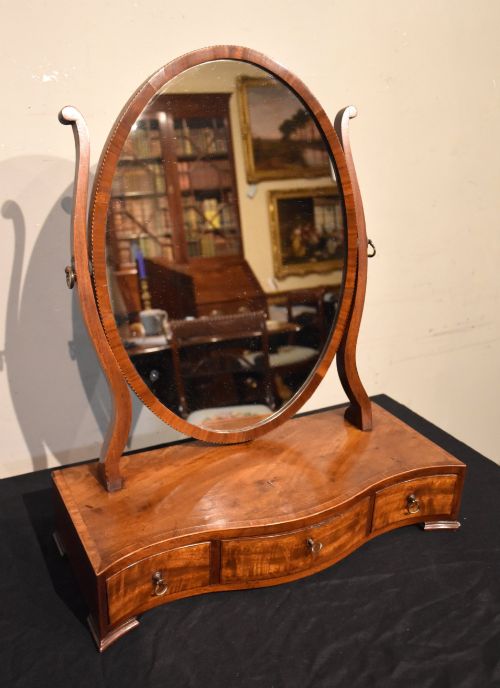
Many items operate as swing mirrors on pedestals or sit atop tables rather than standing freely on the floor, though all share the characteristic pivoting frame mechanism. Makers and styles span periods from the Georgian era through to the Edwardian period and the early twentieth century.
Materials and Construction
Frames are principally constructed from dense timbers like mahogany, walnut, and oak, often shaped with hand carving or finished in giltwood, gesso, and brass fittings. Craftsmen joined the upright support posts to heavy floor trestles or stable console bases to bear the considerable weight of the swinging glass.
The mirror glass itself is held within a secondary swing frame secured by adjustable pivot screws or brass side pins, allowing the user to tilt the angle of reflection. Decorative details rely on carved woodwork, inlaid mother of pearl, or water gilding applied directly to the wooden structure.
Mahogany and giltwood dominate the nineteenth-century selections, accompanied by walnut, oak, and brass elements.
Judging Quality and Craftsmanship
Quality reveals itself in the weight and selection of the timber, the depth and crispness of the hand carving, and the robustness of the pivot mechanism. Superior examples utilise dense Cuban mahogany or finely figured burr walnut with substantial support pillars that prevent any wobble in the swinging frame.
Lesser pieces feature thinner stock timber, mechanical rather than hand-carved ornamentation, or poorly anchored pivot pins that fail to hold the glass at the desired angle. The sophistication of the base design and the clarity of the original mirror glass further separate standard utility items from top-tier workshop productions.
P and MA Nicholson·Waring and Gillow·Gillows
The Carved Wood Cheval Mirror Glossary
- Cheval mirror
- A large floor-standing mirror mounted on a vertical frame with pivots that allow it to swing back and forth. The term derives from the French word for horse, referring to the four-legged frame trestle.
- Giltwood
- Wood that has been coated with a thin layer of gold leaf or powder over a preparation of gesso. It provides a bright, reflective surface favoured in formal Regency and Victorian interiors.
- Gesso
- A plaster-like material applied to wood frames to create a smooth surface for subsequent carving or gilding. It allows artisans to model intricate relief ornamentation before applying gold leaf.
- Pivot
- The central metal pin or screw set into the sides of the mirror frame that connects it to the upright supports. This mechanism enables the glass to tilt smoothly to various viewing angles.
- Toilet mirror
- A smaller mirror designed to sit on top of a dressing table or chest of drawers rather than standing directly on the floor. These share the same pivoting swing mechanism as their taller counterparts.
Carved Wood Cheval Mirror: Frequently Asked Questions
How do I adjust a loose mirror?
Most pivoting frames rely on brass thumbscrews or tension nuts fitted into the side posts. Tightening these threaded pins increases friction against the frame to hold the glass firmly in place.
If the mechanism lacks external screws, look for internal friction springs or washers behind the side caps that may need replacing to restore tension.
Where should I place a floor mirror?
Position the piece perpendicular to a window to bounce natural daylight across the room rather than placing it directly opposite, which can create harsh glare. Ensure the floor surface is level so the heavy support trestles distribute weight evenly.
Allow sufficient clearance around the base and swing arc so the glass can tilt fully without striking nearby furniture or walls.
How can I tell the period?
Examine the timber species, structural joinery, and the style of the carving on the frame supports. Regency and William IV pieces often feature bold mahogany scrolls and brass mounts, while Victorian examples show heavier proportions and Gothic or serpentine outlines.
Look for hand-beveled edges on the glass and timber peg construction, which typically indicate older nineteenth-century craftsmanship compared to twentieth-century alternatives.