




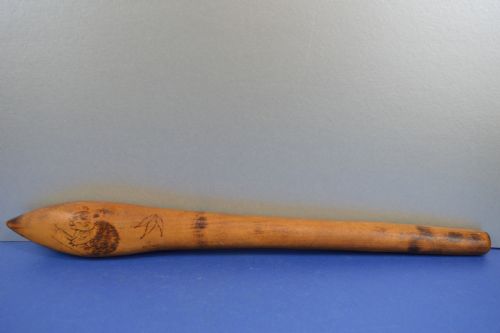


Carved Wood Artefact
A carved wood artefact carries the distinct hand of its maker, bringing tangible history and ritual function straight into your room.
Carved Wood Artefact
When you search for a carved wood artefact, you enter a diverse field spanning tribal objects, religious sculpture, and traditional implements. These items range from utilitarian tools and weapons to sacred masks and figures created across various continents.
The most common examples on this page hail from the nineteenth century, encompassing African tribal works, Oceanic war clubs, and Indigenous Australian hunting gear. Alongside these ethnic pieces, European ecclesiastical carvings and Asian ritual items appear regularly.
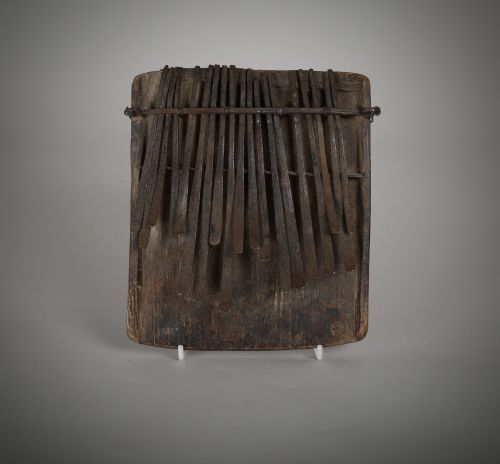
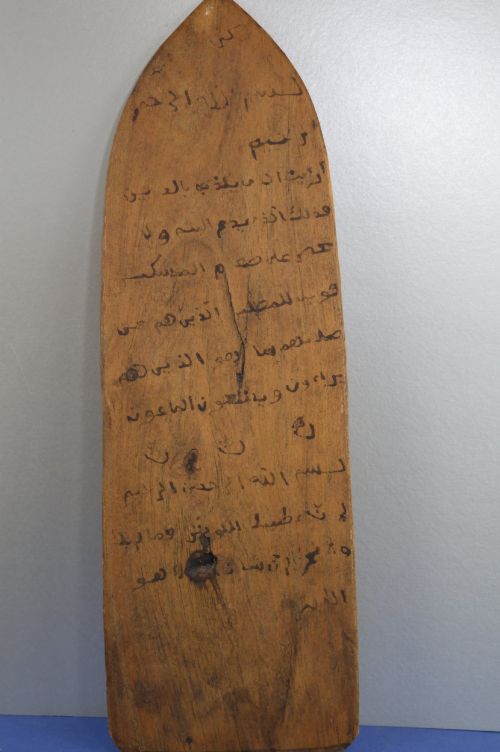
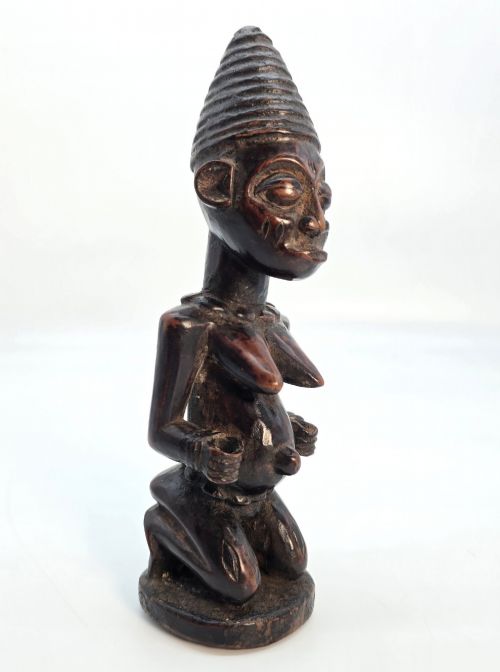
Forms vary from utilitarian items like pulleys and prayer boards to expressive sculpture, including figures of deities, animal displays, and ceremonial headdresses. Each piece represents a specific cultural tradition and functional purpose from its period.
How they were made
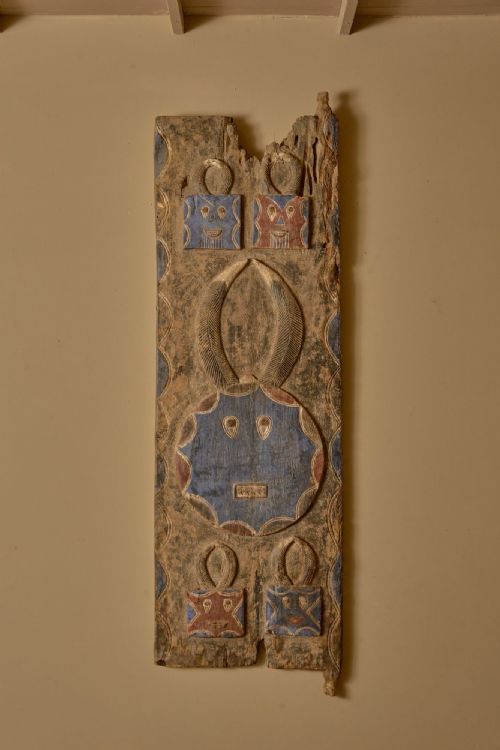
Maker communities utilised indigenous hardwoods and general timber stocks suited to the local environment, shaping the material with hand tools such as adzes and chisels. Many surfaces received supplementary decoration through applied pigment, polychrome paint, or bone inlay.
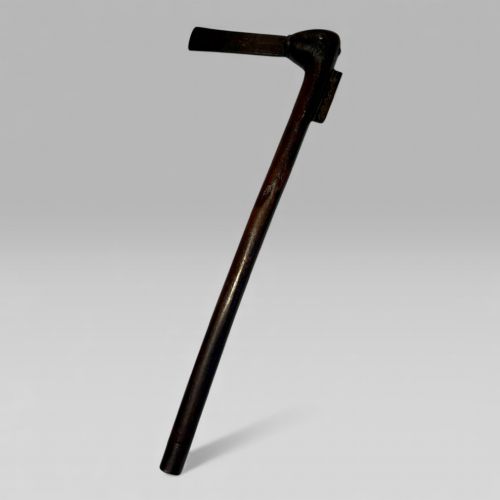
Structural elements occasionally incorporate alternative materials like iron for reinforcement or bone for detail, particularly within composite functional objects like pipes and clubs. The resulting texture reflects both the inherent grain of the wood and the deliberate marks of the carving process.
Carved Wood Artefact Retail Price Guide 2026
Typical asking prices for carved wood artefact among the pieces listed under this phrase on Sellingantiques today, from the lower quarter to the upper quarter. They describe what is for sale here now, not the wider market.
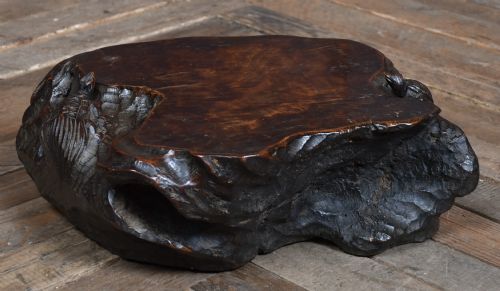
Among the utilitarian items sits a carved wooden turtle designed specifically to hold a miniature bonsai tree.
What varies in quality
The distinction between standard examples and exceptional pieces rests upon the confidence of the carving and the purity of the cultural form. Stronger works display decisive tool control and anatomical or decorative proportions true to their specific tribal or regional origin.
Wear patterns and original surface patination significantly influence the standing of an object, separating genuine functional pieces from lesser or later interpretations. Original pigment or polychrome remains, where present, add depth to the material history of the work.
The Carved Wood Artefact Glossary
- Knobkerrie
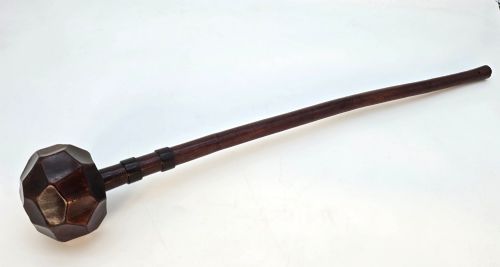
- A traditional southern African club featuring a heavy wooden knob at the end of a shaft. It served as both a weapon and a status symbol.
- Polychrome
- Decorated in multiple colours. This technique appears on carved figures and masks to enhance ritual or theatrical expression.
- Woomera
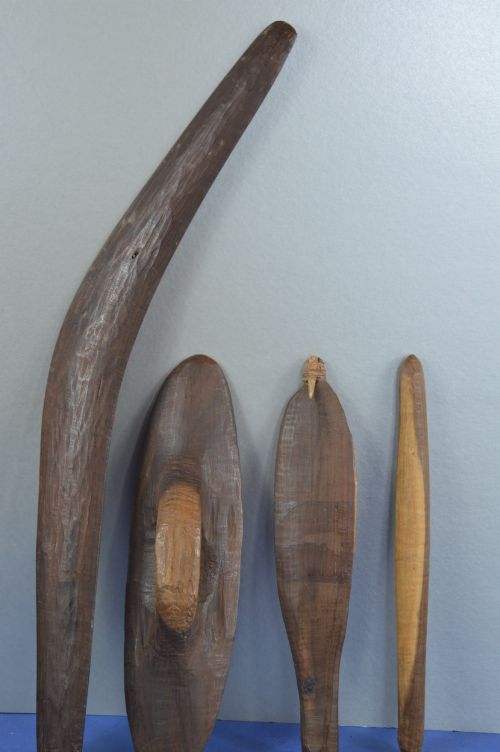
- An Australian Aboriginal spear-thrower that acts as an extension of the arm to increase velocity. These items frequently feature carved grooves and attached implements.
- Ecclesiastical
- Relating to the Christian Church or clergy. These carvings typically originate from European religious settings, depicting saints or biblical scenes.
Carved Wood Artefact: Frequently Asked Questions
What is a carved wood artefact?
A carved wood artefact is a manually shaped object created for ceremonial, utilitarian, or religious purposes across various historical societies.
These pieces encompass tribal masks, clubs, figures, and architectural fragments fashioned from regional timbers.
How do I identify tribal artefacts?
Tribal artefacts are identified through their distinct regional forms, traditional carving techniques, and specific cultural iconography.
Examining the wood type, tool marks, and surface patination helps determine the geographic origin and period.
Where did these wooden artefacts originate?
The available pieces originate from diverse regions including West, Central, and South Africa, the Oceanic islands, Australia, Asia, and Europe.
Each geographic area developed distinct carving styles tied to local materials and cultural traditions.
How do I care for wooden artefacts?
Wooden artefacts require stable environmental conditions away from direct sunlight and extreme humidity fluctuations to preserve the material.
Avoiding harsh cleaning agents protects original surface finishes, pigments, and historic patination.