

Carved Wood Arm
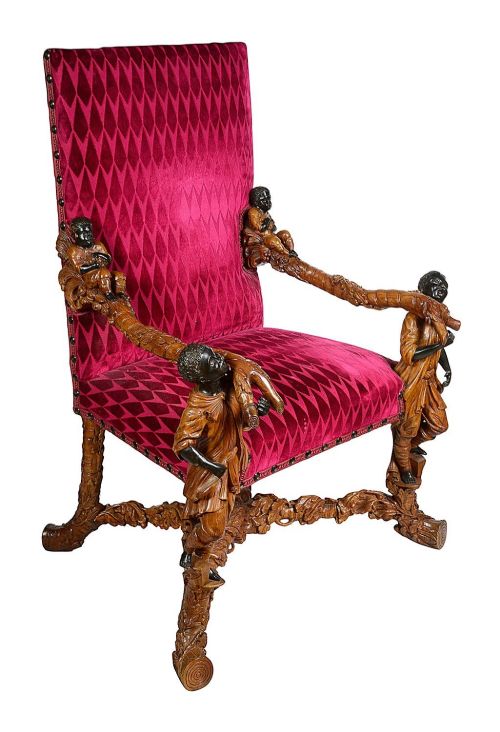
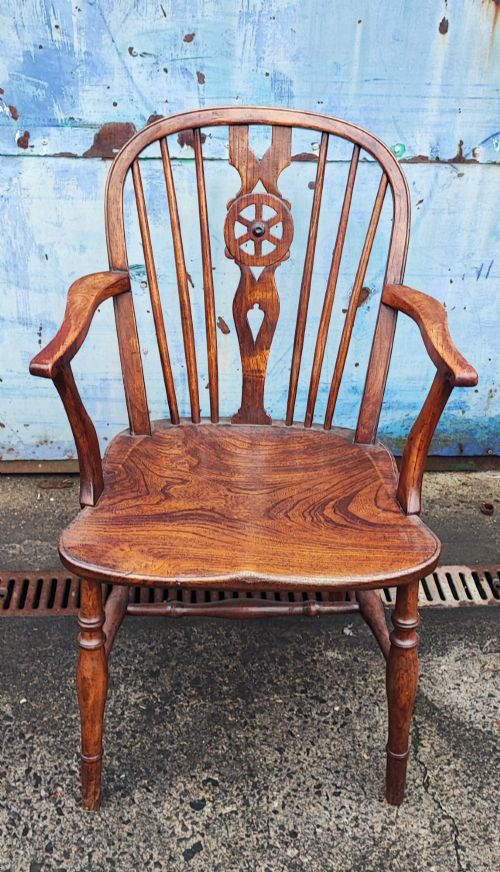
When you search for a carved wood arm, you find chairs and seating components shaped by hand from mahogany, oak, and walnut across several centuries.
Carved Wood Arm
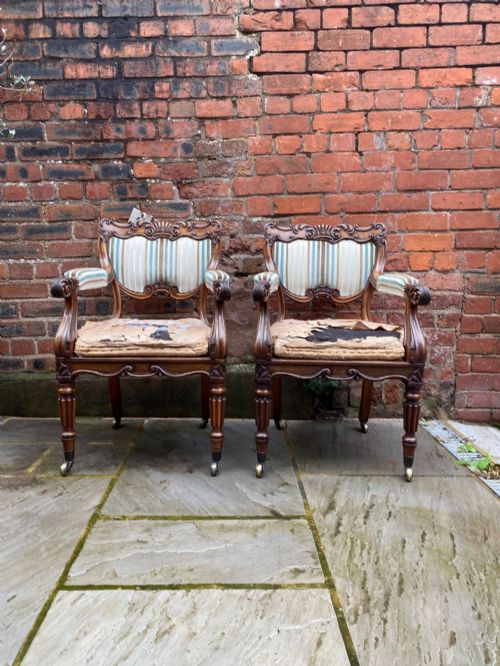
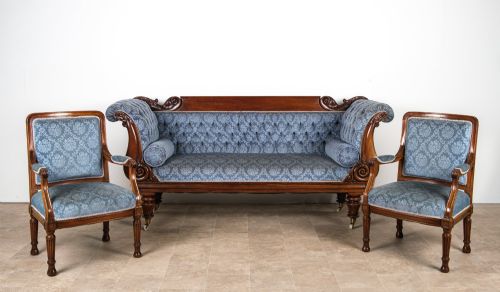
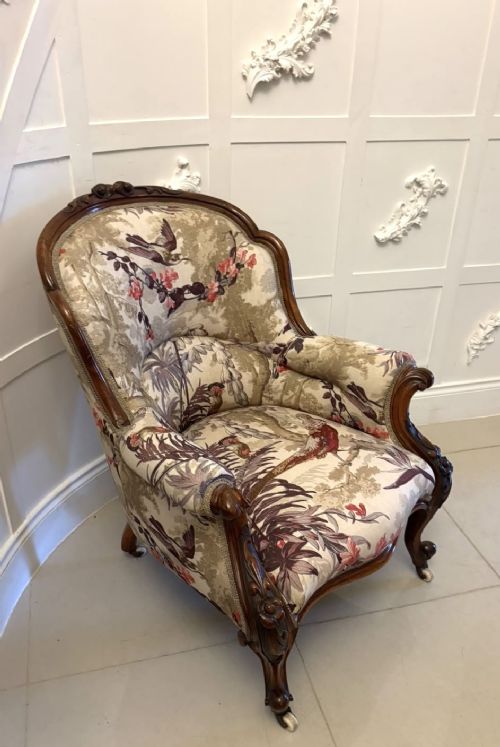
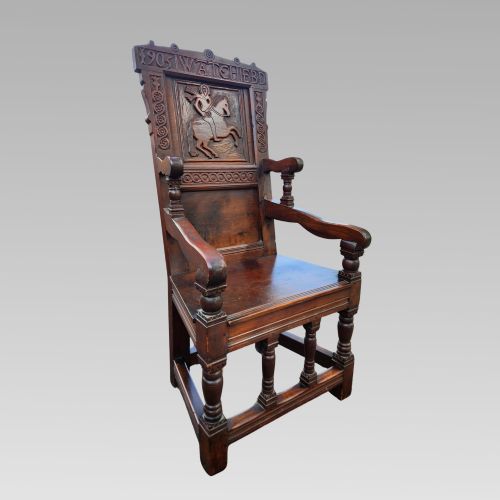
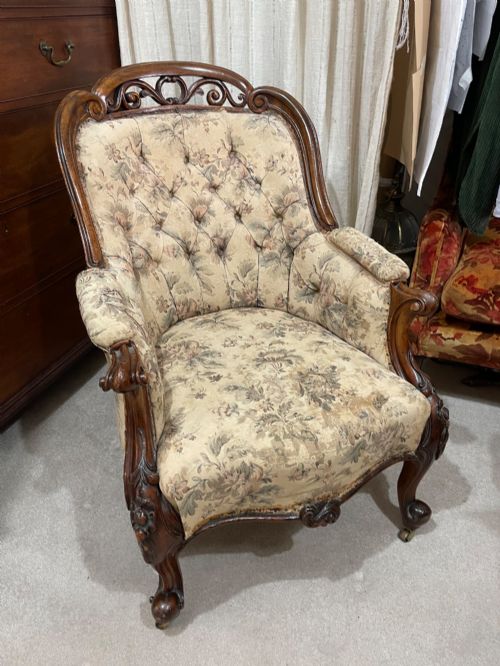
A carved wood arm search brings up armchairs, dining chairs, desk chairs, and benches originating from periods such as the seventeenth century, the Georgian era, and the nineteenth century. The most common forms on this page are mahogany and oak armchairs built in Victorian, Regency, and revival styles.
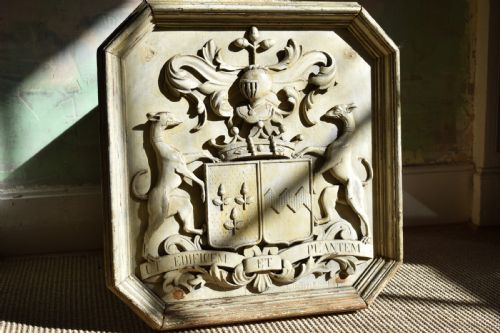
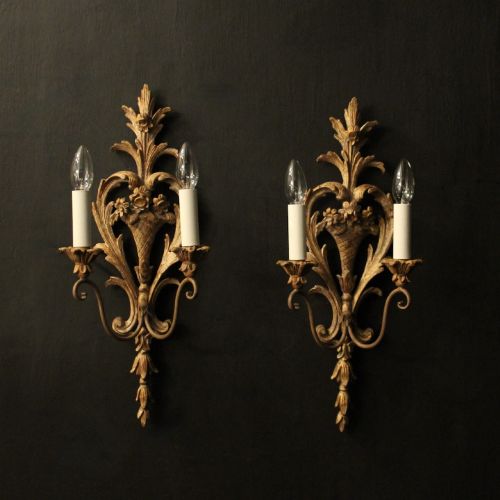
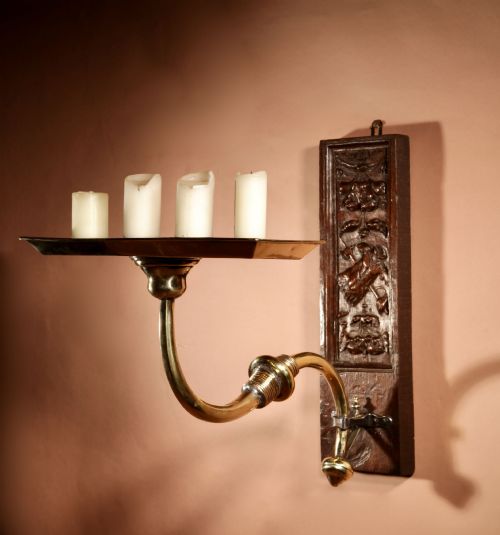
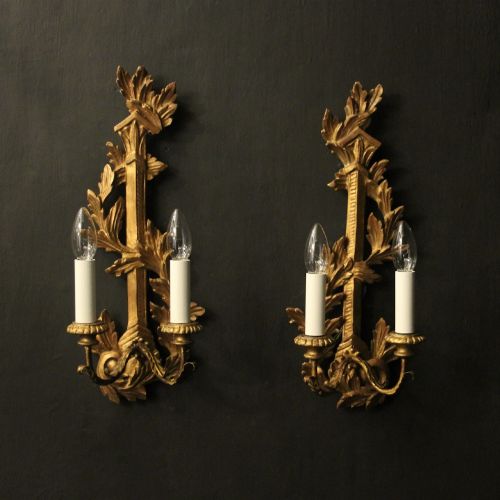
Makers shaped these supports as scroll arms, elbow rests, and structural frameworks for seating. Alongside chairs, the selection includes wall lights, chandeliers, and armorial shields that incorporate carved wooden elements.
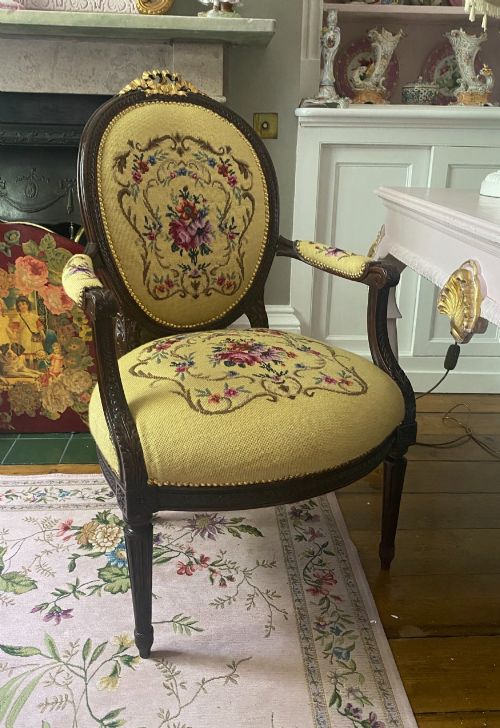
Pieces span English workshops, French studios, and Italian Florentine production. Each item integrates structural timber with decorative carving suited to domestic and formal interiors.
Materials and construction methods
Carpenters utilised dense hardwoods including mahogany, oak, walnut, and exotic timbers such as goncalo alves and oriental hardwood. These woods provided the structural integrity required for weight-bearing chair arms and frames.
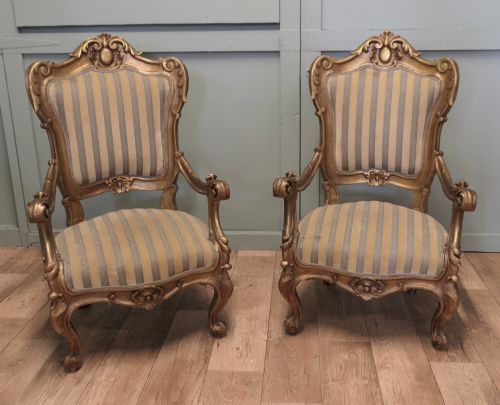
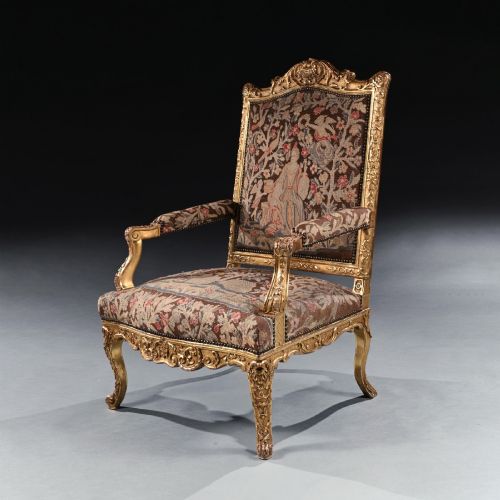
Craftsmen shaped the timber using hand chisels and gouges to produce scrolling terminals, cabriole profiles, and baronial relief patterns. Giltwood pieces received layers of gesso and gold leaf over the carved wooden base.
Joinery combined traditional mortise and tenon joints with pinned connections to secure the arms to the uprights and seat rails.
Carved Wood Arm Retail Price Guide 2026
Typical asking prices for carved wood arm among the pieces listed under this phrase on Sellingantiques today, from the lower quarter to the upper quarter. They describe what is for sale here now, not the wider market.
Elephant arm chairs from the Art Deco period stand ready to grasp your coat.
Factors influencing quality
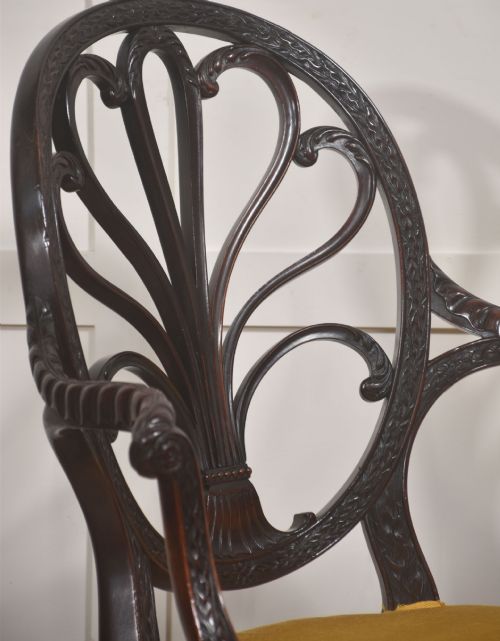
Depth and crispness of the carving dictate the distinction between standard production and exhibition grade work. Skilled carvers achieved undercut foliage and smooth, continuous grain alignment along the curve of an elbow rest.
Selection of timber grain and structural stability determine the longevity of the frame. Superior examples maintain tight joints and retain original surface patination without excessive sanding or timber replacement.
Giles Grendey·Andrea Brustolon·Colefax and Fowler
The Carved Wood Arm Glossary
- Armchair
- A seat fitted with side supports for the arms. These include open arm designs and upholstered elbow chairs.
- Giltwood
- Timber coated with gold leaf or metallic powder applied over a prepared gesso ground. This finish appears frequently on wall lights and decorative frames.
- Mahogany
- A durable, reddish-brown tropical hardwood favoured for eighteenth and nineteenth century seating furniture. It accepts fine detail work during carving.
- Bergère
- An enclosed French armchair with upholstered sides and a cane or padded back. Examples often incorporate exposed wooden frames.
Carved Wood Arm: Frequently Asked Questions
How do I identify a Georgian carved wood arm?
Georgian armchairs show restrained proportions, mahogany construction, and carved details such as acanthus leaves on the knuckles or scroll terminals. The wood exhibits a deep natural patina developed through prolonged use.
Compare the joinery under the seat frame with later revival pieces to confirm the period construction methods and timber maturity.
Were these wooden arms painted or polished?
Finishes varied according to origin and style, ranging from clear wax polish on mahogany and oak to applied gesso and gold leaf on Florentine or French pieces. Some items utilised polychrome paint.
Inspect the surface under magnification to determine whether the finish is original or applied during a later restoration.
What is the difference between an elbow chair and an armchair?
An elbow chair generally refers to a seating piece with shorter or more recessed arm rests designed to fit beneath a dining table or desk. Standard armchairs provide full-length support.
Both forms utilise carved wooden arms integrated directly into the side stiles or seat rails.
How should I care for antique carved wooden arms?
Maintain stable indoor humidity levels and avoid placing wooden seating near direct heat sources that cause timber to split. Apply microcrystalline wax sparingly to nourish the grain.
Dust intricate carvings regularly using a soft bristle brush to prevent particle accumulation in the recesses.