

Carved Window Seat
When you search for a carved window seat, you are looking at substantial seating designed to fit low beneath sills, uniting utility with decorative carving across multiple historic periods.
Carved Window Seat
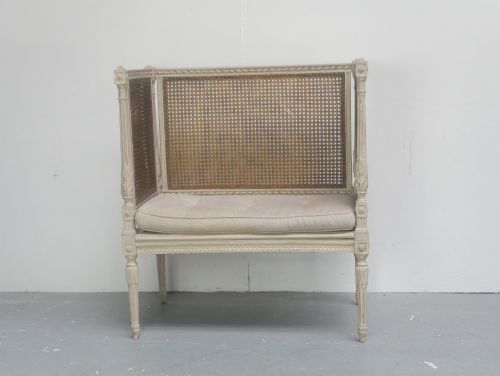
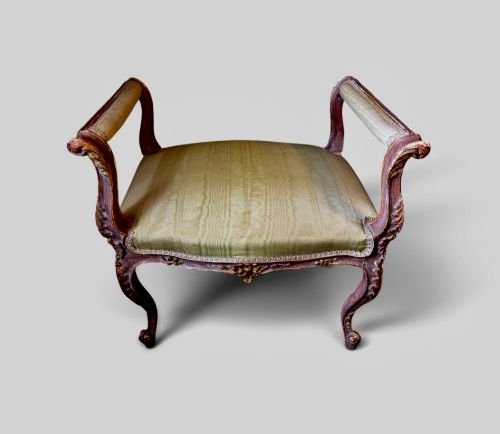
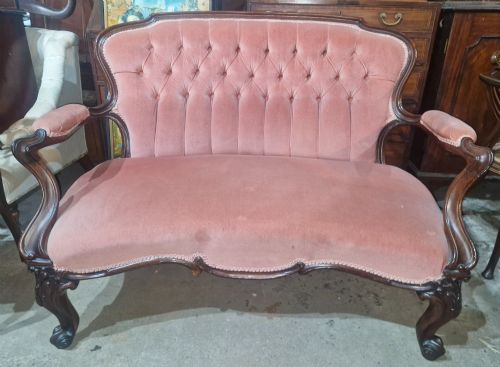
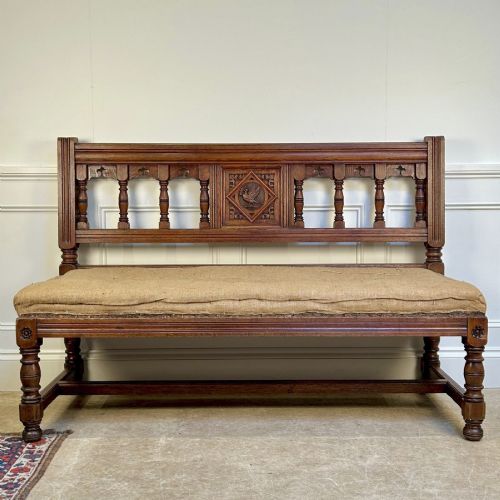
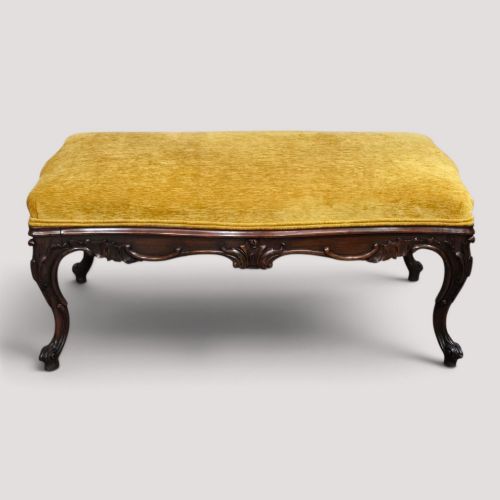
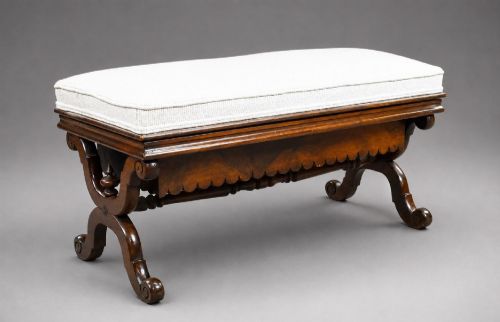
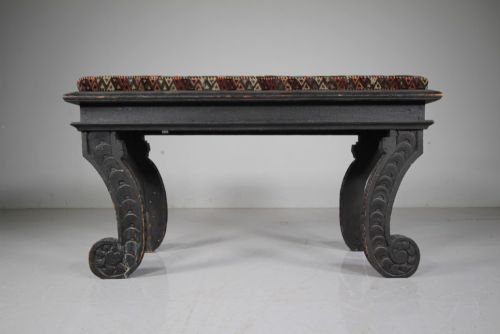
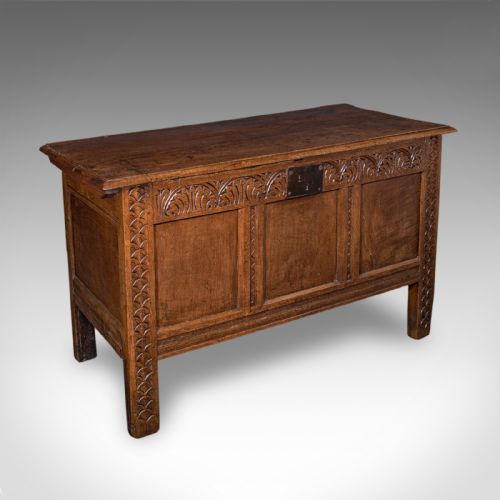
A carved window seat is a low bench designed specifically to sit beneath a window, appearing across various historical periods from the Georgian era through to the Edwardian period. These pieces frequently manifest as mahogany, walnut, or oak structures, often displaying styles ranging from Gothic Revival and Regency to French-influenced designs.
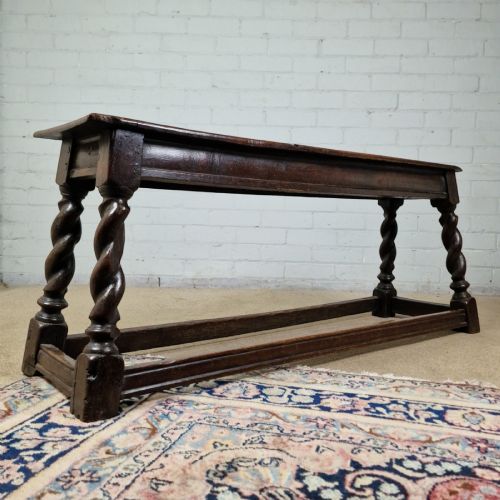
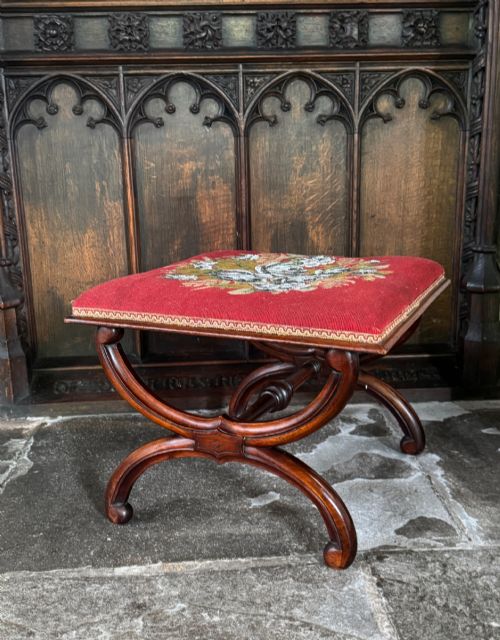
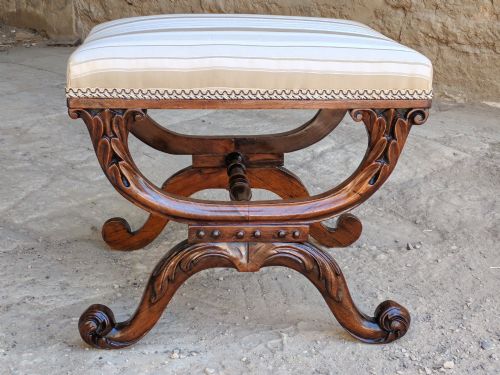
The form crosses over with long stools, hall benches, and X-frame stools, offering flexible seating that functions equally well in hallways or at the foot of a bed. Makers adapted these benches to suit changing domestic interiors, incorporating upholstered tops, silk, fabric, or woven beadwork.
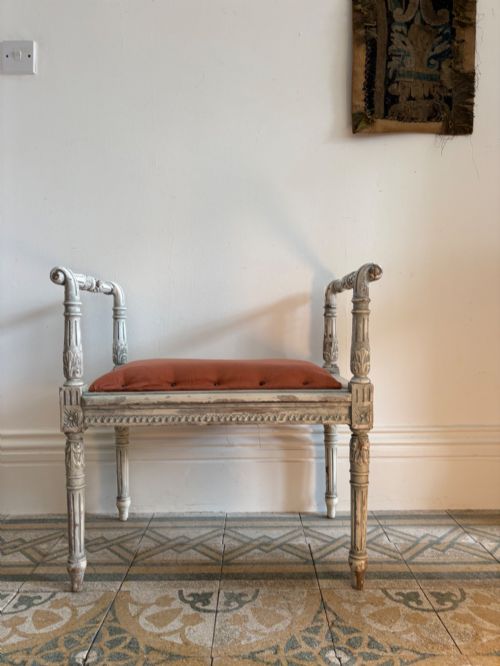
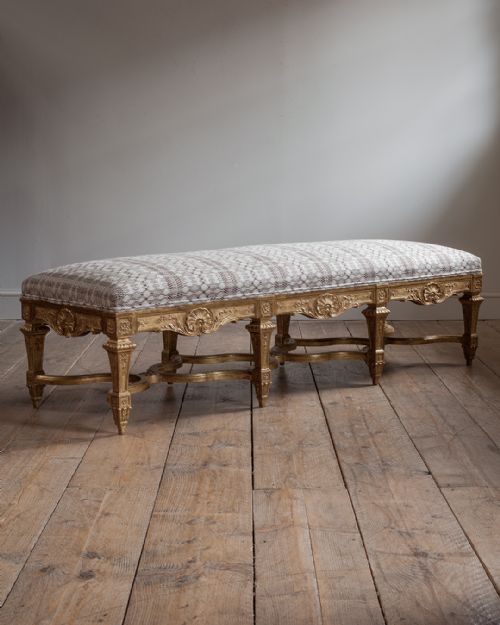
On this page, you will most commonly encounter 19th-century examples fashioned from rich timbers such as mahogany and oak, alongside painted wood variants and occasional giltwood frames reflecting continental tastes.
How They Were Made
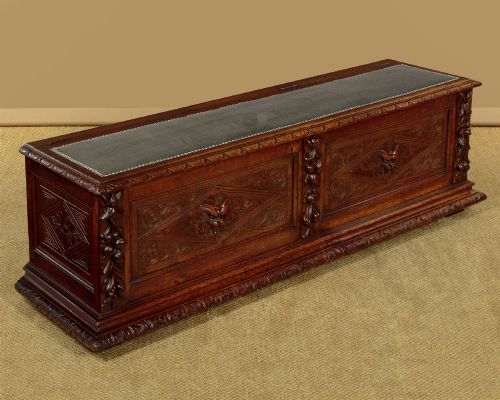
Cabinet makers utilised dense hardwoods like oak, mahogany, walnut, and rosewood to construct the structural frames of these benches, often applying hand-carved decorative motifs directly into the timber. Gilding, painted finishes, and brass mounts appear on specific continental or Regency pieces to enhance the visual weight of the frame.
Upholstery techniques varied widely according to the period, employing traditional stuffing and springs covered in silk, needlework tapestry, or modern replacement fabrics. Frame joinery relied on robust mortise and tenon joints, particularly on heavy oak and Gothic Revival iterations intended for rigorous daily use.
The listings on this page span the 18th, 19th, and early 20th centuries, featuring materials ranging from solid oak and mahogany to giltwood and painted pine.
What Varies in Quality
The distinction between ordinary and superior pieces rests largely on the crispness and depth of the hand-carving applied to the timber frame. Sharply defined scrolls, foliage, and mouldings indicate a higher level of craftsmanship from the workshop.
Timber selection and grain figure similarly dictate quality, with choice cuts of burr maple, figured mahogany, or rich walnut elevating the presence of the seat. The integrity of the original construction, including heavy timber framing and well-executed joinery, separates standard production items from exceptional cabinet work.
Gillows·James Shoolbred & Co·Rudolph Ackermann·Jas Shoolbred
The Carved Window Seat Glossary
- X-Frame
- A structural base formed by intersecting diagonal timbers that support the seat. This ancient form reappeared with particular vigour during the Regency period.
- Giltwood
- Wood that has been coated with a thin layer of gold leaf or gilt paint. It is frequently seen on decorative 19th-century salon furniture and revival pieces.
- Joint Stool
- A sturdy wooden stool constructed using mortise and tenon joinery with pegged joints. These utilitarian pieces often double as low seating or window benches.
- Scroll End
- A seat design featuring outward-curving wooden arms reminiscent of a classical scroll. This profile is common on finer 19th-century mahogany and rosewood examples.
- Cabriole Leg
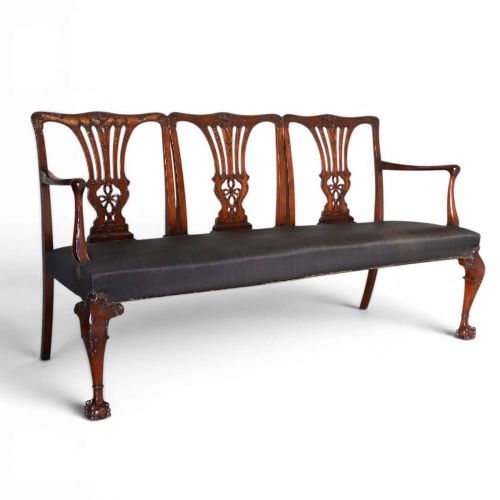
- A furniture leg that curves outward in a convex arc and tapers inward in a concave arc, ending in a pad or foot. This classical shape is characteristic of walnut and mahogany seating.
Carved Window Seat: Frequently Asked Questions
What is a window seat used for?
These low benches were historically placed in deep window recesses to provide comfortable seating for reading or sewing in natural light.
Today, they serve equally well as versatile accent furniture in entryways, long corridors, or at the foot of a bedroom suite.
How do I identify a Regency window seat?
Regency pieces often display classical proportions, dark timbers such as mahogany or rosewood, and architectural details influenced by Greek and Roman design.
Look for distinctive elements like X-frames, reeded legs, or brass mounts that define the aesthetic of the early 19th century.
Are these seats comfortable to sit on?
Comfort depends entirely on the specific upholstery style, ranging from firm wooden planks and woven rush to deeply padded upholstered cushions.
Many period examples feature sprung or stuffed tops covered in fabric, silk, or tapestry designed for extended sitting.
Can I use a hall bench as a window seat?
Hall benches and window seats share similar linear proportions and low profiles, making them largely interchangeable in modern room layouts.
Their shared emphasis on sturdy timber construction and narrow footprints allows them to fit easily into restricted spaces like narrow hallways or beneath low window sills.