

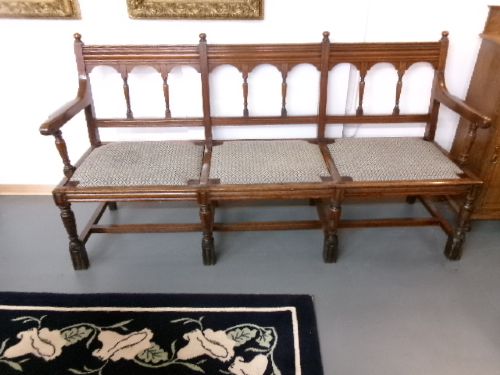
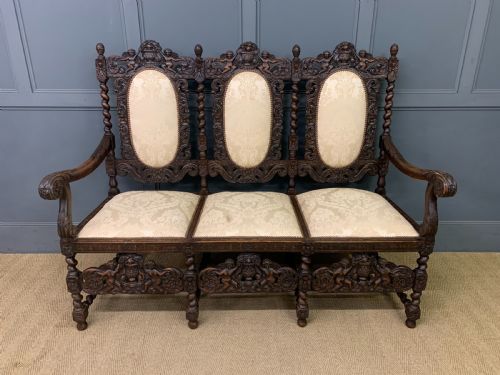
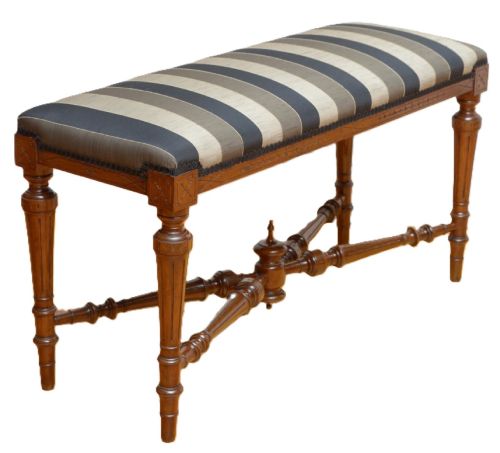
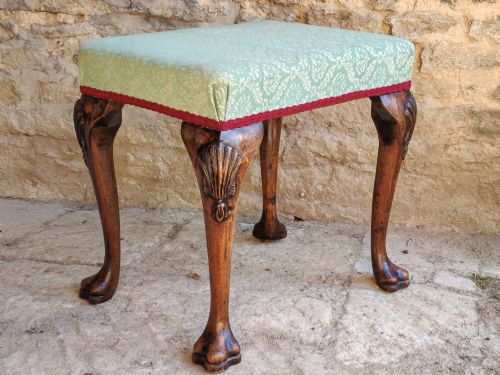



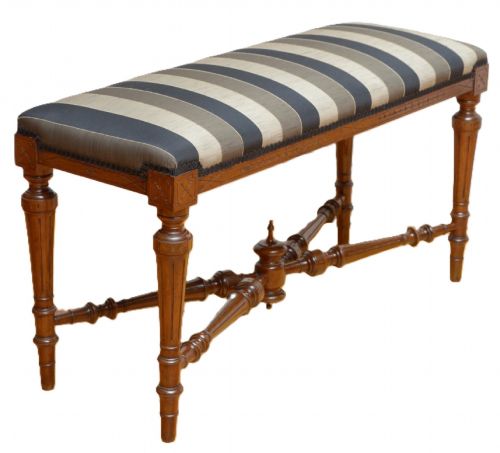


Carved Walnut Upholstered Bench
A carved walnut upholstered bench brings substantial timber and period textiles together, offering versatile seating across styles from Victorian revival to eighteenth-century design.
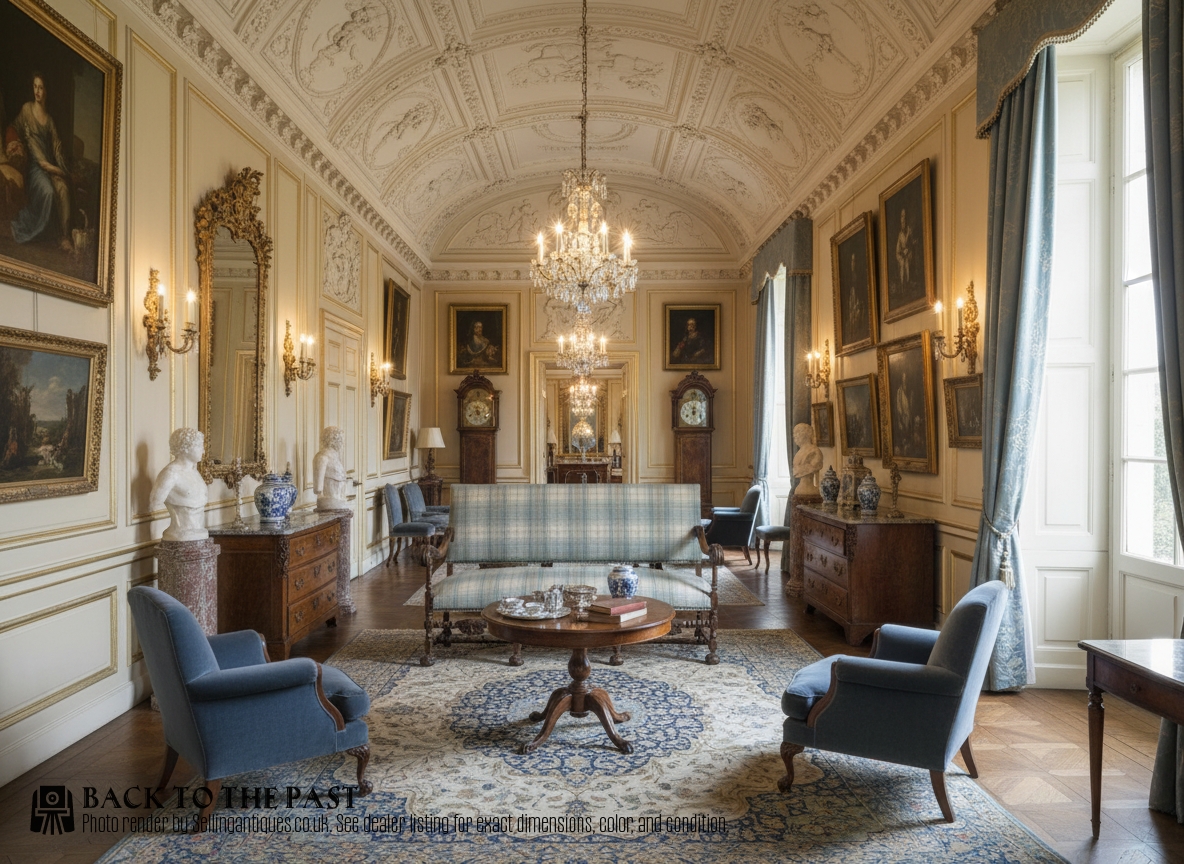
Carved Walnut Upholstered Bench
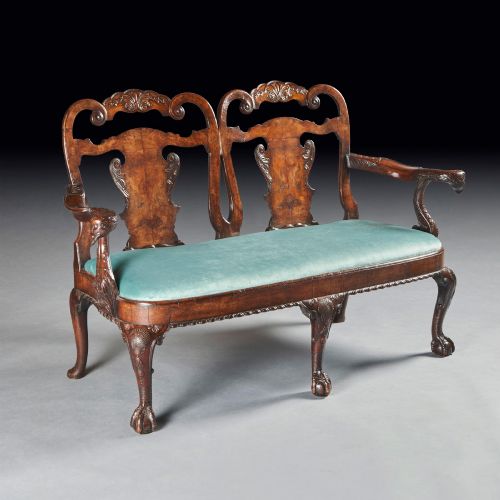
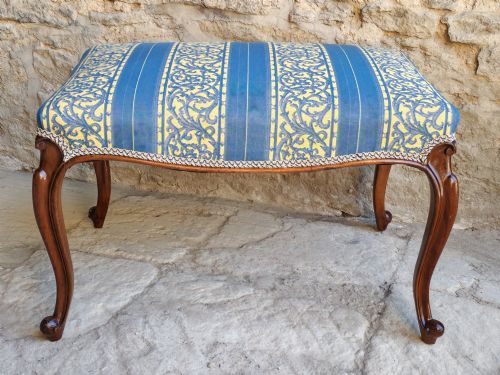
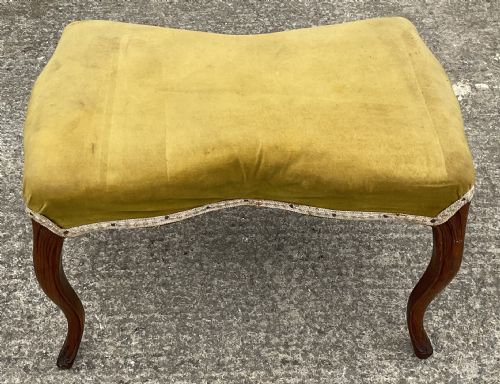
When you search for a carved walnut upholstered bench, you encounter a varied selection of seating forms, ranging from compact dressing table stools and window seats to expansive multi-seater settees and daybeds. The listings here lean heavily toward nineteenth-century Victorian examples alongside revival interpretations of earlier Queen Anne, Louis styles and Georgian designs.
These pieces serve multiple domestic functions, appearing as salon centre stools, fender stools for the hearth, duet window seats and long hall benches. Origins stretch across English workshops and continental French centres, bringing diverse regional interpretations of walnut framing into domestic spaces.
Materials and Construction
The primary structural timber across these listings is solid walnut, chosen for its rich grain and capacity for crisp carving. Workshops shaped the wood into cabriole legs, fluted supports and twisted rope turnings before applying textile coverings.
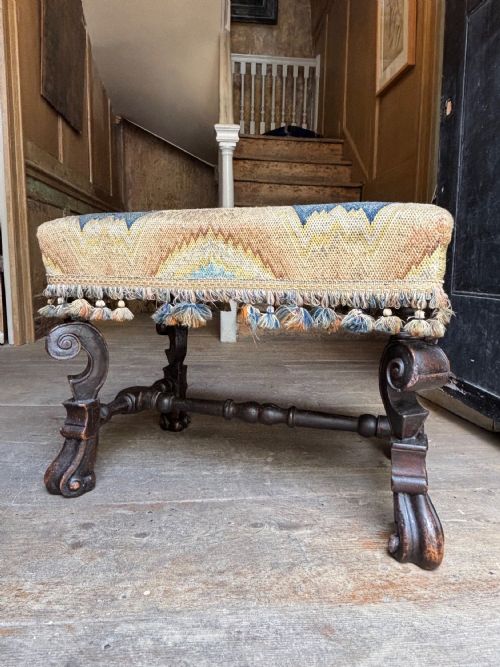
Upholstery materials vary from period needlepoint, tapestry and woven linen to plush velvet and modern replacement fabrics. Occasional decorative embellishments include brass details, pearl inlay and cane panelling integrated into the wooden frames.
Carved Walnut Upholstered Bench Retail Price Guide 2026
Typical asking prices for carved walnut upholstered bench among the pieces listed under this phrase on Sellingantiques today, from the lower quarter to the upper quarter. They describe what is for sale here now, not the wider market.
Listings span multiple centuries, incorporating 17th-century Carolean forms, 18th-century Dutch and Italian pieces, and various 19th-century revival styles.
Craftsmanship and Proportion
Quality rests in the crispness of the timber carving and the architectural balance of the frame, where fluid cabriole legs and well-defined mouldings distinguish superior pieces from simpler utilitarian forms. The integration of the woodwork with the upholstered seat reveals the maker's hand.
The choice and execution of textiles also define standard, as period-appropriate needlepoint or carefully chosen linen elevates a piece, while older frames refreshed with new covers maintain usability without losing their historical character.
The Carved Walnut Upholstered Bench Glossary
- Cabriole leg
- A furniture leg that curves outward and then tapers inward, mimicking an animal's curving leg. This form appears frequently on eighteenth-century inspired walnut seating.
- Fender stool
- A low, long stool designed to fit along the hearth in front of a fireplace fender. These pieces provide fireside seating and often feature elongated rectangular proportions.
- Needlepoint
- A type of canvas work embroidery executed with wool or silk yarn. It frequently covers the seats of nineteenth-century dressing table stools and salon chairs.
- Window seat
- An upholstered bench built or proportioned to sit in the recess of a window. They often feature arm supports at one or both ends.
Carved Walnut Upholstered Bench: Frequently Asked Questions
Where should I place a walnut window seat?
These benches suit light-filled alcoves, hallways, or the foot of a bed, providing functional seating without blocking views.
Their compact scale makes them adaptable for transitional spaces where a full sofa proves too bulky.
How do I identify a Queen Anne style stool?
Look for characteristic cabriole legs ending in pad or ball-and-claw feet, paired with smooth, restrained walnut frames.
Revival versions from the Edwardian era often replicate these curved eighteenth-century silhouettes closely.
What is the difference between a duet stool and a regular bench?
Duet stools are specifically proportioned for two people to sit side by side, frequently used at piano desks or dressing tables.
They offer a wider seating surface than standard single stools while remaining shorter than full settees.
Are these upholstered benches sturdy enough for daily use?
Solid walnut construction provides robust structural integrity for everyday seating in living rooms and halls.
Pieces with reinforced joints and restored upholstery handle regular household activity comfortably.