

Carved Walnut Table Legs
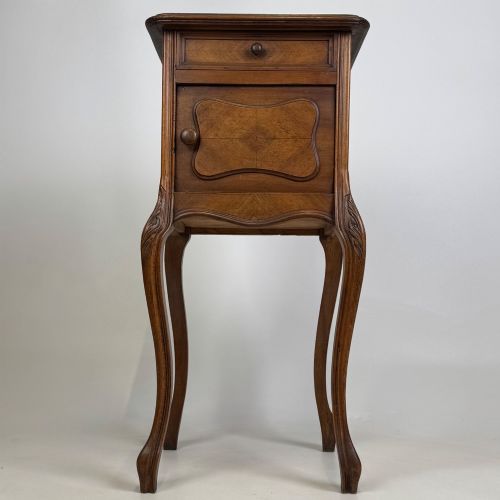
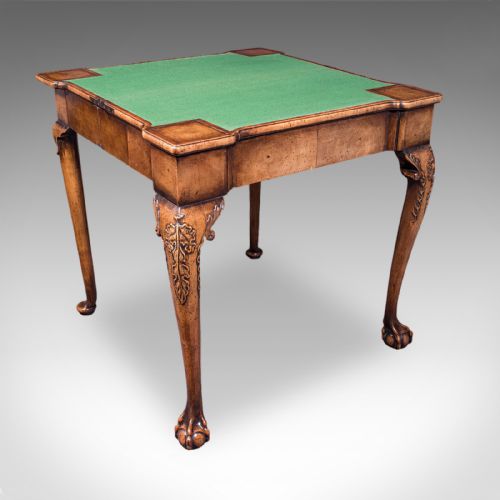
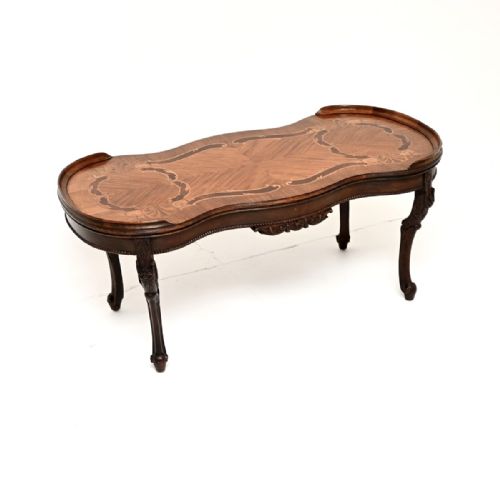
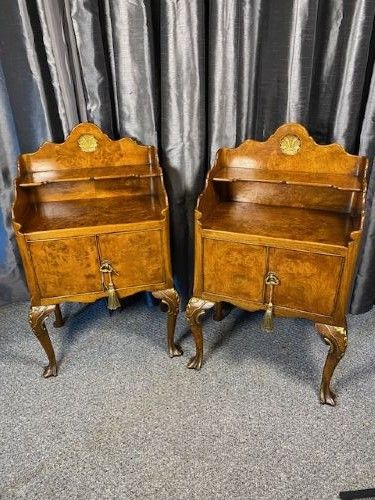
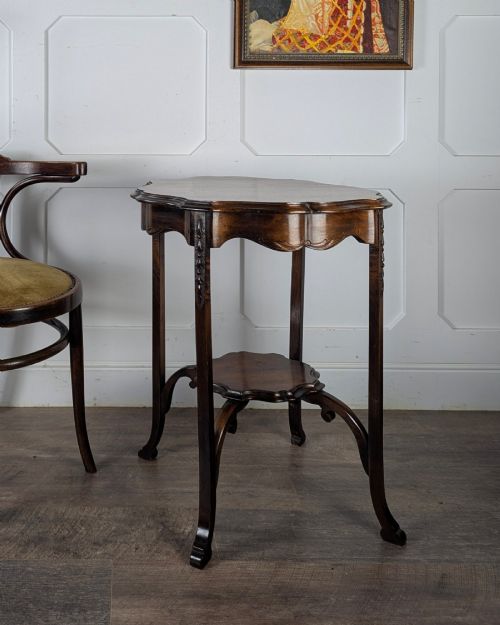
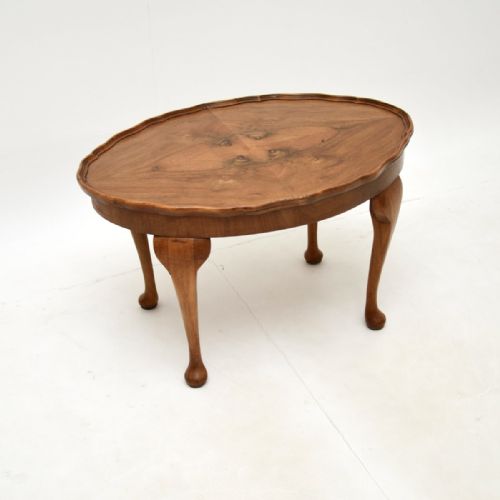
These carved walnut table legs belong to furniture spanning the nineteenth and twentieth centuries, built to support side tables, desks and console tables.
Carved Walnut Table Legs
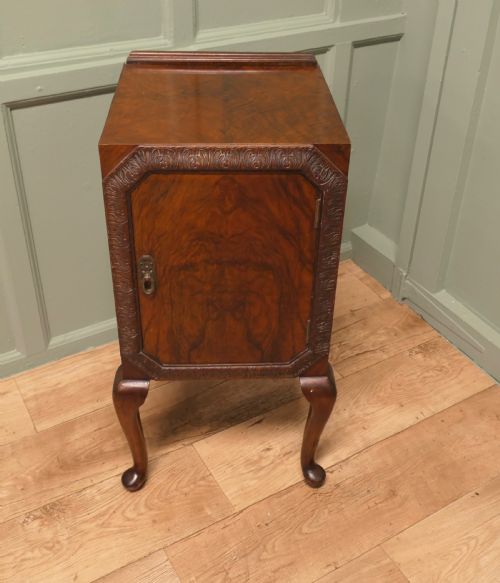
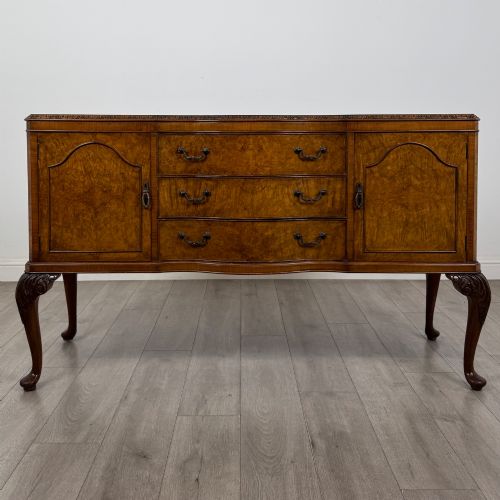
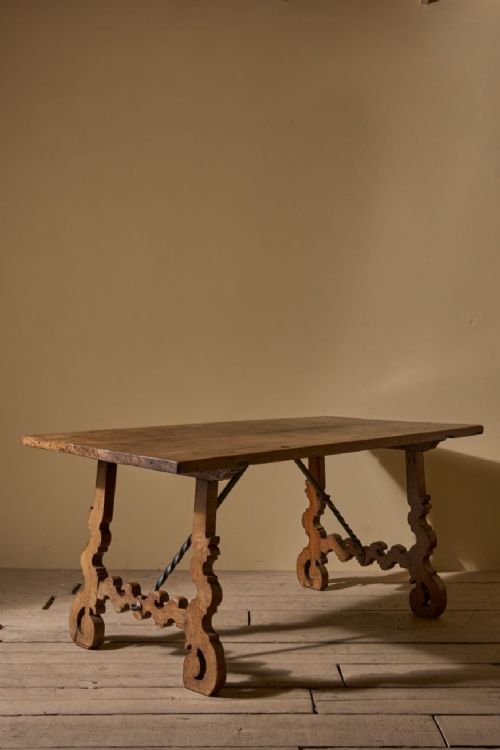
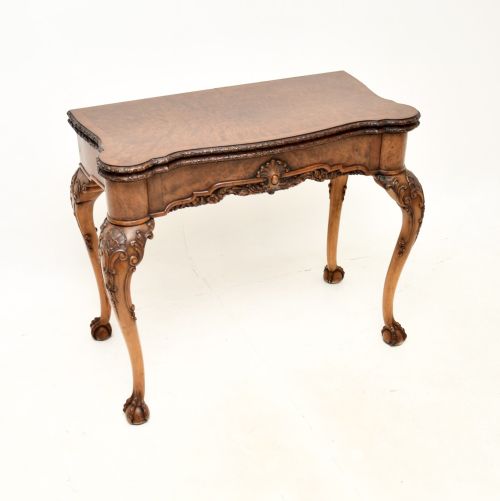
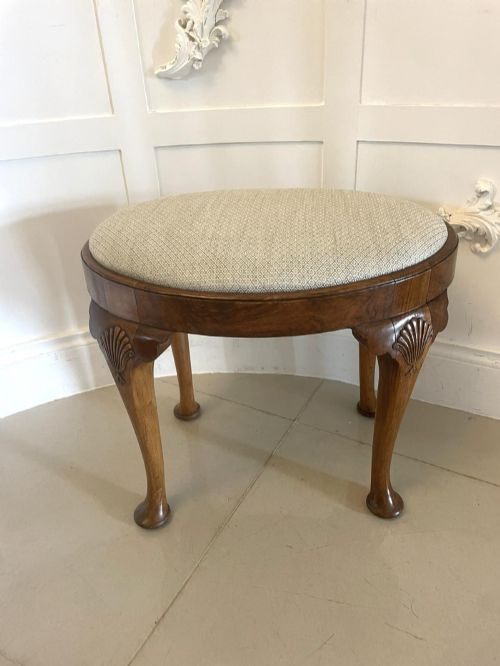
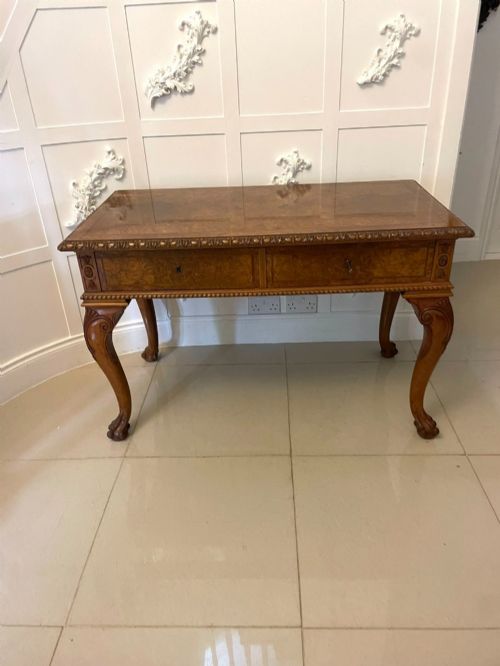
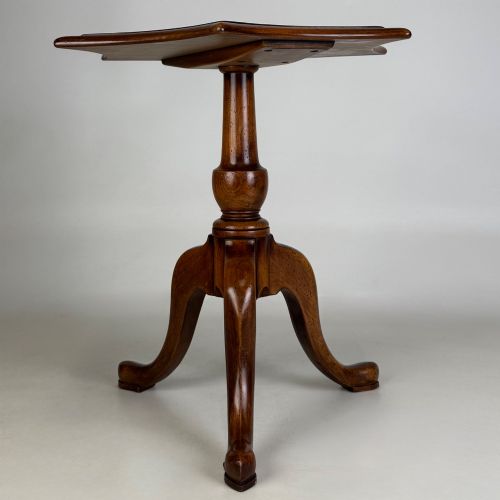
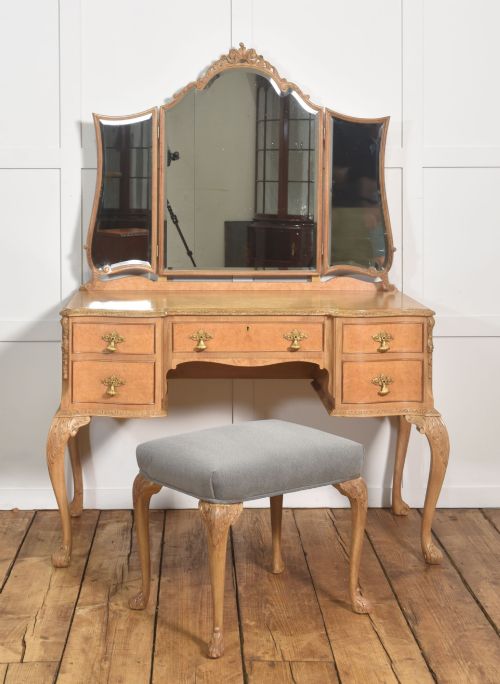
Carved walnut table legs form the structural supports for diverse forms including side tables, occasional tables, desks and console tables across Victorian, Edwardian and later twentieth-century periods. These elements frequently manifest in revivalist idioms such as Queen Anne Style and Rococo Revival, alongside French Provincial and Spanish Baroque designs.
The selection ranges from solid walnut framing to intricate burr walnut veneers applied to dining tables, writing desks and lowboys. Buyers encounter these components integrated into diverse functional formats, from heritage stools to sophisticated centre tables.
Materials and construction techniques
Makers utilised solid walnut and decorative burr walnut veneers applied to primary timbers, frequently pairing the rich grain with secondary woods such as oak.
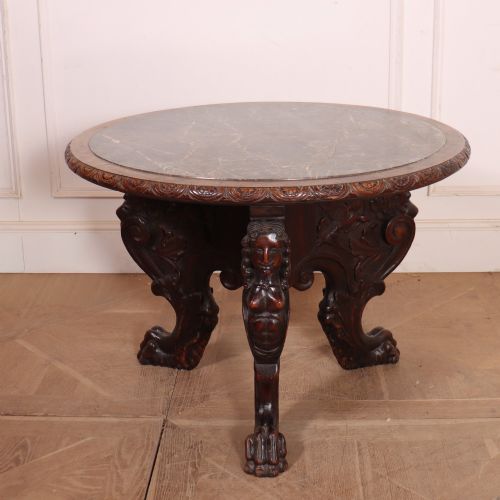
Detailing relied upon manual carving to shape cabriole profiles, complemented occasionally by marquetry, parquetry and contrasting inserts of brass, leather or marble.
Object types seen in the inventory range from side tables and desks to console tables, coffee tables, footstools and bedside cabinets.
Distinctions in craftsmanship
Quality rests upon the depth and crispness of the hand-carving along the leg profiles, particularly where scrollwork or shell motifs meet the knee.
The choice between plain walnut and highly figured burr walnut veneer dictates the visual hierarchy of the piece, alongside the structural integrity of the joints connecting the leg to the apron.
Wylie & Lochhead Glasgow·Frank Giles
The Carved Walnut Table Legs Glossary
- Cabriole leg
- A furniture leg that bends outward in a convex curve at the top and inward in a concave curve near the foot, resembling an animal's limb. This silhouette frequently terminates in pad, claw-and-ball or scroll feet.
- Burr walnut
- A specialised wood veneer harvested from the burl growths of walnut trees, displaying complex, swirling grain patterns. Cabinet makers prized this material for tabletops and drawer fronts.
- Marquetry
- The decorative craft of applying small pieces of veneer to a structure to form intricate pictorial designs or geometric patterns. Artisans used various coloured woods to achieve tonal depth.
- Lowboy
- A small seventeenth or eighteenth-century English table with one or more rows of drawers beneath the flat top. These items often stand on slender cabriole legs.
- Parquetry
- A geometric mosaic of wood pieces used for decorative floors and tabletops. This technique creates repeating patterns like squares, triangles or herringbone.
Carved Walnut Table Legs: Frequently Asked Questions
What periods do these walnut tables come from?
The pieces span the nineteenth and twentieth centuries, encompassing Victorian, Edwardian and later decades.
Revival styles from these eras often draw inspiration from earlier eighteenth-century aesthetics, particularly Queen Anne designs.
How do I identify burr walnut?
Burr walnut is recognisable by its swirling, highly figured grain patterns resulting from growths on the tree.
This decorative veneer appears frequently on the surfaces of desks, console tables and occasional tables.
What styles are common for these legs?
Cabriole profiles dominate the evidence, frequently reflecting Queen Anne Style, Rococo Revival and French Provincial idioms.
Carved details at the knee and foot provide distinct visual markers for each stylistic period.
Where were these tables used originally?
These items served functional roles in domestic interiors as writing desks, dining tables, side tables and console surfaces.
Smaller formats like occasional tables and stools furnished principal rooms and hallways alike.