


Carved Walnut Pier Glass
A carved walnut pier glass brings warmth and vertical elegance to a room, catching the light between tall windows.
Carved Walnut Pier Glass
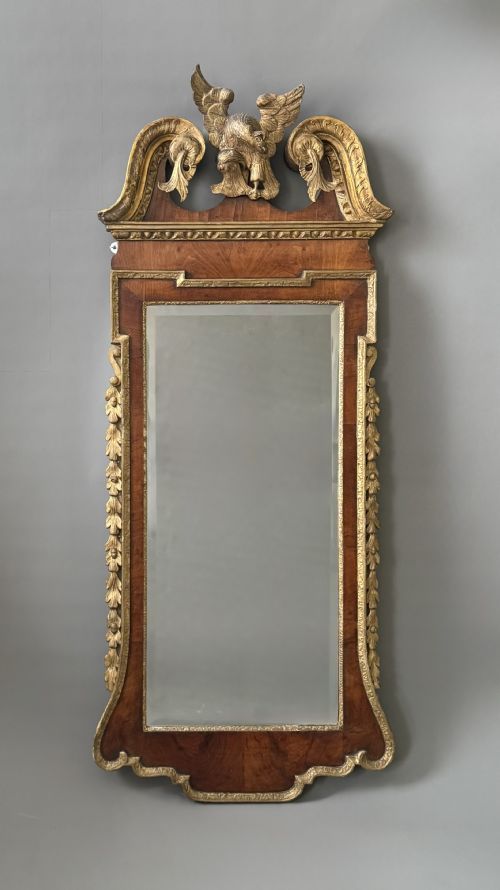
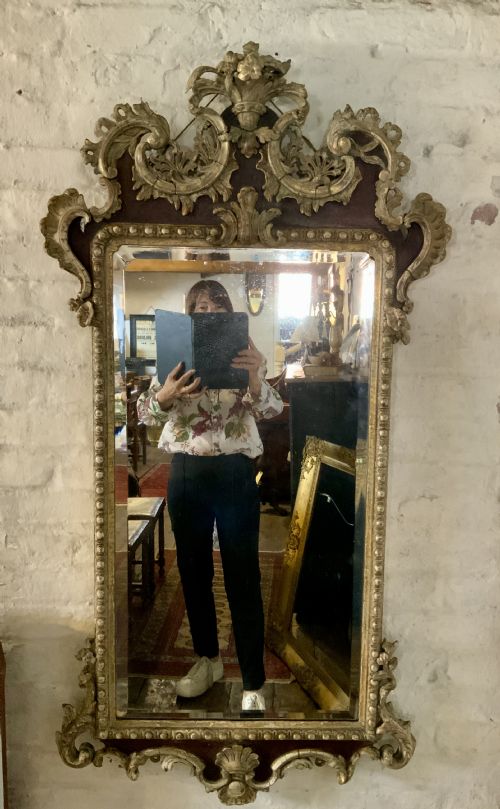
A carved walnut pier glass is a tall wall mirror designed specifically to hang on the narrow wall space between windows, known as the pier. The listings show these pieces stretching from the eighteenth century into the twentieth century, with strong representation from the Georgian and Victorian periods.
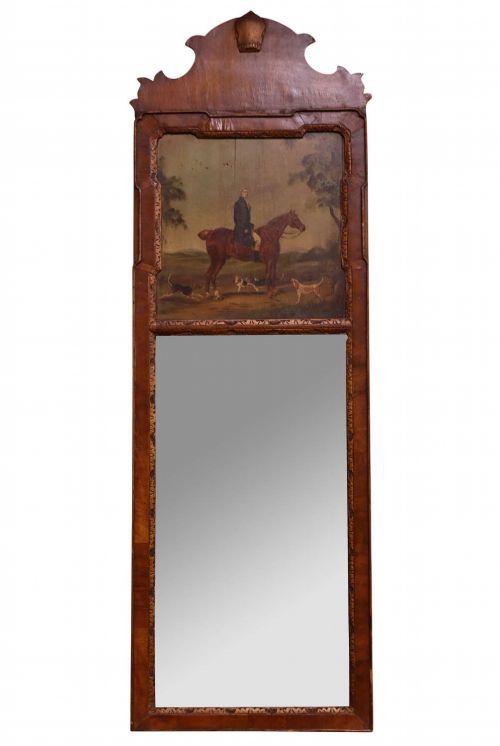
Buyers will encounter both genuine eighteenth-century examples and later revivals from the nineteenth and early twentieth centuries. The form often pairs with console tables, and some variations incorporate oil paintings or hand-painted foliate panels within the walnut frame.
The materials centre on walnut timber, frequently enhanced with burr walnut veneers, parcel gilt highlights, and original mirror glass plates. Proportions tend to be grand and architectural, reflecting the stylistic influences of the Queen Anne and George II eras.
Factors of Quality
Quality rests upon the depth and crispness of the hand carving within the walnut timber, alongside the richness of the grain selection. Superior examples display well-figured burr walnut veneers that have retained their natural warmth over centuries.
The presence of original mirror glass plates with appropriate ageing elevates a piece above those with modern replacements. Construction details, such as the joinery of the frame and the retention of original parcel gilt highlights, indicate the skill of the original workshop.
Some pier glasses come equipped with equestrian oil paintings, offering a portrait of a horse to gaze at while you check your cravat.
The Carved Walnut Pier Glass Glossary
- Pier glass
- A tall mirror designed to hang on the wall space between two windows. These mirrors visually expand interior light and space.
- Parcel gilt
- Partially gilded with gold leaf, usually to accent carved wooden details against a dark walnut background. This technique adds subtle contrast and reflection.
- Burr walnut
- Wood taken from a walnut tree growth or burl, showing intricate, swirling grain patterns. It was highly prized for decorative furniture veneers.
- Vauxhall mirror
- An early type of mirror plate featuring a bevelled edge, historically associated with English glassworks. The bevel creates a soft prismatic light effect.
- Fretwork
- Ornamental perforated woodwork created by cutting patterns through thin boards. It appears on lighter frame designs within this category.
Carved Walnut Pier Glass: Frequently Asked Questions
Where should I hang a pier glass?
A pier glass is traditionally hung on the narrow wall between two windows, where it maximises natural light reflection. It also works effectively above a console table or mantelpiece.
Ensure the wall structure can support the weight of a heavy timber and glass frame, and hang it at eye level to balance the vertical proportions.
How do I identify an eighteenth-century mirror?
Examine the construction methods at the back of the frame, looking for hand-cut joinery and aged timbers. Original mirror plates often exhibit oxidation spots and slight distortions.
Stylistic cues such as George II architectural lines and hand-carved parcel gilt details provide further clues to period authenticity.
What is a console table and mirror set?
A console table and mirror set combines a wall-mounted or floor-standing table with a matching pier glass above it. The two pieces share carved walnut motifs and gilding.
This matched arrangement was designed to create a cohesive decorative focal point in grand eighteenth and nineteenth-century reception rooms.
How do I care for antique walnut frames?
Keep walnut mirrors away from direct sunlight and steady sources of heat to prevent the wood and veneers from drying out. Dust gently with a dry cloth.
Avoid commercial liquid polishes, which can build up on the wooden surface and dull the original finish over time.