




Brown Wood Pier Glass
A brown wood pier glass brings architectural depth and reflected light to a room, anchored by rich walnut, mahogany or burr walnut frames.
Brown Wood Pier Glass
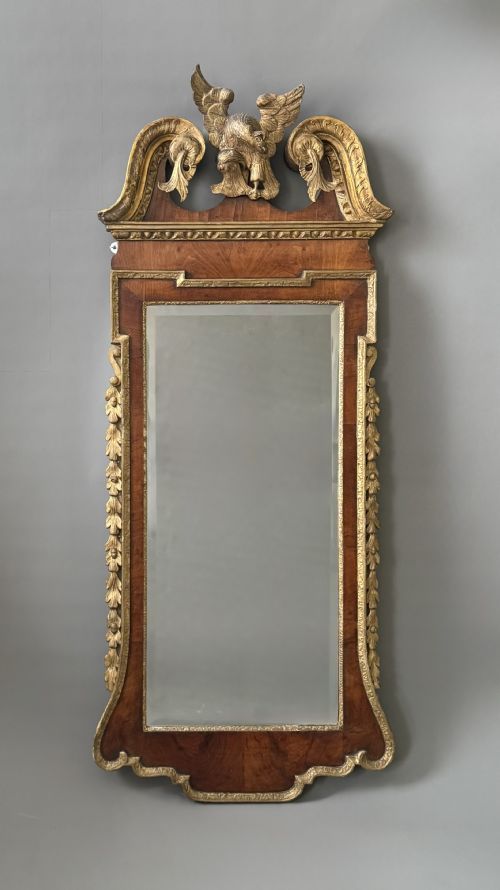
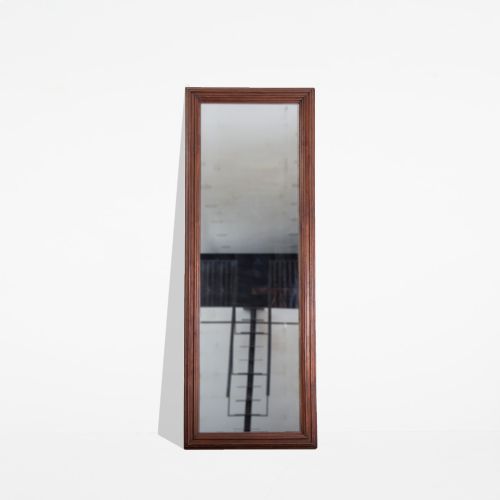
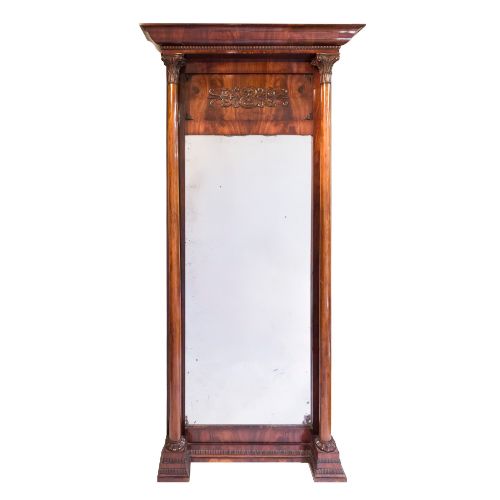
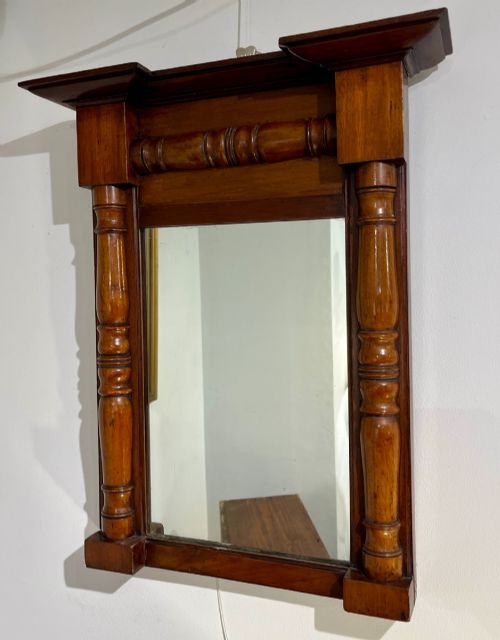
A brown wood pier glass is a tall vertical mirror designed specifically to hang on the wall space between windows, known as the pier. The selection includes examples spanning the 18th century, Georgian and Victorian eras, alongside revival pieces from later decades.
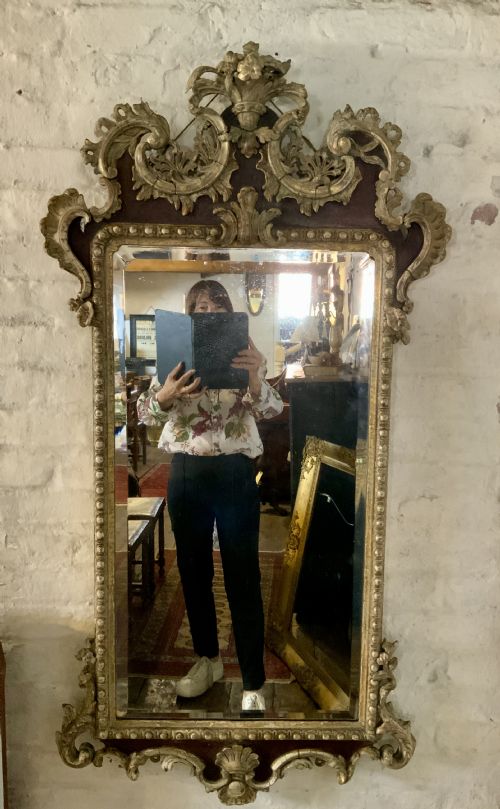
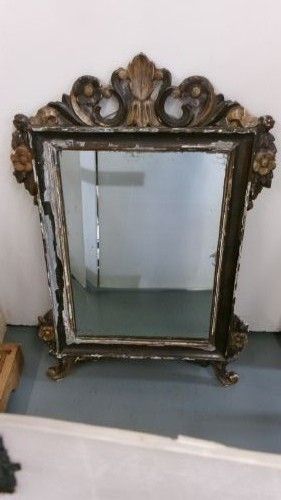
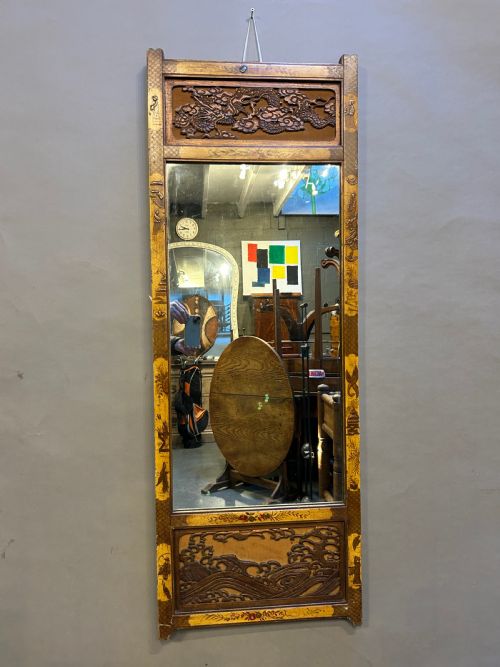
You will encounter mahogany, walnut and burr walnut frames most frequently on this page, often augmented with parcel-gilt details or carved wood motifs. These mirrors range from simple fretwork designs to ornate styles referencing George II and Chippendale aesthetics.
Materials and construction
Makers utilised dense timbers such as mahogany and walnut, frequently selecting figured burr veneers and applying crossbanding to enhance the visual grain. Giltwood accents and hand-painted foliate panels appear alongside original mercury glass plates.
Joinery methods involved precise carving, fretwork cutting and inlay work to decorate the tall wooden frames. Ormolu mounts and marble tops also support related console tables and cabinets listed alongside the primary mirror forms.
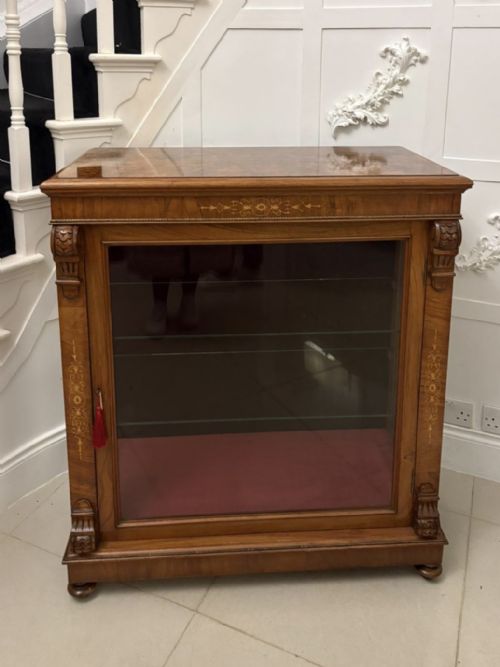
Some mirrors share space with music cabinets and French château consoles, proving that antique wood surfaces love company.
Distinctions in craftsmanship
Quality rests in the selection of the timber grain, particularly where burr walnut or figured mahogany veneers are symmetrically matched across the wooden frame. Finer examples display deeply undercut carving rather than shallow moulding.
The survival of original mirror plates, whether standard or mercury glass, elevates a piece significantly. Superior construction is further evident in the crispness of parcel-gilt details and the integrity of the original wood ground.
The Brown Wood Pier Glass Glossary
- Pier glass
- A tall mirror designed to hang on the narrow wall space between two windows. These pieces often sat above matching console tables.
- Parcel-gilt
- Partially gilded woodwork where gold leaf highlights specific carved details against a painted or polished wood ground. This technique contrasts bright metallic areas with dark walnut or mahogany.
- Mercury plate
- An older mirror plate manufactured using a tin and mercury amalgam before the modern silver nitrate process was introduced. It produces a characteristic mottled and deep reflection.
- Crossbanding
- A decorative border technique where strips of veneer are laid perpendicular to the grain of the central panel. It frames the perimeter of cabinet doors and mirror surrounds.
- Fretwork
- Thin wood panels cut with intricate openwork patterns using a fretsaw. This style is particularly common on 18th-century and Chippendale revival frames.
Brown Wood Pier Glass: Frequently Asked Questions
Where should I hang a pier glass?
A pier glass is traditionally suited for the wall space between two windows, where it reflects natural light back into the interior. They also function effectively above mantelpieces or console tables.
Ensure the wall structure can support the weight of a dense wooden frame and heavy glass plate. Positioning the mirror at eye level maximises its decorative impact.
How do I identify a Georgian pier glass?
Georgian pier glasses typically feature mahogany or walnut frames with architectural lines, swan neck pediments, or intricate gilt decoration. Look for period joinery and timber characteristics consistent with the 18th century.
Revival pieces from later periods often imitate these forms, so examining the backboards and construction methods helps determine the true age.
What is an original mercury plate?
An original mercury plate refers to mirror glass created using a traditional tin-mercury backing technique common before the mid-19th century. It produces a soft, uneven reflection with characteristic dark speckling.
The presence of an original plate adds historical integrity to an antique mirror.
How do I care for antique wood and gilt frames?
Keep wooden and gilded frames away from direct sunlight and steady moisture to prevent the timber from warping and the gilt leaf from flaking. Dust gently with a dry, soft cloth.
Avoid commercial polishes containing silicone or harsh solvents, which can damage aged finishes and fragile parcel-gilt areas.