


Carved Walnut Furniture
Carved walnut furniture brings rich grain and deep tone into a room, spanning periods from the seventeenth century through to the Edwardian era.
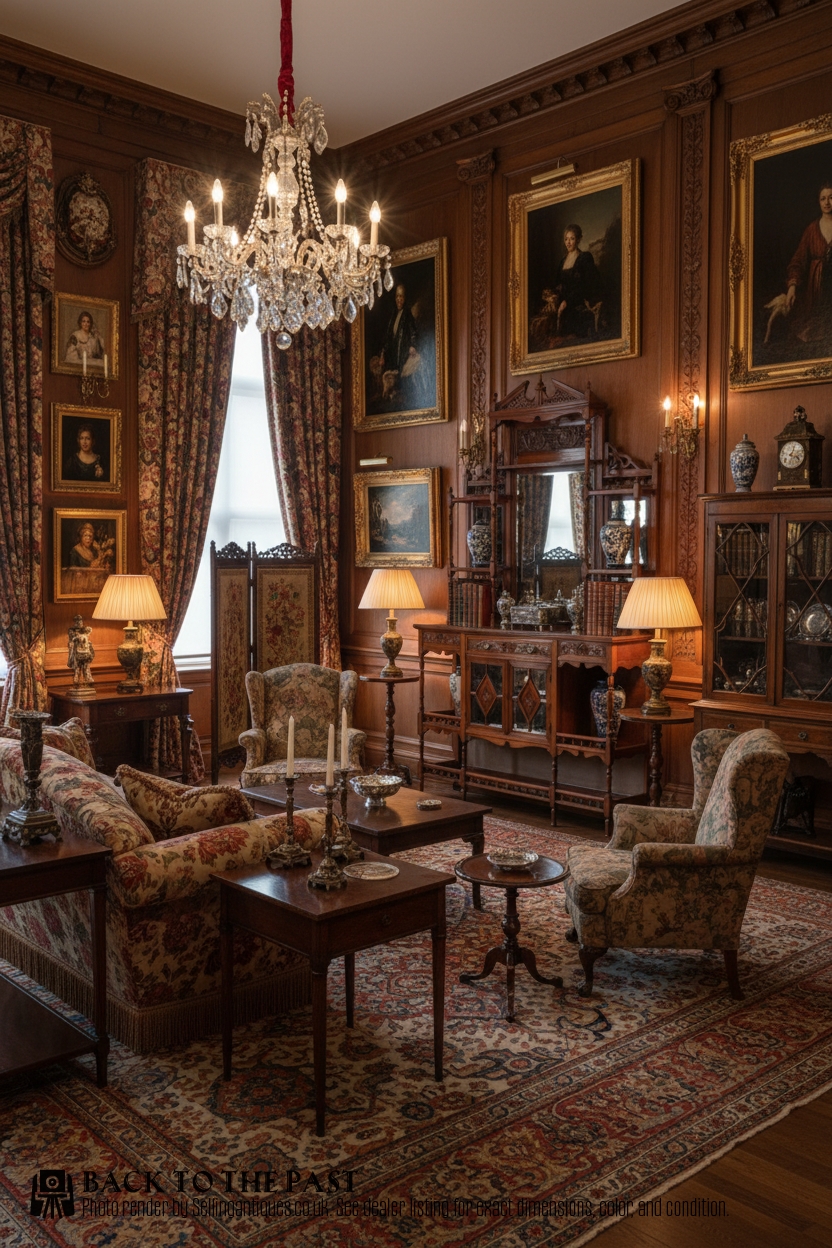
Carved Walnut Furniture
When you search for carved walnut furniture, you encounter a diverse range of domestic pieces designed for utility and display across several centuries. The selection on this page includes tables, cabinets, seating, and desks spanning the Victorian period, the eighteenth century, and the early twentieth century.
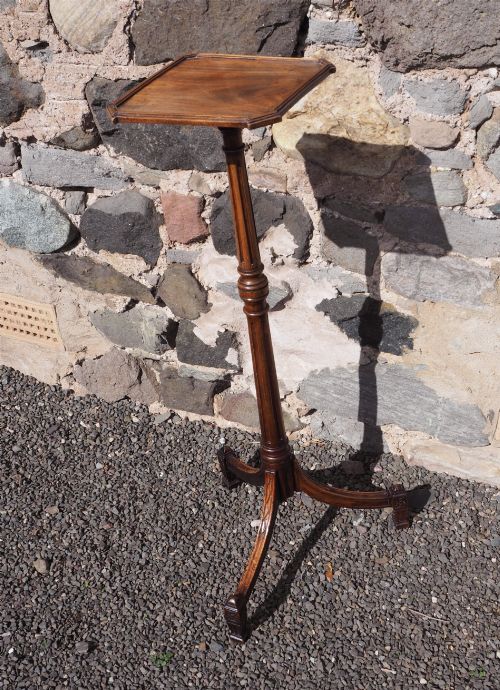
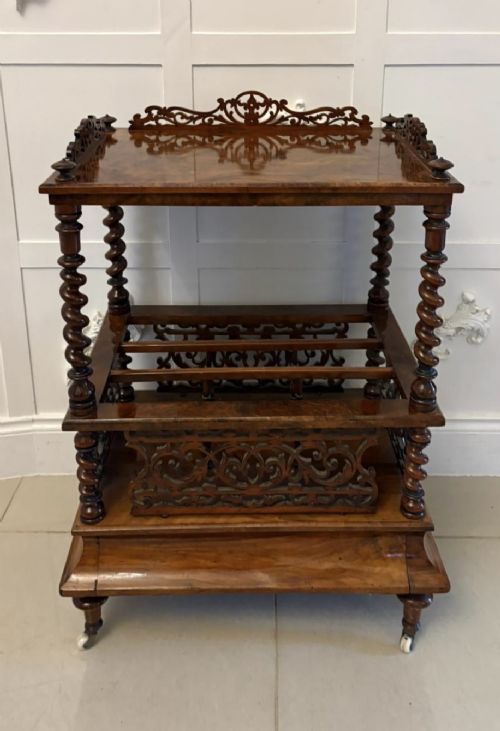
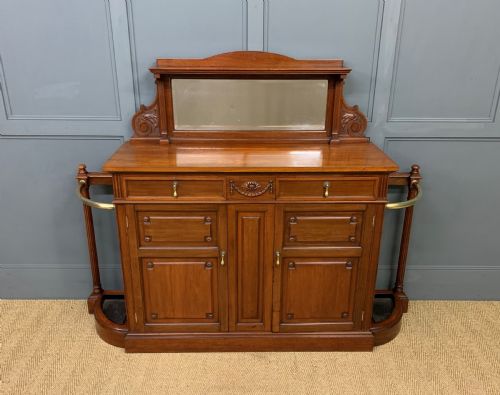
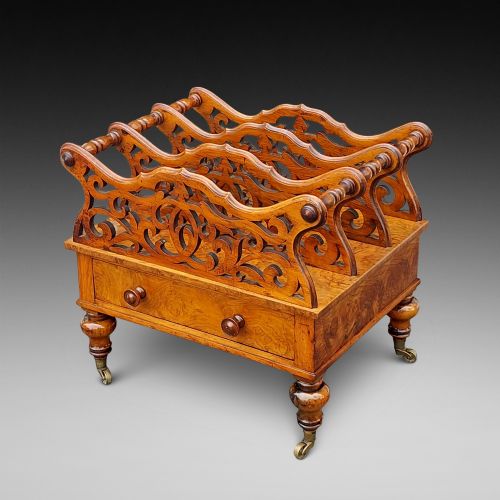
Victorian examples dominate the items available, alongside eighteenth-century forms and Edwardian pieces. Forms vary from small occasional items like canterburys and whatnots to substantial storage pieces such as chests of drawers, wardrobes, and commodes.
Origins stretch across Britain, continental Europe, and beyond, incorporating styles from Italian Baroque and French Provincial to Queen Anne Revival. Buyers find both practical items for daily use and decorative furniture intended for formal reception rooms.
How they were made
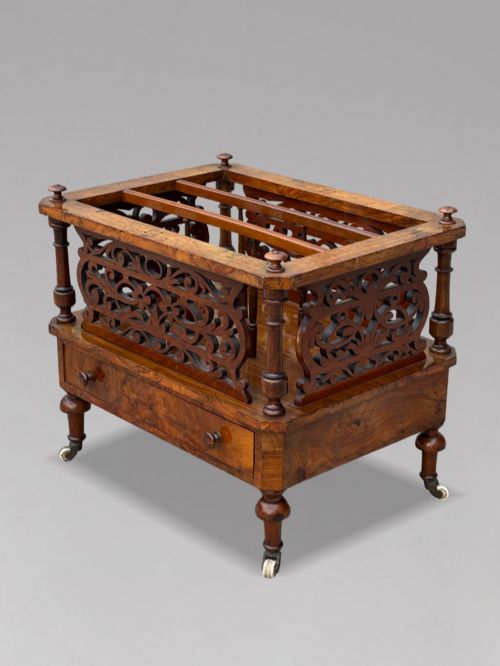
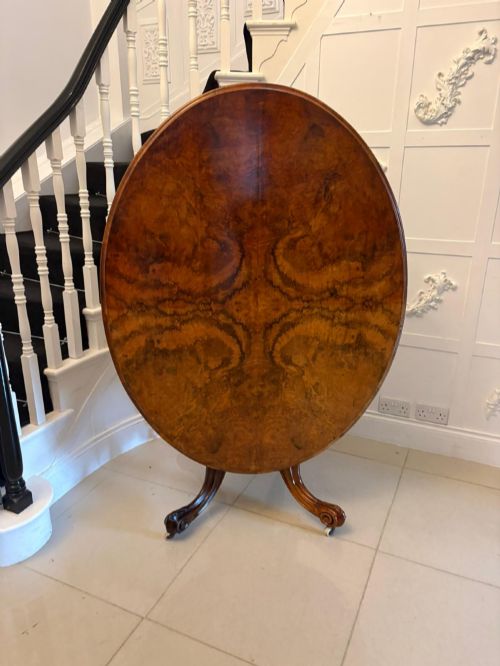
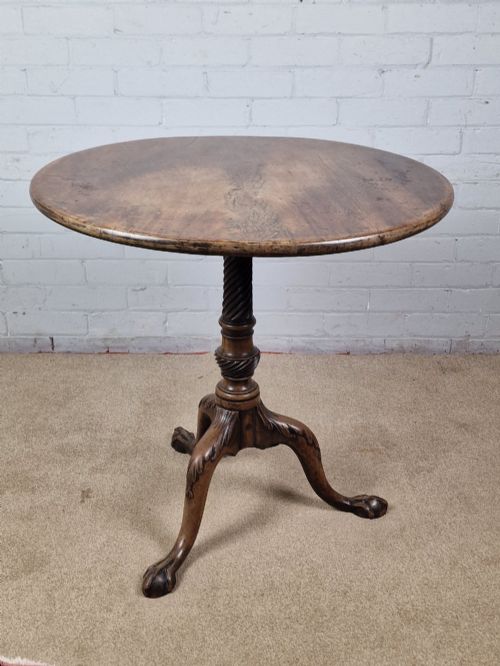
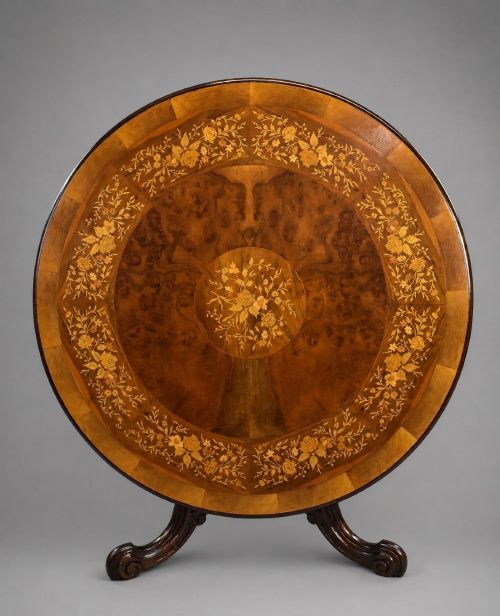
Cabinet makers utilised solid walnut and burr walnut veneers over secondary timbers, selecting pieces for figured grain patterns and deep natural colour. Surfaces frequently display intricate carving, crossbanding, and marquetry inlay work.
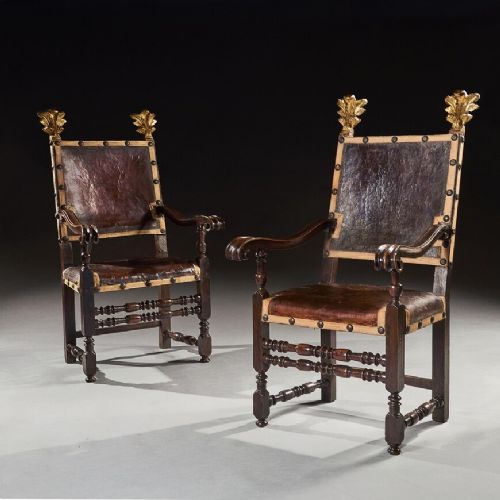
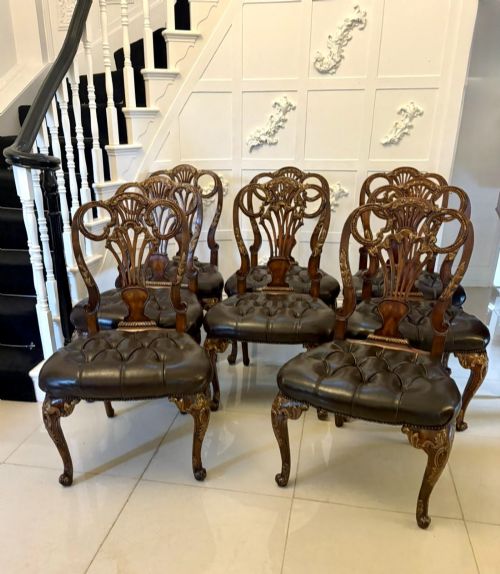
Construction incorporates secondary materials such as brass fittings, glass panels, ceramic elements, and leather or fabric upholstery on seating. Metal hardware and mother-of-pearl inlay appear on specific regional and period pieces to accent the woodwork.
Listings feature walnut combined with brass, ceramic, leather, and mother-of-pearl across Victorian, Edwardian, and eighteenth-century periods.
What varies in quality
The standard of carving and the selection of the timber dictate the quality of each piece, distinguishing utilitarian items from high-end commissions. Burr walnut veneers with lively, symmetrical figuring command attention for their visual depth.
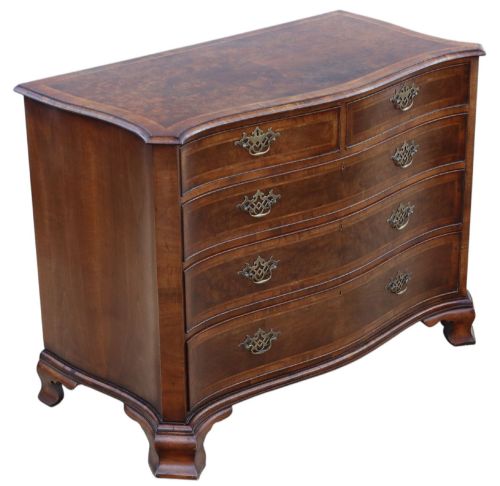
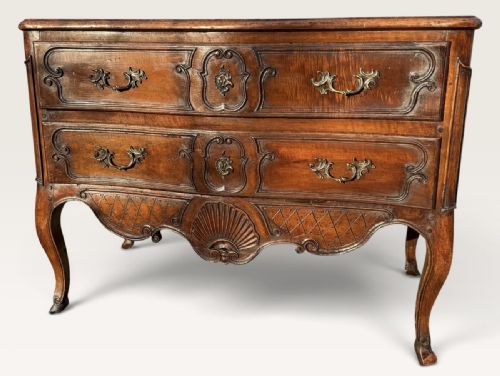
Proportion, structural integrity, and the retention of original surface patination set the better examples apart. Finer pieces demonstrate crisp detail in relief carving and careful matching of grain across drawer fronts and table tops.
Gabriel Viardot·Shoolbred & Co.
The Carved Walnut Furniture Glossary
- Burr walnut
- Timber taken from a growth or burl on the walnut tree, producing highly figured, swirling grain patterns highly prized for cabinet veneers.
- Canterbury
- A low stand fitted with partitions for sheet music, magazines, or books, often mounted on castors and produced in Victorian walnut.
- Marquetry
- The art of forming decorative patterns and pictures by applying thin veneers of different woods and materials to a structured surface.
- Whatnot
- An open set of multi-tiered shelves used for displaying ornaments and small objects, popular during the Victorian era.
- Commode
- A low decorative chest of drawers or cabinet, frequently featuring serpentine fronts and elaborate veneering.
Carved Walnut Furniture: Frequently Asked Questions
How do I care for walnut furniture?
Walnut benefits from consistent indoor humidity levels and protection from direct sunlight to prevent the timber and veneer from drying out.
Apply a traditional beeswax polish occasionally and buff gently with a soft cloth to maintain the natural lustre of the wood.
What is burr walnut?
Burr walnut is cut from irregular growths on the tree where the grain swirls in complex patterns rather than growing straight.
Cabinet makers slice this wood into thin veneers to cover larger surfaces, creating decorative panels with rich visual movement.
Where were these pieces made?
The items originate from workshops across Britain and continental Europe, reflecting regional preferences in design and construction techniques.
Specific pieces also reflect international influences, including Kashmiri and Syrian traditions of carving and inlay.
How do I date an antique walnut piece?
Dating relies on examining construction methods, timber preparation, hardware types, and stylistic cues characteristic of specific periods like the Victorian era or the eighteenth century.
Secondary woods used inside drawers and the presence of hand-cut joints provide further evidence of age.