

Carved Walnut Frame
A carved walnut frame brings rich dark timber and deep relief work to mirrors, chairs and beds across multiple periods.
Carved Walnut Frame
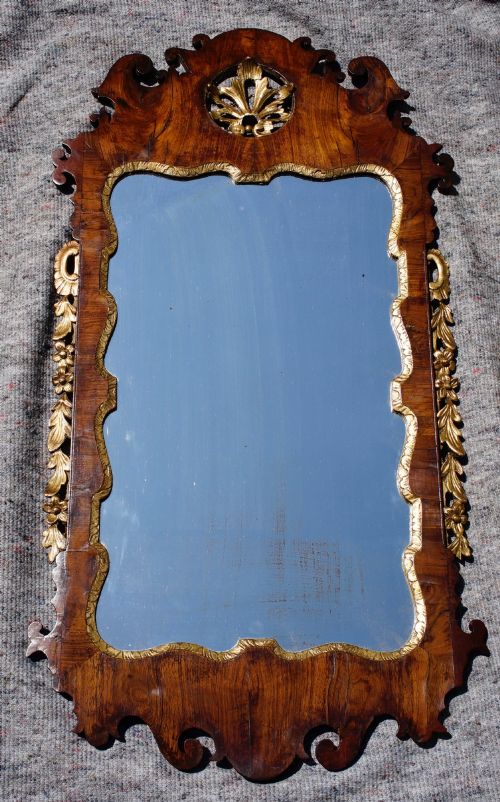
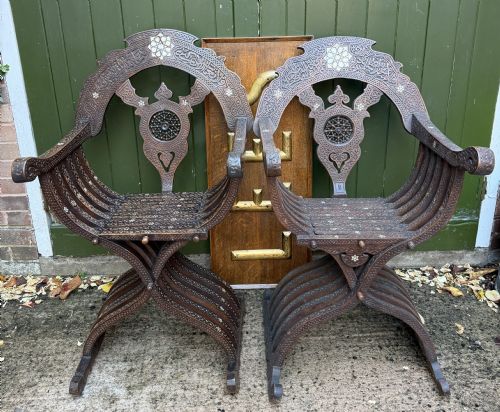
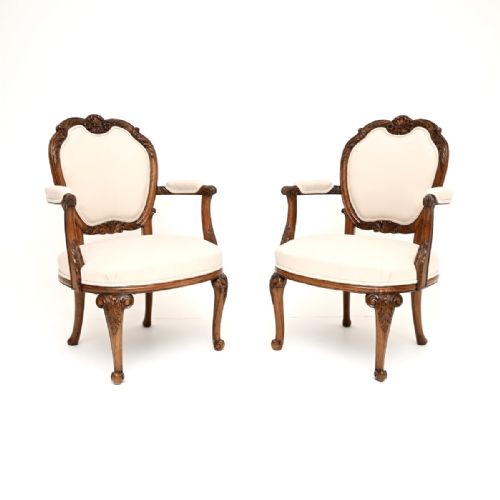
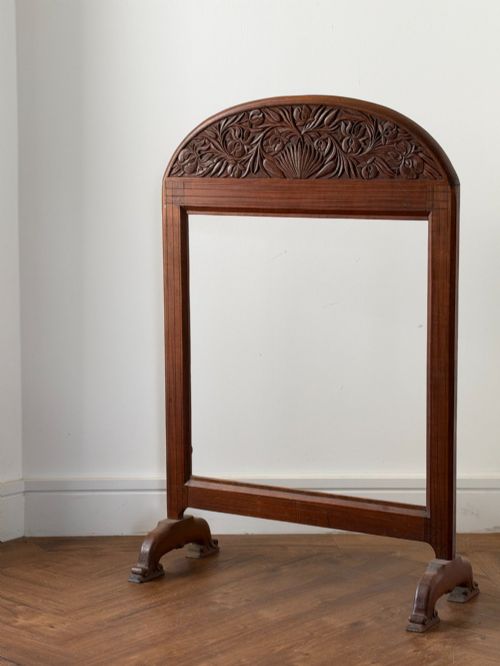
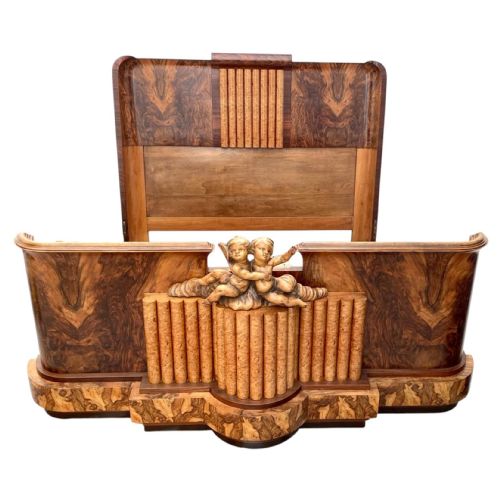
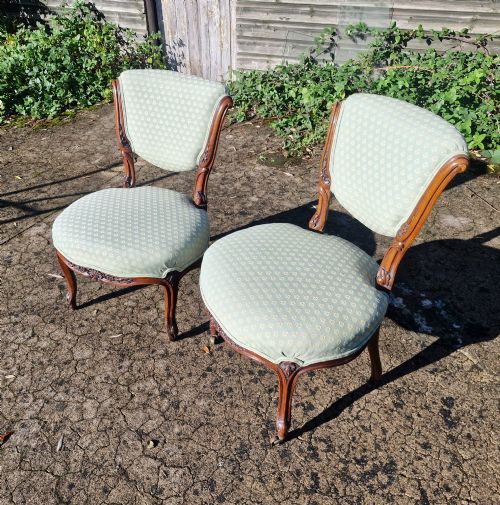
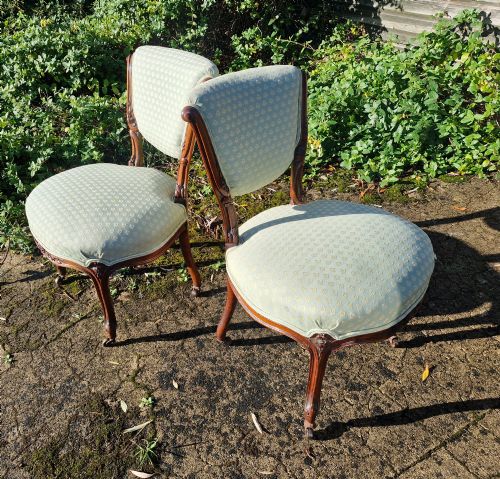
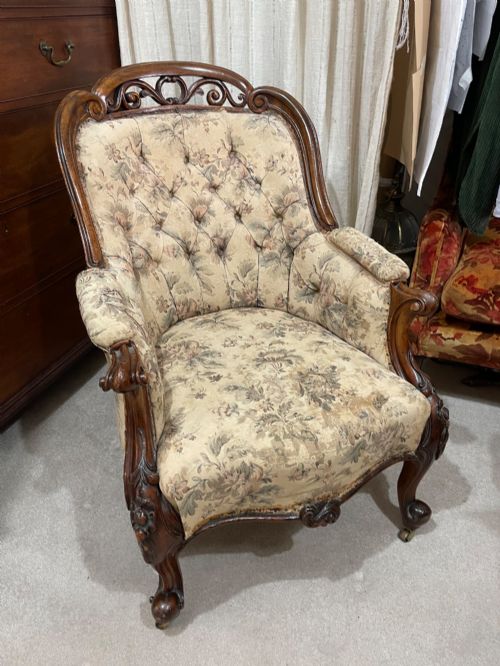
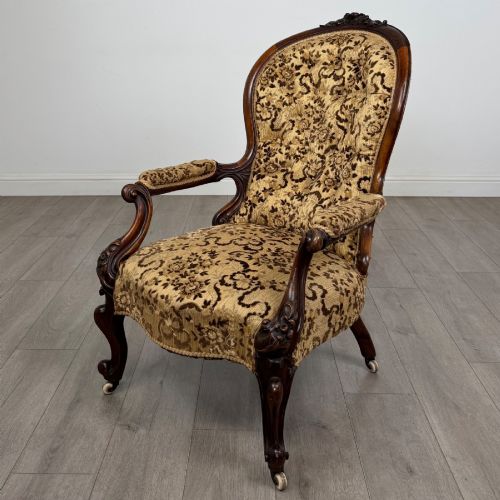
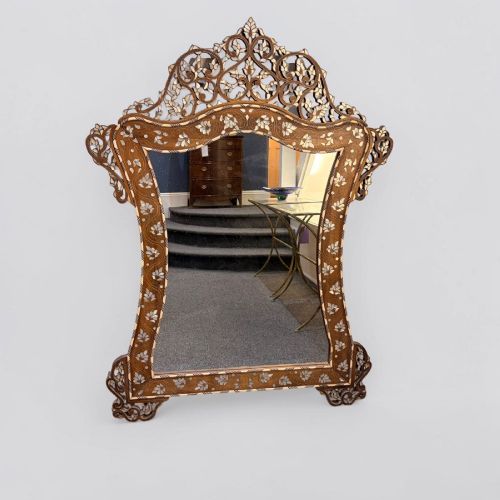
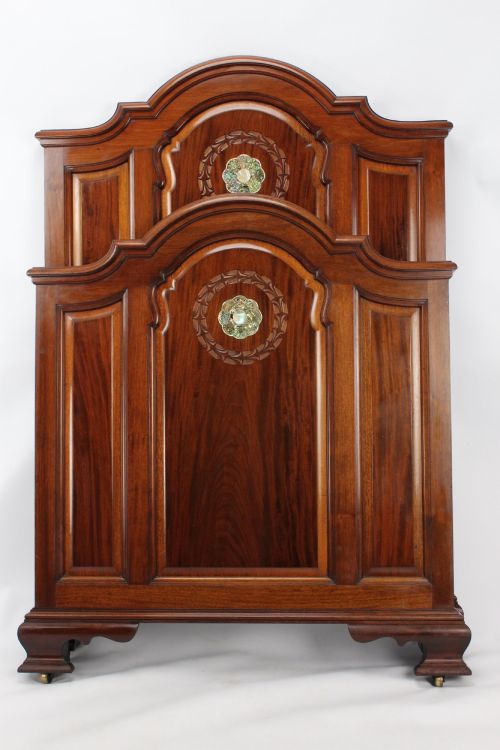
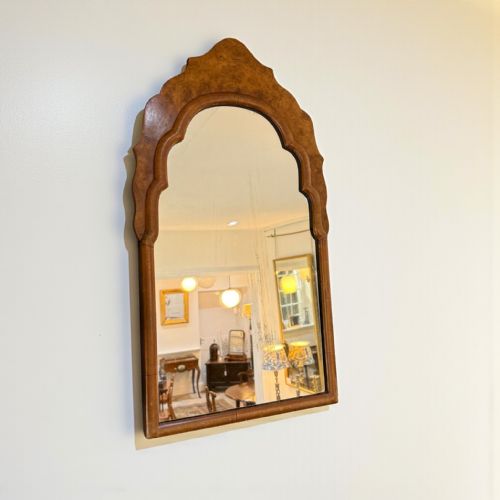
A carved walnut frame forms the structural and decorative skeleton for seating, beds and wall mirrors across this selection. Buyers seeking a carved walnut frame typically encounter Victorian salon chairs, French Louis XV style beds, and mirrors spanning from the eighteenth century to the early twentieth century.
The material repertoire combines solid walnut and burr walnut veneers with supporting elements in glass, brass, velvet, fabric, giltwood and textile. These pieces originate from diverse stylistic traditions, including Queen Anne Revival, French Rococo and Victorian design.
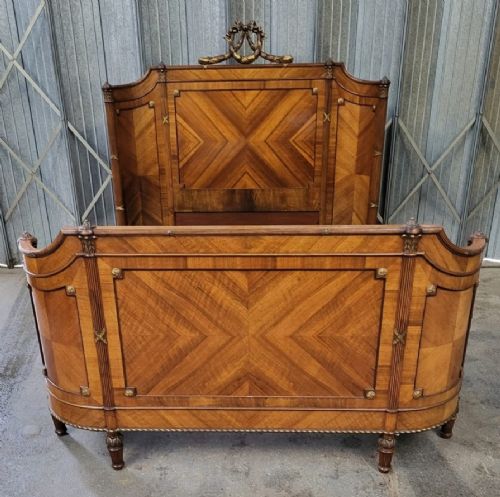
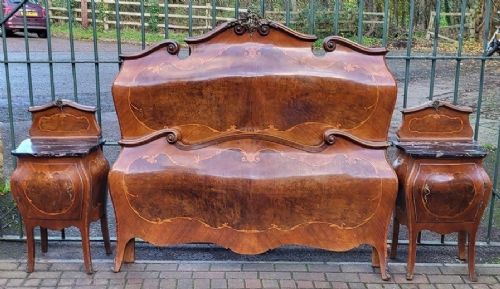
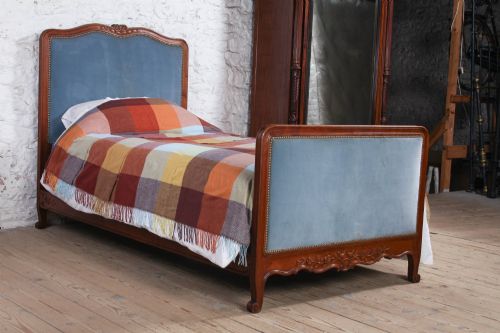
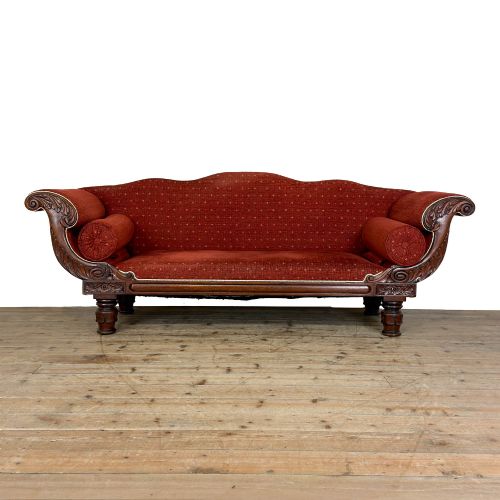
Seating forms range from open armchairs and side chairs to three-seat sofas and bergere easy chairs. Bedsteads appear in single, double and king sizes, while wall mirrors include provincial styles and parcel gilt examples.
How they were made
Craftsmen carved solid walnut and figured burr walnut directly to achieve high relief scrollwork, cabriole legs and inset mouldings. Secondary materials like mother-of-pearl and abalone shell were hand-cut and pressed into recesses on Victorian frames.
Makers incorporated giltwood accents and parcel gilding to highlight carved details on eighteenth century and nineteenth century mirrors. Upholstered elements utilised needlework, velvet and textiles stretched over padded foundations supported by internal wooden frameworks.
Carved Walnut Frame Retail Price Guide 2026
Typical asking prices for carved walnut frame among the pieces listed under this phrase on Sellingantiques today, from the lower quarter to the upper quarter. They describe what is for sale here now, not the wider market.
Makers occasionally added tiny fragments of gleaming abalone to secret spots on chairs, ensuring a private sparkle for the sitter.
What varies in quality
Depth and crispness of the hand carving separate standard production from exhibition pieces. Superior examples display undercut foliage and confident asymmetry, whereas lesser items show shallow, mechanically smoothed profiles.
The selection of the walnut timber itself dictates the grade of the object, with figured burr veneers and dense, richly grained solid walnut marking the finer end of the range. Joinery execution, such as pegged mortise and tenon joints in chair frames and stable mitres on mirrors, determines structural integrity.
Howard And Sons
The Carved Walnut Frame Glossary
- Walnut
- A hard, dense timber with a rich brown grain used extensively for cabinet making and carved frames. It accepts fine detail work and develops a deep patina over time.
- Burr walnut
- A highly figured timber veneer taken from the growth excrescences of the walnut tree. Its swirling patterns appear on high-status Victorian furniture and bed heads.
- Cabriole leg
- A furniture leg that curves outward and then tapers inward with a pad or scroll foot. This form mimics the leap of an animal and dominates eighteenth century and revival seating.
- Parcel gilt
- Partially gilded with gold leaf or paint to accent specific carved highlights on a wooden surface. It frequently contrasts against dark polished walnut.
- Bergere
- An enclosed upholstered armchair with wooden framing and cane or upholstered sides. The wooden frame is typically exposed and carved.
Carved Walnut Frame: Frequently Asked Questions
How do I date a carved walnut frame?
Dating relies on combining the stylistic clues of the carving with the construction methods visible on the reverse or underside. Eighteenth-century pieces often show hand-sawn timber and peg construction, while Victorian pieces incorporate machine-sawn components alongside applied veneers and specific inlay materials like mother-of-pearl.
Secondary woods and upholstery webbing also offer chronological indicators. Examining the patination of the walnut and the tool marks left by the carver helps distinguish genuine period revival work from earlier originals.
Are walnut frames structurally stable?
Walnut is a durable hardwood that holds carved detail exceptionally well over centuries of use. Provided the joints remain tight and the timber has not suffered from dampness, these frames withstand everyday domestic use.
Seating frames bear the most mechanical stress, so checking the stability of the joints where the rails meet the carved legs is essential. Mirrors and beds generally experience less structural wear and maintain their integrity well.
How should I clean a carved walnut frame?
Maintenance requires removing dust from deep carved recesses using a soft-bristled brush rather than a flat cloth. Applying a microcrystalline wax periodically preserves the polished surface of the walnut without building up sticky layers.
Harsh chemical cleaners and excessive moisture must be avoided to protect both the wood finish and any adjacent giltwood or fabric elements. Gentle buffing maintains the natural sheen of the timber.
What is the difference between solid walnut and burr walnut?
Solid walnut consists of milled planks cut from the main trunk of the tree, displaying a straight or figured grain suitable for heavy structural carving. Burr walnut utilises decorative veneer sliced from irregular tree growths, prized for its complex swirling patterns.
Burr walnut is typically applied to flat surfaces and panel inserts on beds and tables, while structural frames and deeply carved motifs rely on solid timber.