

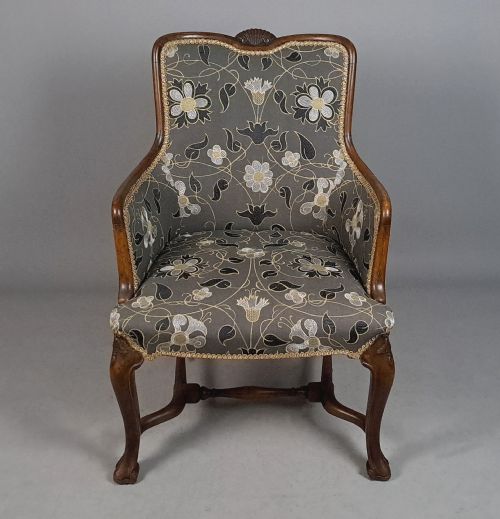
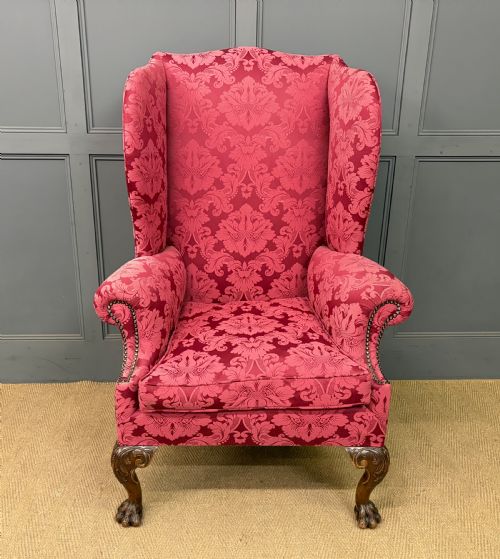

Carved Walnut Fireside Chair
A carved walnut fireside chair brings warmth and carved timber presence to a room, offering low seating designed to sit near a hearth.
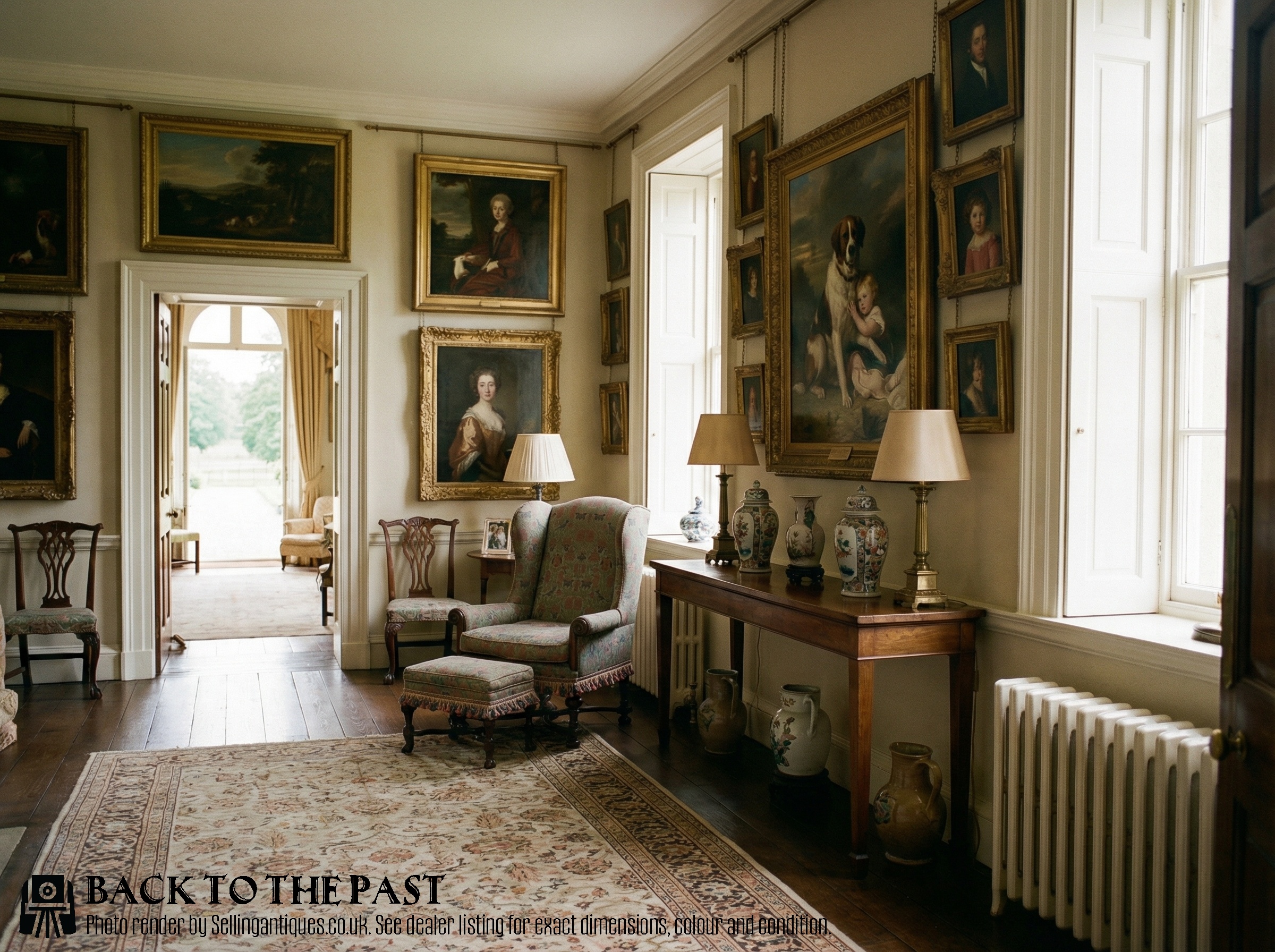
Carved Walnut Fireside Chair
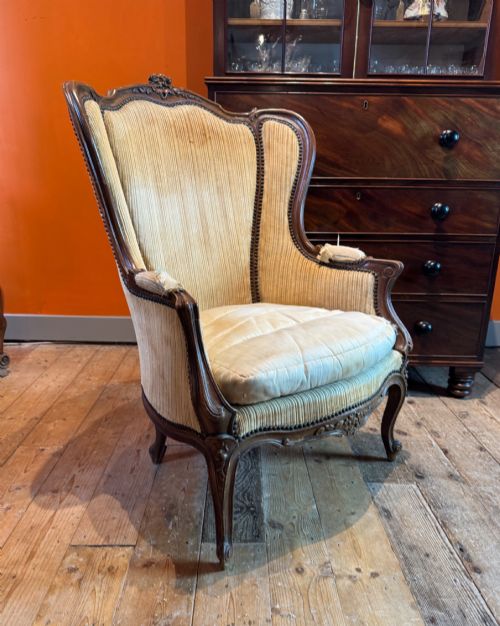
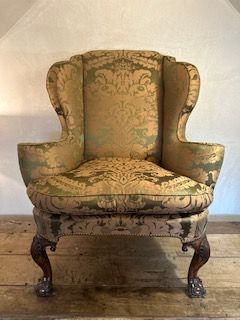
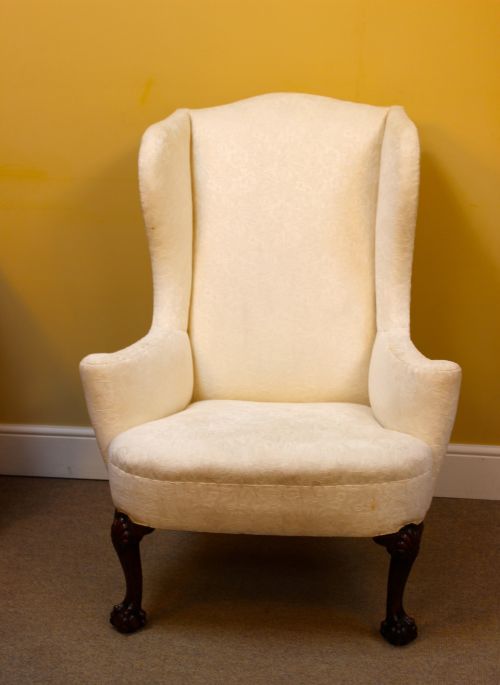
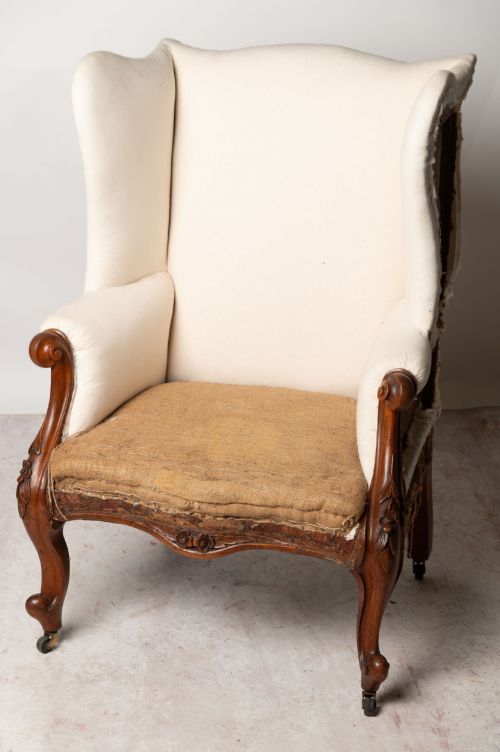
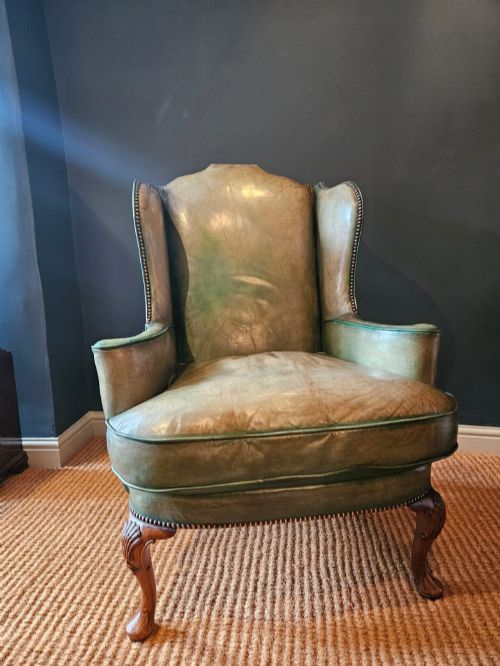
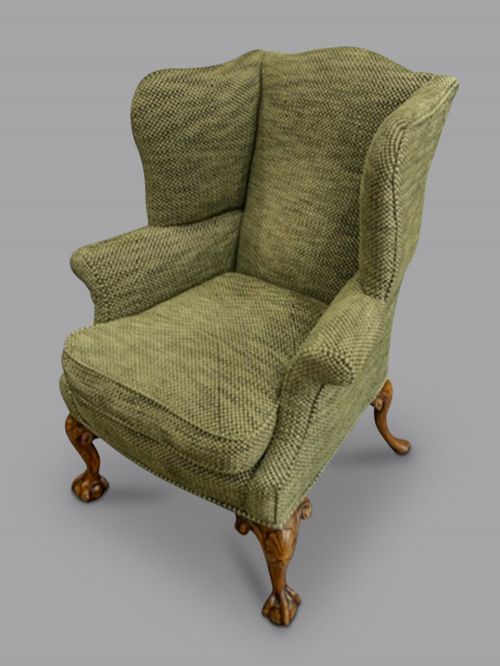
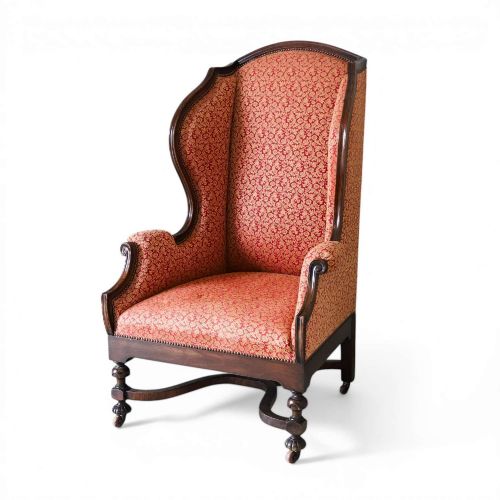
A carved walnut fireside chair takes several distinct seating forms, from low nursing chairs and compact elbow chairs to grand wing armchairs designed to block draughts. These pieces emerge across the nineteenth century and into the early twentieth century, drawing inspiration from earlier Georgian, Queen Anne, and Carolean designs.
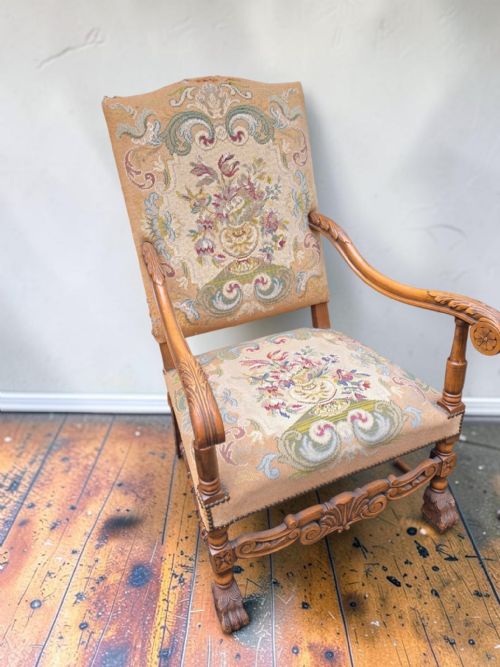
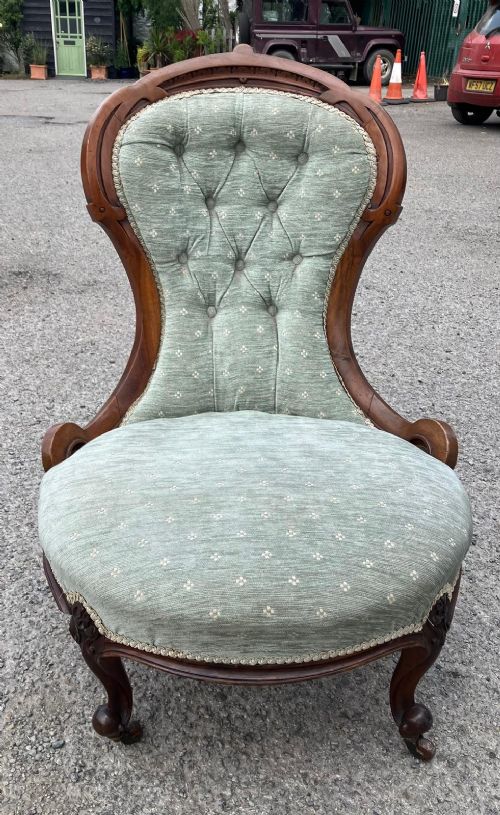
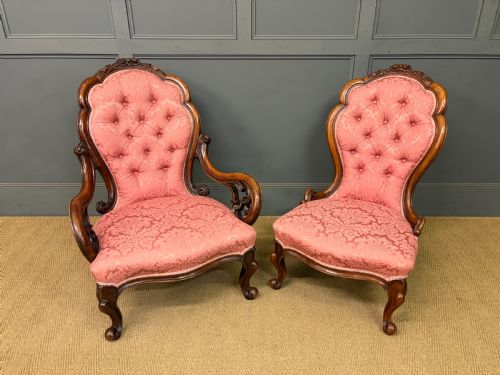
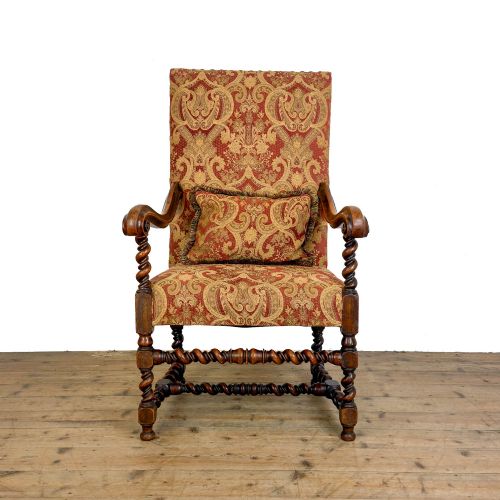
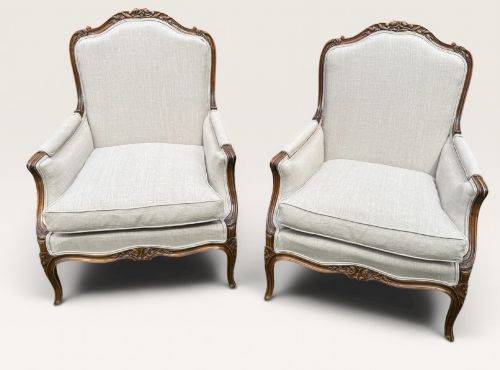
The version most commonly met on this page is the Victorian walnut armchair, often featuring an exposed timber frame with carved details and upholstered pads. Alongside these sit French bergere chairs and revival pieces from the Edwardian decades, reflecting diverse historical revivals across English and continental workshops.
Materials and Technique
Makers utilised dense walnut timber for the structural frames, allowing carvers to shape intricate scrolls, cabriole legs, and show wood borders without losing structural integrity. The timber grain varies from warm honey tones to deep dark patinas depending on age and polish.
Upholstery methods rely on traditional stuffing techniques enclosed in textiles such as leather, velvet, damask, and tapestry. Brass tacks frequently secure the fabric edges to the walnut framework, while internal webbing and springs provide support for the seat.
Carved Walnut Fireside Chair Retail Price Guide 2026
Typical asking prices for carved walnut fireside chair among the pieces listed under this phrase on Sellingantiques today, from the lower quarter to the upper quarter. They describe what is for sale here now, not the wider market.
One button-backed armchair arrives with a matching stool, ensuring nobody has to argue over who gets to put their feet up.
Judgement of Quality
The distinction between tiers rests upon the crispness of the timber carving and the architectural balance of the frame. Superior examples display deep, hand-chiseled relief work on the walnut legs and crests, whereas lesser pieces exhibit softer or mechanically duplicated moulding.
Another factor is the harmony between the timber frame and the textile selection, as well as the retention of original show wood surfaces. Chairs that maintain their initial proportions and uncompromised joinery stand apart from those altered by heavy restoration.
Howard And Sons
The Carved Walnut Fireside Chair Glossary
- Wing Armchair
- An upholstered chair with high sides attached to the back, originally designed to shield the sitter from draughts near a fireplace. These frequently feature walnut cabriole legs.
- Nursing Chair
- A low-seated chair designed for comfort, traditionally used in bedrooms or nurseries. They often possess carved walnut frames and open or spoon backs.
- Show Wood
- The exposed wooden portions of a chair frame left visible around the upholstered padding. Carved walnut show wood is a defining feature of Victorian fireside seating.
- Cabriole Leg
- A furniture leg that curves out in a convex arc and tapers inward in a concave arc, ending in a pad or foot. This form appears frequently on walnut chairs influenced by earlier Georgian styles.
- Bergere
- An enclosed upholstered armchair with wooden framing, often featuring cane work on the sides or back. French examples in walnut date across the nineteenth and early twentieth centuries.
Carved Walnut Fireside Chair: Frequently Asked Questions
How do I identify a Victorian fireside chair?
Look for dark walnut framing combined with button-backed upholstery or exposed carved show wood around the backrest. These pieces frequently employ deep buttoning and sprung seats typical of the mid to late nineteenth century.
Proportions tend to be lower and wider than standard dining seating, intended specifically for placement near a fireplace or in a bedroom.
Are these chairs suitable for daily use?
Most antique walnut fireside chairs accommodate regular seating provided the internal webbing and padding remain sound. Many survive with modern upholstery or period-appropriate textiles that suit contemporary living spaces.
Checking the stability of the walnut joints ensures the frame handles daily weight without strain.
How should I care for antique walnut wood?
Maintain the timber by dusting with a soft cloth and applying a microcrystalline wax periodically to nourish the surface. Avoid placing walnut furniture in direct sunlight or beside direct heat sources to prevent the wood from drying out.
Gentle care preserves the natural patina developed over generations of use.