


Carved Walnut Drawer Table
A carved walnut drawer table brings warmth and dependable utility to a room, offering rich timber figure and practical surface space.
Carved Walnut Drawer Table
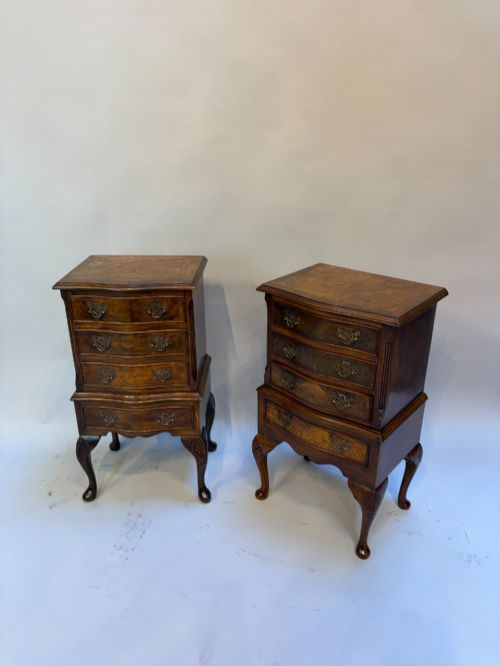
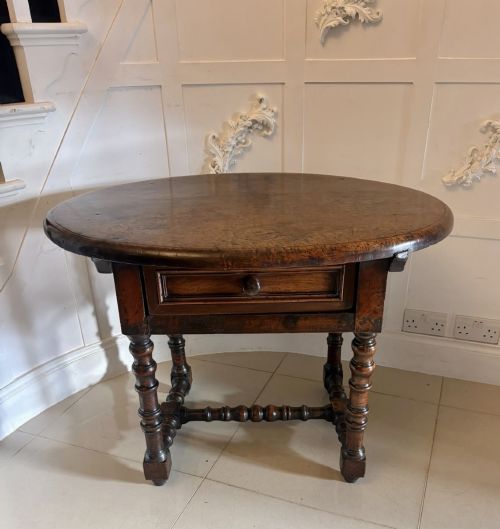
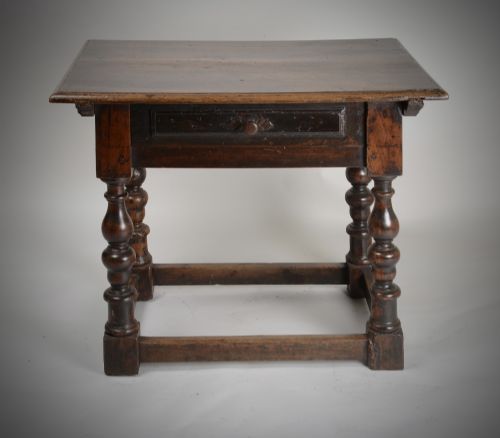
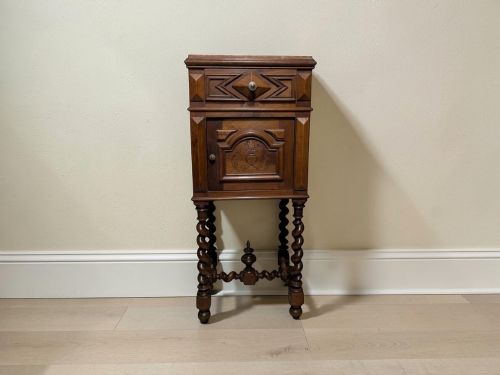
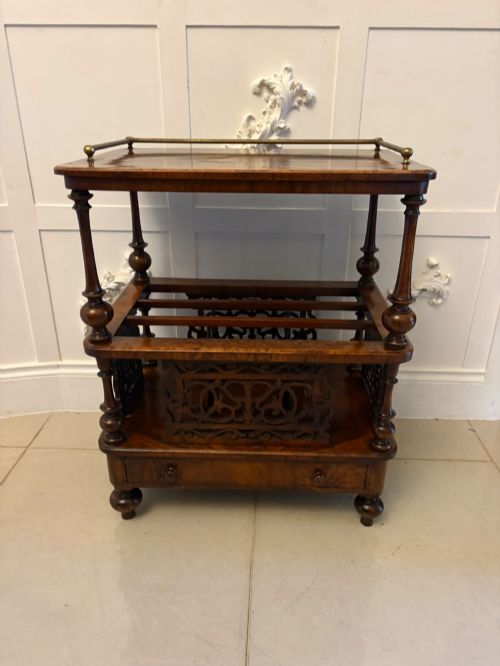
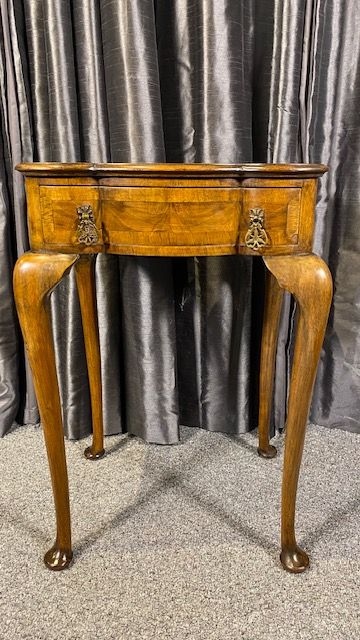
A carved walnut drawer table represents a specific form of domestic furniture designed for storage and display, appearing across various centuries and stylistic revivals. When you examine a carved walnut drawer table, you engage with pieces spanning from the seventeenth century through to the Edwardian period and the early twentieth century.
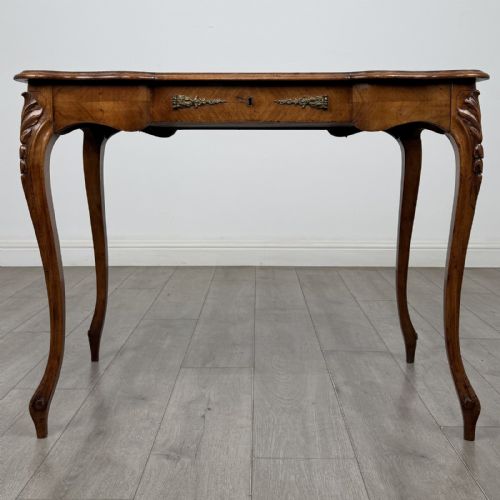
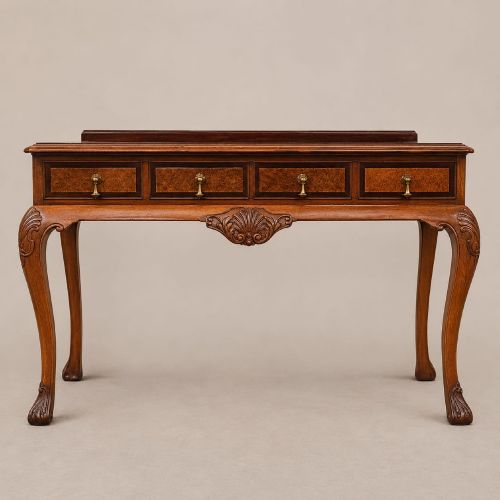
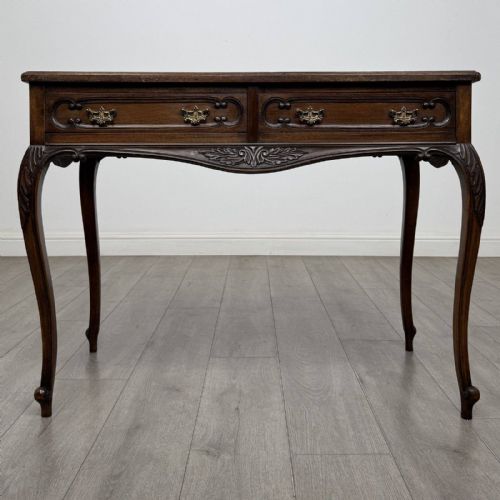
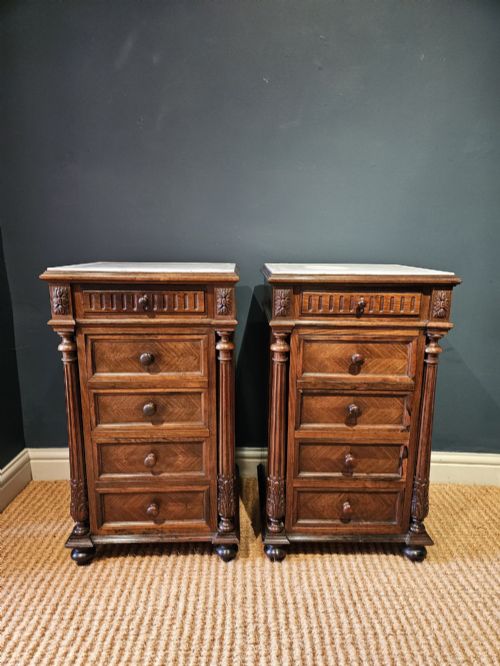
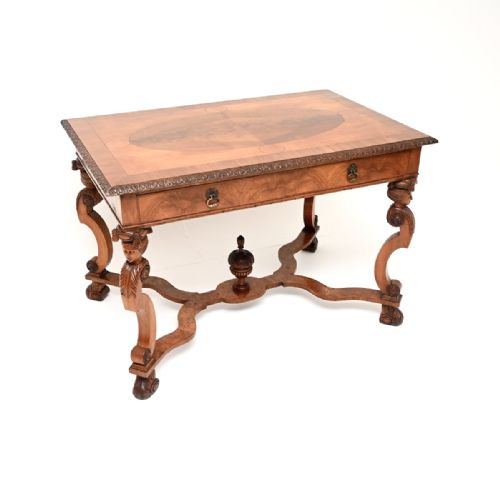
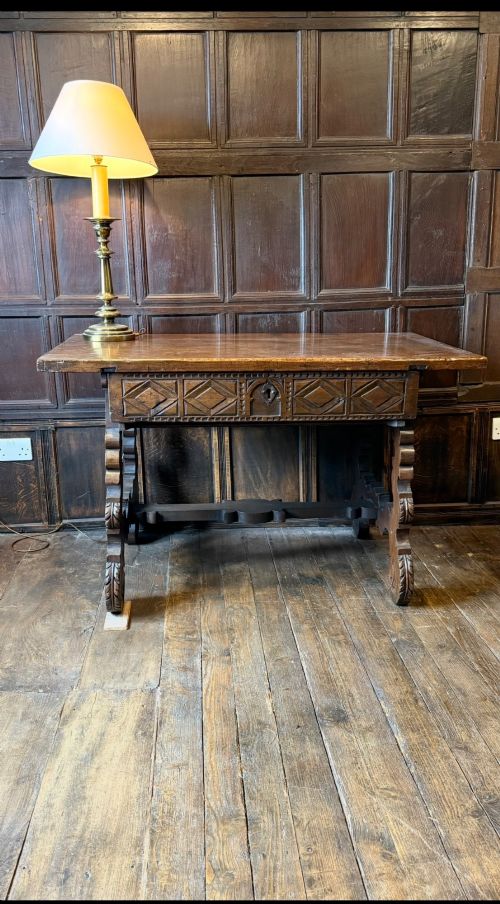
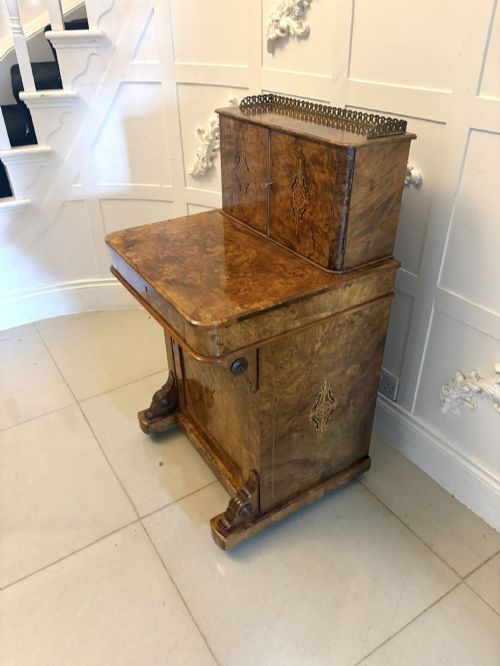
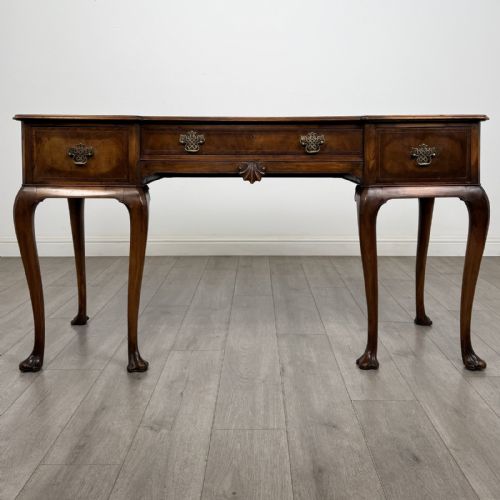
The selection on this page demonstrates that these tables frequently incorporate side tables, writing desks, and console tables fashioned from walnut timber. You are likely to meet examples displaying Victorian, Queen Anne, and Edwardian influences alongside Italian and French provincial designs.
These items served primarily as functional furniture in halls, libraries, and living spaces, offering surface tops and integrated drawers for storage. The survival of such pieces highlights the enduring appeal of walnut as a cabinet timber across multiple generations of makers.
Assessing Quality and Execution
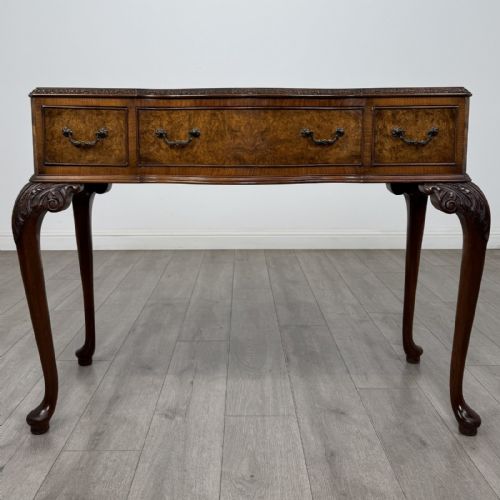
The standard of a piece rests upon the selection of the walnut timber, particularly the consistency and richness of the grain in burr veneers. Superior examples display careful book-matching on table tops and drawer faces, ensuring symmetrical patterns across the surface.
Carving execution defines the upper tier of these tables, where details on cabriole legs and mouldings show crispness and depth rather than soft, mechanical rounding. The integration of secondary woods, the snug fit of drawer boxes, and the retention of original brass hardware further distinguish finer workshops from standard production.
Carved Walnut Drawer Table Retail Price Guide 2026
Typical asking prices for carved walnut drawer table among the pieces listed under this phrase on Sellingantiques today, from the lower quarter to the upper quarter. They describe what is for sale here now, not the wider market.
Secret compartments in nineteenth-century pedestal desks offered Victorian writers a private place to stash stamps away from prying eyes.
Edwards and Roberts·Gill and Reigate·Maple and Co
The Carved Walnut Drawer Table Glossary
- Burr walnut
- A figured timber obtained from walnut tree growths, valued for its complex, swirling grain patterns. It is frequently sliced into thin veneers for table tops and drawer fronts.
- Cabriole leg
- A furniture leg that curves outward and then tapers inward, finishing in a pad, claw, or scroll foot. This form is common in Queen Anne and eighteenth-century styles.
- Console table
- A table designed to stand against a wall, sometimes supported by brackets or legs at the front only. These pieces often serve as hall or serving tables.
- Dovetail
- A joint formed by interlocking wedge-shaped fingers, used primarily in drawer construction to ensure durable corners. Hand-cut dovetails indicate traditional craftsmanship.
- Serpentine
- A shape characterised by a gently curved outline that undulates outward and inward. This profile appears frequently on drawer fronts and table edges.
Carved Walnut Drawer Table: Frequently Asked Questions
How do I date a walnut table?
Dating relies on observing construction methods, timber choice, and stylistic details such as leg shapes and hardware. Earlier pieces often feature hand-cut joints and simpler internal framing compared to Edwardian or later revivals.
Examining secondary timbers inside drawers and the ageing of the wood surface helps confirm the period of manufacture.
What is burr walnut?
Burr walnut comes from an irregular growth on the walnut tree, producing dense clusters of swirling grain. Cabinet makers sliced this wood into veneers to cover flat surfaces like table tops.
This technique highlights natural patterns that differ significantly from straight-grained timber.
Where should I place a console table?
A console table works well against a wall in an entrance hall, living room, or dining space. Its narrow profile provides a surface for lamps and decorative objects without blocking walkways.
Pairing it with a mirror or hanging artwork above creates a balanced focal point in the room.
How do I maintain walnut furniture?
Maintenance involves keeping the timber away from direct sunlight and excessive heat sources to prevent the wood from drying out. Regular dusting with a soft, dry cloth preserves the finish without building up residue.
Periodically applying a suitable wax helps nourish the walnut and maintain its natural lustre.