
Carved Walnut Cupboard Doors
Carved walnut cupboard doors provide architectural depth and rich grain, bringing historic character and traditional craftsmanship directly to interior schemes.
Carved Walnut Cupboard Doors
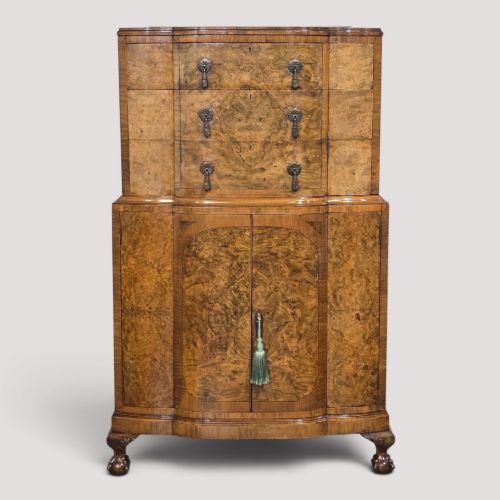
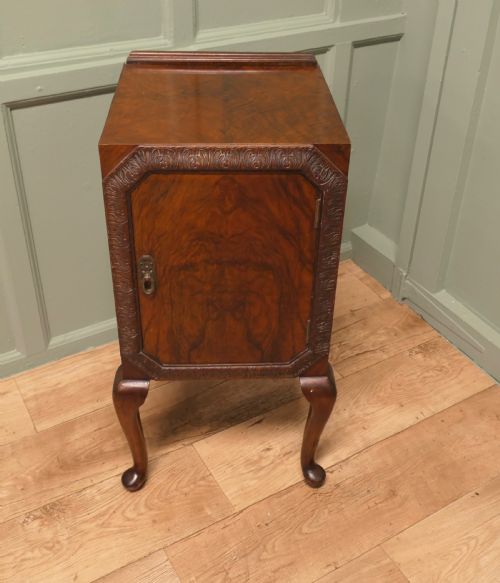
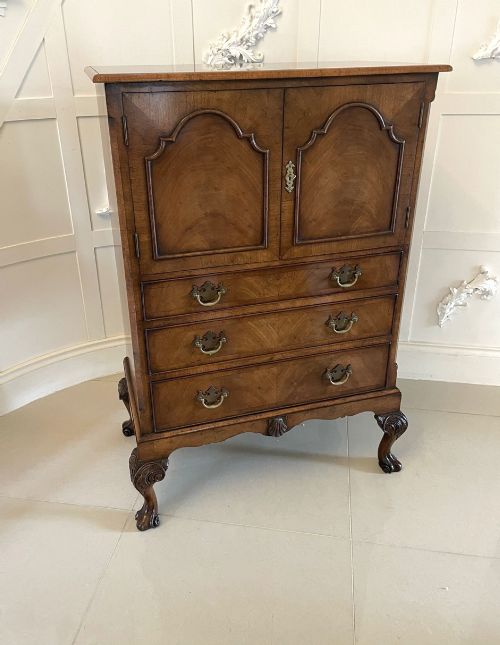
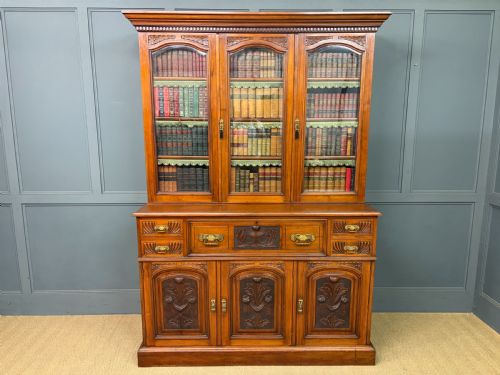
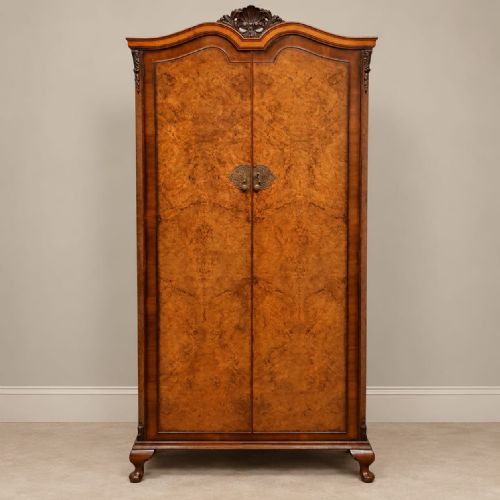
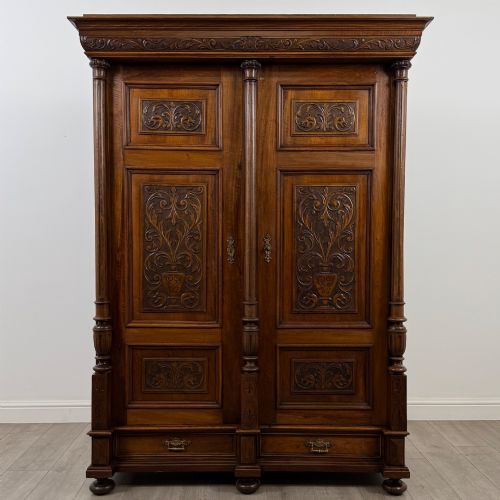
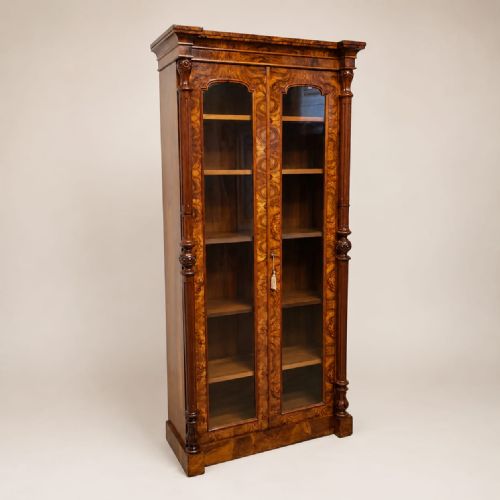
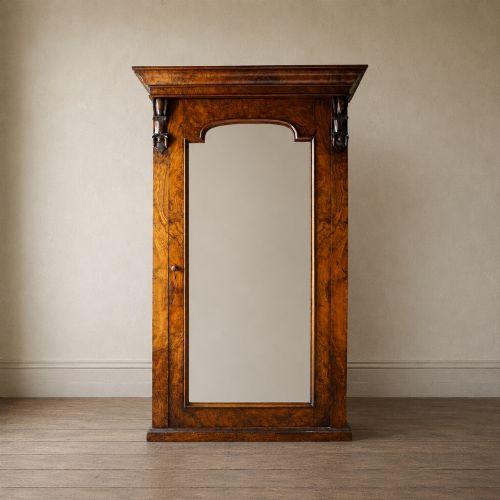
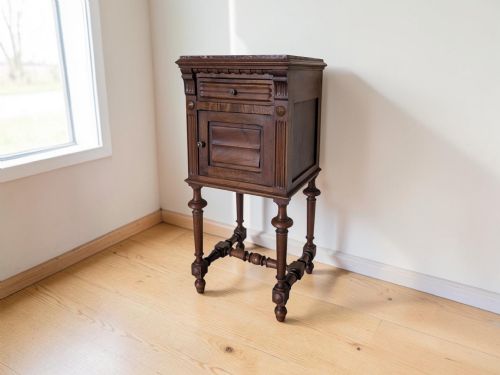
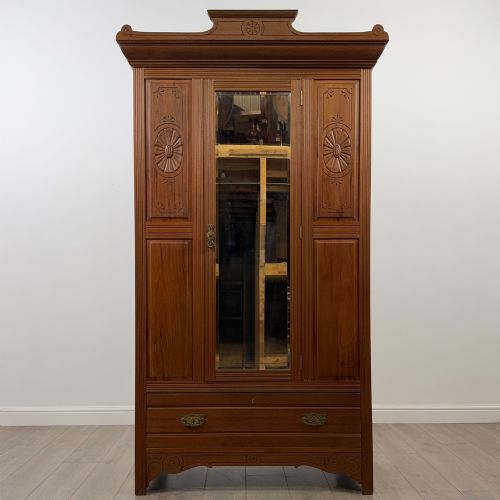
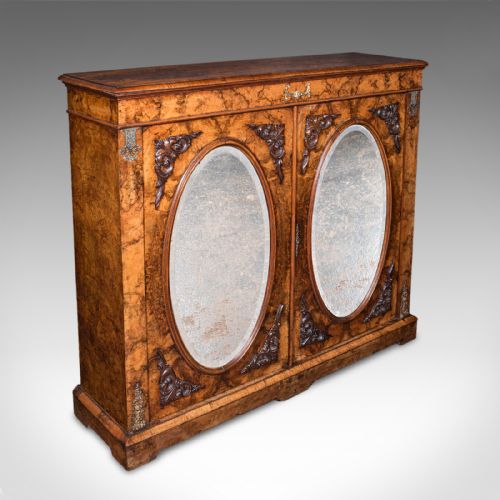
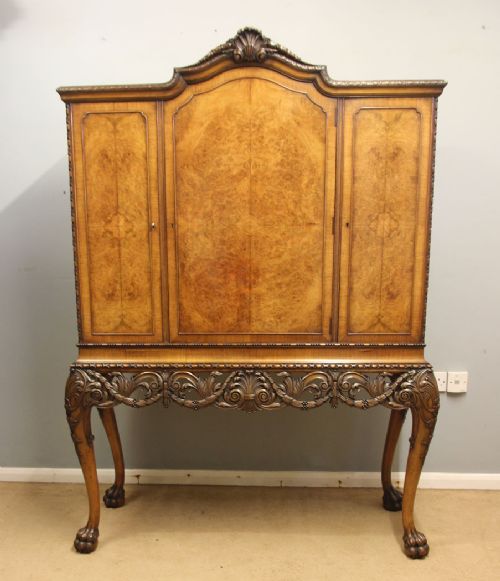
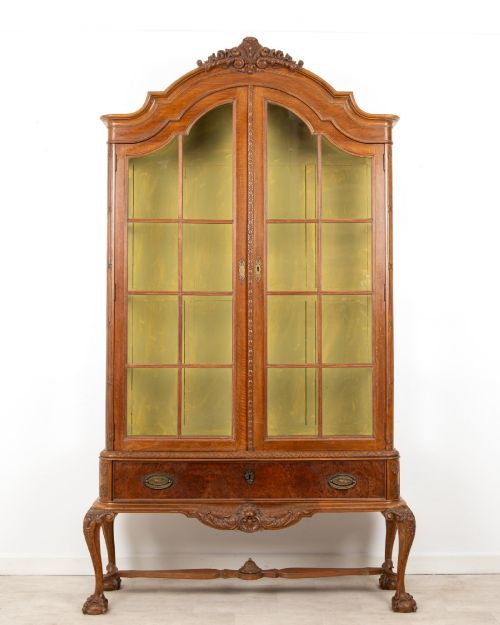
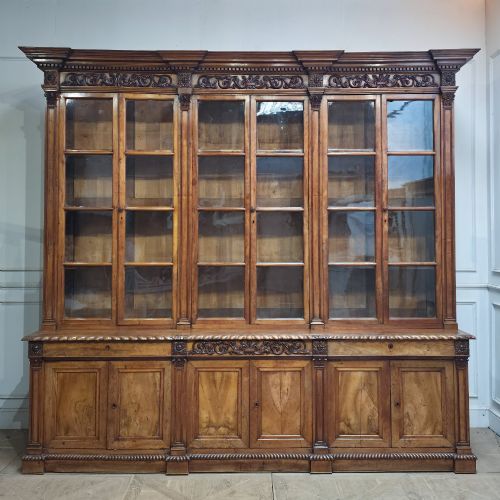
Carved walnut cupboard doors emerge from a diverse selection of period cabinetry, ranging from 18th Century Italian panels to Victorian and Edwardian wardrobes, bookcases, and side cabinets. These architectural elements showcase the enduring appeal of walnut timber in European furniture design.
Buyers encountering this selection will predominantly find elements salvaged from larger storage pieces or paired architectural panels, reflecting styles such as French Provincial, Italian Baroque, and Queen Anne Revival. The forms span centuries of woodworking tradition, highlighting distinct regional carving motifs.
The inventory demonstrates how utilitarian storage fronts evolved into decorative statements through relief carving, fielded panels, and symmetrical grain matching. Each piece offers a tangible link to historical domestic interiors.
Assessing Quality and Execution
Quality rests significantly on the depth, crispness, and artistic ambition of the carved ornament, where master carvers achieved superior anatomical and floral definition. Lesser examples display mechanical repetition and shallower relief work.
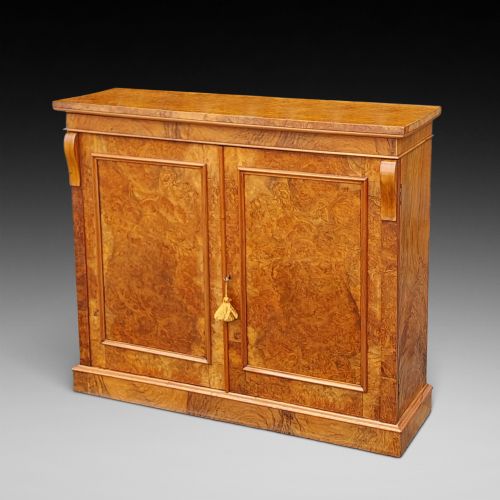
The choice of timber grain, particularly the selection and bookmatching of burr walnut veneers, distinguishes exceptional commissions from standard utility items. Natural figuring and symmetrical patterns elevate the visual presence of the timber.
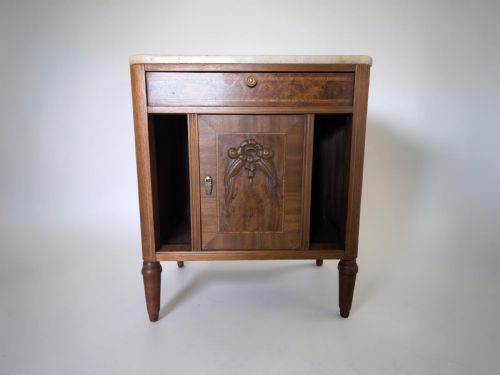
The listings span multiple centuries, incorporating 17th Century pieces through to Art Deco designs, utilising brass, glass, and marble alongside solid walnut.
The Carved Walnut Cupboard Doors Glossary
- Burr Walnut
- A distinctive wood figure derived from the gnarled growth knots of the walnut tree. It produces highly prized, swirling patterns utilised in fine cabinet veneering.
- Fielded Panel
- A raised central panel on a door whose edges are bevelled or grooved to fit into a surrounding groove. This traditional technique allows the wood to expand and contract safely.
- Ormolu
- Cast and chased bronze that receives a gold gilt finish, frequently mounted onto high-status furniture. It provides metallic contrast against dark walnut surfaces.
- Compactum
- A large wardrobe or fitted closet designed for efficient, multi-compartment storage. These pieces combine hanging space with drawers and shelving.
- Baroque
- An ornate European style spanning the 17th and 18th centuries characterised by dramatic movement and rich surface ornamentation.
Carved Walnut Cupboard Doors: Frequently Asked Questions
How do I date carved walnut cupboard doors?
Dating relies on examining the carving style, joinery methods, and the specific characteristics of the walnut timber used in the construction.
Earlier pieces from the 18th century often display hand- cut pegged joints and deep relief work, whereas later Victorian and Edwardian examples utilise machine assistance and standardised hardware.
Are these doors suited for modern interior installation?
These historical doors adapt well to modern architectural uses, such as bespoke kitchen pantries, wall-mounted storage units, or architectural room dividers.
Installers must account for the natural weight of solid walnut and historical timber movement when mounting them into contemporary frames.
What is the difference between walnut and burr walnut?
Standard walnut timber provides a straight, rich brown grain with subtle colour variations suited for solid carved elements and structural framing.
Burr walnut comes from tree growths that create chaotic, highly decorative swirling patterns, which cabinetmakers slice into thin veneers for display surfaces.
How should I care for antique walnut woodwork?
Maintenance requires keeping the timber away from direct heat sources and dramatic humidity shifts to prevent the wood from splitting or warping.
Applying microcrystalline wax periodically helps nourish the historic finish and protects the surface from airborne moisture without building up heavy residues.