
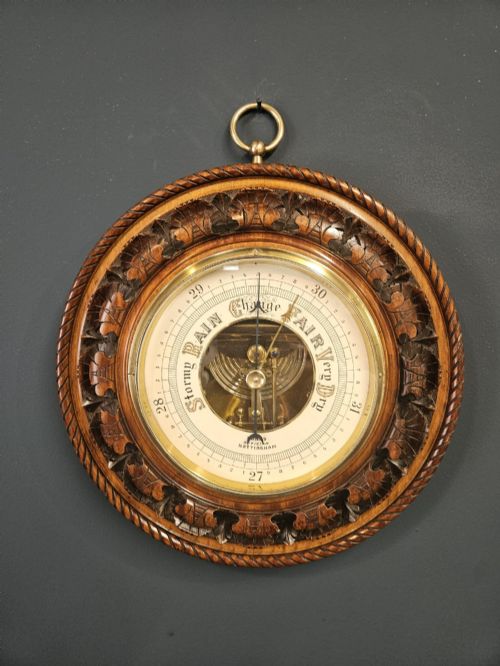

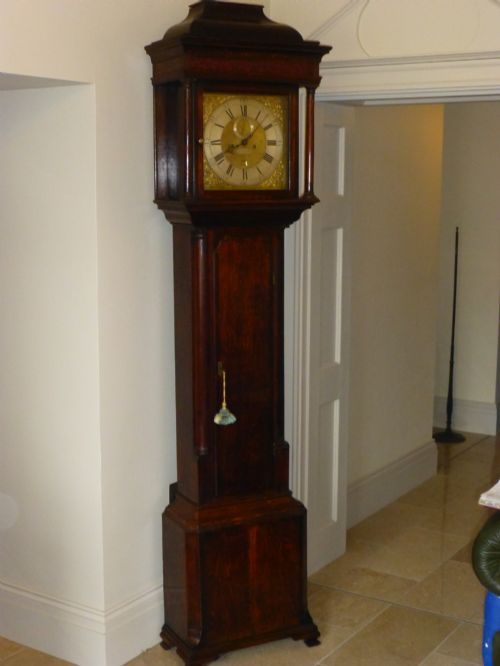
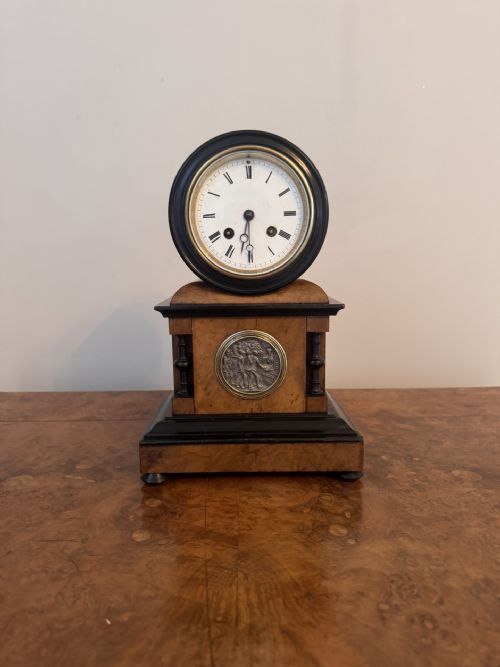
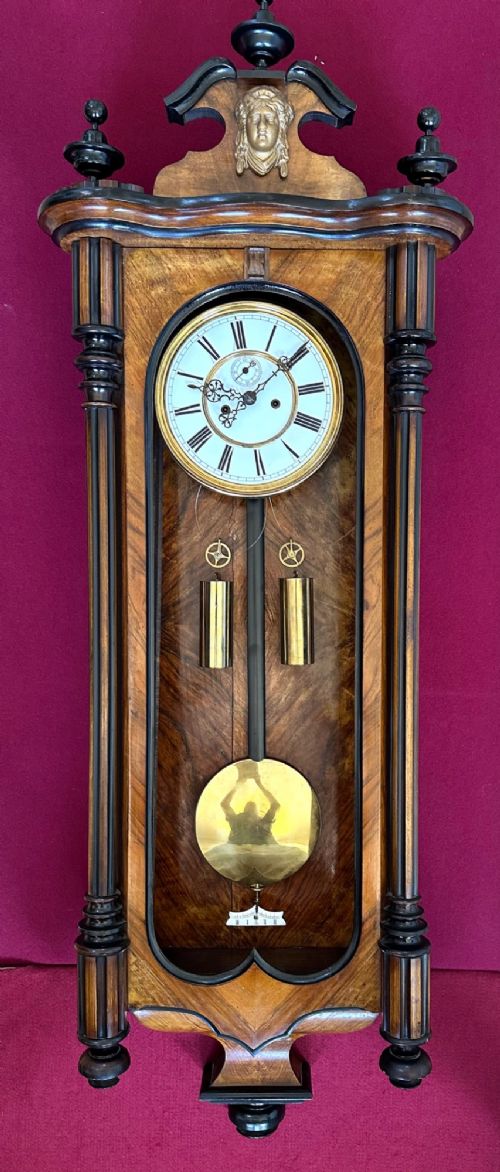
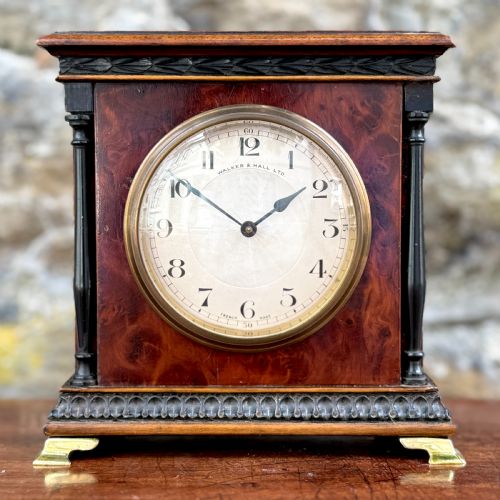

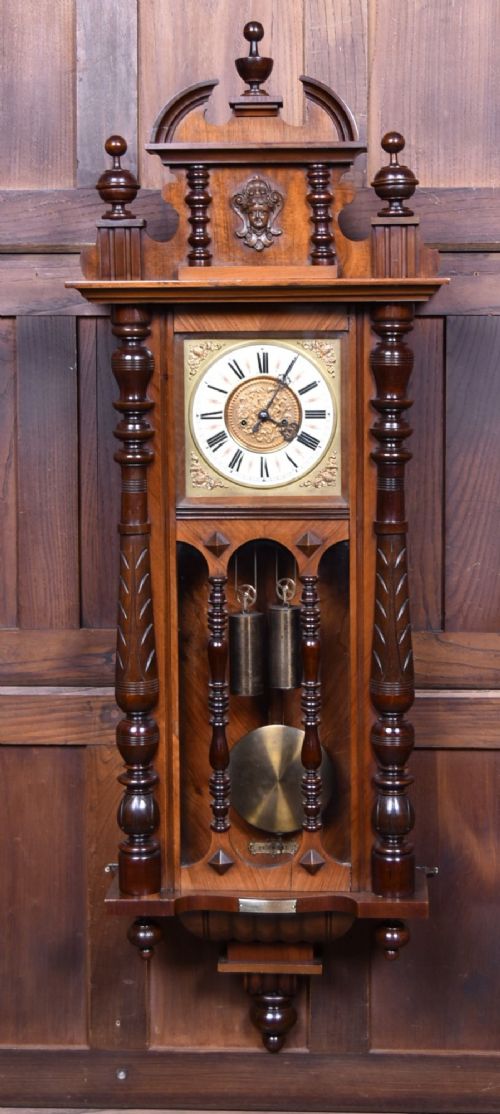
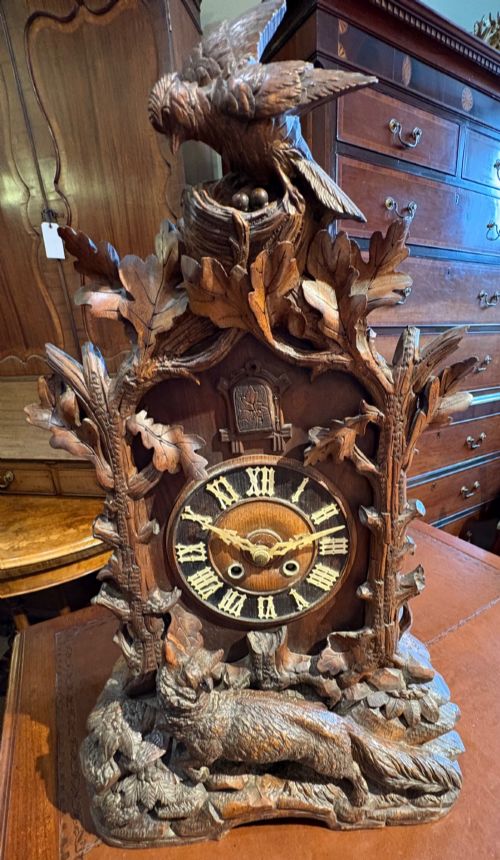

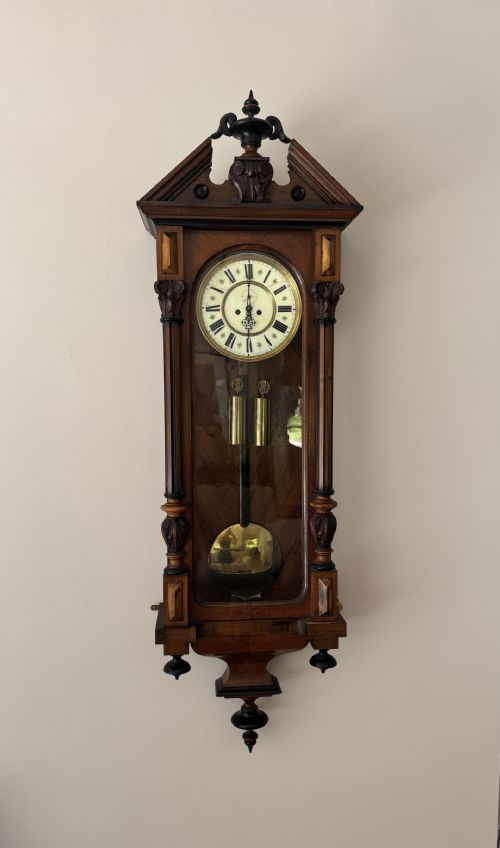


Carved Walnut Clock
A carved walnut clock brings deep timber warmth and precise mechanical rhythm into a room.

Carved Walnut Clock
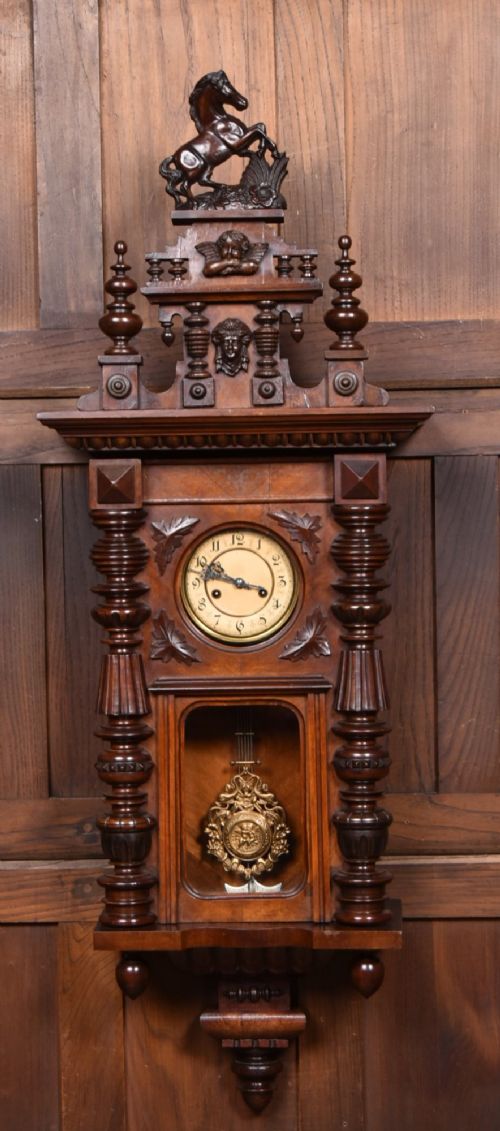
A carved walnut clock represents a fusion of functional timekeeping and rich cabinetmaking, spanning wall-hung regulators, tall case pieces and mantel designs.
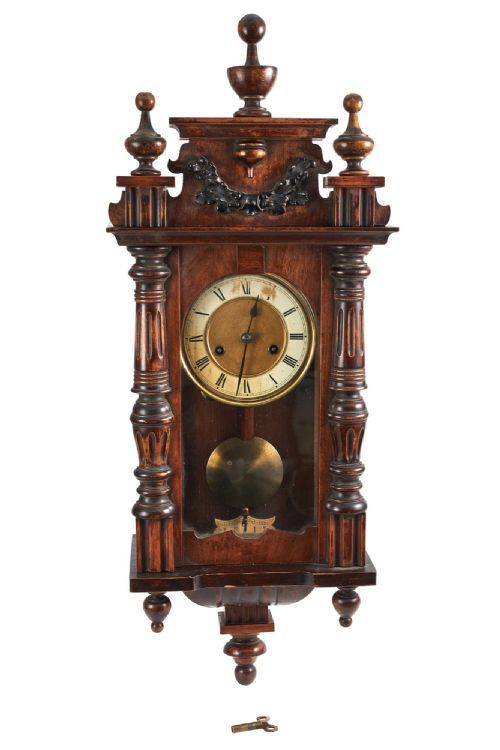
The version most commonly met on this page is the Victorian Vienna wall clock, frequently rendered in carved walnut with weight-driven movements.
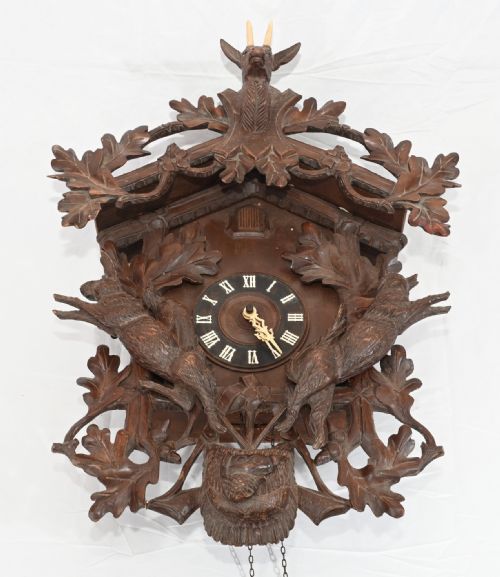
These items originate across Britain, Germany, Austria and the Black Forest, reflecting diverse regional woodworking and horological traditions.

Evaluating the Craftsmanship
The standard of carving distinguishes standard production from finer work, with depth, undercut detail and crisp symmetry showing the hand of a skilled artisan.
Movement finishing, including engraved backplates and high-grade striking mechanisms, separates everyday timepieces from superior horological examples.
Carved Walnut Clock Retail Price Guide 2026
Typical asking prices for carved walnut clock among the pieces listed under this phrase on Sellingantiques today, from the lower quarter to the upper quarter. They describe what is for sale here now, not the wider market.
Listings feature walnut, burr walnut, ebonised wood, and oak alongside brass and glass elements across eighteenth to early twentieth-century periods.

Richard Corless of Stockport·Walker and Hall·Edin Burgis of London·Gustav Becker·Johann Baptist Beha·Edward East·Samuel Young
The Carved Walnut Clock Glossary
- Vienna Regulator
- A precision weight-driven wall clock developed in Austria during the nineteenth century. These movements are known for their exact timekeeping.
- Burr Walnut
- A figured wood veneer taken from the growth excrescences on walnut trees. It provides a highly decorative and swirling grain pattern.
- Skeletonised
- A clock or barometer dial and movement layout where the plates are cut away to reveal the working gears. This allows a clear view of the internal mechanics.
- Ting Tang
- A striking mechanism that sounds two different notes on the quarters before the hour. It uses two hammers and two gongs.
- Drop Dial
- A clock case featuring a circular dial above a longer pendant box that encloses the pendulum. This form is common in wall-mounted timepieces.
Carved Walnut Clock: Frequently Asked Questions
How do I wind a weight-driven wall clock?
Weight-driven wall clocks require you to pull the chains or wind the cords to raise the heavy brass weights back to the top of the case. Take care not to pull too quickly so the internal gears engage smoothly.
Ensure the pendulum hangs freely before starting the movement. Regular winding maintains steady tension on the train for accurate timekeeping.
What is the difference between a Vienna regulator and a cuckoo clock?
A Vienna regulator focuses on precision timekeeping and refined architectural walnut cases, often featuring long visible pendulums and high-grade mechanical movements. They reflect formal nineteenth-century parlour aesthetics.
Black Forest cuckoo clocks are traditionally carved from softwood or walnut with rustic leaf and animal motifs, utilising bellows and pipes to produce bird calls on the hour.
Where should I hang a heavy walnut wall clock?
Hang your wall clock securely on a solid brick wall or directly into a timber stud using appropriate load-bearing hardware. Avoid hollow plasterboard unless using heavy-duty toggle anchors.
The location should remain free from excessive vibration, direct sunlight and sudden temperature shifts that might affect the timber case and movement lubrication.
How do I identify the period of a carved walnut case?
Examine the carving style, joinery methods and hardware to determine the era, noting that seventeenth-century styles lean toward restrained panels while Victorian examples favour exuberant foliage and deep relief.
Dial materials, such as enamel on copper versus painted iron or ceramic, also offer strong clues to the decade of manufacture.