





Carved Wall Cupboard
A carved wall cupboard is a timber hanging storage piece that brings texture and practical enclosed space to a room.
Carved Wall Cupboard
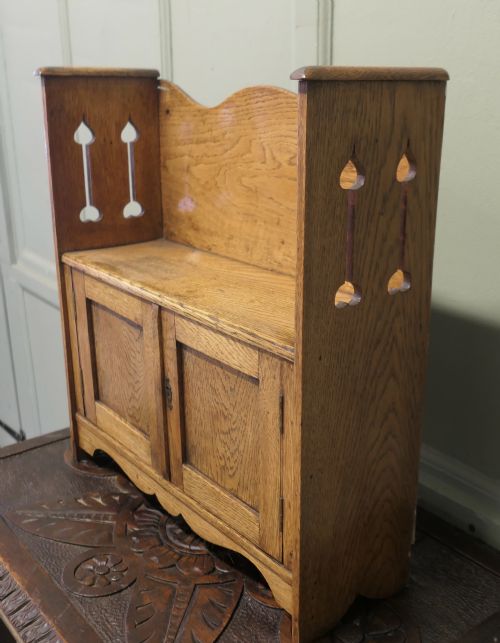
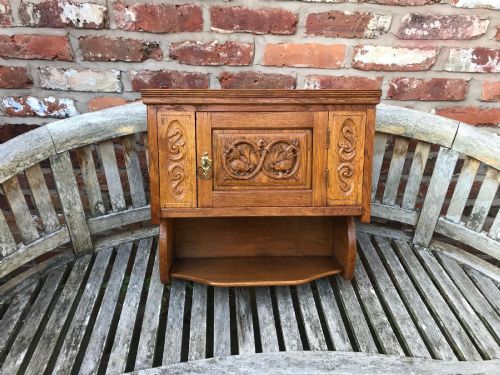
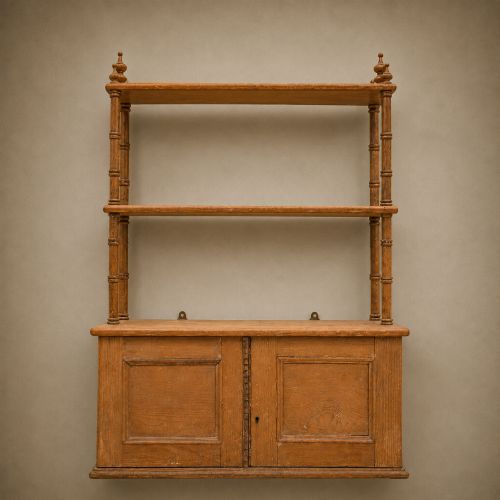
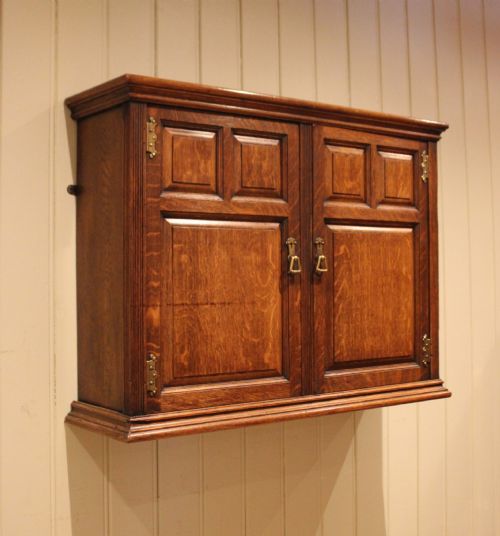
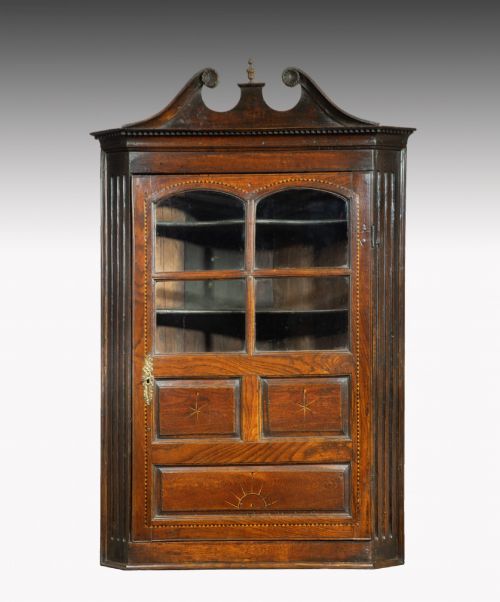
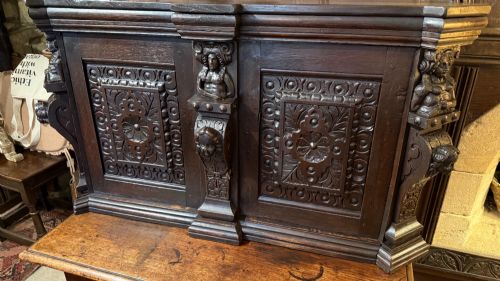
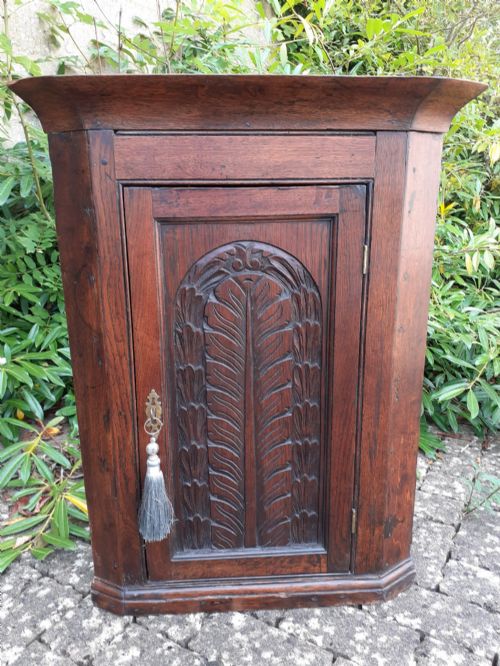
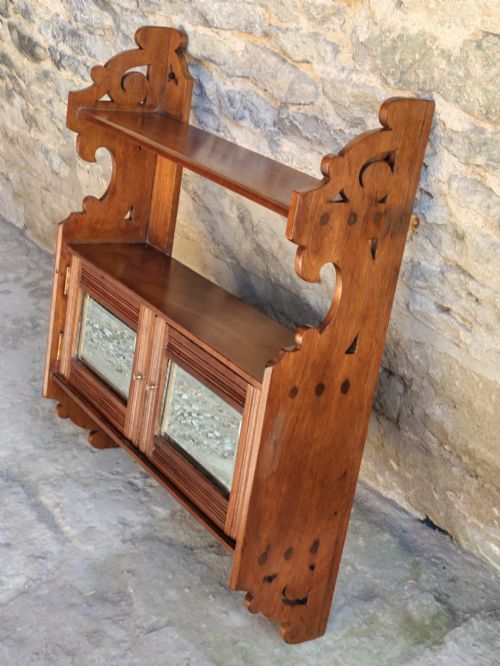
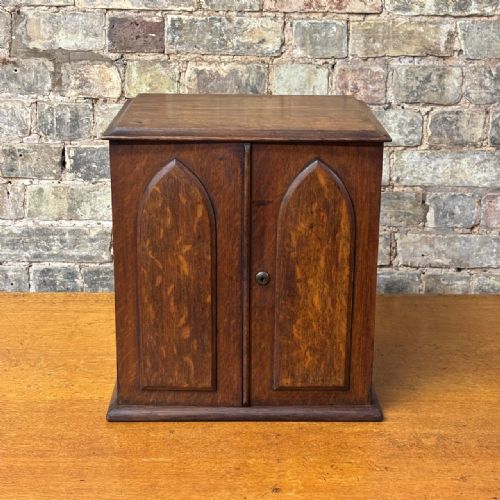
A carved wall cupboard is a timber hanging storage piece that brings texture and practical enclosed space to a room. When you search for a carved wall cupboard, you encounter hanging cabinets, corner cupboards, and wall shelves spanning the seventeenth through to the early twentieth century. The version you meet most often on this page is nineteenth century or Victorian oak, frequently featuring panelled doors and carved details.
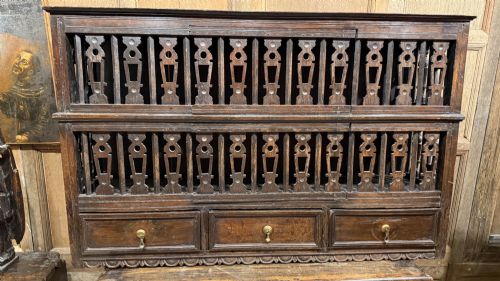
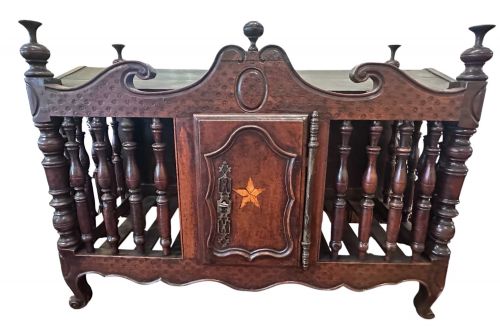
The material vocabulary ranges from standard British hardwoods like oak and walnut through to continental fruitwoods, chestnut, and pine. Styles stretch from Georgian and Victorian revivals to French Provincial, Arts and Crafts, and Gothic Revival forms. Many pieces mount directly to the wall, while others sit in room corners or function as food cupboards and bread cages.
Origins are diverse, taking in English workshops, Welsh country makers, French provincial houses, and Northern European centres. Forms vary from simple single-door lockers to glazed display cabinets and fitted spice drawers. The evidence shows these pieces served for domestic storage, kitchen display, and provision keeping.
How they were made
Construction relies heavily on solid oak, walnut, and pine, shaped with hand tools and assembled with traditional joinery. Carving is executed directly into the timber ground, using chip carving, relief work, and pokerwork to define surface patterns. Hardware commonly includes brass hinges, iron latches, and working locks with matching keys.
French and continental examples utilise regional timbers such as chestnut and fruitwood, sometimes incorporating turned finials and pewter cisterns. Surfaces receive wax, polish, or paint finishes that highlight the grain and tool marks of the maker. Glass panels and mirrored sections appear in later Victorian and Aesthetic Movement display variants.
The listings show carved wall cupboards executed in oak, walnut, pine, mahogany, fruitwood, and chestnut across multiple centuries.
What varies in quality
The standard of a carved wall cupboard depends on the crispness of the timber carving and the integrity of the original construction. Superior pieces display deep, well-defined relief work executed by skilled hands rather than shallow, mechanical stamping. Timber selection matters greatly, with well-figured oak, burr walnut, and rich fruitwood elevating the piece above utility items.
Proportion and architectural balance set the finer examples apart from simple country joinery. Original brass hardware, hinges, and working locks contribute significantly to a piece's integrity. The preservation of surface patination, whether through old wax or original finish, dictates the visual depth of the woodwork.
John Moyr Smith
The Carved Wall Cupboard Glossary
- Panetiere
- A traditional French food cabinet or bread cage designed to store loaves away from rodents. These pieces often feature turned spindles and carved walnut or fruitwood bodies.
- Corner cupboard
- A triangular storage unit built to fit snugly into a room angle. They appear in both hanging and standing formats, often with shaped interior shelves.
- Pokerwork
- A decorative technique where heated metal tools burn designs into wood surfaces. This method finds distinct use in Arts and Crafts wall-mounted pieces.
- Livery cupboard
- An early form of ventilated storage used for provisions and rations. Seventeenth-century examples in oak show traditional framing and pegged joints.
- Lavabo
- A washing fixture comprising a wall-mounted basin and cistern. Eighteenth-century French provincial versions often incorporate carved chestnut woodwork alongside original pewter hardware.
Carved Wall Cupboard: Frequently Asked Questions
Where should I hang a wall cupboard?
These pieces require solid wall fixings to support the weight of timber and stored items. Placing them in kitchens, hallways, or dining rooms keeps them at a practical height for daily use.
Corner versions make effective use of unused angles in smaller rooms. Ensure the wall structure can bear the load before mounting any heavy oak or walnut cabinet.
Are these cupboards original?
The listings include pieces dating from the seventeenth century through to the Edwardian period, complete with period construction methods. Look for hand-cut joints, pegged frames, and period-appropriate hardware that match the stated age.
Some items reflect later revivals such as Chippendale or Gothic styles manufactured during the Victorian era. Examining the timber shrinkage and interior surfaces helps confirm the period of manufacture.
Can I use a corner cupboard for display?
Many corner cupboards feature shaped interior shelves specifically designed for displaying ceramics or glassware. Glazed doors and open wall shelves offer clear visibility for collected items.
Solid-door variants serve better for concealed storage in kitchens or living spaces. Consider whether you prefer enclosed timber panels or glass fronts when selecting a piece.