
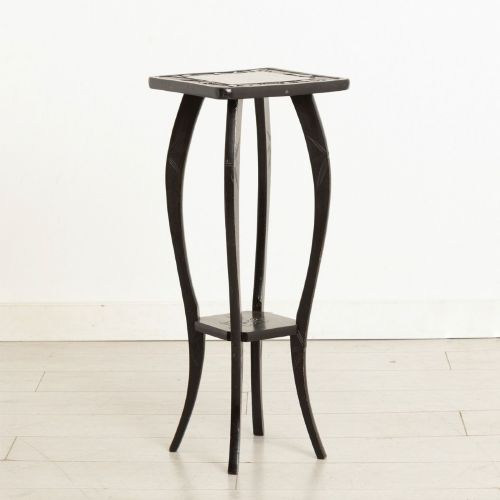
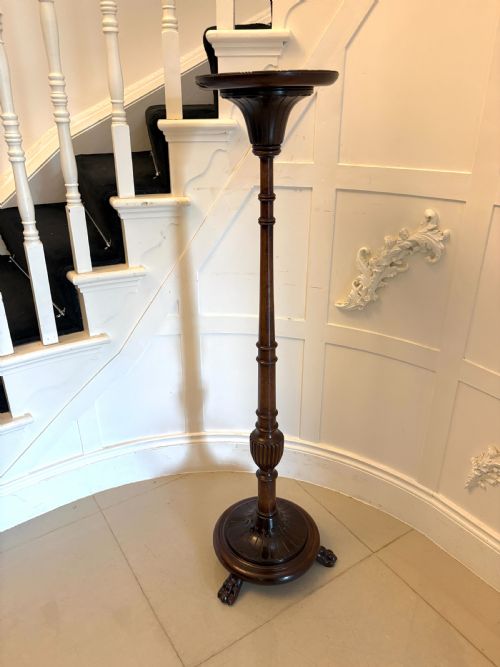
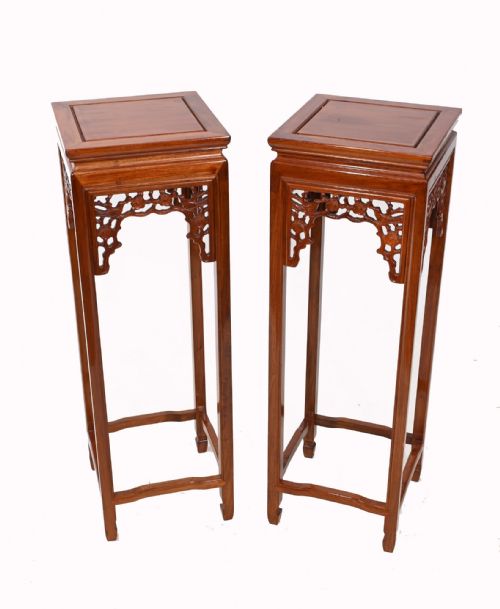
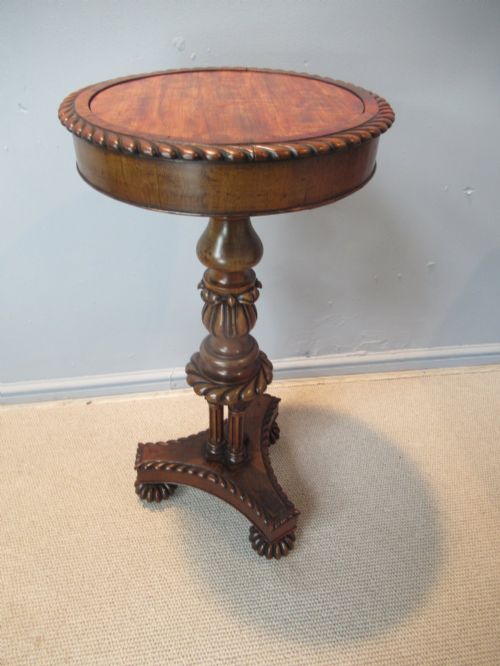
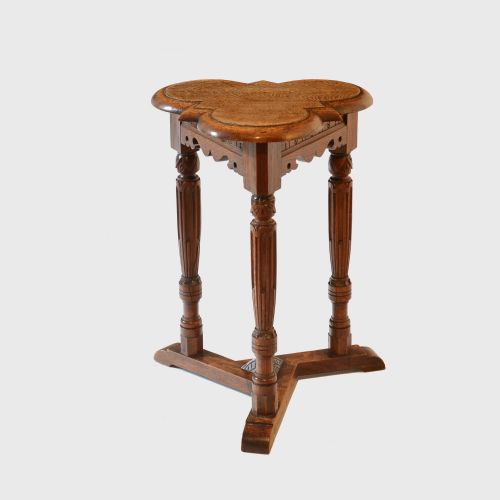
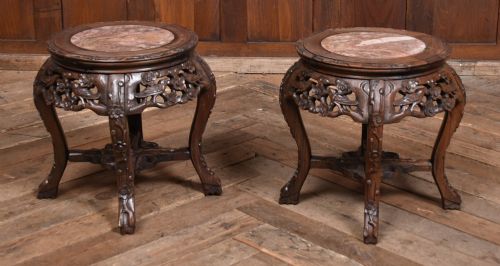
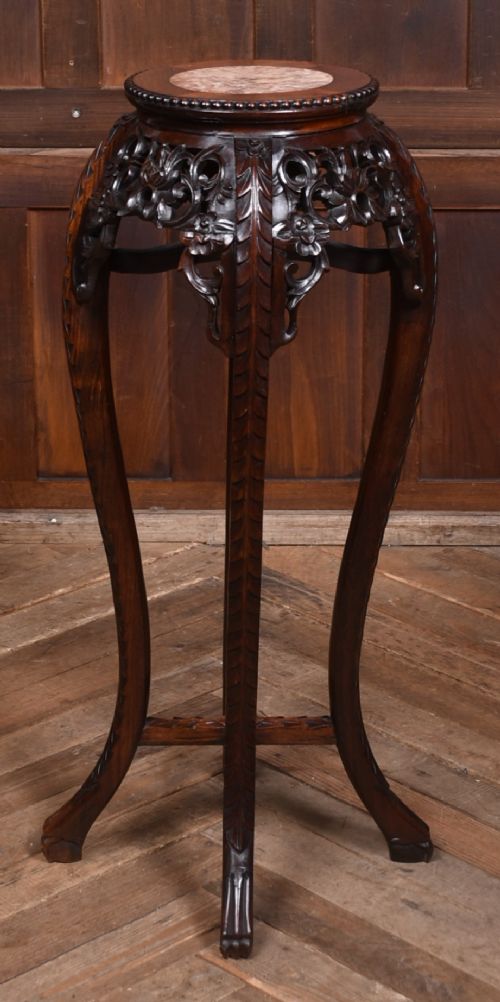

Carved Urn Display Stand
These carved urn display stand examples elevate interior planting and ornament, bringing height and structural interest to rooms through varied timber and stone.
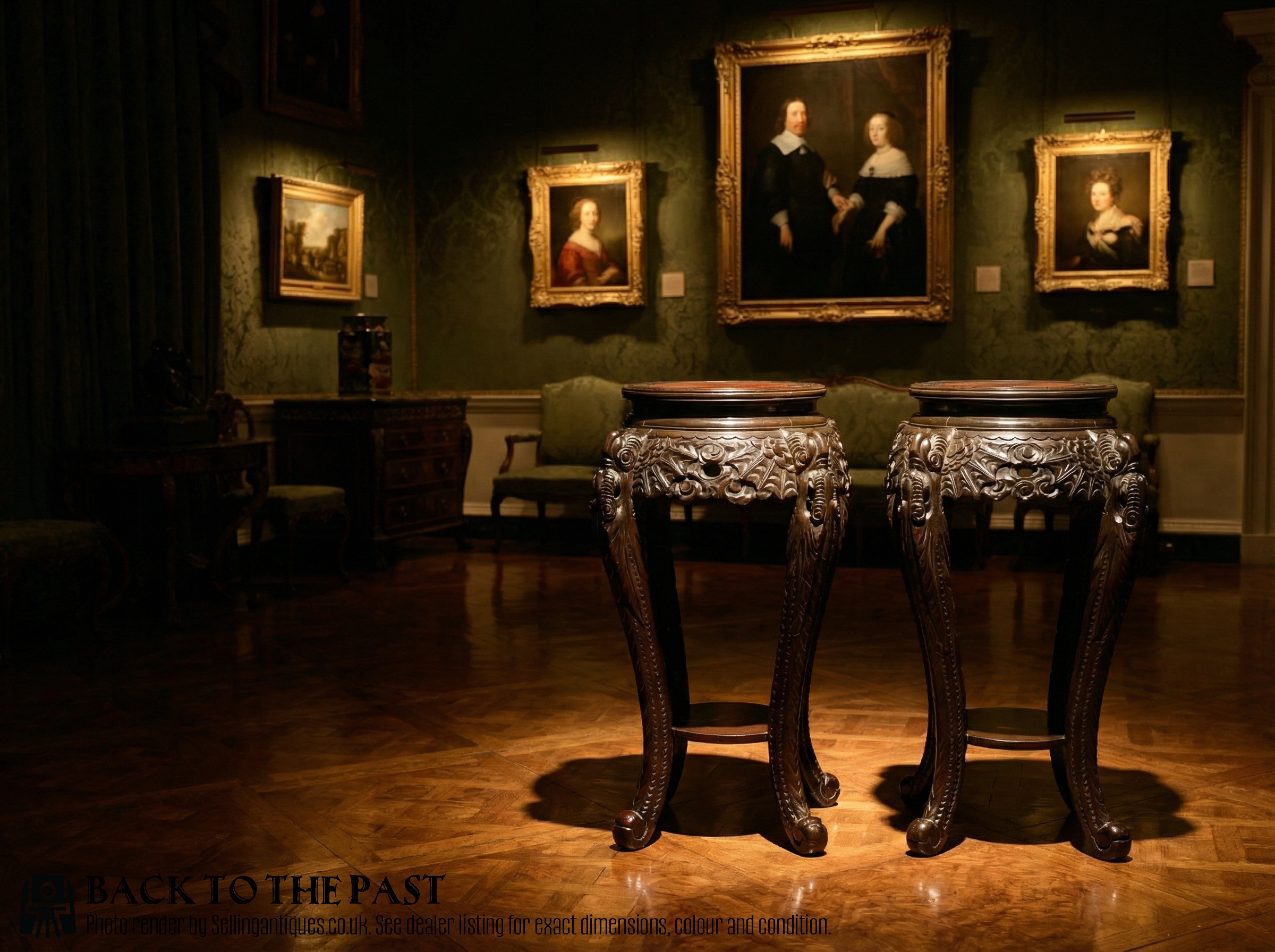
Carved Urn Display Stand
A carved urn display stand serves primarily to elevate decorative vessels, plants, and sculptural items within a room. Buyers searching for a carved urn display stand encounter various forms including plant stands, pedestals, columns, torchueres, and occasional tables designed for display.
The selections span the nineteenth century through the Edwardian era, incorporating Victorian and English country house aesthetics alongside Chinese export and Qing dynasty traditions. Hardwoods, marble, and occasional brass construct these sturdy supports for interior display.
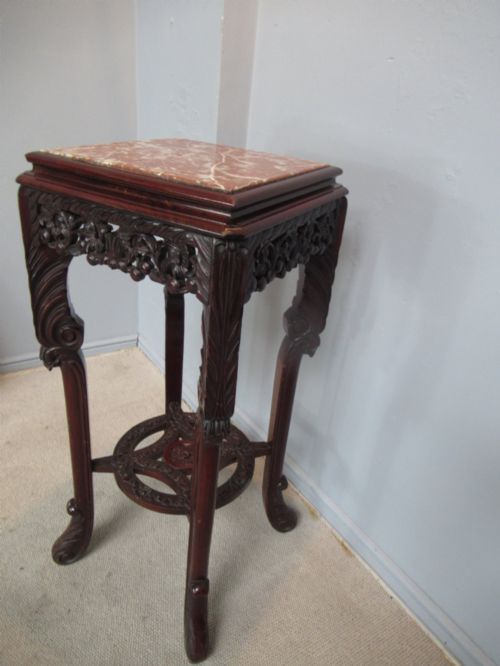
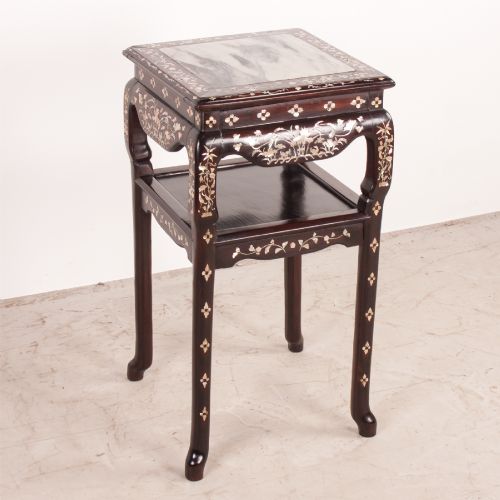
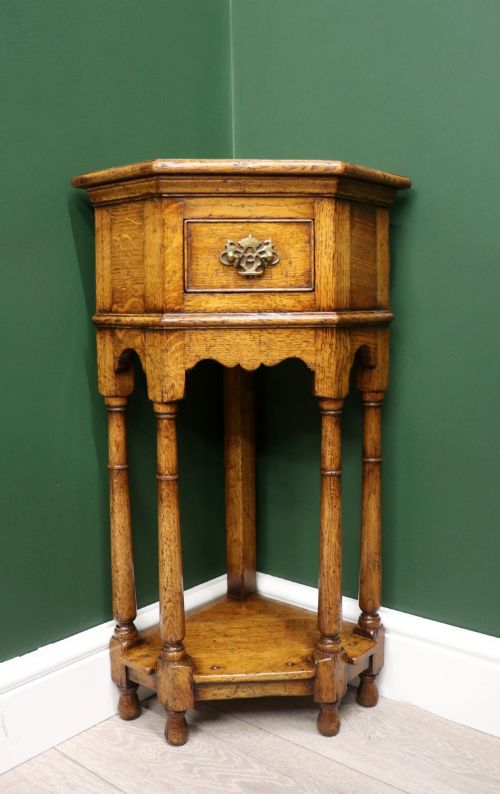
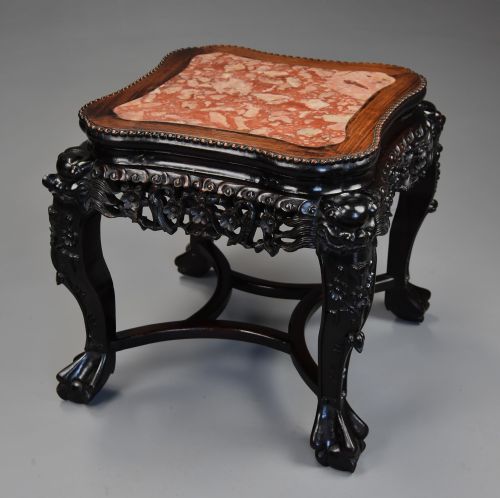
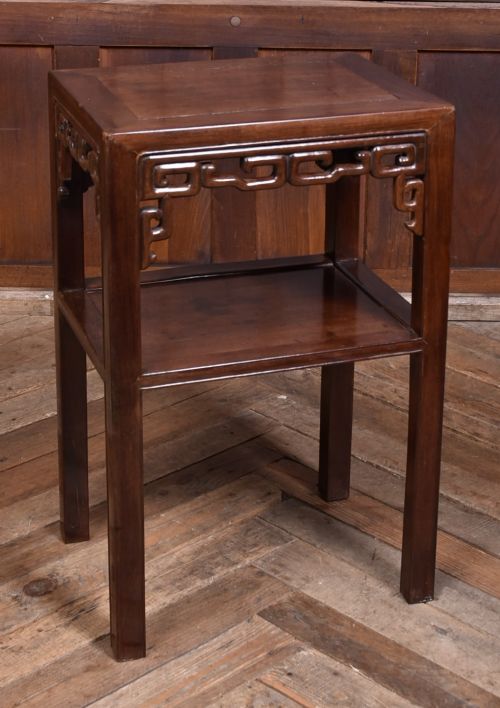
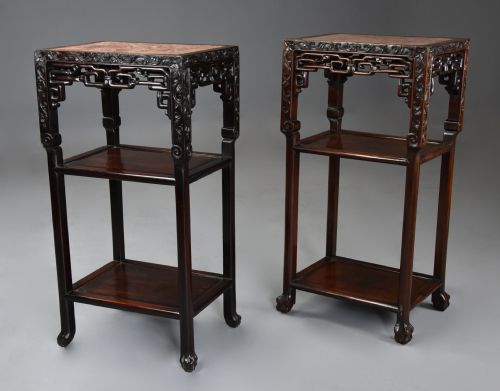
Chinese hardwood pot stands featuring inset marble tops appear frequently alongside mahogany and oak torchueres from British workshops. These pieces function as side tables or plinths, designed to support heavy jardinieres and ornamental vases.
Materials and construction methods
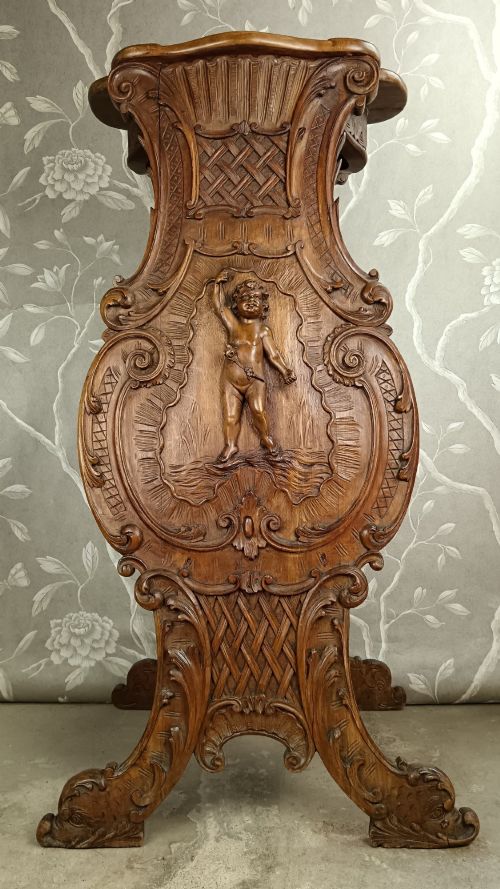
Cabinetmakers utilised dense timbers such as mahogany, rosewood, walnut, padouk, and native oak to construct stable shafts and legs that support heavy top loads. Hardwood components receive intricate hand carving, from barley twist legs to elaborate figural caryatids and floral motifs.
Recorded periods range from the eighteenth century through the Victorian era and Edwardian times.
Determinants of craftsmanship and quality
Quality rests upon the crispness of the hand carving and the selection of timber grain, where deep, sharply defined relief work distinguishes superior pieces. The integration of inset marble tops, ensuring a flush fit within the surrounding wooden frame, marks higher grade manufacturing.
Structural stability dictates the utility of these supports, with well-joined pedestals and heavy hardwood bases preventing wobble when holding weighted jardinieres and bronze urns. Matched pairs and pieces retaining original surface patination command greater distinction among collectors.
Liberty of London·Gillows
The Carved Urn Display Stand Glossary
- Torchere
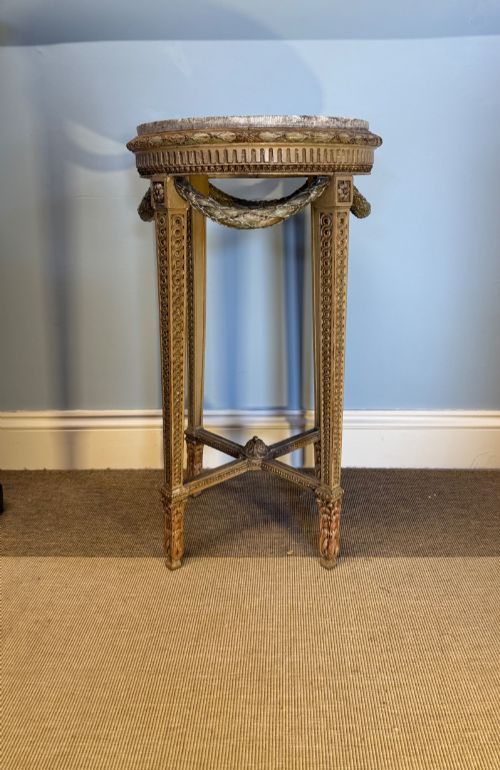
- A tall, slender stand designed to support a light or a decorative urn. Originating in the seventeenth century, these vertical supports often feature carved columns and circular tops.
- Jardiniere stand
- A low or medium table specifically built to hold a plant container or flower pot. These surfaces frequently incorporate waterproof marble or tile insets to manage moisture.
- Caryatid
- A sculpted female figure serving as an architectural support in place of a column or pillar. These carved figures appear on the stems of heavy pedestals.
- Padouk
- A durable tropical hardwood known for its deep reddish hue and dense grain structure. Cabinetmakers utilised this timber for substantial oriental stands.
- Trefoil
- A graphic ornament composed of three overlapping rings or leaf shapes. This Gothic motif appears in the tracery and cutout panels of period tables.
Carved Urn Display Stand: Frequently Asked Questions
What is a carved urn display stand used for?
These elevated supports hold heavy flower pots, decorative urns, and bronze sculptures to improve room layout.
Historically placed in reception rooms and hallways, they bring garden plants and ornaments to eye level.
How do I distinguish Chinese export stands from Victorian pieces?
Chinese export examples utilise dense Asian hardwoods like padouk and rosewood, frequently paired with shaped inset marble tops.
Victorian English pieces typically employ mahogany, walnut, or oak, featuring turned columns, barley twist legs, or Gothic revival details.
Can these stands support heavy marble planters?
The robust hardwood construction and heavy circular bases provide the necessary stability for weighted stone vessels.
Solid timber frames and thick pedestal shafts distribute heavy loads safely without tipping.
Where should I place a torchere in my home?
Tall torchere stands suit empty corners, fireplace flanks, and transitional hallway spaces needing vertical emphasis.
Their slender profile allows them to occupy minimal floor space while displaying lamps or trailing plants.