
Carved Top Table
A carved top table brings texture and architectural detail into a room through carved timber, tilt-top mechanisms, and decorative edges.
Carved Top Table
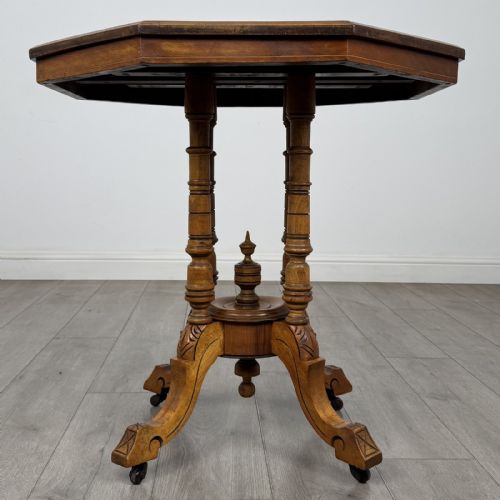
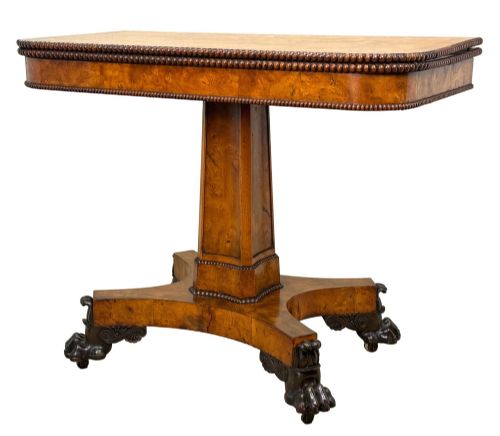
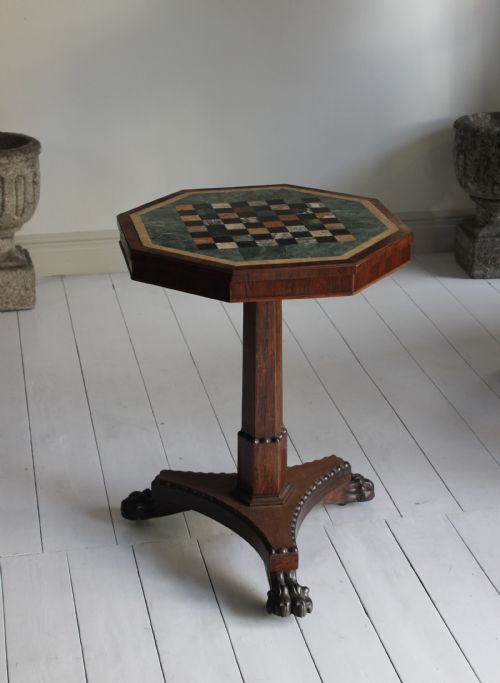
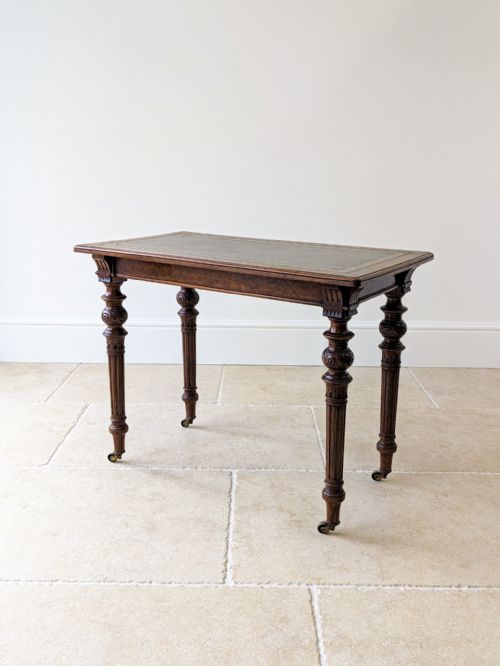
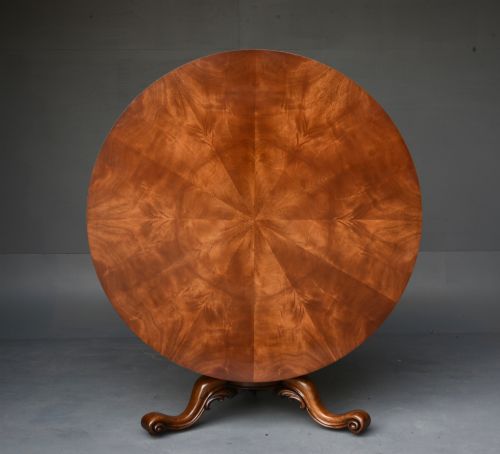
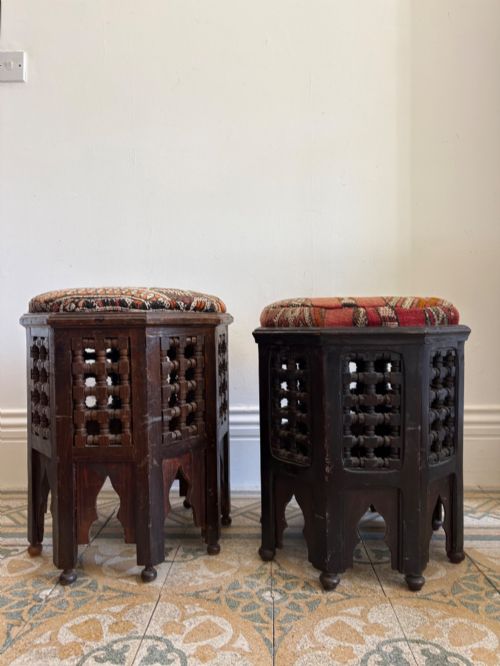
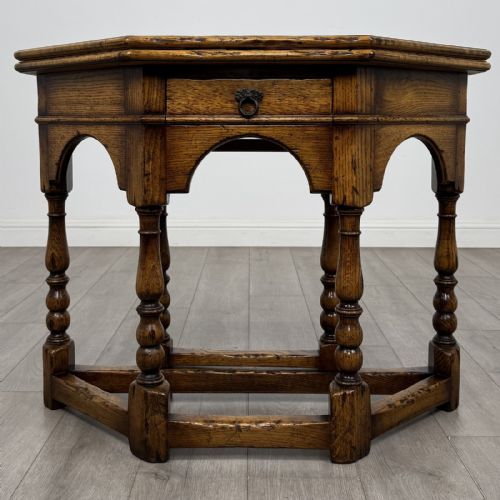
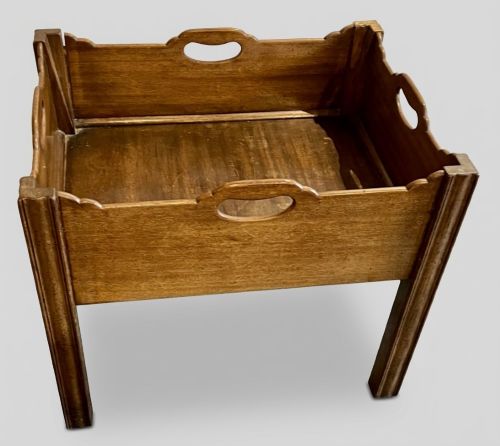
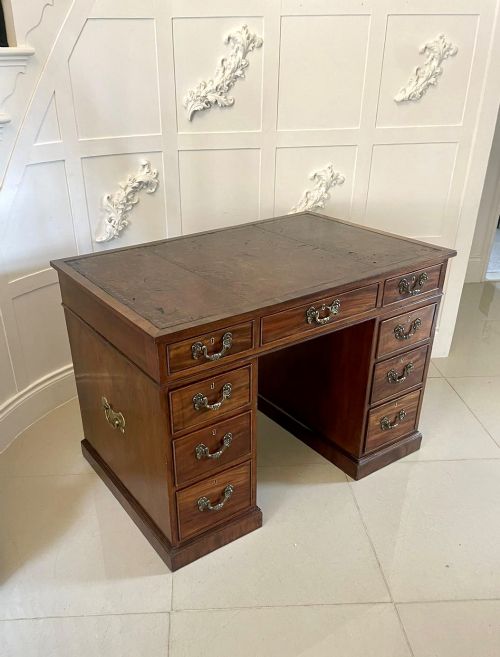
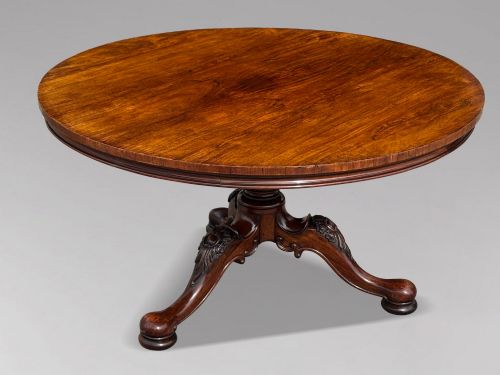
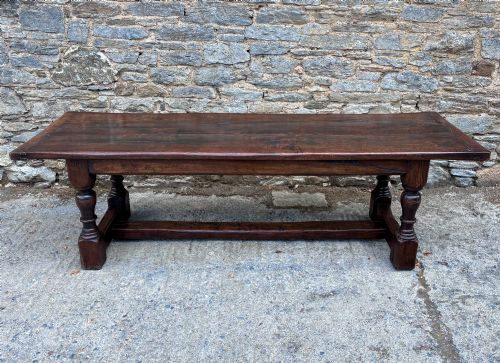
A carved top table spans forms such as occasional tables, centre tables, tripod tables, and tilt-top dining tables originating from the eighteenth, nineteenth, and early twentieth centuries. These pieces incorporate stylistic influences ranging from George III and Chippendale revivals to Victorian, Edwardian, and William IV periods.
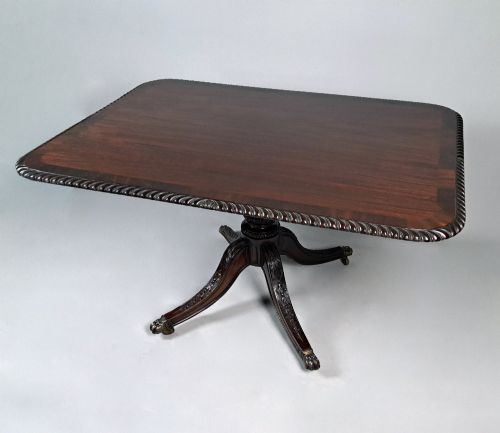
Buyers will encounter folding tea tables, wine tables, and occasional tables featuring shaped, pie crust, or marquetry-inlaid surfaces alongside pedestal and tripod bases. Timber choices in these categories heavily feature mahogany, oak, walnut, and rosewood.
Origin points across the selection stretch from British workshops to French, Italian, Chinese, Burmese, and East European makers, yielding diverse interpretations of carved and shaped table surfaces.
Materials and construction methods
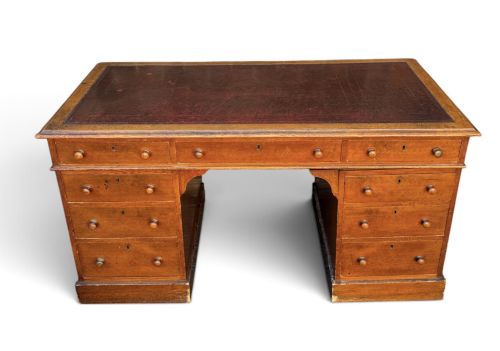
Cabinet makers utilised solid and veneered hardwoods such as mahogany, oak, walnut, burr walnut, and rosewood, often pairing timber frames with inset marble tops, brass mounts, or leather surfaces. Tops were frequently fashioned as tilt-top mechanisms, folding leaves, or dished profiles.
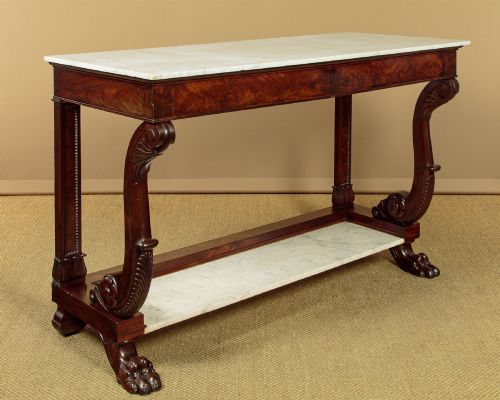
Carving, marquetry inlay, and turning defined the ornamentation, particularly seen in pie crust edges, tripod pedestals, and shaped console supports. Structural joinery relied on traditional framing, dowels, and pivoting brass hinges for folding or tilting mechanisms.
Among the tables, an Arts and Crafts brass top table depicts a peacock.
Distinctions in craftsmanship
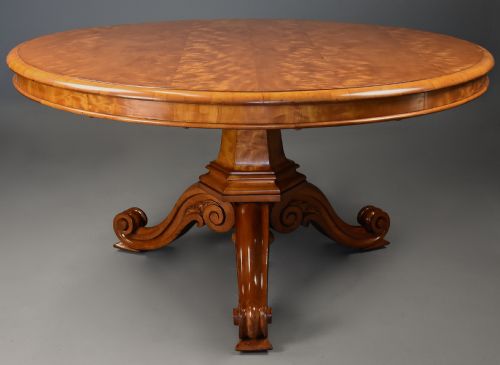
Quality rests in the crispness of the carving, the selection of figured timber veneers such as burr walnut or satin birch, and the structural integrity of tilt-top or folding mechanisms. Superior pieces exhibit precise marquetry inlay, balanced proportions, and substantial weight in materials like marble or solid hardwood.
Lesser examples display mechanical wear, softer carving definition, or mismatched timber grains, whereas high-grade specimens from George III, Regency, and Victorian periods demonstrate refined joinery and well-preserved surface patination.
The Carved Top Table Glossary
- Tilt-top table
- A table with a hinged top that rotates to a vertical position when not in use. This mechanism allowed tables to be stored flat against a wall.
- Pie crust edge
- A raised, carved, and scalloped wooden edge resembling pastry crust. This decorative detail is typically found on eighteenth-century tripod tables.
- Marquetry
- The art of applying decorative pieces of veneer to a structure to form intricate designs. Craftsmen utilised various coloured woods to create pictorial patterns.
- Tripod base
- A support structure resting on three legs radiating from a central pillar. This configuration provides stability on uneven floors.
- Occasional table
- A small, versatile table designed for specific, intermittent uses within a room. These forms include wine tables and low side tables.
- Console table
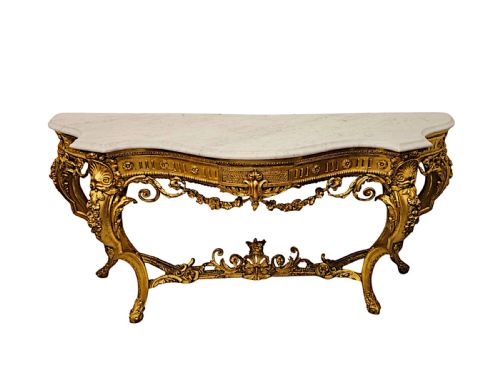
- A table fixed to a wall or supported by front legs, often paired with a mirror. They frequently feature marble tops and giltwood frames.
Carved Top Table: Frequently Asked Questions
How do I use a tilt-top table?
Release the brass catch or tilt mechanism beneath the surface to pivot the tabletop upright for storage or display against a wall.
Lower the top flat when the piece is required for holding items or serving tea.
What is a pie crust edge?
A pie crust edge is a decoratively carved, raised wooden border shaped into small curves around the perimeter of the tabletop.
Cabinet makers carved this profile directly from solid timber blanks on quality occasional and tripod tables.
How do I date a Victorian table?
Examine the timber species, construction joinery, and stylistic revival cues such as Chippendale or Jacobean influences characteristic of the nineteenth century.
Look for evidence of hand-turning on pedestals and traditional finishing methods like shellac polishes.
Where should I place a centre table?
Position a centre table freestanding in the middle of a room to display lamps, specimen marble tops, or decorative objects from all angles.
Ensure adequate clearance around the piece for movement and seating access.