




Carved Timber Vessel
A carved timber vessel is a functional or decorative hollow object shaped from wood, offering texture, history, and sculptural presence.
Carved Timber Vessel
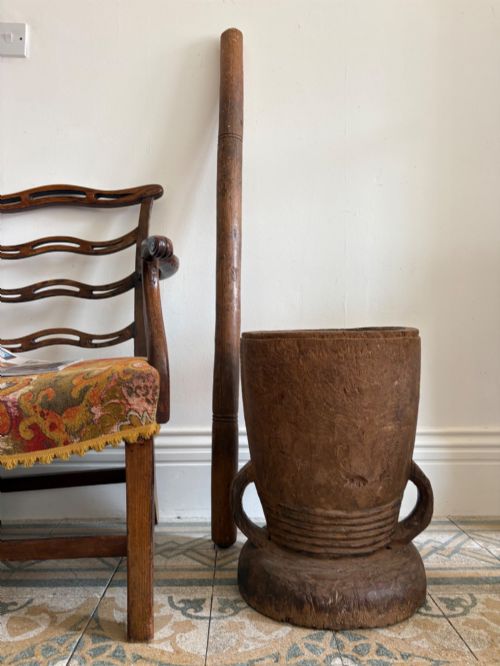
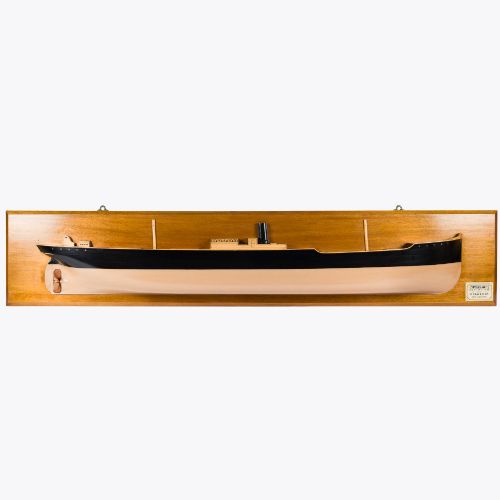
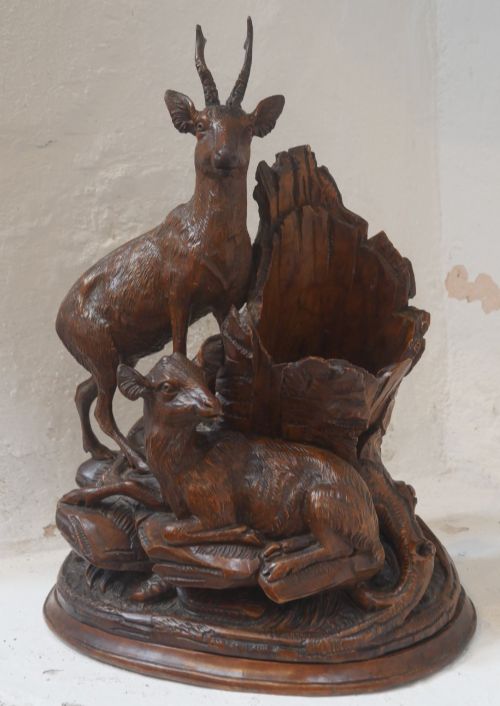
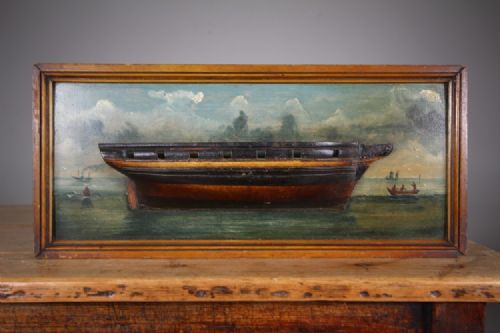
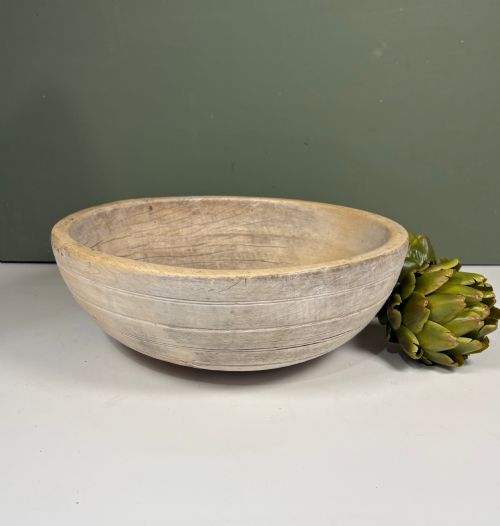
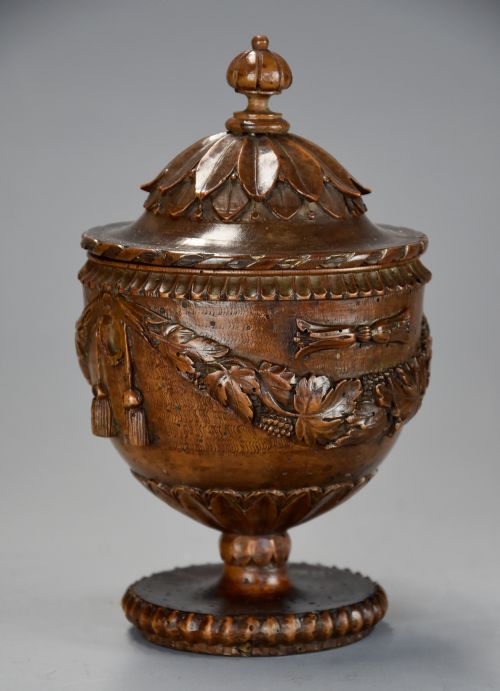
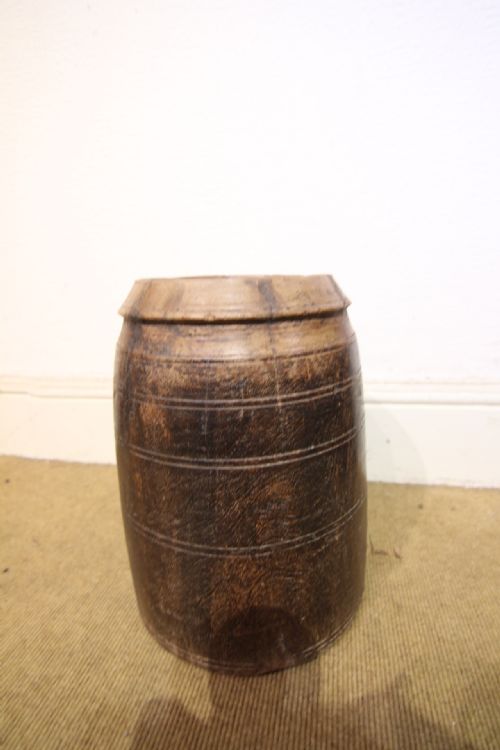
When you search for a carved timber vessel, you encounter a diverse group of objects shaped from wood across various historical periods. These items range from utilitarian dairy bowls and primitive mortars to decorative urns and lidded boxes.
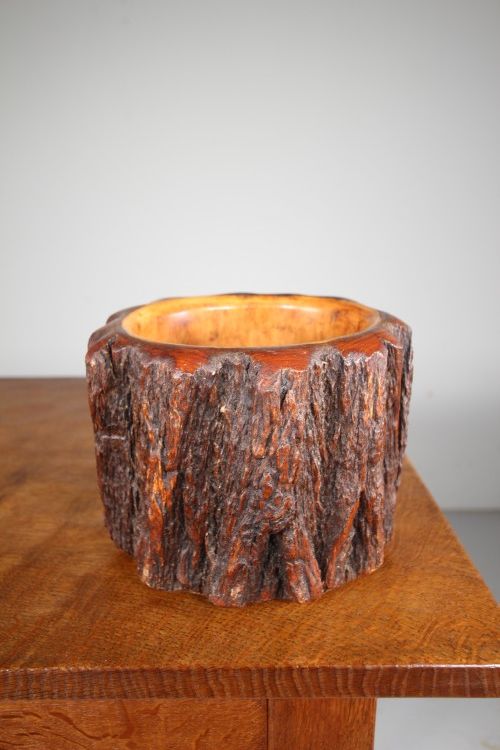
The pieces on this page span the eighteenth, nineteenth, and early twentieth centuries, reflecting both domestic utility and folk art traditions. You will frequently find dug-out tree trunks, sycamore bowls, and turned wooden vessels among the selections.
How they were made
These items rely on traditional woodworking techniques such as turning on a lathe, hand-carving, and hollowing out solid logs to form dug-out vessels. Artisans utilised local hardwoods and softwoods including walnut, sycamore, elm, pine, and general timber.
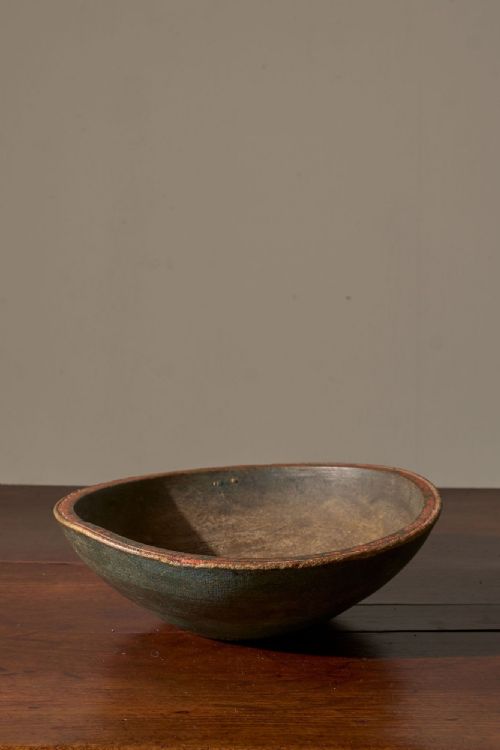
Surface finishes vary from natural exposed wood showing rich grain and deep patina to applied paint, particularly on Scandinavian country pieces. Construction methods often depend on the intended function, whether serving as a dairy bowl, a mortar, or a decorative urn.
What varies in quality
Quality in these objects rests upon the dexterity of the carving, the selection of the timber, and the preservation of the surface texture. Finely carved details on items such as neoclassical lidded urns or bamboo boxes distinguish higher tiers of craftsmanship from simpler utilitarian items.
The depth of the patina and the integrity of the original material significantly influence the character of each piece. Objects retaining their early painted surfaces or showing deliberate, skilled hand-tooling demonstrate superior workshop origin.
W Grey And Co
The Carved Timber Vessel Glossary
- Treen
- Small, functional wooden household objects made by turning or carving. This term encompasses items such as nutmeg graters, goblets, and small bowls.
- Dug out
- A method of hollowing a solid section of a tree trunk to form a vessel or container. These pieces display direct working of the raw timber.
- Patina
- The surface sheen and colour developed through handling, age, and exposure to light over decades or centuries. A rich patina indicates long usage.
- Dairy bowl
- A broad, shallow wooden basin utilised in traditional dairying for setting milk and skimming cream. Sycamore was frequently chosen for this purpose due to its clean grain.
- Mortar
- A heavy vessel used in conjunction with a pestle for grinding materials. Examples are fashioned from robust hardwoods like Chinese elm or tropical timbers.
Carved Timber Vessel: Frequently Asked Questions
What is a carved timber vessel used for?
Historically, many of these hollow wooden objects served practical domestic functions such as preparing food, grinding ingredients, or processing dairy products.
Today, collectors utilise them as decorative sculptural objects or centerpieces to introduce natural texture and historical depth into modern interiors.
How do I know the age of a wooden vessel?
Dating relies on observing tool marks, timber species, surface wear, and stylistic indicators associated with periods like the eighteenth or nineteenth century.
Examining the depth of the patina and the method of construction helps place the object within a specific era.
Are these vessels made from solid wood?
Many examples are formed from a single piece of timber, particularly dug-out tree trunks and turned bowls shaped directly from the log.
Others incorporate hand-carving or turned components, utilising hardwoods and softwoods selected by the maker for durability and appearance.
How should I care for an antique wooden vessel?
Protect antique timber from direct sunlight and rapid humidity fluctuations to prevent the wood from drying out or splitting.
Maintain the surface by dusting gently with a dry cloth and avoiding harsh chemical cleaners or excessive moisture.