



Carved Timber Cane
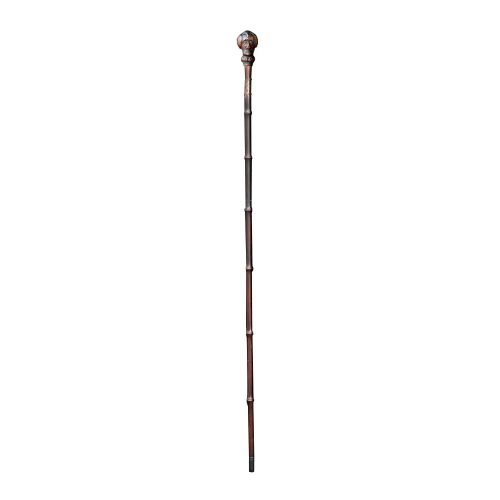
A carved timber cane is a walking aid and functional accessory fashioned from wood, offering both reliable support and intricate sculptural detail.
Carved Timber Cane
A carved timber cane is a functional walking aid distinguished by hand-carved wooden shafts and handles. Pieces matching this search phrase date predominantly from the nineteenth century.
The selections encountered here range from Black Forest animal carvings to utilitarian gentleman's sticks and novelty designs featuring mechanical elements. Each item combines practical support with decorative woodworking traditions from various European and global workshops.
How they were made
Maker's workshops utilised seasoned hardwoods and native timbers, shaping the shafts through steam bending and hand carving. Detail work was executed with chisels and gouges to produce animal forms and geometric patterns.
Finishing techniques involved polishing, painting, and sometimes bleaching the timber to highlight the grain and decorative relief. Metal collars and ferrules were frequently added to protect the base of the cane during daily use.
Some nineteenth-century gentlemen walked the streets with German Shepherd dogs gripped firmly in their hands, carved entirely out of wood.
What varies in quality
The integrity of the timber and the balance of the shaft influence the overall standard of a piece. Well-seasoned hardwoods maintain their straightness and resist warping better than softer or poorly cured woods.
The Carved Timber Cane Glossary
- Ferrule
- The metal cap fitted to the bottom of a walking stick to prevent wear on the wood. It provides traction and protects the base during outdoor use.
- Black Forest
- A regional style of wood carving originating from Germany and Switzerland, characterised by realistic animal and foliage motifs. Canes from this tradition often feature carved dogs or bears.
- Novelty cane
- A walking stick incorporating a hidden function or mechanism, such as a gadget or tool. These pieces combine traditional woodwork with functional mechanical engineering.
- Hardwood
- Dense timber derived from broad-leaved trees, utilised for durability and fine carving. Mahogany and padouk are common examples found in nineteenth-century pieces.
Carved Timber Cane: Frequently Asked Questions
How do I date an antique cane?
Dating relies on examining the timber species, carving style, and any metal components such as collars or ferrules. Nineteenth-century pieces often reflect specific regional motifs like Black Forest animal carvings.
Wear patterns and the finish of the wood also offer clues to the period of manufacture. Comparing the construction methods with documented pieces helps establish an approximate timeline.
Were these canes used daily?
Most carved timber canes were intended for regular use as walking supports by gentlemen and travellers. The inclusion of metal ferrules protected the wooden base from rough outdoor surfaces.
Some specialised examples, such as novelty or gadget sticks, served more as conversation pieces or functional tools. Their daily employment often resulted in natural patination of the wood.
How should I display a cane?
Canes are typically displayed upright in dedicated stick stands or wall-mounted racks to showcase their carved handles. Keeping them away from direct sunlight and extreme humidity protects the timber and finish.
Proper placement ensures the shafts remain straight and the detailed carvings stay visible. Grouping pieces by period or carving style creates an engaging display.