

Carved Style Brackets
Carved style brackets are architectural shelf supports and wall ornaments that display sculptural detail, bringing historical depth and focal prominence to interior spaces.
Carved Style Brackets
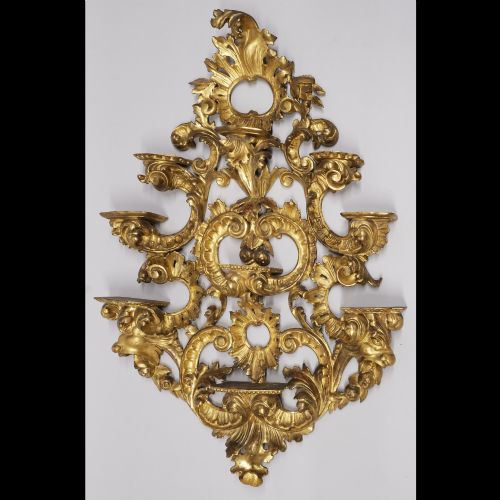
When hunting for carved style brackets, buyers encounter architectural elements, wall lights, and small display ledges rooted in nineteenth century production alongside revival designs. These pieces often function as decorative supports for console tables, mantel clocks, and wall mirrors, projecting sculptural forms into the room.
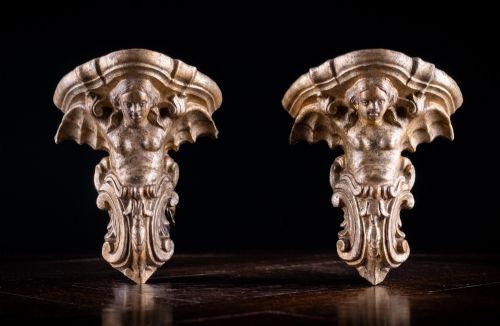
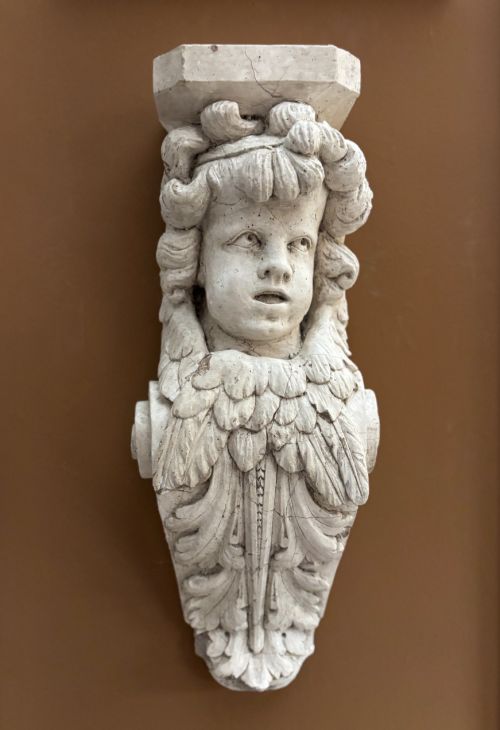
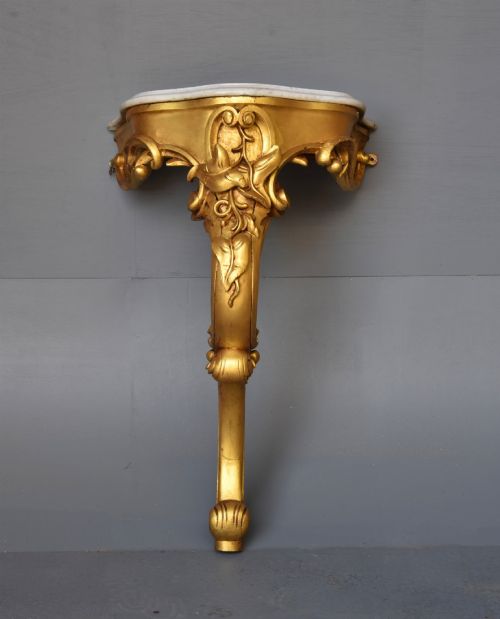
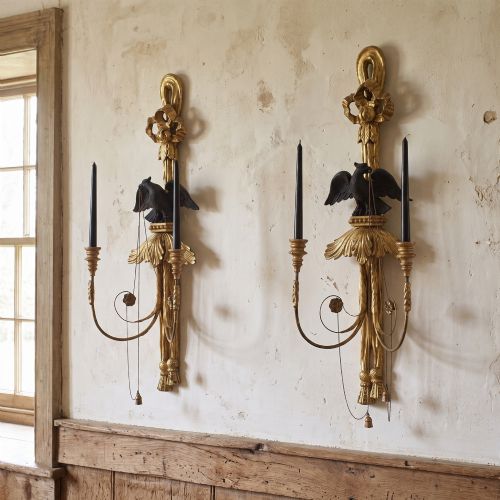
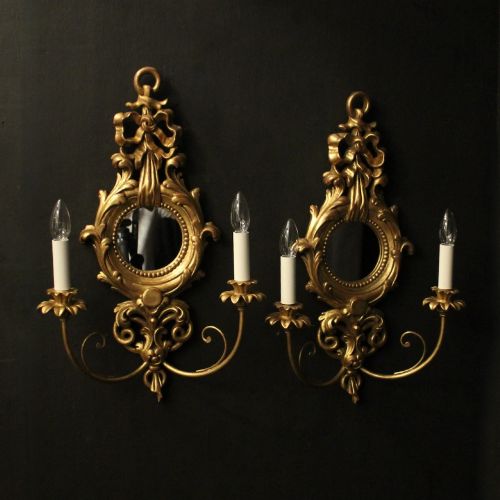
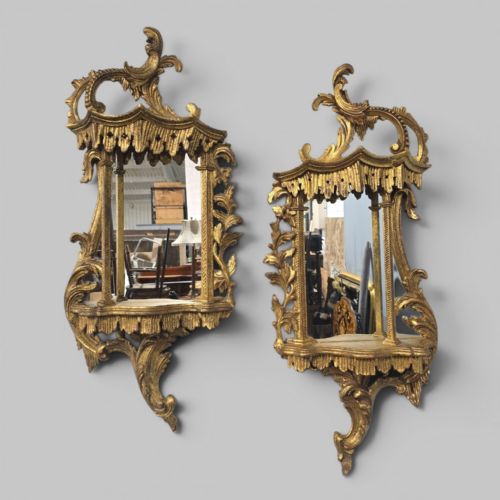
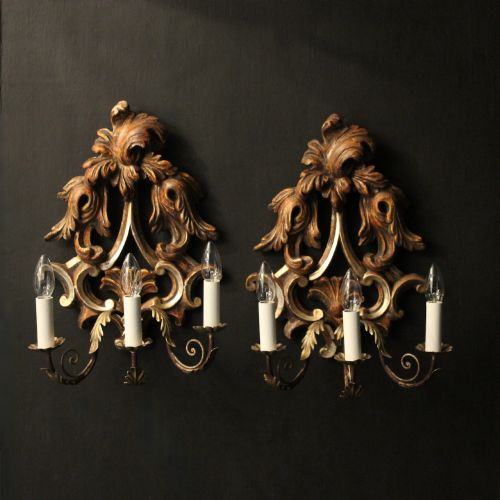
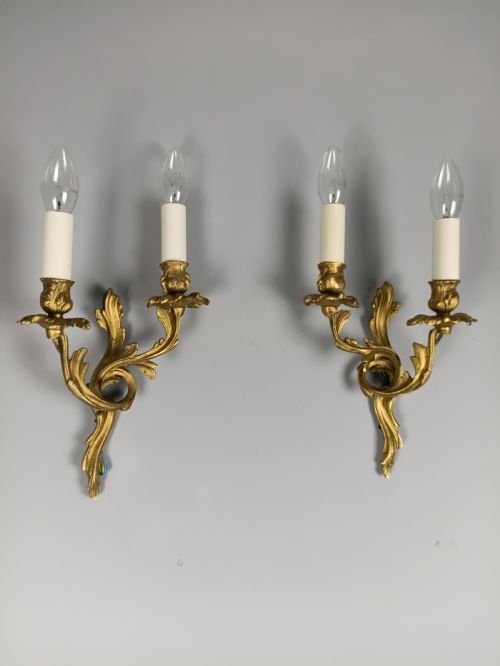
The inventory leans heavily towards nineteenth century examples, incorporating Victorian pieces alongside Italian and French iterations. Forms range from standalone wooden corbels and giltwood wall brackets to twin arm sconces and winged siren figures.
Makers and artisans of these periods drew heavily on historical idioms, producing items that reflect Rococo, Neoclassical, and George III aesthetics. The resulting objects bridge the gap between structural support and ornamental wall art.
Materials and Techniques
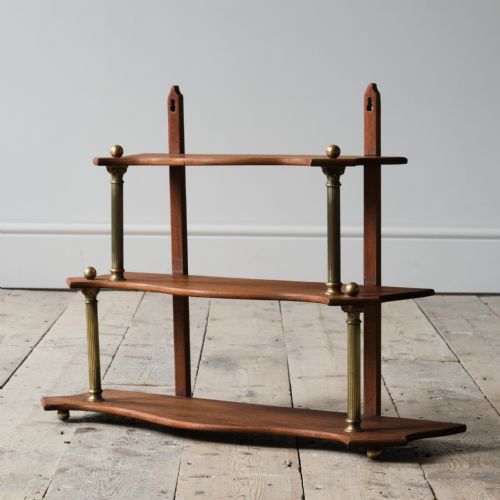
Makers utilised timber as the primary substrate, selecting carved wood, walnut, mahogany, and oak for structural integrity and responsiveness to chisel work. These wooden forms frequently received surface treatments including gesso, gold leaf, and silver gilt to create rich metallic finishes.
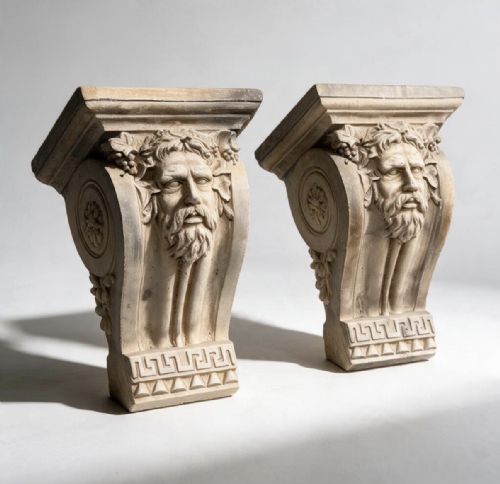
Alternative compositions involve gilt terracotta and decorative plaster corbels, expanding the sculptural vocabulary beyond timber. Gilding techniques applied over gesso create the reflective, luminous surfaces characteristic of Florentine and French rococo wall lights.
Carved Style Brackets Retail Price Guide 2026
Typical asking prices for carved style brackets among the pieces listed under this phrase on Sellingantiques today, from the lower quarter to the upper quarter. They describe what is for sale here now, not the wider market.
Materials documented across the inventory include giltwood, gesso, burr walnut, brass, glass, and terracotta.
Assessing Quality and Execution
The integrity of the surface finish dictates visual success, separating pieces with original, patinated gold leaf or authentic gilding from heavy modern overpainting. Weight, timber selection, and structural joinery at the wall junction further separate robust architectural salvage from decorative lightweight items.
The Carved Style Brackets Glossary
- Corbel
- A structural piece of stone, wood, or plaster projecting from a wall to carry a weight. In decorative contexts, it often functions purely as an ornamental bracket.
- Giltwood
- Wood that has been treated with gesso and covered in thin sheets of gold leaf. This technique creates a durable, luminous metallic surface popular in eighteenth and nineteenth century interior decoration.
- Gesso
- A plaster mix used as a base coat on wood before applying gilding or paint. It provides a smooth, absorbent surface that can be delicately carved or moulded.
- Sconce
- A wall-mounted light fixture holding candles or electric bulbs. Many period examples integrate carved brackets or wooden figures to support the branching arms.
- Rococo Revival
- A nineteenth century design movement reviving the ornate, asymmetrical scrolling forms of the mid eighteenth century. It employs naturalistic motifs like shells, C-scrolls, and floral garlands.
Carved Style Brackets: Frequently Asked Questions
What were carved style brackets used for?
These pieces primarily served as structural supports for heavy items such as mantel clocks, marble tops, and small display shelves. Over time, many evolved into purely decorative wall ornaments or incorporated sconce arms for lighting.
In period interiors, they functioned as architectural punctuation, breaking up flat wall expanses and highlighting specific decorative focal points within a room.
How do I hang a heavy wooden bracket safely?
Mounting requires locating solid wall studs or utilising heavy duty wall anchors appropriate for plaster or brick. The weight of the timber and any displayed object must be distributed securely through the back plate.
Professional installation is recommended for larger giltwood or stone pieces to ensure the fixing points bear the vertical and outward load safely.
How can I tell the difference between periods?
Stylistic clues provide the clearest timeline, with Rococo Revival pieces showing asymmetrical C-scrolls and Neoclassical examples displaying strict symmetry and classical motifs. Material analysis also helps, as nineteenth century pieces often combine machine-milled timber cores with hand-finished gesso and gilding.
Examining the tool marks on the reverse and the ageing of the underlying wood reveals whether a piece originates from the nineteenth century or a later revival.
How do I clean antique giltwood surfaces?
Giltwood requires delicate maintenance using a dry, soft feather duster or a very gentle makeup brush to remove surface dust. Moisture must be avoided entirely, as water causes the underlying gesso and gold leaf to lift and flake off the wood.
Professional restoration is necessary if the surface shows active flaking or structural instability.