




Carved Stone Pedestal Column
These carved stone pedestal column examples bring classical presence to a room, offering a sturdy stage for busts, lamps, and plants.
Carved Stone Pedestal Column
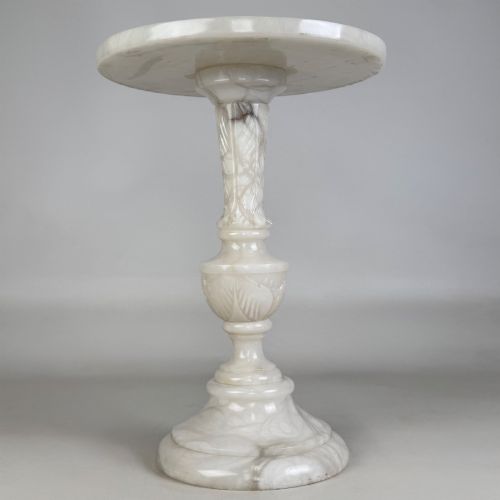
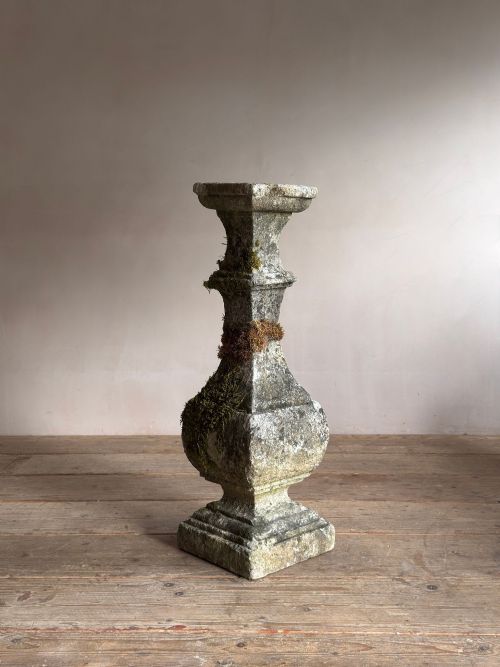
A carved stone pedestal column serves primarily to elevate sculpture, lamps, and botanical displays within a room. When exploring a carved stone pedestal column on this page, buyers encounter forms ranging from architectural salvage and garden plinths to compact side tables.
The selection spans numerous periods, drawing heavily on Victorian, Edwardian, and earlier Georgian influences. Pieces frequently emerge from Italian workshops and British houses, displaying distinct regional tastes in classical revivalism.
Materials and construction methods
Stonemasons utilised a variety of dense materials, notably marble, alabaster, limestone, and serpentine, alongside scagliola and plaster. These materials demanded careful hand-carving and turning on large lathes to achieve smooth shafts and intricate capitals.
Components were frequently assembled in sections, joining heavy bases, fluted columns, and capitals to support significant weight. Metal pins and mortar secured these heavy elements, ensuring stability for statues and heavy urns.
Listed objects include torchere stands, sundial plinths, table lamps, and architectural capitals.
Distinctions in quality and execution
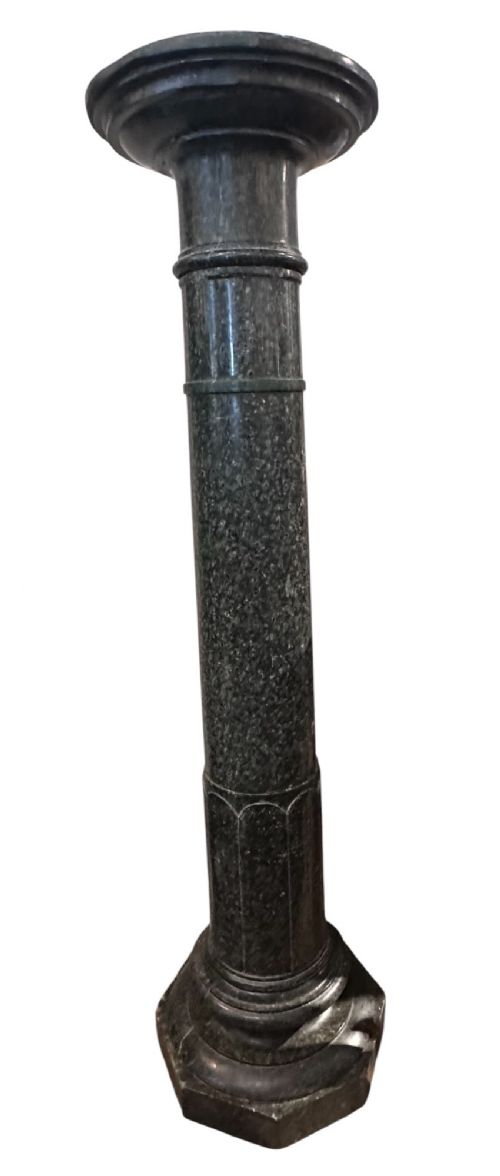
Quality rests in the crispness of the carving, particularly across acanthus leaves on capitals and the precise fluting of shafts. Master carvers achieved deep undercut details and balanced proportions, whereas lesser examples display softer, flatter ornamentation.
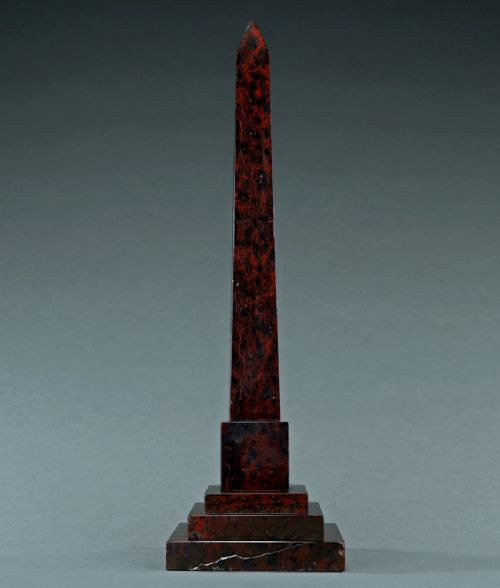
The choice and figuring of the stone dictate visual impact, with select variegated green marbles, rich red serpentines, and translucent alabasters commanding attention. Homogeneous materials lack the dynamic movement found in superior geological specimens.
The Carved Stone Pedestal Column Glossary
- Capital
- The uppermost member of a column, typically decorated with carved foliage or scrolls. It sits directly beneath the load-bearing surface.
- Plinth
- The heavy square block at the base of a column or pedestal. This provides a stable foundation on the floor.
- Serpentine
- A compact rock composed of serpentine minerals, valued for its mottled green colour and polish. It is frequently utilised in decorative architectural elements.
- Scagliola
- A composite material made from selenite, glue, and pigments, mimicking true marble. Artisans applied and polished this paste to resemble complex stone inlay.
- Torchere
- A tall stand designed to support a light fixture or candle. In stone, these take the form of slender decorative columns.
Carved Stone Pedestal Column: Frequently Asked Questions
What holds up a heavy marble column?
These columns rely on dense mass and internal pinning to remain stable. Their substantial weight keeps them firmly planted on level flooring.
Additional metal dowels often connect the base, shaft, and capital internally. This concealed support prevents shifting when displaying heavy busts or large plants.
How do I clean alabaster columns?
Alabaster requires gentle maintenance because the stone is relatively soft and water-soluble. Dusting with a dry, soft cloth prevents the accumulation of grime.
Avoid liquid cleaners and excessive moisture entirely, as water causes pitting and dissolves the polished surface. Professional conservation is advised for heavily soiled pieces.
Can these columns support heavy sculptures?
Most solid stone and marble examples possess immense load-bearing capacity. They were originally engineered to carry bronze statues, heavy marble busts, and large urns.
Alabaster and plaster versions, however, demand more caution regarding weight distribution. Buyers should verify the material strength before placing exceptionally heavy bronze or stone art upon them.
Are these columns suitable for gardens?
Limestone and sandstone items withstand outdoor conditions effectively when placed on well-drained ground. Porous stones absorb moisture, which can lead to freeze-thaw cracking in colder months.
Alabaster, scagliola, and finished indoor marbles belong strictly inside. Exposure to rain and frost ruins their polished surfaces and degrades the bonding materials.