




Classical Alabaster Table
A classical alabaster table and its closely related lighting bring carved translucent stone into a room through Victorian and Edwardian craftsmanship.
Classical Alabaster Table
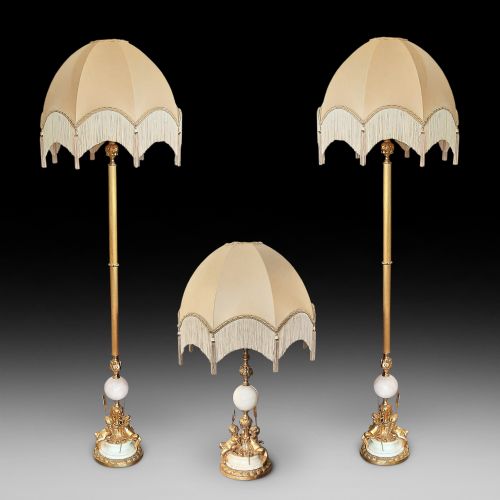
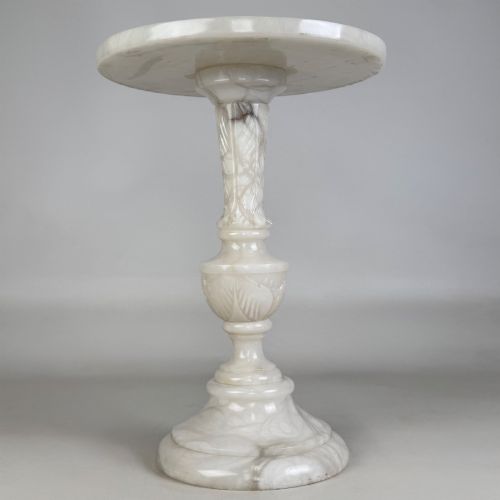
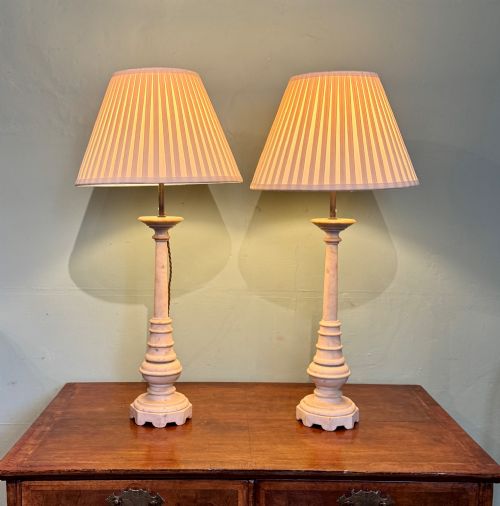
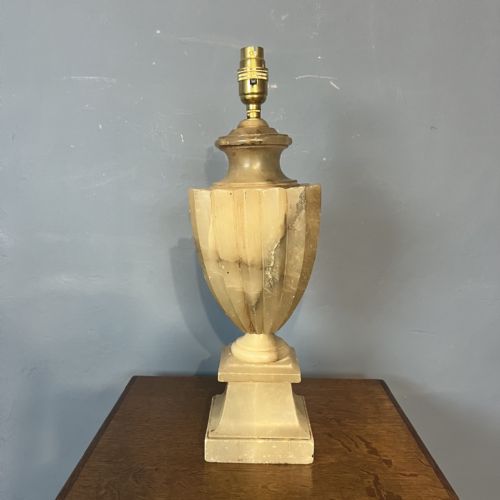
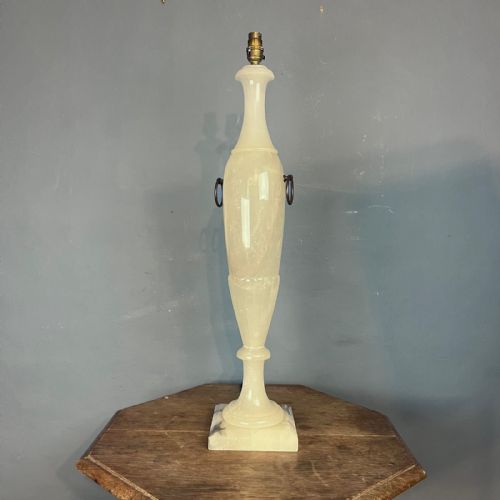
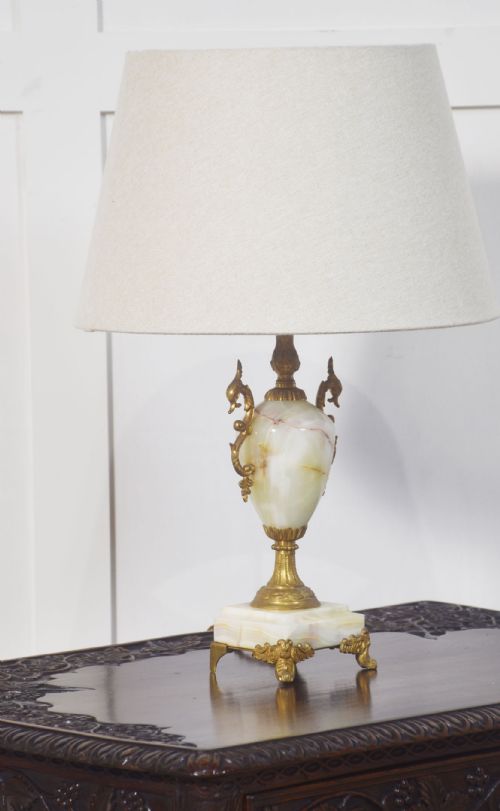
When you search for a classical alabaster table, you encounter a selection of side tables, table lamps, and mantel clocks shaped from translucent stone and marble. The pieces span the Victorian, Edwardian, and Art Deco periods, drawing heavily on Neoclassical and Classical Revival design.
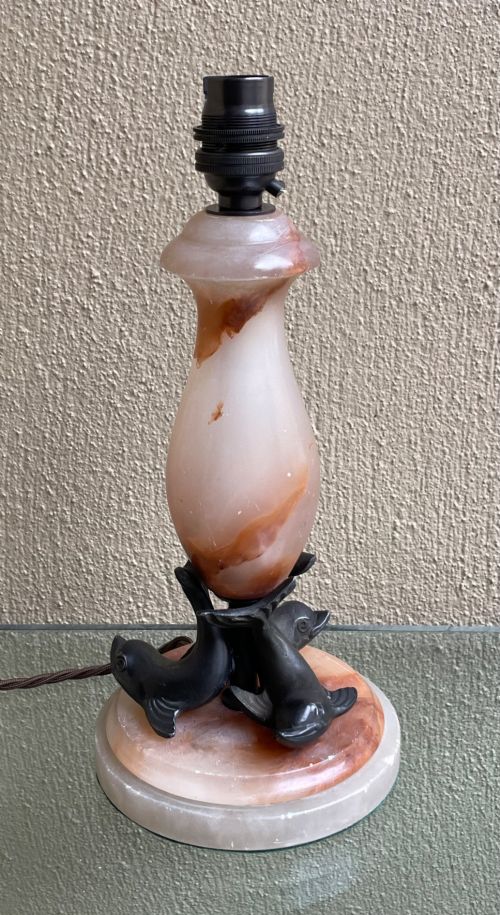
Lighting forms a substantial part of these listings, featuring alabaster and onyx table lamps alongside sculptural bases and figural groups. Side tables appear alongside these illuminated pieces, anchored by engraved pillars and stone surfaces.
Materials and construction
Craftsmen shaped these items from natural alabaster, white onyx, and marble, frequently mounting the stone with brass, gilt metal, and bronze fittings. Movement components within the clocks and electrical hardware in the lamps integrate directly into the carved mineral bodies.
Italian workshops produced many of the carved alabaster sculptures and architectural clock cases, employing skilled hand-carving techniques to achieve smooth finishes and detailed figural groups.
Children pushing a cart carved entirely from Italian alabaster.
Judging quality in stone and metal
Quality rests upon the purity and depth of the carved stone, alongside the crispness of detail in figural groups and engraved pillars. Finer examples display meticulous hand-carving by named sculptors rather than standard factory turning.
The integration of metal mounts, such as gilt bronze or brass bezels, distinguishes superior clock cases and lamp bases from simpler utilitarian items. The weight and translucency of the alabaster itself dictate the visual impact of the piece.
Gugielmo Pugi·James Ritchie and Son
The Classical Alabaster Table Glossary
- Alabaster
- A soft, fine-grained stone prized for its translucency and smooth texture when polished. It is frequently carved into lamp bases, vases, and classical clock cases.
- Neoclassical
- A style originating in architecture and the decorative arts that draws upon classical antiquity and ancient Greek and Roman forms. This aesthetic influences the pillars and sculptural motifs found on these items.
- Portico clock
- A architectural clock design featuring columns or pillars supporting an upper entablature that houses the dial and movement. Examples often combine alabaster columns with gilt bronze mounts.
- Onyx
- A banded variety of chalcedony quartz that shares visual similarities with alabaster and marble. It appears frequently in early twentieth-century table lamps and decorative objects.
- Fusee movement
- A clock mechanism utilising a conical pulley and chain to equalise the force of the mainspring as it unwinds. This mechanical system ensures more accurate timekeeping across the duration of the wind.
Classical Alabaster Table: Frequently Asked Questions
How do I care for antique alabaster?
Dust the stone gently with a dry microfibre cloth to prevent scratching the soft surface. Avoid using water, chemical cleaners, or acidic liquids, as alabaster is porous and dissolves easily in moisture.
Keep the items away from direct sunlight and damp environments to preserve the polished finish and prevent discolouration of the natural material.
Are antique alabaster lamps wired for modern use?
Many surviving lamps retain older wiring or have been updated at various points in their history. Have a qualified electrician inspect any vintage lighting before connecting it to a mains supply.
Rewiring allows you to safely enjoy these stone bases while protecting the original metal mounts and delicate alabaster fittings from electrical faults.
How can I date an alabaster clock?
Examine the movement style, dial construction, and decorative mounts to establish an approximate period. Victorian and Edwardian examples often feature visible maker signatures, engraved pillars, or French movements housed beneath glass domes.
Stylistic cues such as Neoclassical revival motifs or Art Deco geometric lines help narrow the manufacturing decade alongside the specific type of marble or onyx used.
Where were these Italian alabaster items made?
Many carved sculptures, lamps, and clock cases originated in Italian workshops during the nineteenth and early twentieth centuries. Artisans in regions known for stone masonry turned and sculpted the raw alabaster into decorative household objects.
These imported works were frequently retailed through British country houses and high-end department stores during the Victorian and Edwardian eras.