


Carved Stone Side Table
A carved stone side table brings quiet weight and cold, polished geological surface into a room, offering a firm perch for a lamp or a glass.
Carved Stone Side Table
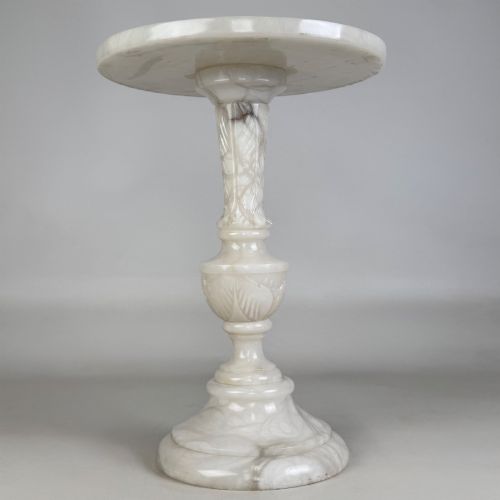
When searching for a carved stone side table, you encounter pieces resting on substantial tops of marble, alabaster, onyx, and fossil limestone. These surfaces sit upon frames of hardwood, rootwood, or engraved pillars, originating from periods spanning the Victorian era through the 1930s.
The versions most common on this page pair heavy stone slabs with classical supports or low occasional table frames. Alongside standard side tables, the listings include console tables, centre tables, and occasional stands fitted with stone inserts.
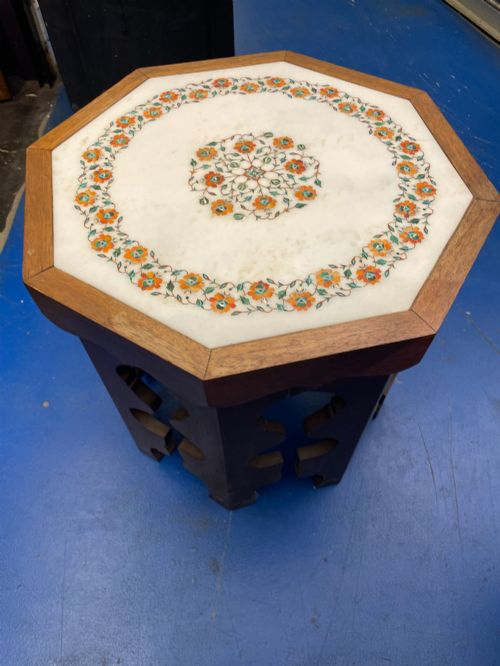
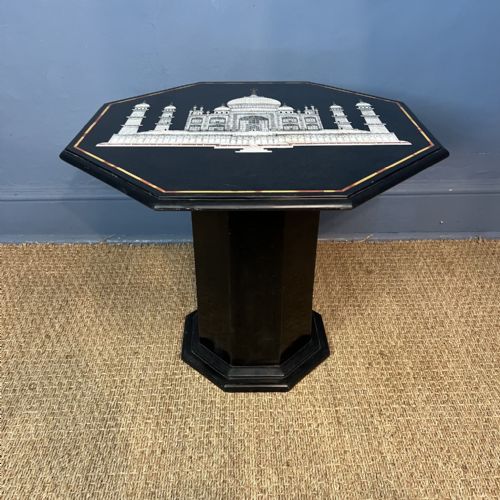
Origins stretch across European workshops, Italy, India, and China, drawing on classical revival, aesthetic movement, and Qing Dynasty traditions. The resulting furniture ranges from simple white marble tops on turned columns to intricate pietra dura and inlaid stone panels.
How they were made
Makers cut and polished solid blocks of marble, alabaster, and onyx to form thick tabletops, sometimes incorporating intricate pietra dura or coloured stone inlay into the surface. These heavy stone slabs required sturdy timber frames of walnut or carved hardwood to bear the considerable weight.
Support structures involve hand-carved rootwood, brass mounts, and engraved stone pillars, joined using traditional cabinetmaking methods appropriate to each period. Certain pieces integrate specialised local materials such as Derbyshire fossil marble or quartz within deeply carved wooden surrounds.
Listings feature pieces spanning the nineteenth century through the 1930s, utilising marble, alabaster, onyx, and stone inlay.
What varies in quality
Quality depends upon the geological selection of the stone and the precision of its polish. Finer examples display vivid natural veining, flawless inlay work, and tight alignment between the heavy stone top and its supporting frame.
The sophistication of the carving dictates the distinction between standard production and superior craftsmanship. Rootwood stands and pietra dura panels demand exceptional hand skill, whereas simpler tables rely entirely on the natural qualities of the marble or alabaster.
The Carved Stone Side Table Glossary
- Pietra dura
- An Italian technique of inlaying cut and polished coloured stones into a dark stone base to create pictorial designs.
- Alabaster
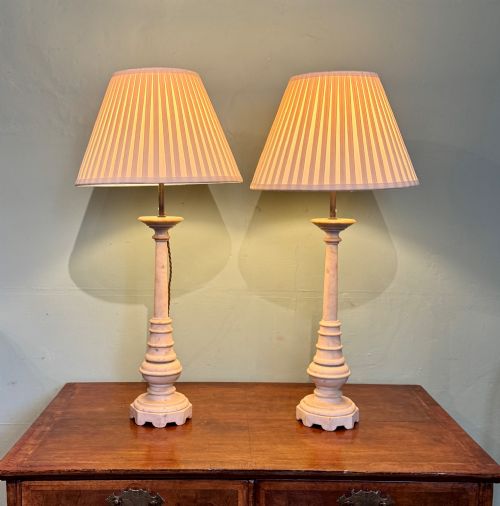
- A fine-grained, translucent stone often used for carved lamps and decorative table components.
- Onyx
- A banded variety of chalcedony prized for its layered translucency and varied natural colouration.
- Console table
- A table designed to stand against a wall, frequently supported by decorative brackets or pillars rather than four full legs.
Carved Stone Side Table: Frequently Asked Questions
How do I clean a marble table top?
Wipe the stone surface using a soft cloth dampened with warm water and mild, pH-neutral soap. Avoid abrasive cleaners or acidic substances like lemon juice, which can etch the polished finish.
Dry the surface thoroughly afterwards to prevent water spotting. Consistent gentle maintenance preserves the natural lustre of the marble over time.
Can these tables support heavy lamps?
Solid stone tops possess natural heft and load-bearing capacity well suited for heavy table lamps and decorative objects. The structural limitation lies primarily in the wooden or stone base supporting the top.
Ensure the legs or central pillar remain stable and properly aligned before placing substantial items upon the surface. Heavier console and centre tables offer maximum stability for large lamps.
How do I identify Victorian stone tables?
Victorian examples often display revival styles such as classical or aesthetic movement influences, utilising British or imported continental marbles. Construction details like hand-cut fixings and dense hardwoods help distinguish these nineteenth-century pieces.
Look for specific regional materials like Derbyshire fossil marble embedded within the design. Comparative examination of the carving style and timber ageing confirms the period origin.
Are alabaster and onyx the same material?
Alabaster and onyx represent two distinct geological formations, though both yield translucent, decorative stone surfaces. Alabaster is a softer stone gypsum or calcite variety, while onyx is a banded silicate mineral.
Onyx generally displays sharper colour banding and greater hardness than alabaster. Both materials were utilised extensively for twentieth-century lamps and occasional tables.