
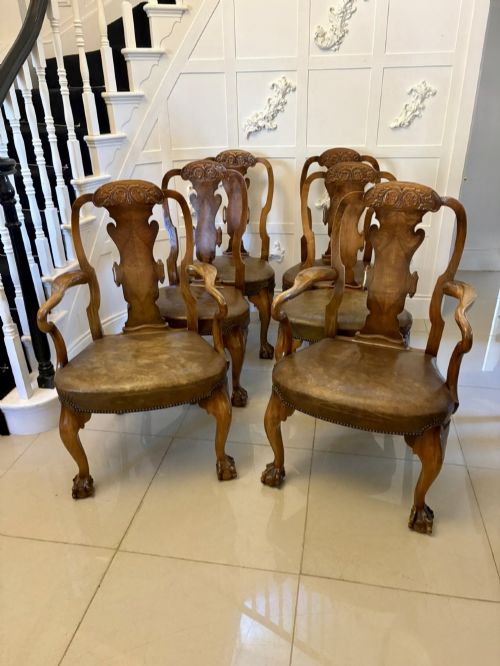
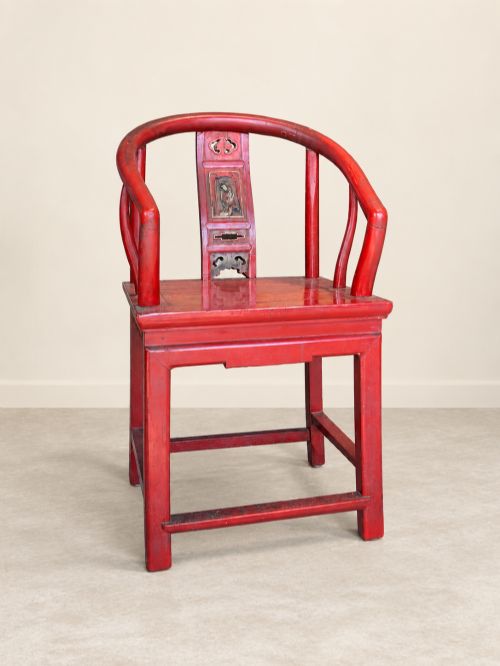
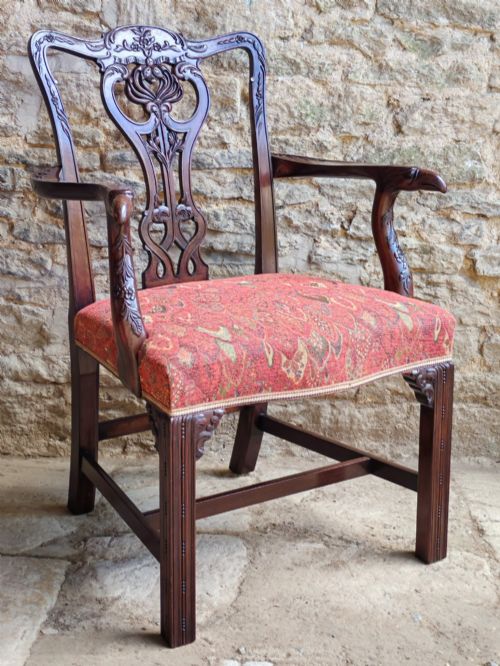
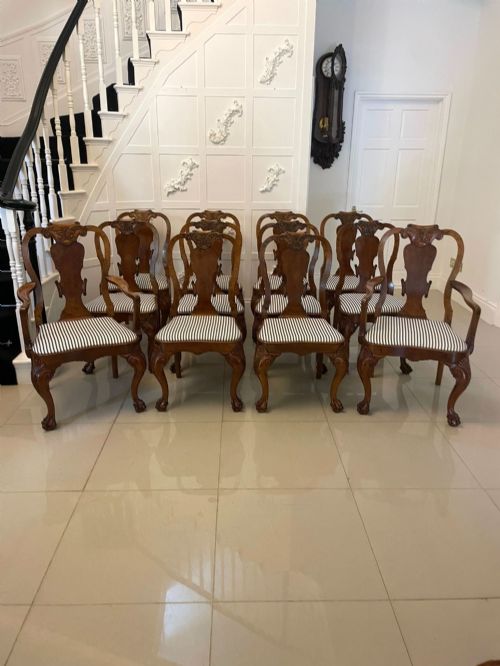
Carved Splat Back Armchair
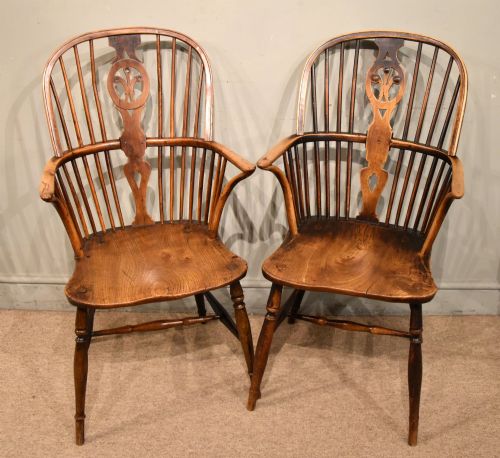
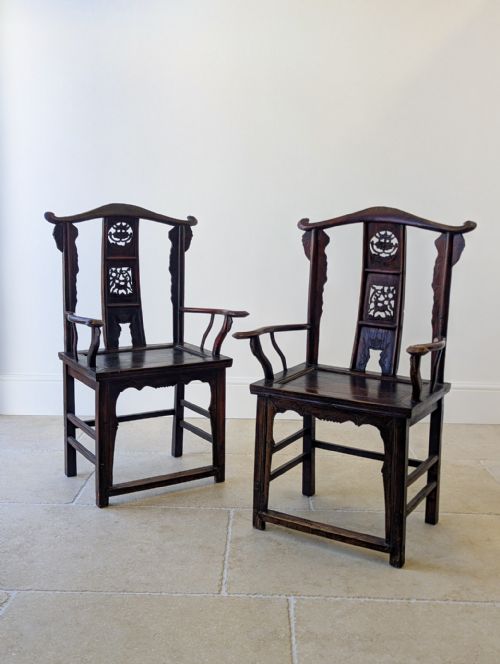
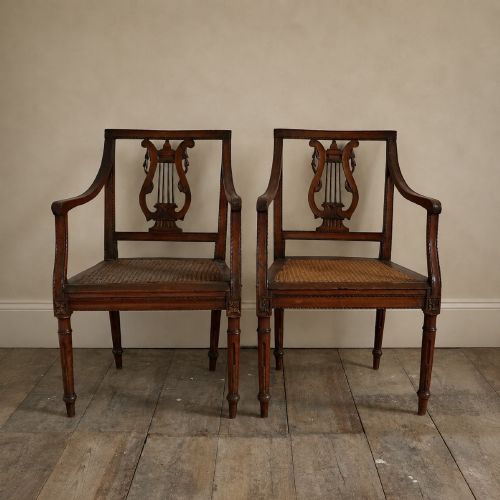
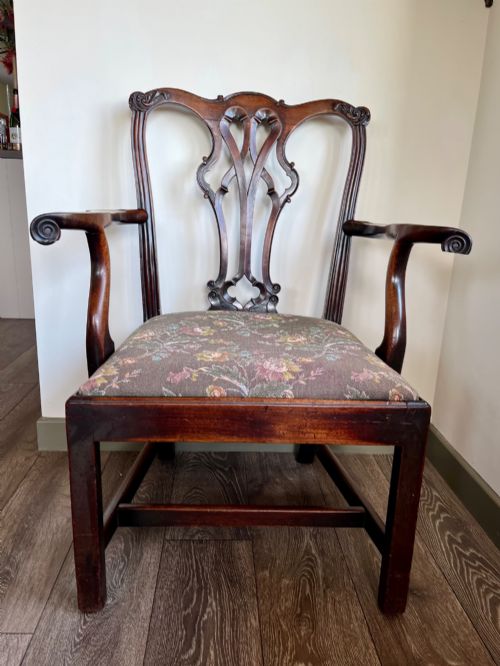
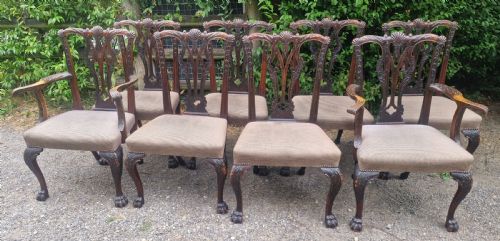
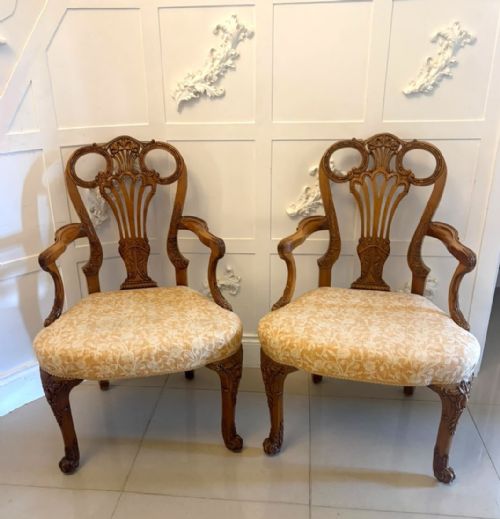
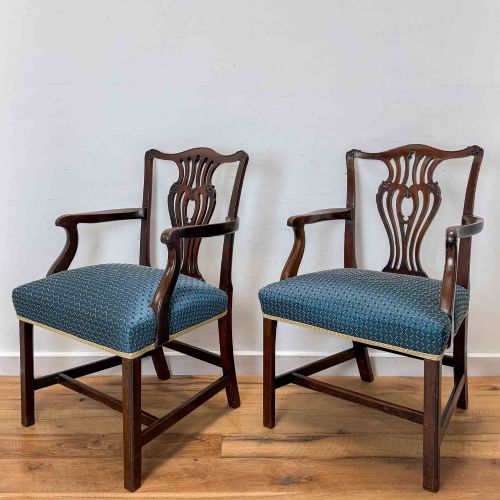
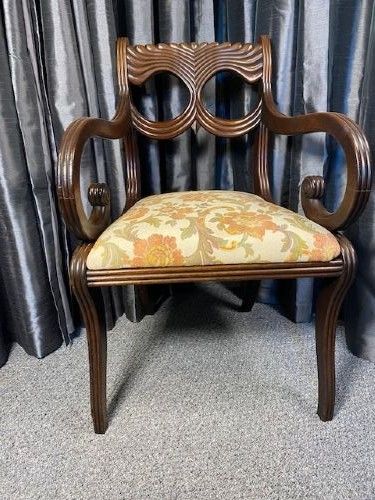
These carved splat back armchairs bring substantial timber frames and intricate pierced central splats to a room.

Carved Splat Back Armchair
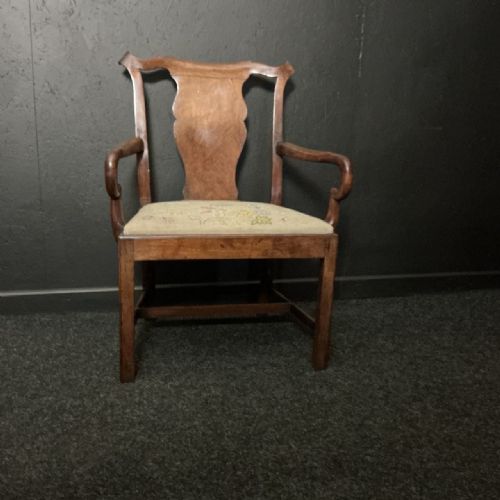
A carved splat back armchair forms a traditional seating option defined by a vertical central slat set into the wooden framework of the backrest. These pieces appear across multiple historical periods, most notably through 18th Century and 19th Century examples executed in mahogany, walnut, and various provincial timbers.
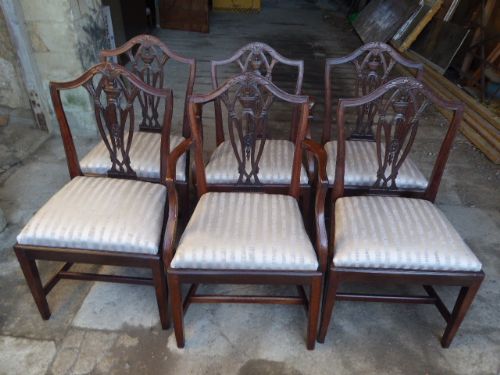
Georgian and Victorian periods dominate the record, supplying large proportions, elaborately pierced splats, and sturdy cabriole or straight legs. Buyers encounter individual carvers alongside matched sets intended for dining tables or studies.
How they were made
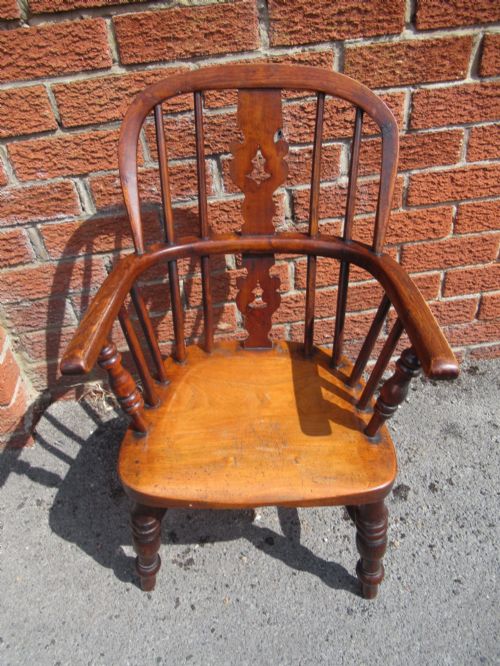
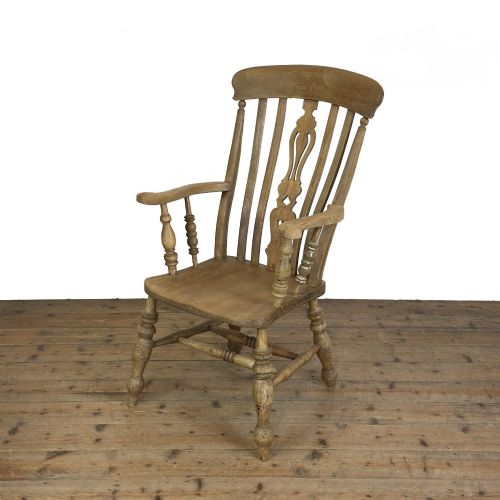
Cabinetmakers constructed these frames using dense hardwoods like mahogany and walnut for formal iterations, while regional makers utilised elm, ash, and fruitwood for Windsor designs. Traditional joinery methods, including mortise and tenon joints, secured the uprights to the seats and crest rails.
Carvers shaped the central splats by hand, piercing and contouring the timber into ribbons, lyres, or geometric interlacements. Turning lathes shaped spindles and legs, while cane, fabric, or leather inserts provided seat pads across varying forms.
One miniature apprentice piece listed is a hand-carved Chippendale hall chair built to test a young joiner's skill.
What varies in quality
The crispness and depth of the carved detail on the central splat separate standard output from superior examples, as does the selection of figured timber grain. Heavier proportions and balanced structural joinery indicate thoughtful construction rather than hasty assembly.
The integrity of the original wood surfaces, whether polished mahogany or patinated fruitwood, influences the visual weight of the chair. Matching sets demonstrate greater cohesion in timber selection and carving execution across multiple individual frames.
Howard and Sons
The Carved Splat Back Armchair Glossary
- Splat
- The upright central strip of wood in the middle of a chair back. It often receives the decorative carving that defines the style of the seat.
- Carver
- A term for an armchair, typically designed en suite with smaller side chairs for use at the head of a dining table or at a desk.
- Windsor
- A chair constructed with a solid wooden saddle seat into which the legs and back spindles are separately bored and wedged. Regional variants utilise woods such as elm, ash, and fruitwood.
- Chippendale
- A style originating in the 18th Century characterised by elaborate ribbon-back or pierced splats, often revived in later periods. It frequently employs mahogany with carved cabriole legs.
- Yoke-back
- A traditional chair design featuring a curved top rail resembling a yoke, common in Chinese seating forms. It provides ergonomic support for the shoulders.
Carved Splat Back Armchair: Frequently Asked Questions
How do I identify a true Georgian piece?
Examine the timber density, hand-cut joinery, and the weight of the mahogany or walnut frame. Period examples display natural patination and tool marks consistent with 18th Century workshop practices.
Compare the proportions and carving depth against later revival pieces, which often feature machine-tooled uniformity and lighter construction methods.
Can I use these chairs at a modern dining table?
Armchairs work well as host seating at the ends of a dining table, provided the arm height clears the underside of the tabletop. Their substantial frames offer robust support for daily meals.
Ensure the seat height matches standard table clearances to maintain comfortable posture during extended periods of sitting.
What maintenance do antique wooden chairs need?
Apply occasional applications of traditional beeswax to nourish the exposed timber and maintain the natural lustre of the finish. Avoid placing chairs near direct heat sources or in fluctuating humidity.
Check the stability of the leg joints periodically and tighten any loose wedged construction gently without damaging original pins.
How do regional Windsor chairs differ from formal styles?
Windsor chairs utilise a saddle-shaped wooden seat with turned spindles pinned directly into the base, reflecting country craftsmanship rather than formal cabinetmaking. They typically combine native timbers like elm seats with ash or fruitwood framing.
Formal styles rely on frame-and-panel geometry with continuous back rails and upholstered or cane inserts.