




Carved Shell Seat Chair
A carved shell seat chair brings sculptural timber work into a room, offering both a sturdy seat and a striking carved motif to any interior.
Carved Shell Seat Chair
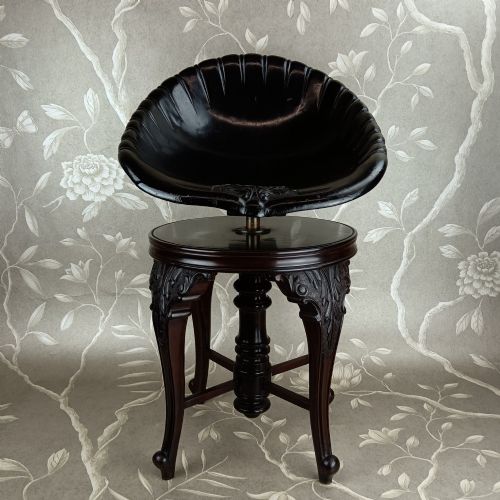
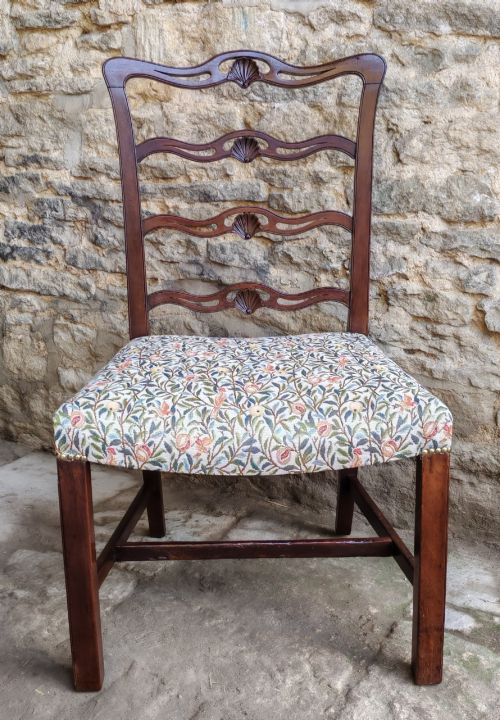
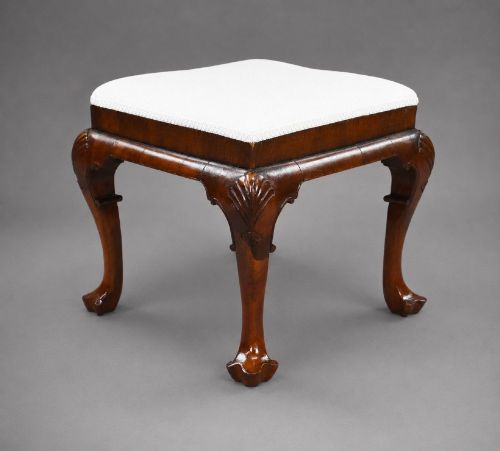
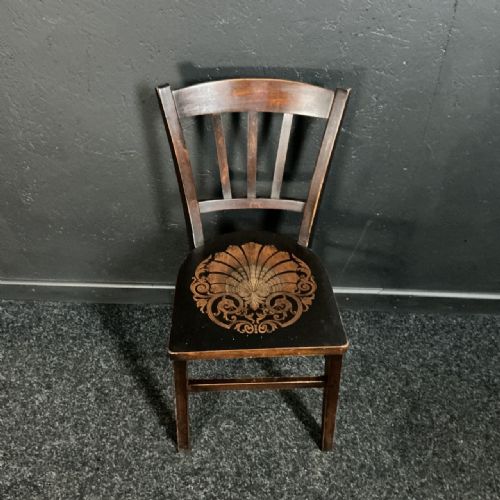
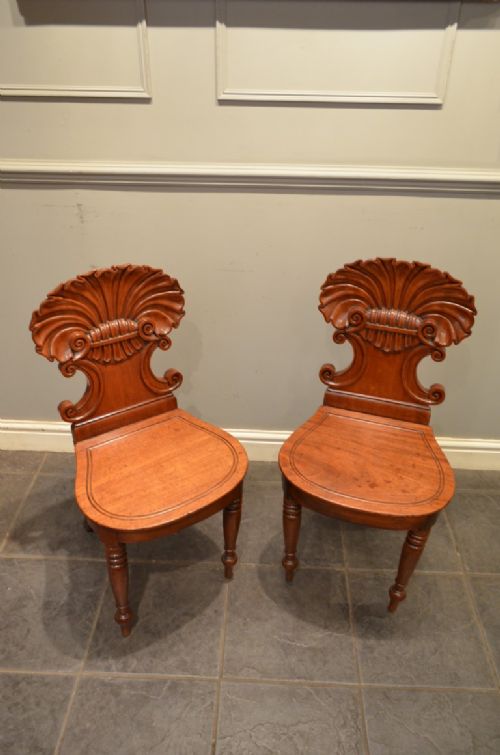
A carved shell seat chair draws the eye immediately through its distinct backrest design, which mirrors the scalloped form of a seashell. Buyers searching for a carved shell seat chair encounter examples ranging from 18th-century Italian walnut side chairs to Victorian mahogany hall chairs and later revivals.
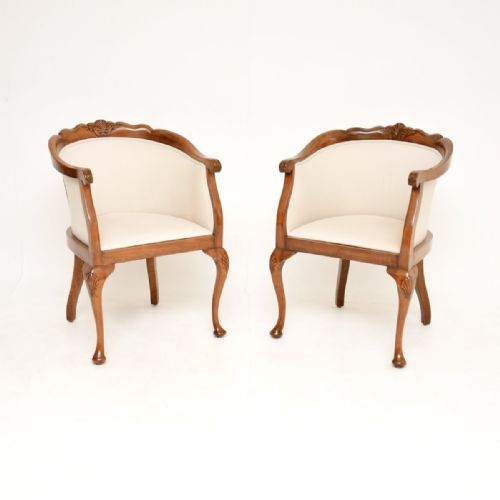
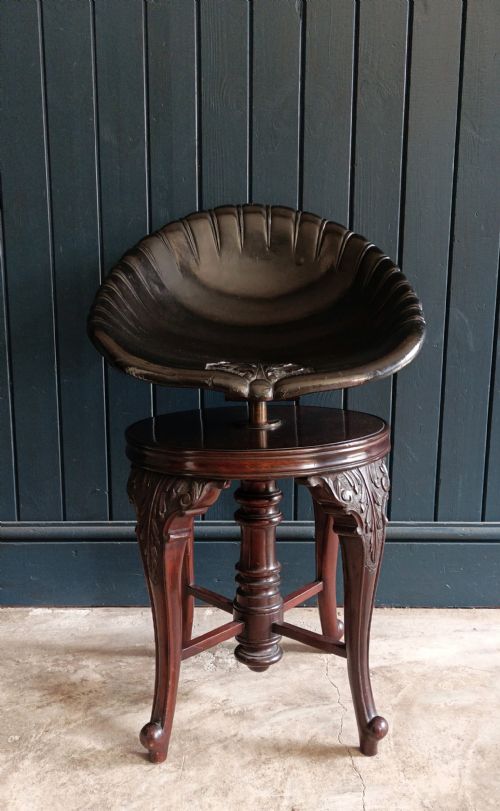
The form appears across several distinct seating types on this page, including rigid hall chairs designed for entryways, revolving music stools, and formal dining chairs. Mahogany and walnut dominate the construction, often shaped with crisp shell carvings along the top rail or back panel.
Dating spans from the 18th century through the Victorian and Edwardian eras, with revival styles appearing frequently. These pieces function equally well as standalone accent items or as matched sets around a dining table.
Materials and construction methods
Cabinetmakers relied heavily on dense hardwoods such as mahogany and walnut, which held sharp chisel work exceptionally well. Beech, fruitwood, and maple also appear, providing stable foundations for intricate scrollwork and turned supports.
Surface ornamentation involved skilled hand carving to define the ribs of the shell motifs, complemented in some instances by mother-of-pearl inlay or papier-mâché components. Joinery techniques relied on traditional mortise and tenon joints to ensure long-term structural integrity.
Listings feature mahogany, walnut, and papier-mâché across periods from the eighteenth century to the Edwardian era.
Distinctions in craftsmanship
Quality reveals itself in the depth and precision of the timber carving, where superior examples display crisp, undercut shell details rather than soft, rounded edges. The selection of the wood grain also separates standard production from finer output, with highly figured mahogany or burr walnut marking the upper tier.
Structural robustness defines the better pieces, particularly in high-stress areas like chair legs and back rails where tight joints remain firm over centuries. Maker attribution, such as documented works by Gillows or Jennens and Bettridge, further elevates the standing of an individual piece.
Jennens and Bettridge·Gillows
The Carved Shell Seat Chair Glossary
- Hall chair
- A rigid wooden seat traditionally placed in an entrance hall, often featuring a painted or deeply carved family crest or shell motif on the back.
- Papier-mâché
- A composite material made of paper pulp mixed with glue and resin, pressed into moulds and hardened to form smooth surfaces suitable for lacquering and inlay.
- Shell back
- A chair backrest carved or shaped to resemble the fluted ridges of a scallop shell, popular across Georgian and Victorian designs.
- Side chair
- An upright chair without arms, designed for dining or occasional use around the perimeter of a room.
- Revival style
- A design movement that reinterprets historical aesthetics, such as Queen Anne or Chippendale, using the manufacturing techniques of a later era.
Carved Shell Seat Chair: Frequently Asked Questions
Where should I place a hall chair?
These rigid timber seats suit hallways, landings, or narrow entryways where deep upholstery is impractical.
They serve primarily as sculptural accents rather than lounging seats, making them ideal for transitional spaces.
How do I identify a Victorian shell chair?
Victorian examples often utilise dark mahogany or walnut with dense, heavy proportions and machine-assisted or deep hand-carving.
Look for characteristic hardware, secondary timbers, and surface finishes typical of the mid to late nineteenth century.
Can I use these chairs for everyday dining?
Dining chairs and side chairs included in this selection are built for regular daily use around a table.
Ensure the joints remain secure and the seat height suits your existing table before daily deployment.
What maintenance do antique wooden chairs need?
Keep wooden surfaces clean with a soft dry cloth and apply a quality beeswax periodically to nourish the timber.
Avoid placing antique seating near direct heat sources or in fluctuating humidity to prevent wood splitting.