




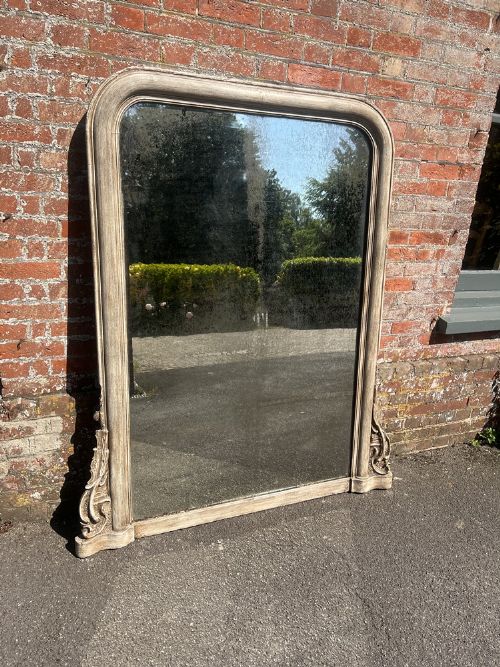


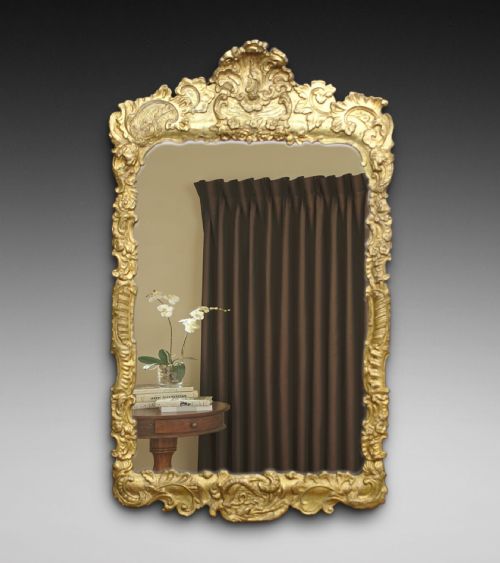
Carved Scroll Overmantel Mirror
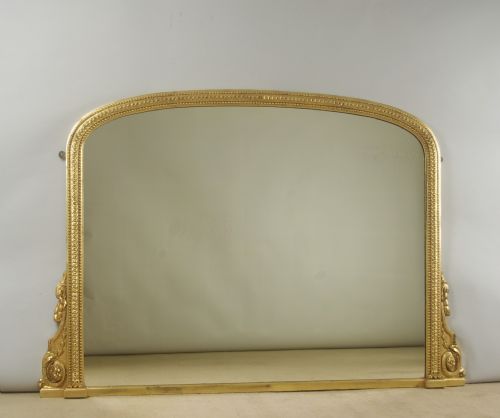
A carved scroll overmantel mirror brings architectural weight to a chimney breast, shaped by centuries of woodcarvers and gilders.
Carved Scroll Overmantel Mirror
A carved scroll overmantel mirror sits above a fireplace, anchoring the room with a wide frame designed to echo the proportions of the mantelpiece below.
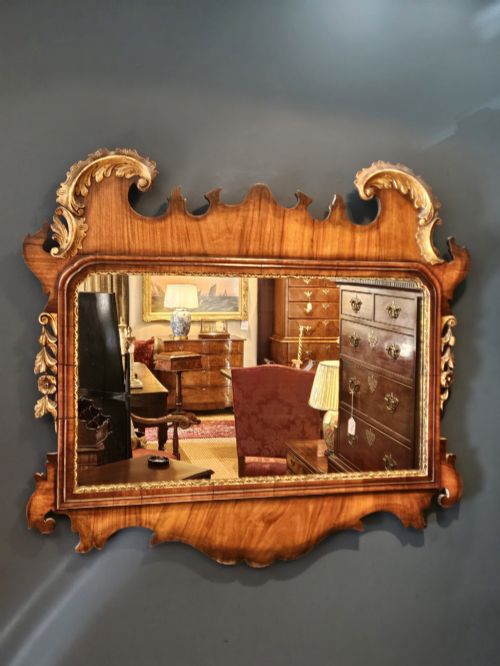
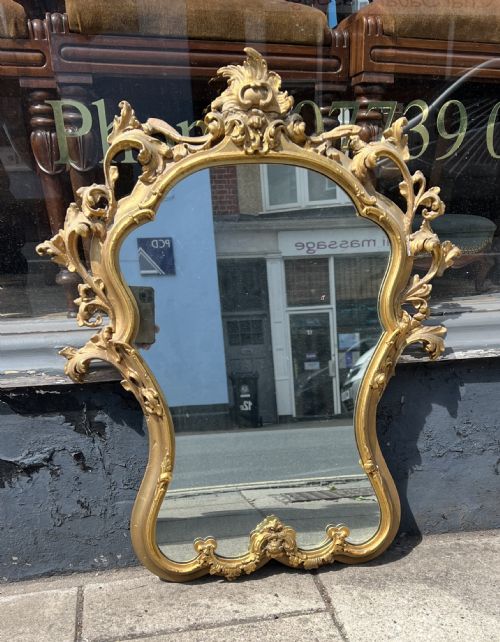
The selections span distinct eras, moving from the exuberant asymmetry of the Georgian Rococo to the restrained elegance of George III styles and later Victorian revivals.
Forms range from arched tops and landscape orientations to grand giltwood pier glasses, reflecting how interior decoration evolved across the seventeenth, eighteenth, and nineteenth centuries.
Materials and construction
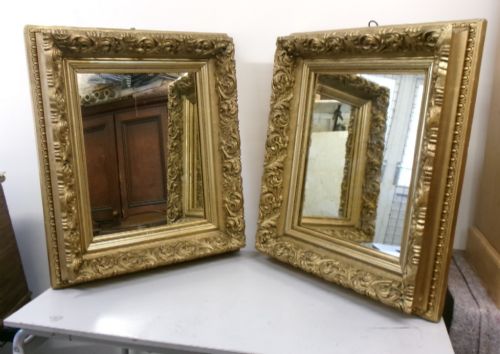
Makers shaped structural carcasses from solid wood and mahogany, building up complex decorative motifs with layers of gesso before applying gold leaf or paint.
Giltwood surfaces rely on thin gold leaf laid over a prepared bole ground, catching the light in a manner distinct from modern metallic finishes.
Glass plates, whether original mirror glass or later replacements, sit within rebated frames secured by traditional joinery and backing boards.
Listings feature periods spanning from the seventeenth century through the Victorian era, utilising materials such as giltwood, gesso, mahogany, and paint.
Judging the craftsmanship
Quality rests upon the crispness of the hand-carving in the wood and gesso, where deeper undercut scrolls and fluid foliage demonstrate a more confident hand.
The integrity of the original gilt surface dictates the character of the piece, showing how well the gold leaf has aged and whether the underlying gesso remains undisturbed.
Proportion and scale separate standard regional pieces from ambitious works designed for grand reception rooms, evident in the balance of the architectural arch and the sweep of the shoulders.
The Carved Scroll Overmantel Mirror Glossary
- Overmantel mirror
- A large wall glass specifically proportioned to hang on the wall directly above a fireplace mantel.
- Giltwood
- Timber covered with thin gold leaf applied over a chalk and glue ground known as gesso. This finish creates the characteristic warm metallic sheen found on formal antique frames.
- Gesso
- A mixture of plaster of Paris and glue used to coat carved wood frames before gilding or painting. It provides a smooth base that can be moulded or carved with sharp detail.
- Rococo
- An ornate decorative style popular in the eighteenth century characterised by asymmetry, C-scrolls, and shell motifs. It heavily influenced the carved frames of the period.
- Pier glass
- A tall mirror traditionally hung on the narrow section of wall between two windows. These pieces often matched console tables placed underneath them.
Carved Scroll Overmantel Mirror: Frequently Asked Questions
How do I hang a heavy overmantel mirror?
These substantial frames require professional wall fixings tied directly into the masonry or studs rather than standard picture hooks. Weight distribution must be calculated carefully across the structure of the wall.
Lower the mirror so its base sits comfortably in relation to the mantel shelf, maintaining visual balance with the fireplace opening below.
Are the mirror plates original?
Older mirrors often display slight foxing, minor silver loss, or distortion within the glass due to age and chemical changes in the backing. These natural signs of wear help distinguish period glass from modern replacements.
Examine the edges of the glass and the back of the frame to understand how the plate is secured and whether it has been re-silvered or replaced.
What is the difference between a pier glass and an overmantel?
Pier glasses were originally designed to hang on narrow wall spaces between windows to reflect additional light into a room. Overmantels are specifically proportioned in a landscape or arched format to sit above a fireplace.
Despite their original intended locations, both forms share similar carved frames and glass manufacturing techniques from the same historical periods.