






Carved Rocaille Mirror
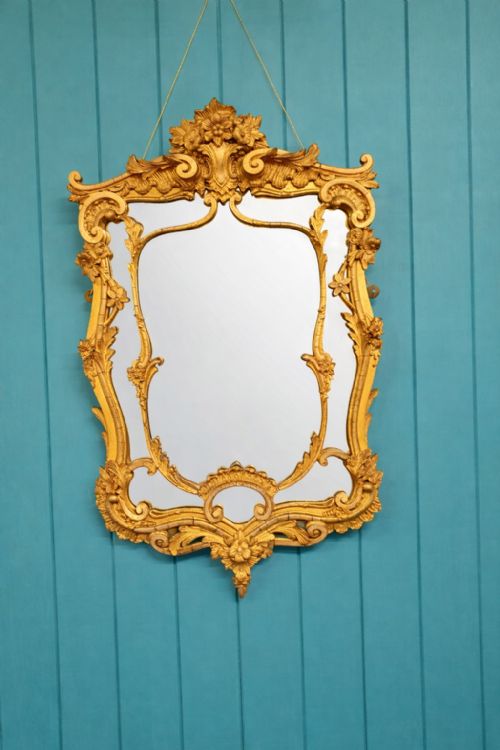
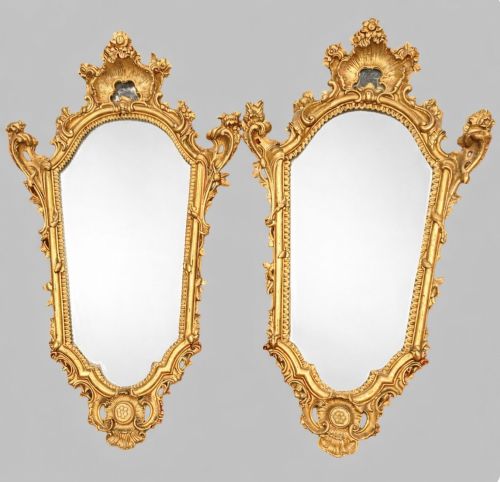
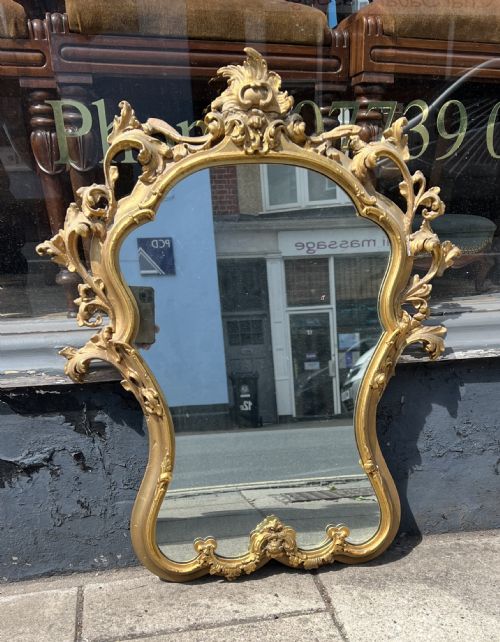
These carved rocaille mirror examples bring flowing asymmetry and antique luxury to a room, offering the charm of eighteenth-century design.
Carved Rocaille Mirror
A carved rocaille mirror brings ornate, flowing forms into a room, taking inspiration from classic eighteenth-century European design. When searching for a carved rocaille mirror, buyers encounter wall-hanging pieces defined by shell motifs, C-scrolls, and asymmetrical framing.
The selections span various periods, with examples originating from the eighteenth century up to the early twentieth century. Pieces from the nineteenth-century revival movements sit alongside genuine eighteenth-century antiques, often following French Louis XV or Italian design traditions.
Most items function as prominent wall mirrors, utilising shaped tops and cartouche forms to create a striking focal point. Gilded timber frames dominate the selection, bringing reflective light and historical character to traditional interiors.
How they were made
Makers shaped timber bases by hand before applying layers of gesso to build up the intricate relief work. Artisans carved deep scrolls, foliage, and shell motifs directly into the wood or onto the applied gesso layers.
Surface decoration typically involved the application of gold leaf or silver leaf over a prepared bole, followed by burnishing to achieve varied sheens. Some examples utilise paint finishes alongside gilding to highlight the complex carved contours.
Some nineteenth-century makers got so carried on with scrolls that the mirror glass became an afterthought hiding behind the foliage.
What varies in quality
The depth and crispness of the carving separate the finer pieces from simpler decorative productions. Superior examples display undercut foliage and sharply defined scrollwork that reflect high levels of manual skill.
The quality of the gilding and the preparation of the underlying gesso shape the visual weight of the frame. Original mirror glass with age-related foxing also contributes to the authenticity and historical depth of the piece.
The Carved Rocaille Mirror Glossary
- Rocaille
- An ornamental style originating in France, characterised by shell-like forms, pebbles, and asymmetrical scrollwork. It forms the primary decorative vocabulary for these mirrors.
- Giltwood
- Timber covered with a thin layer of gold leaf or gold paint. This finish defines the reflective, warm appearance of most antique frames.
- Gesso
- A plaster-like mixture applied to wood frames to create a smooth surface for carving and gilding. It allows for sharp relief details.
- Cartouche
- An ornamental frame resembling a scroll or a rolled-up piece of paper, often used to enclose a central mirror plate. It gives the glass an irregular, elegant outline.
- Louis XV Manner
- A design style mimicking the French court aesthetic of the mid-eighteenth century, known for curving lines and natural motifs. Revival versions appeared frequently in the nineteenth and early twentieth centuries.
Carved Rocaille Mirror: Frequently Asked Questions
How do I hang a heavy carved rocaille mirror safely?
These large frames require robust wall fixings secured directly into masonry or heavy wall studs due to their substantial timber and gesso weight. Professional installation is recommended to support the load securely.
Ensure the hanging wire or integrated brackets match the weight distribution of the specific frame. Check the wall structure carefully before mounting any large antique mirror.
How can I tell an eighteenth-century mirror from a revival piece?
Examine the construction of the wooden frame, the composition of the gesso, and the ageing patterns on the mirror plate. Eighteenth-century pieces show distinct hand-tool marks and natural material degradation.
Revival pieces from the nineteenth or twentieth centuries often utilise machine-sawn timber elements alongside older stylistic tropes. Close inspection of the joints and backing boards helps clarify the manufacturing era.
How do I clean and maintain a gilded frame?
Dust the intricate carved surfaces gently using a soft, dry brush to prevent dirt accumulation in the recessed scrolls. Avoid using commercial liquid cleaners or water on gilded wood.
Harsh chemicals can strip the delicate gold leaf or damage the historic gesso layer beneath. Professional conservators should handle any major cleaning or structural stabilization.
Where should I place a carved rocaille mirror in my home?
Position the piece on a primary wall in a living room, hallway, or bedroom where it can reflect natural light and open up the space. Placing it above a mantelpiece or console table creates a balanced traditional arrangement.
Consider the surrounding furniture scale to ensure the ornate frame complements rather than overpowers the room. The dramatic outline works best when given adequate wall space to stand out.