



Carved Pedestal Accent Table
A carved pedestal accent table brings a commanding central column and a compact footprint to a room, offering a functional surface rooted in nineteenth-century cabinetmaking.
Carved Pedestal Accent Table
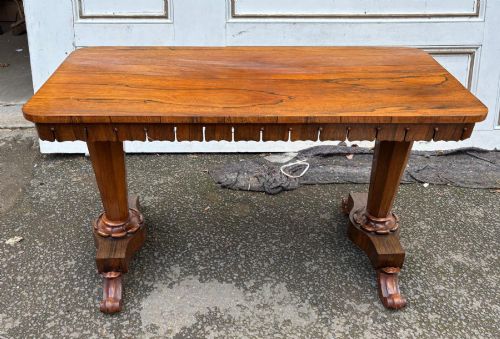
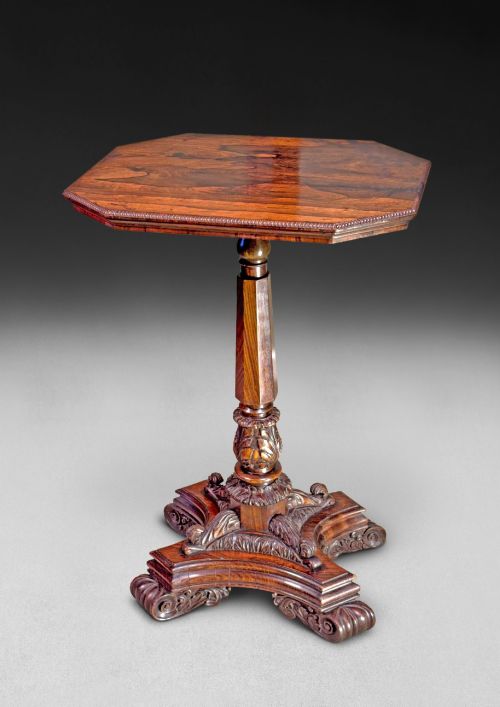
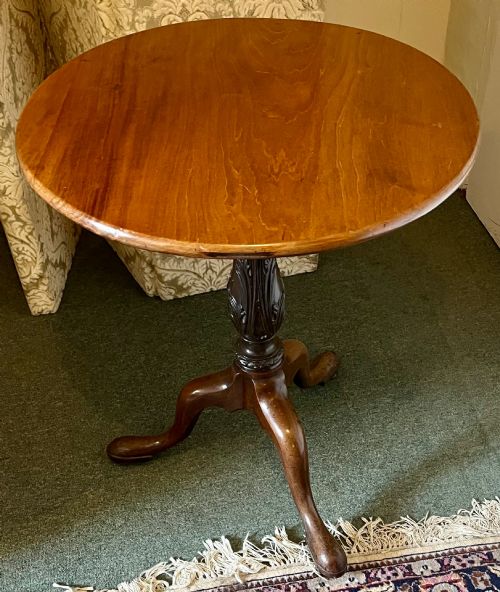
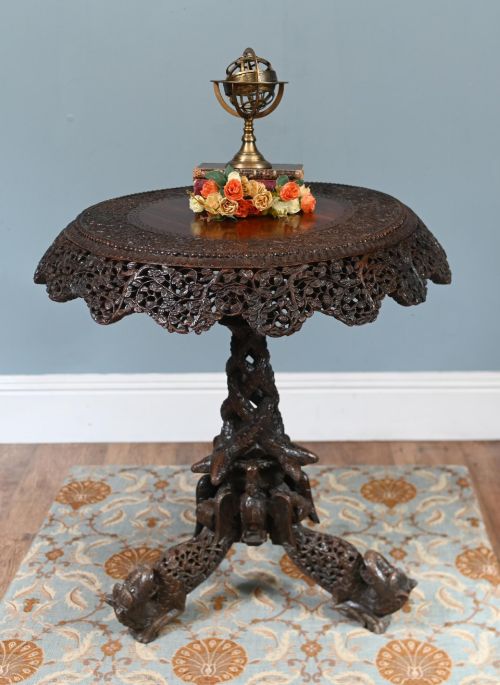
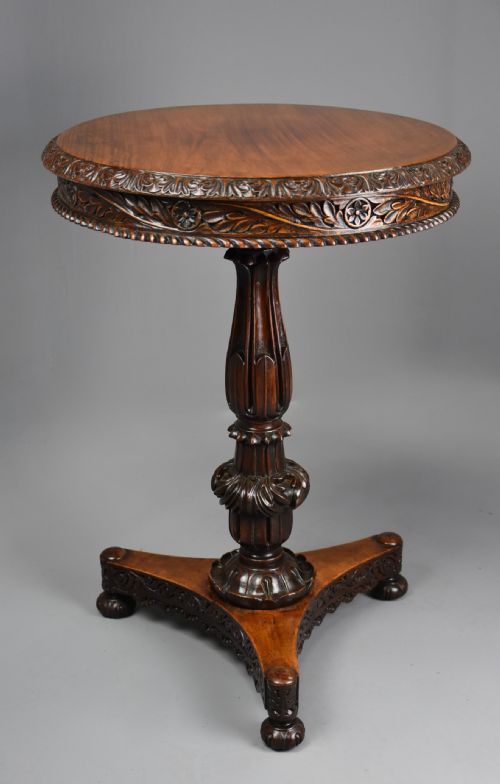
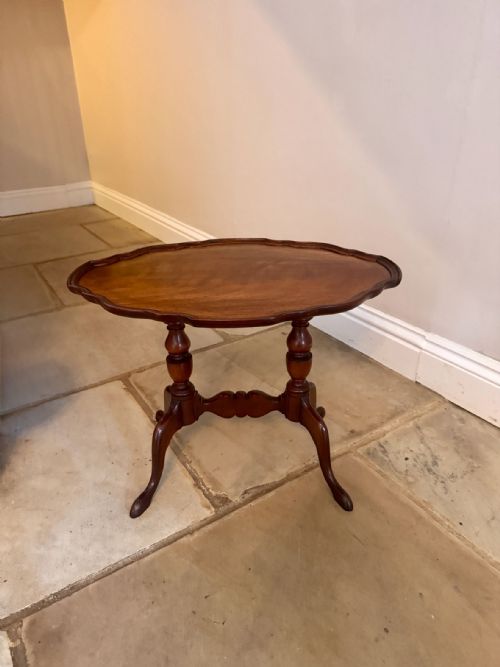
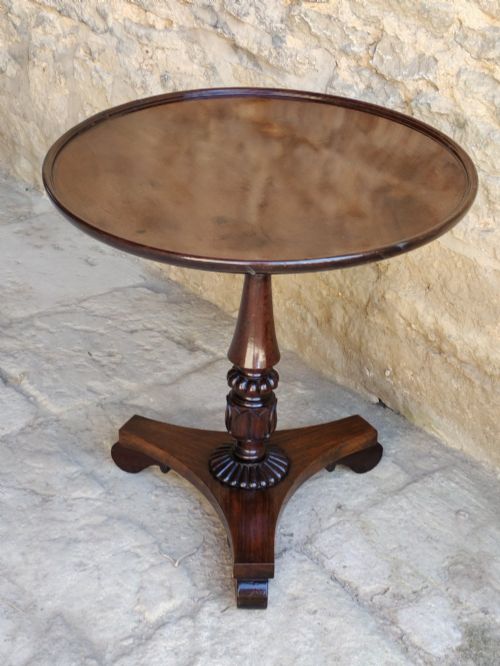
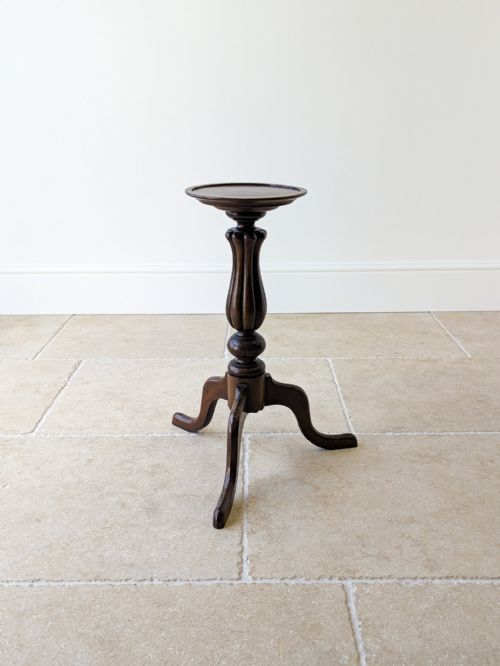
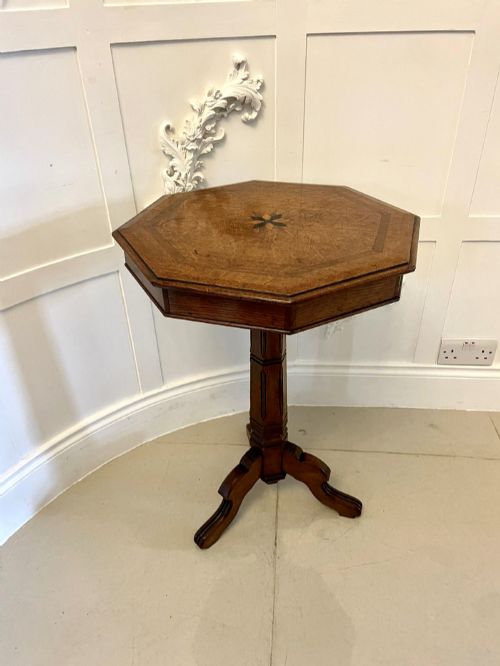
A carved pedestal accent table encompasses a variety of compact nineteenth-century forms designed to sit beside seating or anchor the middle of a room. When you examine a carved pedestal accent table today, you will most frequently encounter Victorian walnut and mahogany lamp tables, occasional tables, and tripod candle stands.
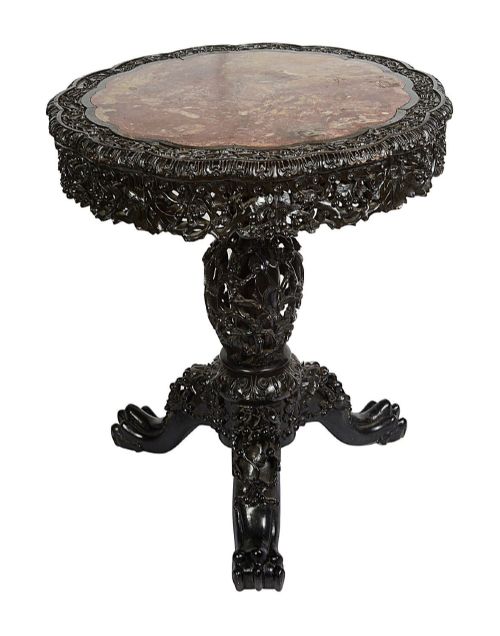
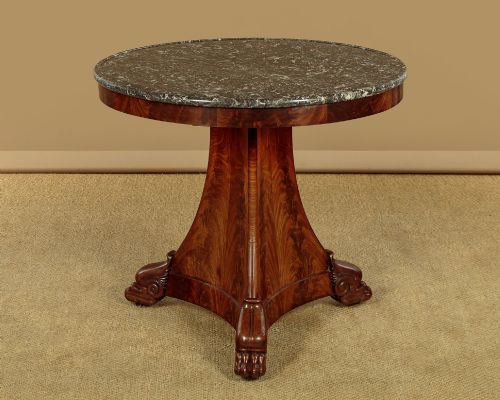
The selection ranges widely across stylistic influences, including robust Georgian and William IV designs alongside intricate Anglo-Indian and Burmese teak imports. Alongside these are specialised forms such as torcheres, plant stands, and tilt-top tables that utilise a single central support instead of traditional four-legged frames.
How they were made
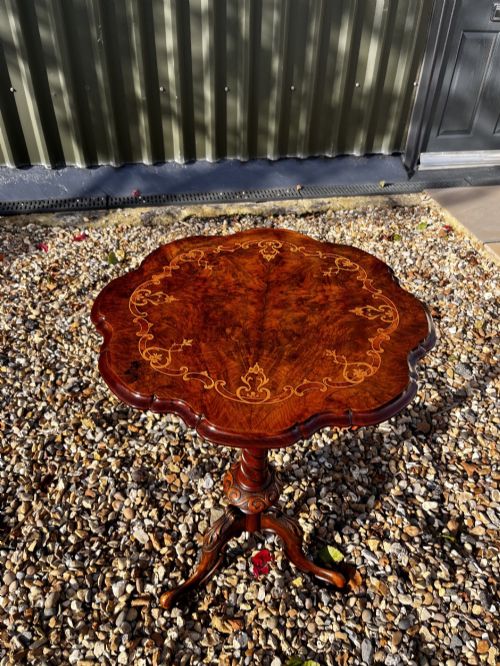
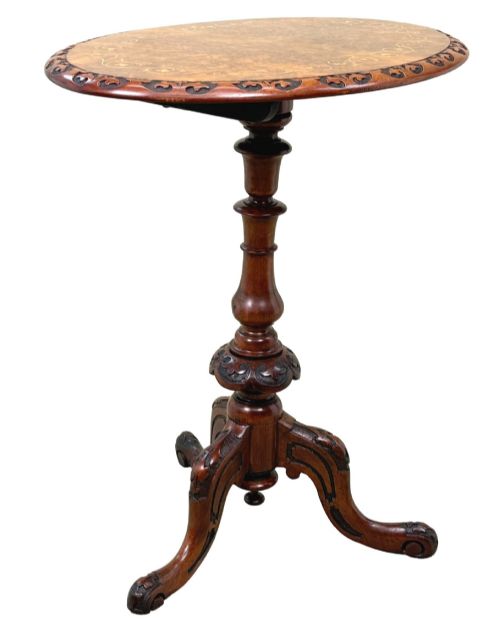
Cabinetmakers constructed these tables using dense timbers like mahogany, walnut, and rosewood, often pairing solid structural elements with decorative veneers such as burr walnut and burr birch. Surfaces frequently display intricate marquetry inlay, mother-of-pearl work, or hand-carved details along the pedestal shafts and tripod legs.
Construction techniques from the period relied on sturdy central pillar joints, stable tripod bases, and sometimes tilt-top mechanisms that allowed the tabletop to fold away when not in use.
Carved Pedestal Accent Table Retail Price Guide 2026
Typical asking prices for carved pedestal accent table among the pieces listed under this phrase on Sellingantiques today, from the lower quarter to the upper quarter. They describe what is for sale here now, not the wider market.
Several tables feature hidden tilt mechanisms that let you pretend you are preparing to stow the furniture away for a grand ball.
What varies in quality
The distinction between standard examples and the finest pieces lies in the crispness of the hand-carving and the selection of figured timber veneers. Superior tables exhibit precise marquetry work, stable pedestal joints without excessive movement, and harmonious proportions between the top and the central column.
Makers who invested greater time in finishing details produced items with richer depth in the wood grain and more securely fitted inlaid elements, elevating simple utility into accomplished craftsmanship.
The Carved Pedestal Accent Table Glossary
- Tripod table
- A small freestanding table supported by a central pillar resting on three legs. This construction ensured the table remained steady on uneven historical flooring.
- Tilt-top table
- A table featuring a hinged mechanism beneath the top that allows the surface to tilt vertically. This design saved space when the table was pushed against a wall.
- Torchere
- A tall, slender stand originally intended to hold a candle or lamp. They frequently feature elaborate carvings along the long pedestal shaft.
- Marquetry
- The art of applying decorative pieces of veneer to a structure to form intricate patterns or pictures. Craftsmen utilised contrasting woods to achieve striking visual depth.
- Occasional table
- A small, versatile table intended for intermittent use around a reception room. They appear in numerous top shapes, including octagonal, circular, and oval.
Carved Pedestal Accent Table: Frequently Asked Questions
Where should I place an accent table?
These tables suit placement beside armchairs, in narrow hallways, or as central lamp stands in a reception room. Their compact footprints allow them to fit into spaces where larger furniture would overwhelm the floor plan.
Because they rest on a single pedestal, they occupy minimal visual weight while providing a practical surface for lighting or decorative objects.
How do I identify a Victorian table?
Victorian examples often utilise dark timbers like walnut and mahogany, frequently incorporating burr wood veneers and substantial turned pedestals. Many pieces from this era display eclectic influences, ranging from heavy carved oak to intricate marquetry inlay.
Examining the construction methods underneath, such as hand-cut screws and traditional joinery, helps confirm the nineteenth-century origin.
What is a tilt-top table used for?
A tilt-top table served as a versatile piece that could be folded flat and stored against the perimeter of a room when floor space was required for other activities. In modern settings, they function effectively as static accent tables while retaining their historical folding mechanism.
The catch mechanism beneath the top is a key feature to inspect for original operating condition.
How do I care for antique wood surfaces?
Maintain antique timber surfaces by dusting with a soft, dry cloth and avoiding direct exposure to strong sunlight or excessive moisture. Applying quality beeswax occasionally helps nourish the grain and preserve the historic polish.
Keep these tables away from direct heat sources to prevent the wood or delicate veneers from splitting over time.