


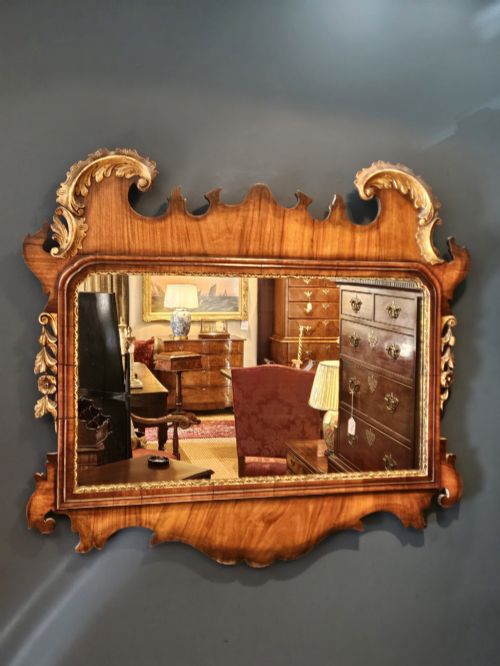



Carved Parcel Gilt Mirror
A carved parcel gilt mirror brings sudden light and depth to a room through selective gilding applied over wood.
Carved Parcel Gilt Mirror
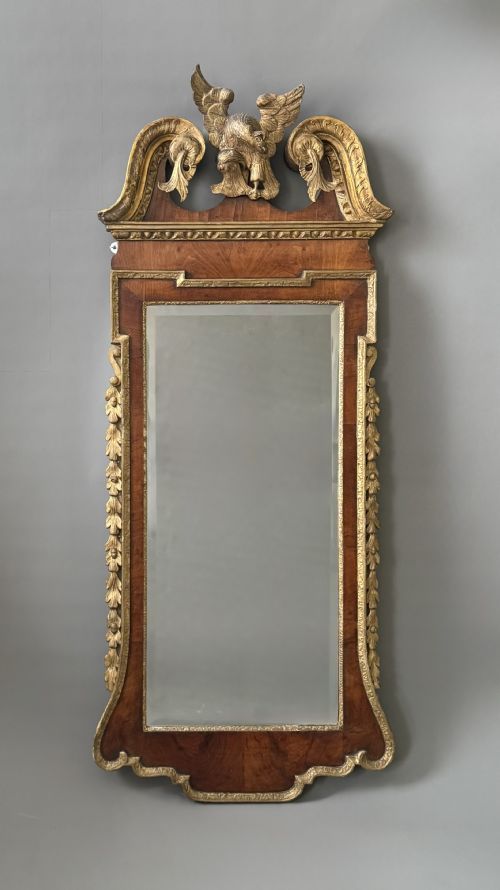
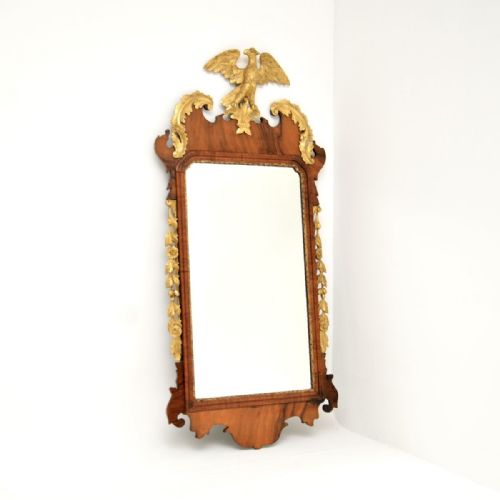
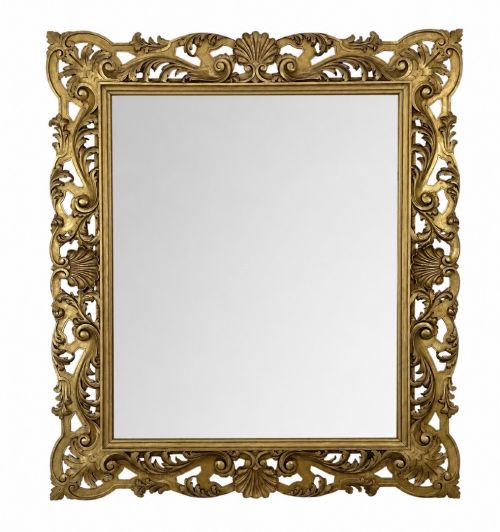
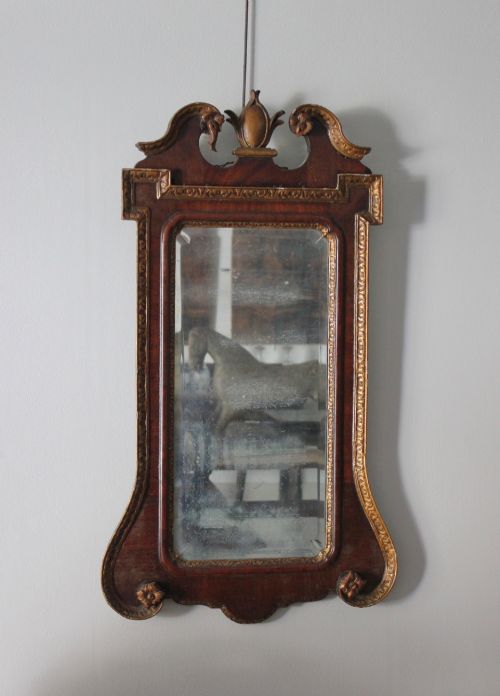
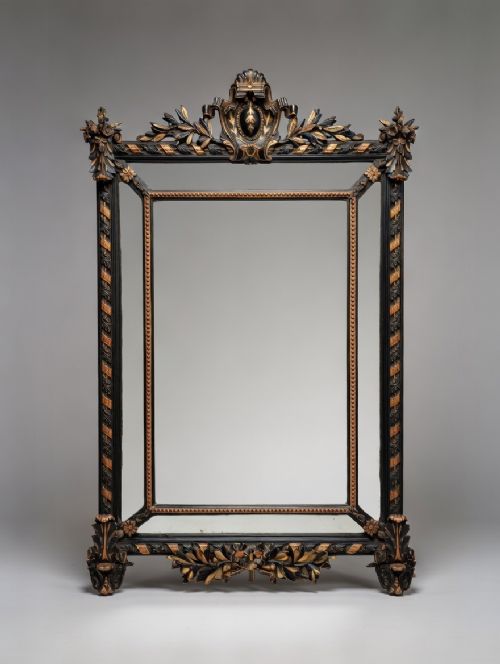
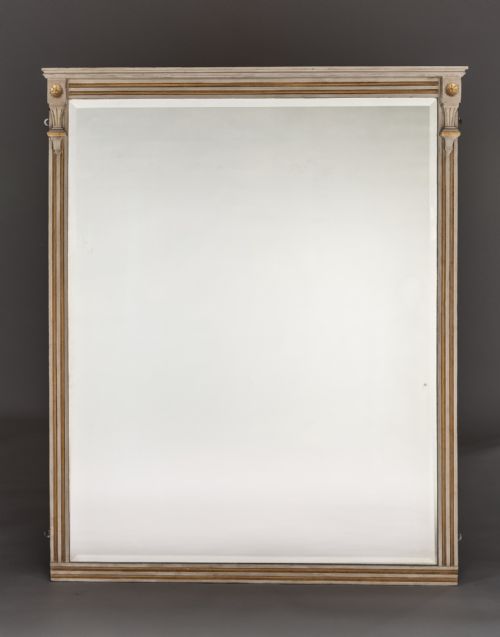
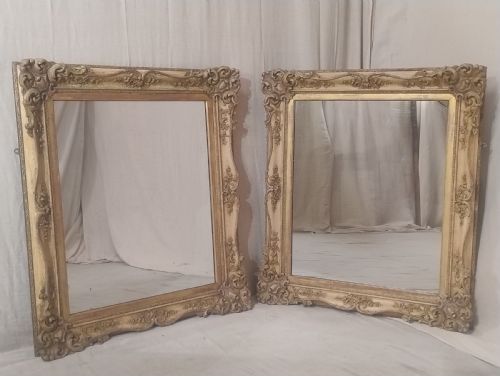
A carved parcel gilt mirror combines exposed timber with bright gilded highlights, creating a rich interplay of texture and reflection that draws the eye across the frame. When you search for a carved parcel gilt mirror, you encounter forms ranging from compact walnut fretwork pieces to large overmantels designed for grand chimneybreasts.
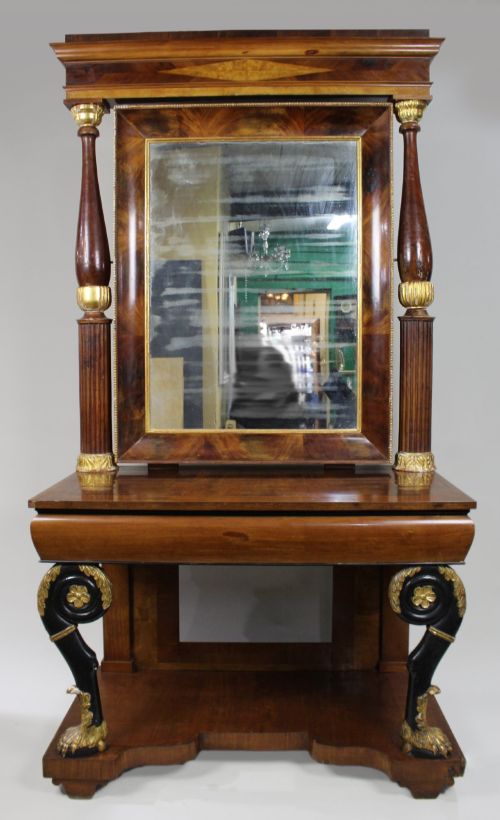
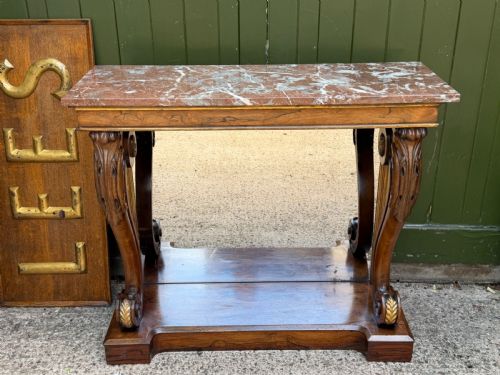
The selection on this page spans walnut and mahogany bodies from the eighteenth century alongside nineteenth-century revivals and French trumeau designs. Pieces appear as wall mirrors, pier glasses and console combinations, reflecting the changing interior tastes of Georgian and Victorian makers.
Earlier examples often display restrained walnut veneers and gilded mouldings, while later nineteenth-century interpretations lean into painted surfaces and heavier gilt highlights. Each variation reveals how artisans manipulated light and wood to suit the domestic architecture of its period.
Materials and construction methods
Carved parcel gilt mirrors rely on a core of walnut, mahogany or general hardwoods shaped through hand carving and fretwork piercing. Craftsmen applied thin sheets of gold leaf over a prepared gesso ground, leaving portions of the underlying timber exposed to create the signature parcel gilt effect.
Glass plates in these frames often show the subtle irregularities of historical manufacturing, secured within timber backboards by traditional joinery methods. Surface treatments combine painted elements, ebonising or natural wood polishes alongside the applied gold leaf.
Several eighteenth-century frames proudly display carved Ho-Ho birds perched atop their fretwork crests.
Quality and craftsmanship variations
The crispness of the hand carving separates standard production from finer work, particularly in the execution of foliage, scrollwork and classical motifs like the Ho-Ho bird. Superior examples retain their original mirror glass and primary wood surfaces without extensive modern intervention.
Proportion and architectural balance dictate the visual weight of a frame, with better pieces displaying harmonious relationships between the timber ground and the gilded highlights. The survival of untouched surface patination on both the wood and the gold leaf marks the distinction in preservation.
William Kent
The Carved Parcel Gilt Mirror Glossary
- Parcel gilt
- Partially gilded, where gold leaf is applied only to specific carved details while the rest of the timber remains visible. This technique highlights particular decorative elements without covering the entire surface in gold.
- Fretwork
- Thin wood panels cut with intricate pierced patterns using a fretsaw. It defines the flat, scrolling crests and borders found on many eighteenth-century frames.
- Gesso
- A plaster-like mixture applied to wood surfaces to provide a smooth base for laying gold leaf. It allows sharp, detailed moulding before gilding takes place.
- Pier glass
- A tall mirror specifically designed to hang on the wall space between windows. These pieces often coordinate with console tables placed directly beneath them.
- Overmantel mirror
- A wide mirror intended for placement above a fireplace mantelpiece. Their horizontal proportions reflect light across the main living space of a room.
Carved Parcel Gilt Mirror: Frequently Asked Questions
How do I identify an 18th-century frame?
Eighteenth-century frames typically utilise solid walnut or mahogany with hand-cut fretwork and subtle gilding on specific carved highlights. Examining the backboards and construction fixings reveals the age of the joinery.
Older mirror plates often exhibit minor distortions and silvering degradation that differ markedly from modern machine-rolled glass.
What is the difference between walnut and mahogany frames?
Walnut frames dominate the earlier Georgian periods, often featuring rich grain patterns beneath partial gilding. Mahogany frames tend to appear in later eighteenth-century designs and nineteenth-century revivals.
Both timbers provide stable foundations for intricate hand carving and fretwork piercing.
How do I care for antique gilt surfaces?
Antique gilt and parcel gilt surfaces require gentle dusting with a soft dry brush rather than liquid cleaners or chemical polishes. Moisture can damage the underlying gesso and lift fragile gold leaf.
Keeping mirrors away from direct sunlight and damp environments preserves both the timber frame and the historic glass plate.