
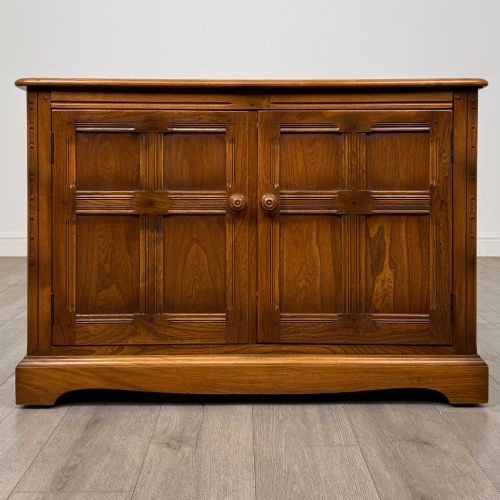
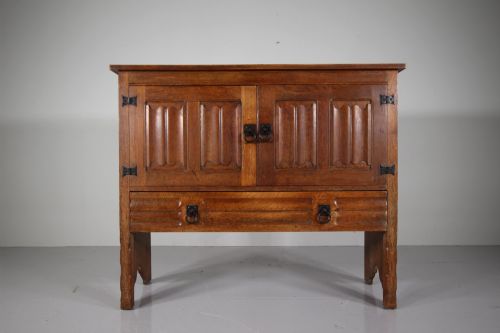
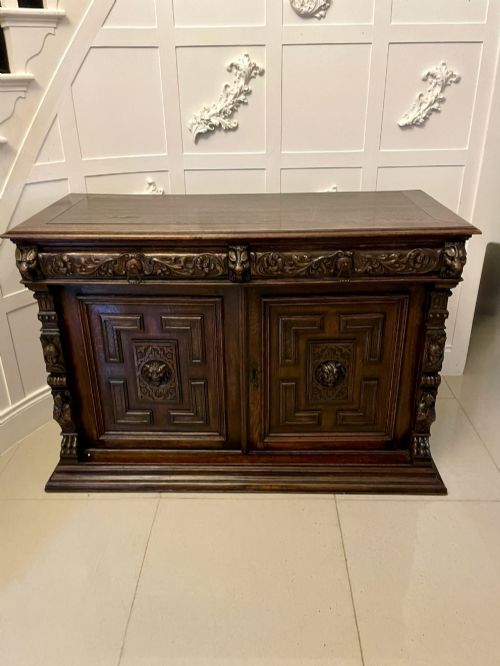
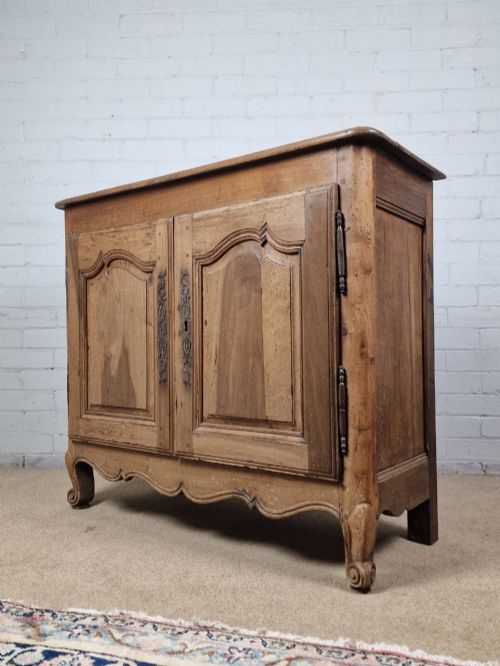
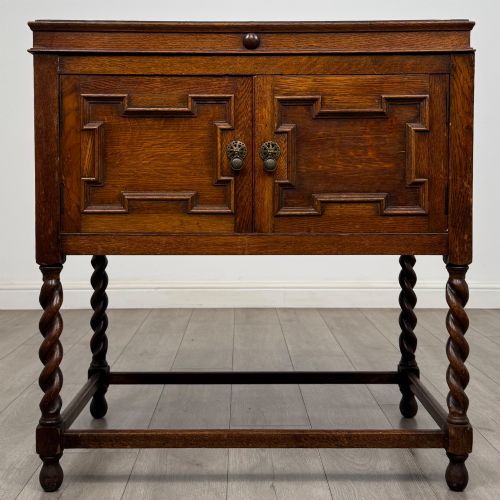
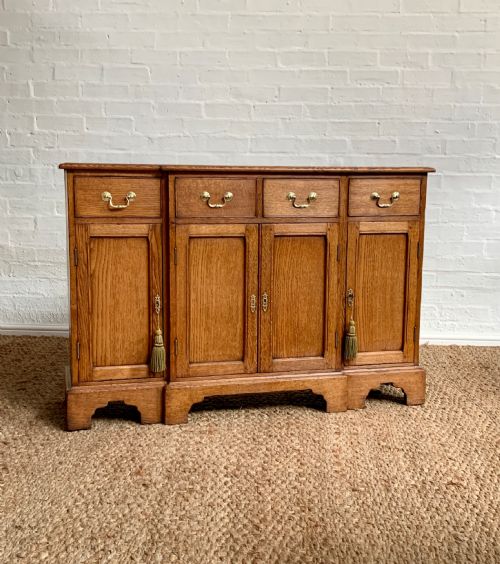
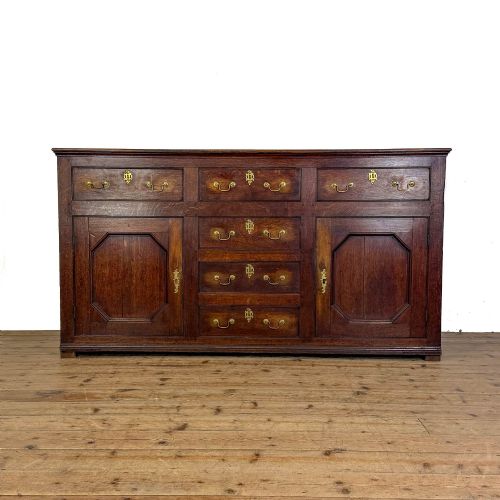
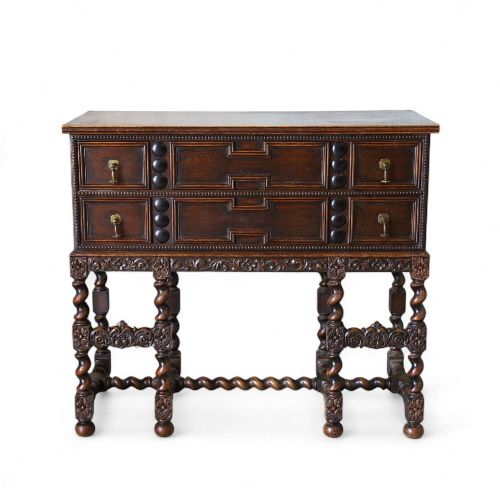
Carved Panel Oak Buffet
These carved panel oak buffet pieces bring substantial timber and historical presence into a room, offering deep relief work and enduring storage.
Carved Panel Oak Buffet
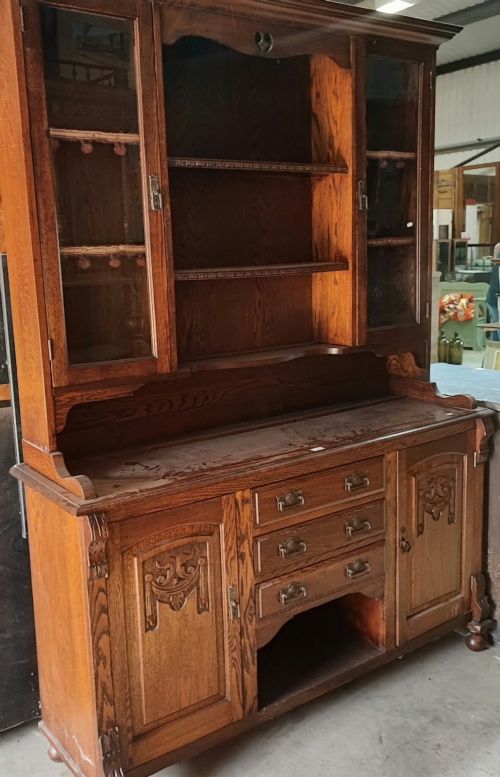
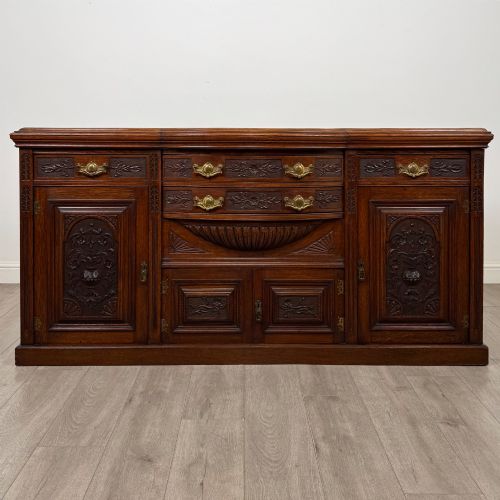
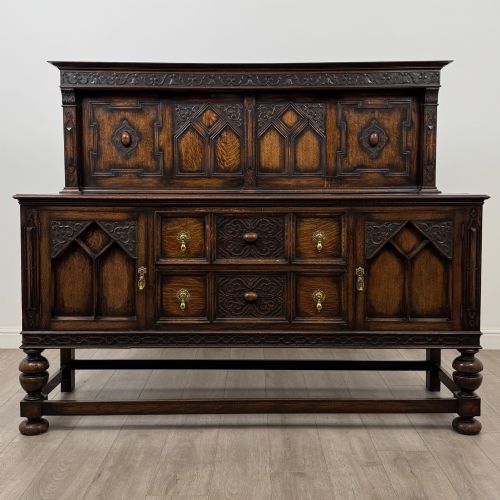
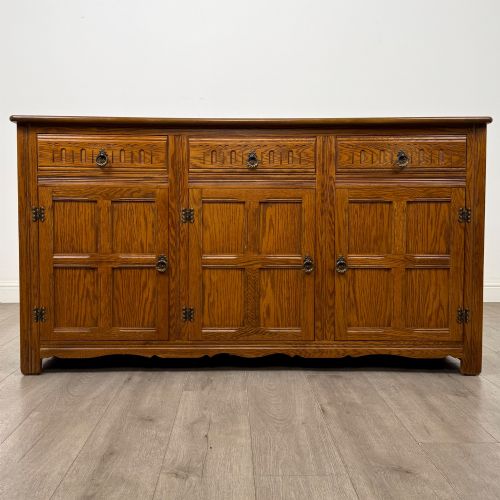
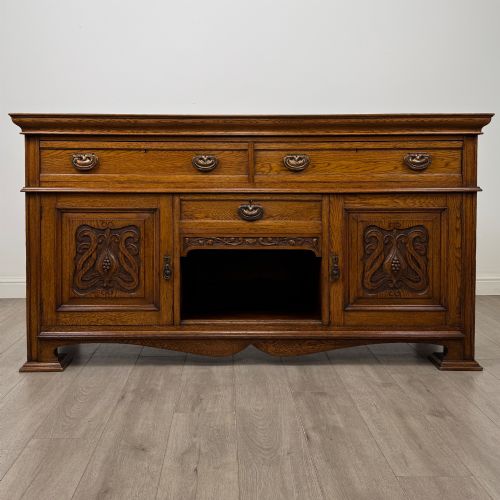
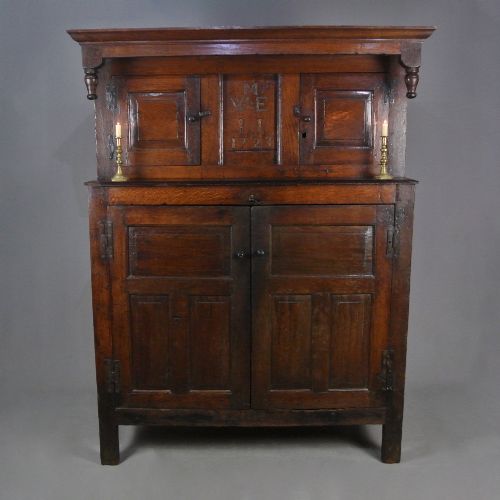
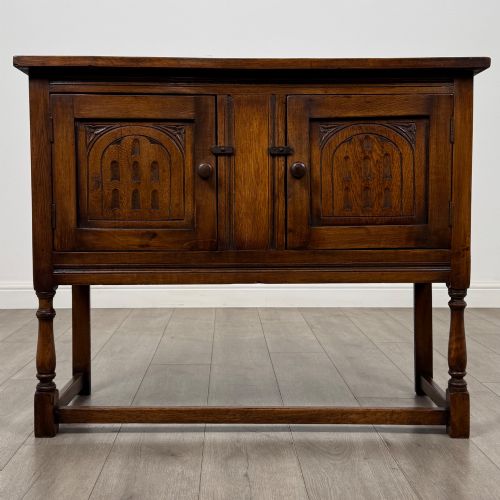
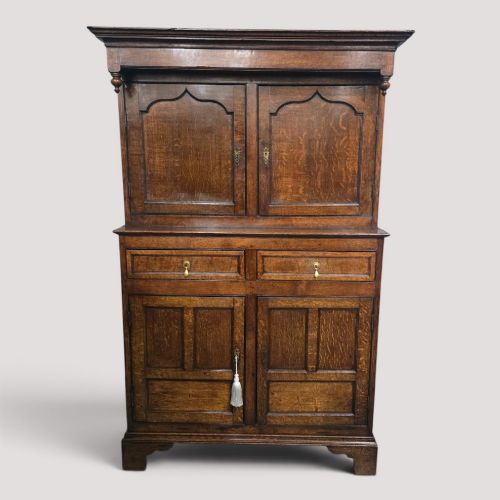
When you search for a carved panel oak buffet, you encounter a range of heavy storage furniture including sideboards, court cupboards, and dresser bases. The examples span from the seventeenth century through the Victorian era up to twentieth-century revivals.
You meet pieces showing styles from Jacobean and Gothic Revival to Arts and Crafts and French Provincial. The heavy construction relies primarily on solid oak, often complemented by brass or iron hardware and occasionally glass doors.
The domestic forms serve dining rooms and halls alike, functioning as serving surfaces and enclosed storage for household goods. Many incorporate panelled doors, pot boards, and carved tiers that reflect their period of origin.
How they were made
The construction relies on sturdy timbers, predominantly oak, supplemented by secondary woods like walnut, fruitwood, and elm in specific regional pieces. Joinery techniques such as mortise and tenon frame the panelled doors and structural carcases.
Carving defines the surfaces, executed by hand with gouges and chisels to produce geometric strapwork, floral motifs, and figural details. Iron and brass hinges, handles, and escutcheons secure the doors and drawers while adding metallic contrast to the timber.
Some seventeenth-century cupboards retain stubborn traces of Tudor floor wax that survived centuries of domestic polishing.
What varies in quality
The depth and crispness of the hand carving separate standard production from superior examples, where relief work retains sharp edges and deliberate modelling. The choice of timber grain, particularly in golden oak or tiger oak selections, dictates the visual impact of the front panels.
Structural integrity depends on the original joinery remaining tight within the heavy framework without excessive timber shrinkage or replacement parts. The quality of the hardware, from wrought iron hinges to brass pulls, indicates the original grade of the commission.
The Carved Panel Oak Buffet Glossary
- Court cupboard
- An enclosed piece of furniture featuring an upper and lower section, traditionally used for displaying plate and storing food. These form a major part of early oak domestic survivals.
- Dresser base
- A long low sideboard fitted with drawers and frequently a pot board shelf underneath. They originate from vernacular farmhouse kitchens and dining spaces.
- Barley-twist
- A turned column detail resembling a twisted rope, popular during the seventeenth century and revived in later centuries. This lathe-worked support appears on legs and stretchers.
- Strapwork
- A carved decorative motif flat in relief that mimics interlaced leather bands or ribbons. It frequently decorates the friezes and panels of Jacobean and revival pieces.
- Pot board
- An open lower shelf fitted between the legs of a dresser base or court cupboard. It provided a dry surface for storing pots and pans away from cold stone floors.
Carved Panel Oak Buffet: Frequently Asked Questions
How do I date an oak sideboard?
Examine the construction joints, timber grain, and tool marks on the interior panels, comparing them against known period styles like Jacobean or Arts and Crafts.
Hardware placement and the presence of hand-cut fixings further clarify whether a piece dates to its original century or represents a later revival.
What is a court cupboard?
A court cupboard is an enclosed storage piece featuring a recessed upper stage supported by pillars above a broader lower cabinet. These items were used in substantial homes for storage and display.
They often feature heavy carving on the frieze and panelled doors that reflect seventeenth-century domestic interiors.
How do I care for antique oak furniture?
Keep the timber away from direct heat sources and sudden humidity shifts to prevent the solid oak panels from splitting or warping.
Apply traditional beeswax periodically to nourish the wood and maintain a soft sheen without building up synthetic residues.
What is the difference between a buffet and a sideboard?
Buffets and sideboards both provide surface space and enclosed storage for dining rooms, though terms vary by period and regional vernacular usage.
Earlier examples often lean toward heavy cupboards and court cupboards, while later Victorian and Edwardian iterations adopt more open serving configurations.