


Light Oak Sideboard Storage
These light oak sideboard storage pieces offer honest timber and practical proportions, grounding a room with quiet utility.
Light Oak Sideboard Storage
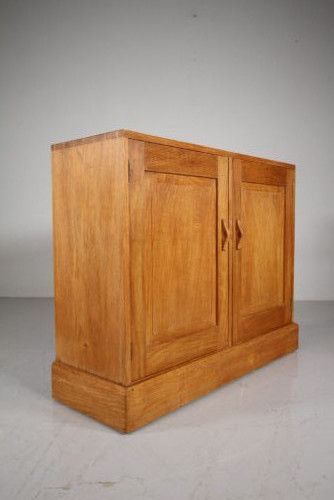
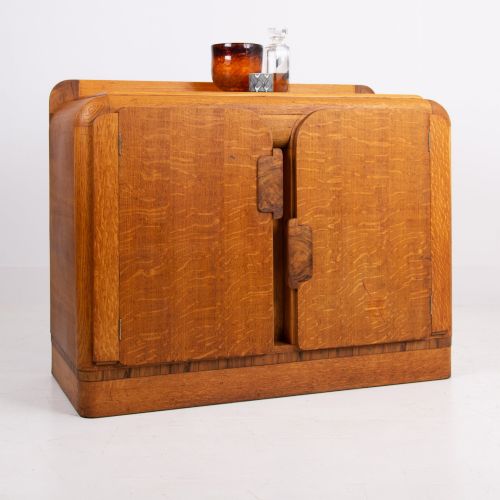
Buyers seeking light oak sideboard storage encounter functional timber furniture designed for domestic organisation across multiple decades. The selection spans from Edwardian mirror-back iterations and Victorian ash variants to 1920s limed oak designs and 1930s Cotswold school pieces.
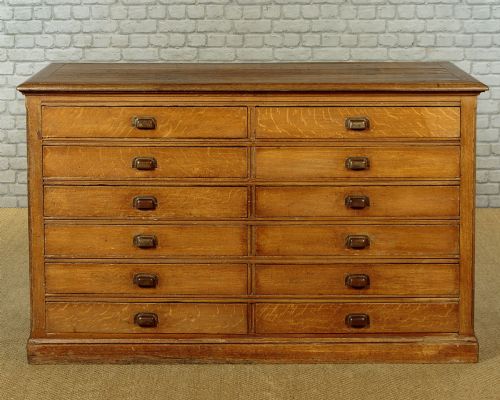
The dominant forms include traditional sideboards, banks of drawers, storage cupboards, and glazed bookcases. These items originate from British workshops and French regional traditions, balancing surface display with enclosed storage.
Makers such as Gomme and Heal of London appear alongside regional vernacular pieces like Breton folk cabinets. The timber varies from English oak and limed oak to bleached oak and French oak.
What varies in quality
The distinction between standard utility items and finer examples lies in the selection of the timber and the refinement of the joinery. Workshop pieces attributed to known makers demonstrate superior proportions and more deliberate handling of surface finishes like liming or bleaching.
Hardware selection and decorative carving elevate the character of individual pieces, moving simple storage cabinets into the realm of considered design. The integrity of the original construction and the preservation of natural timber grain dictate the standing of each piece.
Some nineteenth-century storage cabinets owe their existence entirely to retired Breton bed frames refusing to sleep.
Gomme·Heals of London
The Light Oak Sideboard Storage Glossary
- Limed oak
- Timber treated with a specialised pigment finish to create a pale, weathered appearance popular in the early twentieth century. This technique highlights the open grain of the wood.
- Cotswold School
- An influential twentieth-century design movement centred on traditional craftsmanship and unadorned solid timber construction. Pieces from this tradition emphasise honest construction.
- Bank of drawers
- A modular furniture form featuring multiple stacked drawers designed for efficient sorting and storage. These units prioritize utilitarian capacity over decorative display.
- Lit-clos
- A traditional enclosed Breton bed style whose dismantled panels are sometimes repurposed into decorative cabinets. This vernacular origin gives certain French cupboards a distinct architectural facade.
- Mirror back
- An upright wooden superstructure incorporating a mirror, commonly found on Edwardian sideboards. It reflects light and adds vertical presence to the base unit.
Light Oak Sideboard Storage: Frequently Asked Questions
What is limed oak?
Limed oak is timber treated with a white or pale finish to lighten its natural colour and accentuate the grain pattern. This treatment gained popularity during the early twentieth century for modern interiors.
Furniture finished this way appears brighter and fits well into contemporary minimalist or mid-century schemes while retaining genuine period character.
How do I date a sideboard?
Dating relies on observing construction methods, hardware types, and stylistic indicators such as Arts and Crafts simplicity or Art Deco geometry. Edwardian and Victorian examples often feature distinct proportions and mirror backs.
Examining the interior timber and drawer construction helps confirm the manufacturing era alongside any maker stamps or workshop labels.
Where were these cupboards made?
These storage pieces originate from various regions, including British workshops and French provinces like Brittany. Regional pieces often reflect local vernacular woodworking traditions.
English workshops produced items ranging from utilitarian kitchen cupboards to refined Cotswold school furniture, while French pieces utilised regional oak.
Are these pieces suitable for modern dining rooms?
Their practical proportions and neutral timber tones make them well-suited for contemporary living spaces and dining rooms. They provide concealed storage for tableware while offering a sturdy surface for display.
The variety of finishes, from bleached oak to dark revival styles, allows them to complement diverse interior schemes.